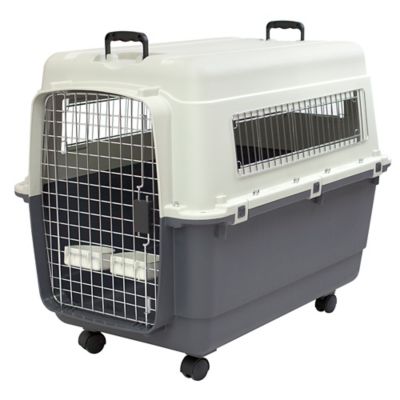
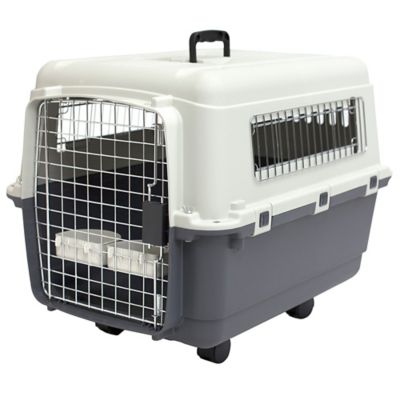
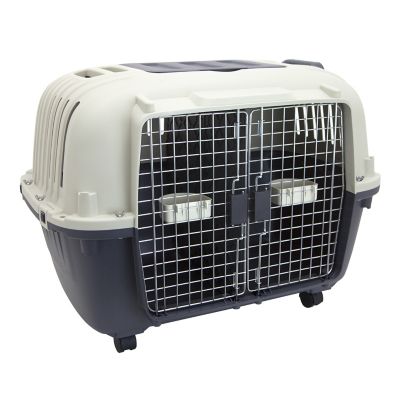
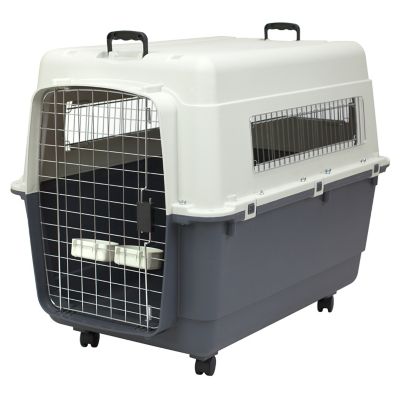
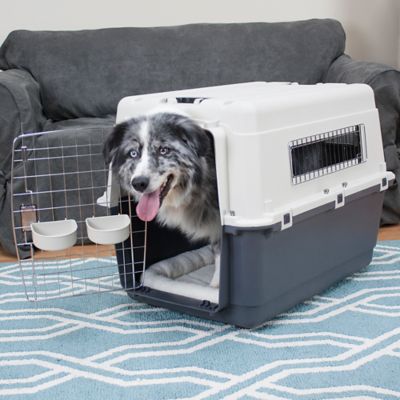
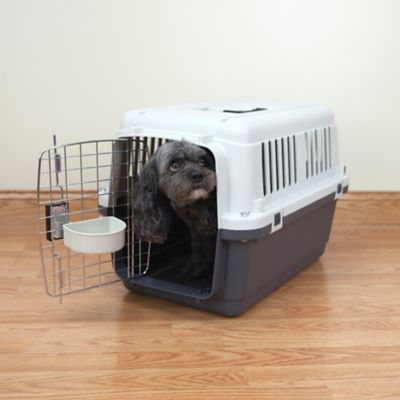
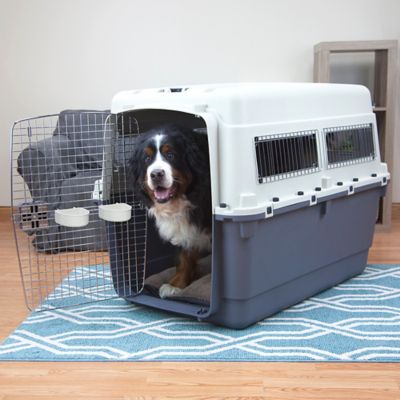
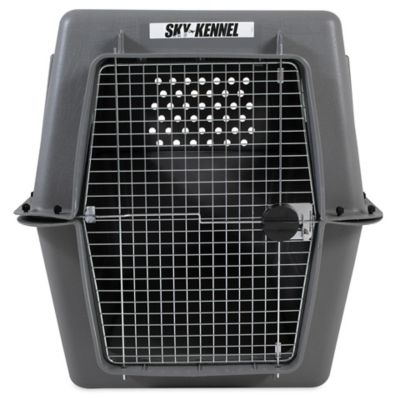
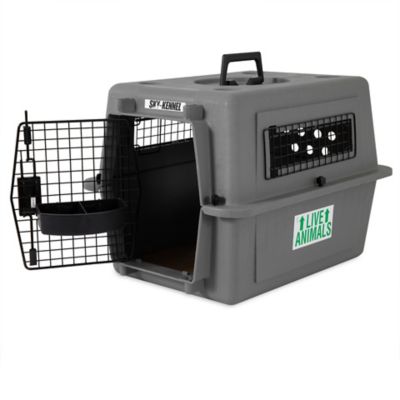
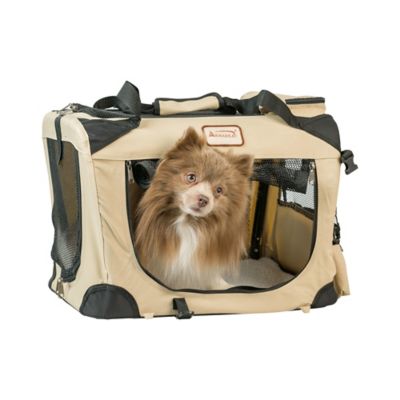
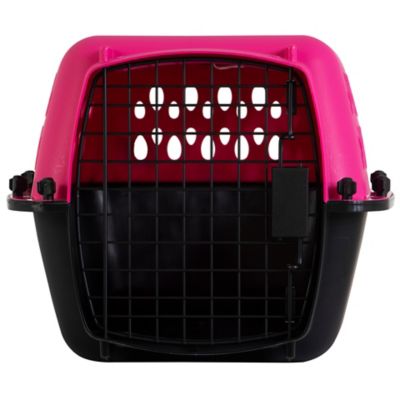
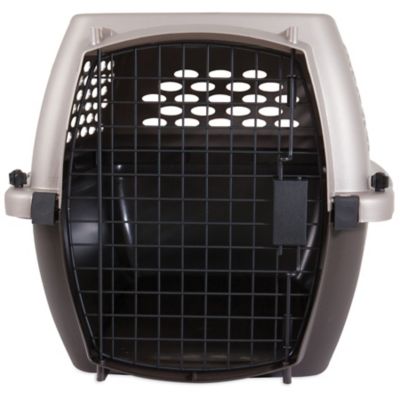
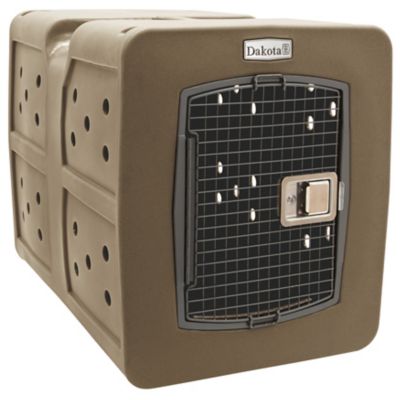
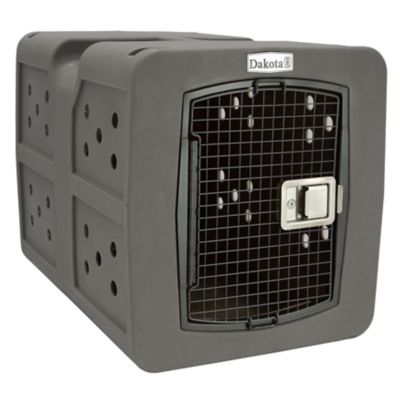
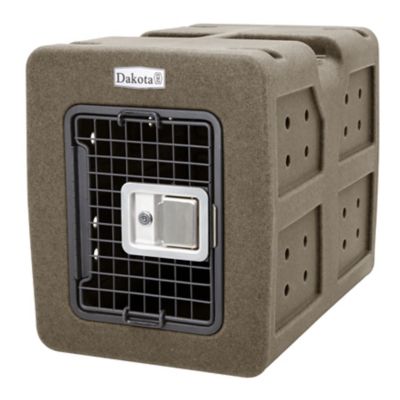
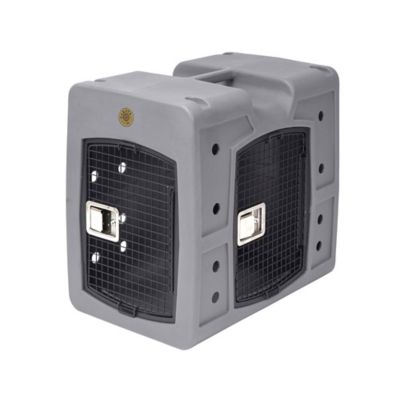
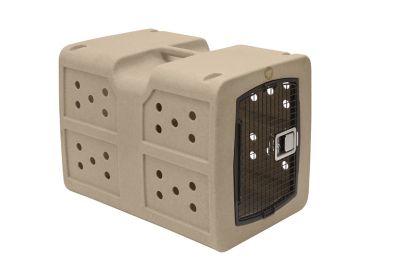
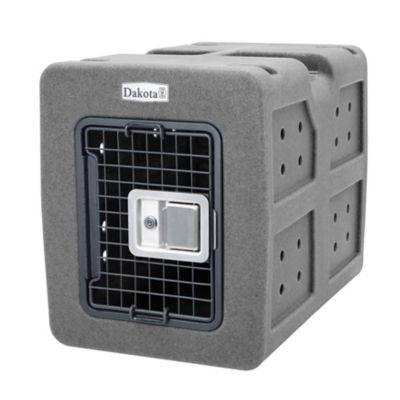
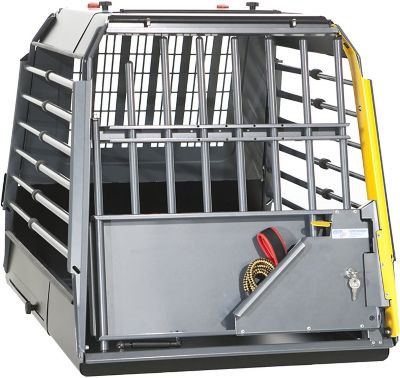
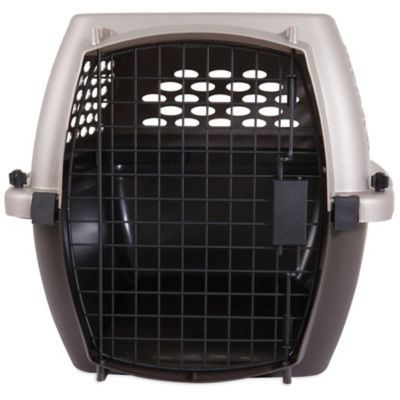
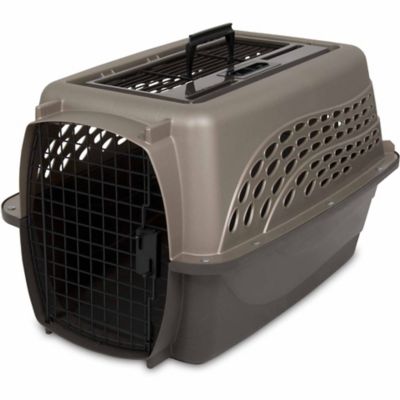
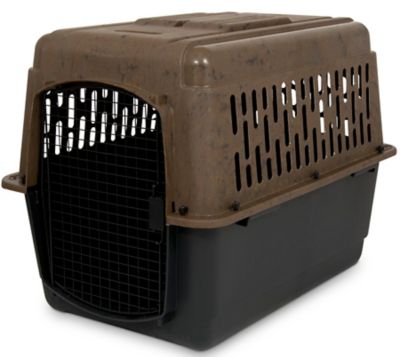
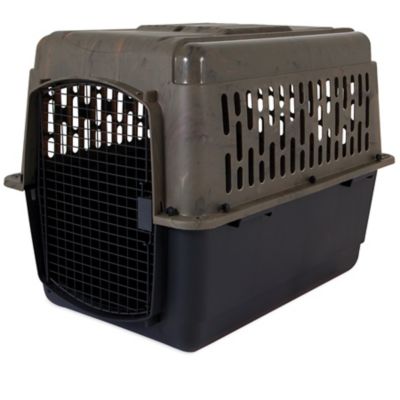
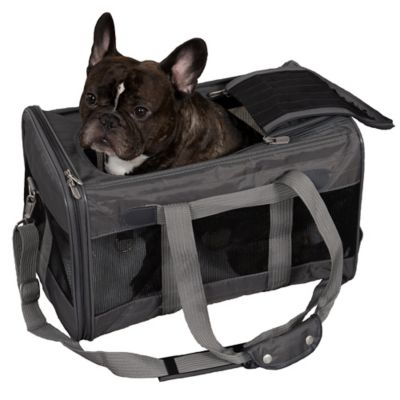
Airline-approved dog kennels are travel enclosures that meet a carrying airline’s requirements for a particular dog and flight. For cargo travel, that generally means a rigid shell, a solid, leakproof floor, a secure metal door, and ventilation on multiple sides. The words “airline approved” do not guarantee acceptance on every aircraft or route. Airlines set their own rules, often drawing on the International Air Transport Association’s Live Animals Regulations, and IATA does not certify individual pet kennels. That makes construction details just as important as the description on the label. Rigid plastic shells offer an enclosed resting space with surfaces that are straightforward to wipe down, while metal travel kennels can provide substantial strength around the frame and door. Rounded interior edges, protected hardware, and openings that keep noses and paws safely inside all matter when a dog settles in for a trip. On two-piece kennels, metal nuts and bolts are commonly required to join the upper and lower sections; plastic clips alone may not meet an airline’s rules. A door should close squarely, with its locking points fully engaged and no bent wire or loose frame sections. Ventilation requirements vary, and some itineraries call for openings on all four sides. Open wire crates and soft-sided carriers generally do not meet cargo kennel requirements, even when they work well for other purposes. Small dogs traveling in the cabin may be permitted in soft-sided carriers that fit beneath the seat, but those carriers serve a different purpose from cargo kennels. For a family heading out from the farm, relocating across the country, or bringing a dog along for an extended visit, the right enclosure balances the dog’s comfort with the exact requirements of the trip. Aircraft limits, breed restrictions, and destination rules can affect which kennel is suitable, even when its basic construction looks right.
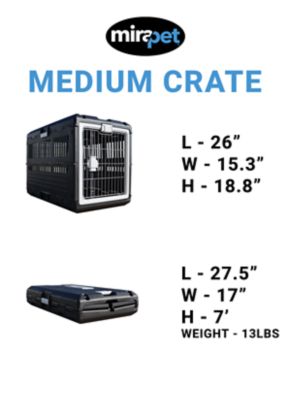
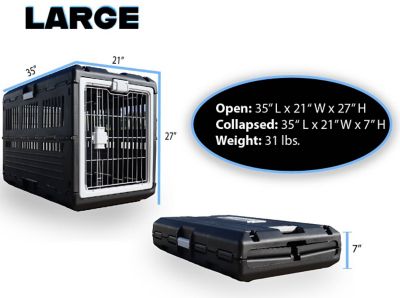
Fit starts with the dog’s body, not a breed name or a size label. A properly sized airline dog kennel gives the dog room to stand naturally without crouching, turn around normally, and lie down in a comfortable position. Interior height needs to account for the top of the head or erect ears, whichever is higher, along with any additional clearance the airline requires. A tall, narrow dog and a broad, heavy dog may need different kennel proportions even if they weigh about the same. Interior measurements show how much room the dog actually has, while exterior measurements determine whether the enclosure fits the airline’s handling and aircraft limits. Tapered walls, a raised floor, and door framing can all reduce usable space compared with the outside dimensions. Extra room is not a substitute for checking requirements, either; an oversized kennel may exceed an aircraft’s limits or be awkward to handle. The empty kennel’s weight also matters when an airline sets a combined weight limit for the dog and enclosure. Inside, the floor should provide stable footing, with enough space for the dog to rest without pressing against food and water containers. Airline-accepted absorbent bedding can help manage small spills or accidents, but thick padding should not crowd the dog or interfere with the door. Attached food and water dishes are another common requirement, often with a way to refill them from outside without opening the kennel. Recessed dish placement and secure attachments help keep the interior orderly during handling. Handles and gripping areas deserve attention, too, especially on larger enclosures that need more than one person to move safely. For a broad-chested farm companion or a small dog accustomed to riding beside the family, these details make the difference between a kennel that merely looks roomy and one that supports a natural resting position while meeting transport requirements.
A travel kennel also has a job before departure day: giving the dog a familiar place to settle. An enclosure that can sit comfortably in the house between trips offers time for relaxed naps, short periods with the door closed, and a gradual introduction to the sounds of the latch. That familiarity can help keep an airport trip from being the dog’s first experience inside a kennel, though no enclosure can promise a stress-free flight. Everyday practicality matters for the person caring for it as well. Smooth interior surfaces, accessible corners, and bedding that lifts out make routine cleanup simpler after muddy paws, shedding, or an accident. Cleaning products need to be suitable for the kennel material and safe around animals when applied according to their labels, with surfaces rinsed as directed and allowed to dry before the dog returns. Strong lingering scents and damp padding have no place in a confined travel space. Over time, inspection matters as much as washing: cracks near bolt holes, missing fasteners, rusted hardware, damaged ventilation openings, and doors that no longer align can affect whether a kennel remains suitable for transport. Replacement components should match the manufacturer’s specifications, since improvised repairs may weaken the enclosure or fail an airline’s inspection. Flat areas for identification and required travel labels can make paperwork easier to manage without blocking airflow. For households traveling with both dogs and cats,
Airline Approved Pet Carriers for Cats covers a related travel category, though each animal still needs an enclosure suited to its measurements and travel arrangement. A kennel may also serve as a resting spot at the destination or an enclosure for other trips, but airline acceptance does not establish vehicle crash protection. With sound construction, a comfortable fit, and manageable care, an airline dog kennel can remain a practical part of travel well beyond a single flight.