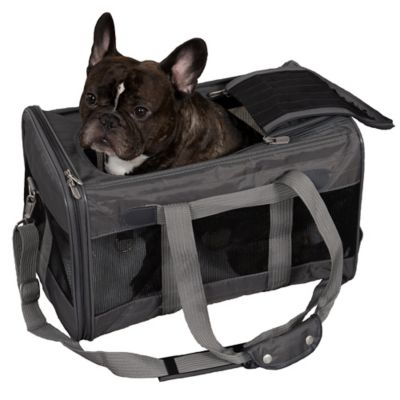
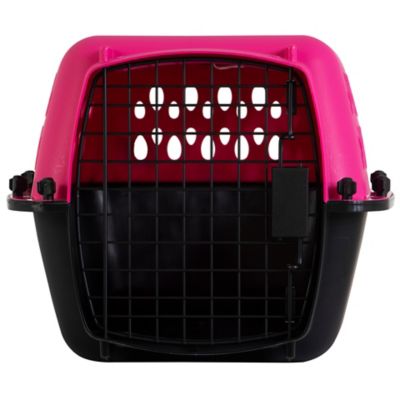
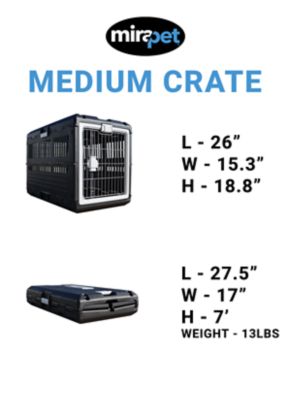
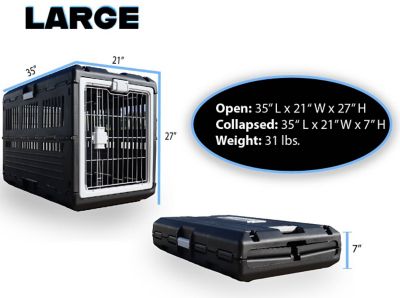
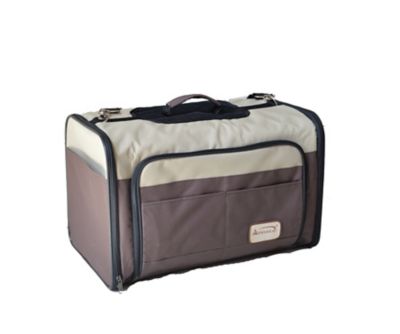
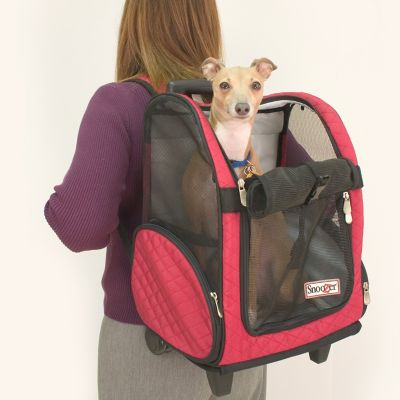
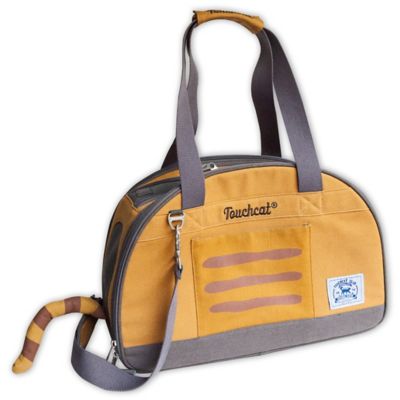
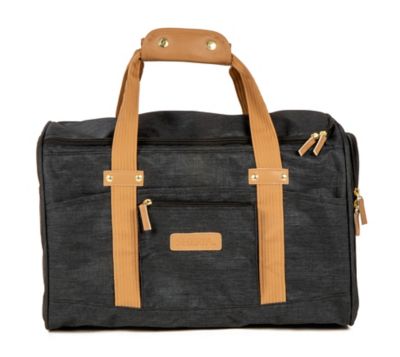
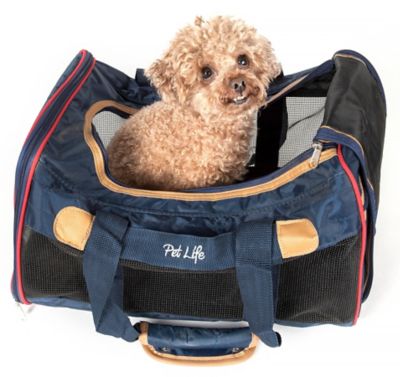
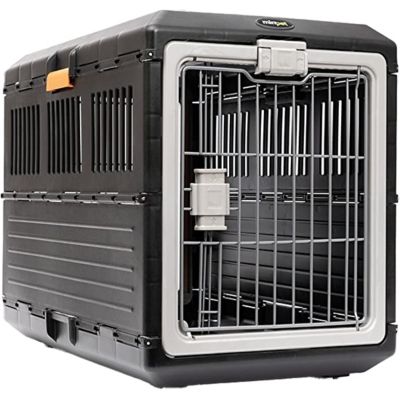
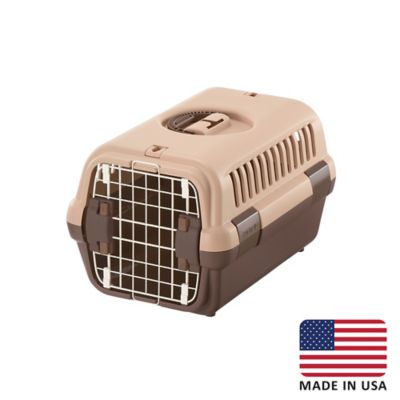
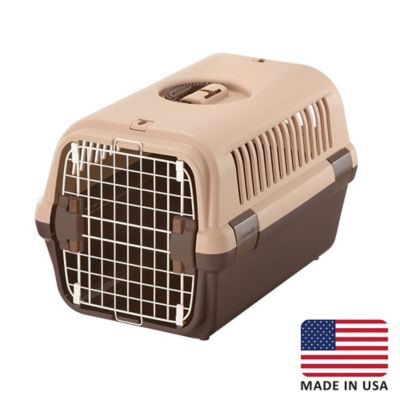
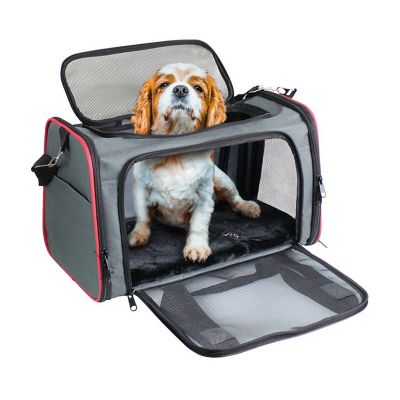
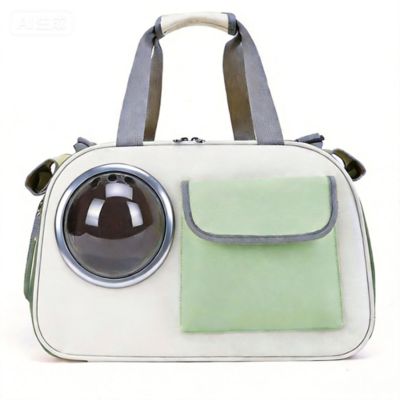
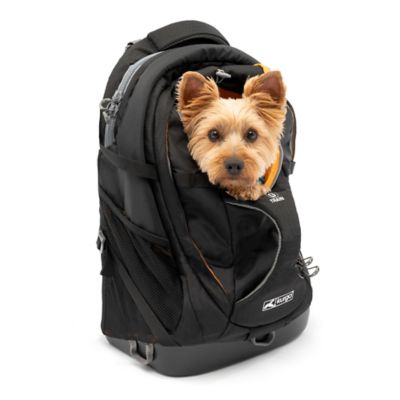
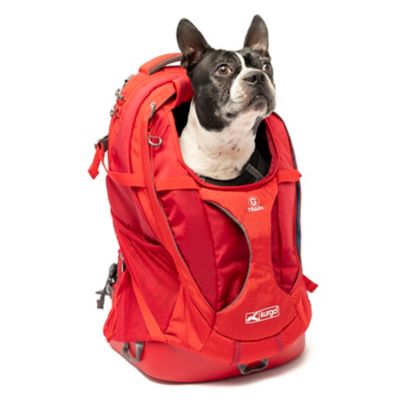
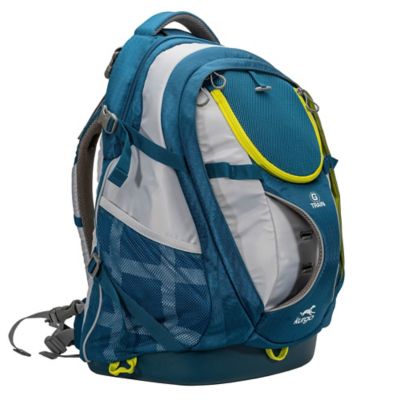
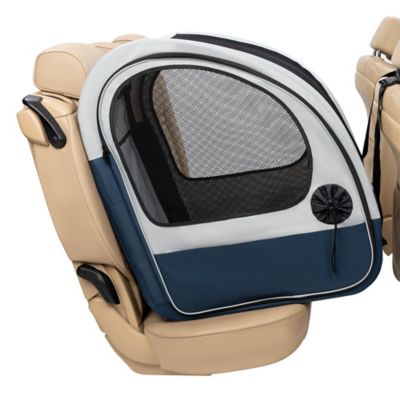
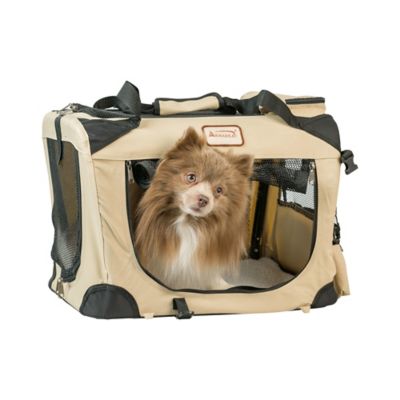
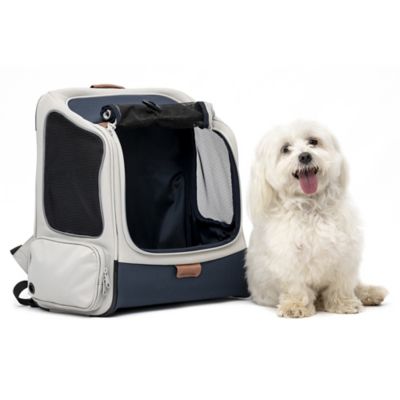
Airline-approved pet carriers for cats are designed for the close quarters of in-cabin air travel, with an emphasis on under-seat fit, ventilation and secure containment. Many have soft-sided construction that gives a little around the edges while keeping a defined space for a cat to rest. The phrase “airline approved” is not a universal guarantee of acceptance: each airline sets its own carrier dimensions, pet weight limits and travel rules, and those requirements can vary by aircraft or seating location. A carrier’s listed length, width and height need to match the airline’s requirements, while its interior needs to suit the cat riding inside. Outside measurements alone do not tell the whole story, since padding, tapered walls and the shape of the opening can affect usable space. A good fit allows the cat to stand, turn around and lie down naturally without crowding, subject to the airline’s specific requirements. For a long-bodied cat, floor length may matter as much as overall height; for a heavier cat, the carrier’s weight rating and base support deserve a close look. Some airlines count the combined weight of the cat and carrier, making the bag’s empty weight another practical consideration. Soft-sided designs are often a good match for under-seat travel, but flexibility should never mean squeezing a cat into a space that is too small or pressing the carrier walls against its body. Hard-sided carriers may also qualify on certain flights when their exact measurements meet the airline’s rules, though they cannot flex around a tight opening. These carriers suit cat owners traveling for a move, an extended family visit or another trip where their companion needs to come along. For someone whose airport trip starts with a long drive from home, a carrier that is manageable through both the parking lot and terminal can make the whole travel day feel less cumbersome.
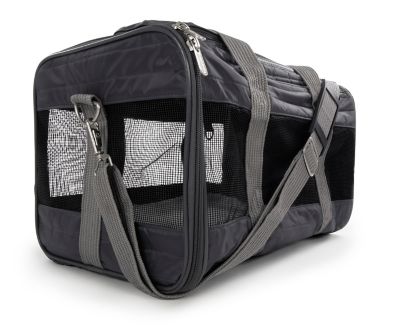
Construction makes a noticeable difference when a carrier moves from the back door to the vehicle, through check-in and beneath an airplane seat. Nylon and polyester shells are common choices because they can provide a balance of manageable weight, flexibility and straightforward cleaning, while mesh panels allow airflow and give a cat a view outside. Mesh placement matters, too: panels on more than one side can provide ventilation even when part of the carrier sits close to a seat or wall. An enclosed fabric section may give a watchful cat somewhere to settle out of direct view, but blankets, covers and packed belongings should not block ventilation openings. For cats that paw at a door or lean against the sides, reinforced seams, firmly attached mesh and well-finished edges are worth attention. Secure zipper closures help keep paws and noses from working an opening wider, and zipper locks or fastening tabs can add another layer of containment when included in the design. Top openings can make settling a reluctant cat inside less awkward, while a front opening gives a willing cat a familiar way to walk in. Multiple access points also make it easier to reach a removable pad without wrestling with the whole bag. A supportive base keeps the floor from sagging during carrying, and a washable cushion or fitted liner provides a resting surface without taking up too much interior space. Carry handles and adjustable shoulder straps offer different ways to manage the load, especially with a suitcase in the other hand. Comfortable strap padding, reinforced attachment points and balanced handle placement can matter over the stretch between a distant parking space and the gate. A luggage sleeve may help a compatible carrier sit on a rolling suitcase, though the carrier still needs steady support and a level position. Storage pockets are handy for paperwork, waste bags and a small supply of cleanup essentials, provided they do not crowd the cat’s compartment or interfere with the carrier’s required dimensions.
Care features help an airline cat carrier earn its place beyond a single flight. Removable bedding, accessible corners and surfaces that wipe clean make it easier to deal with shed fur, tracked litter and the occasional travel accident. Some pads allow machine washing, while others need spot cleaning, so the care label matters for both the cushion and the outer shell. Removable structural panels may also have separate cleaning requirements. A carrier should be fully dry before storage or another outing, with zippers, seams, mesh and strap attachments checked for wear. Strong odors or heavily scented cleaning products can make an enclosed space less inviting for a cat; manufacturer-approved cleaning methods help protect the fabric and leave the interior ready for the next trip. Fold-flat designs can save room in a closet between journeys, while more structured styles keep their shape for frequent outings. The right choice depends partly on how often the carrier will leave the house and how much handling it will see. A cat that travels several times a year may benefit from a carrier with replaceable bedding and substantial reinforcement at lifting points, while an occasional traveler may place more weight on compact storage and simple upkeep. Many flight-size carriers also work for veterinary appointments and other short trips, as long as the cat still fits comfortably. For car travel, attachment features should be evaluated separately; airline acceptance does not mean a carrier has been crash tested or provides a particular level of vehicle protection. Familiarity can help make any outing less of a struggle, and a carrier with an easy-access opening can sit at home with its door secured open, giving the cat a chance to explore it before departure. For a friend or family member preparing to travel with a cat, a carrier can be a practical gift when the cat’s measurements and airline requirements are already known. Broader comparisons on
Best Cat Carriers can help put flight-ready features alongside the needs of everyday transport. The most useful match brings together the airline’s limits, the cat’s comfort and the details that make carrying, cleaning and storing the bag easier from one trip to the next.