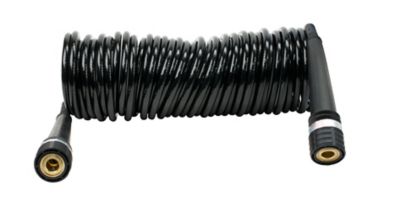
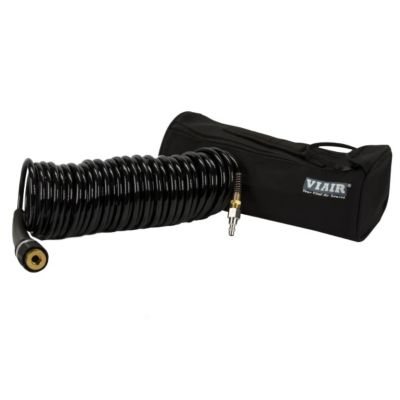
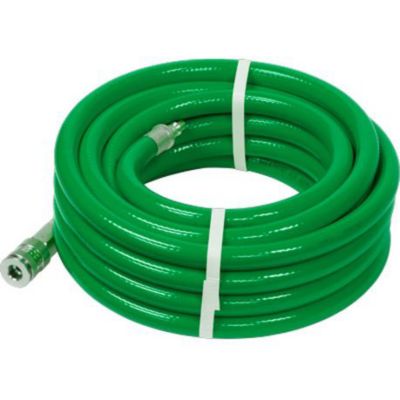
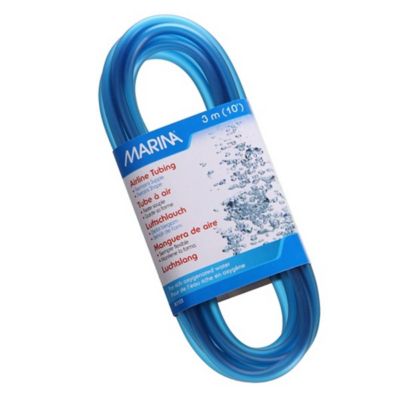
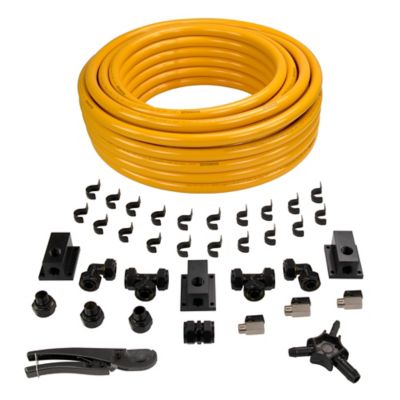
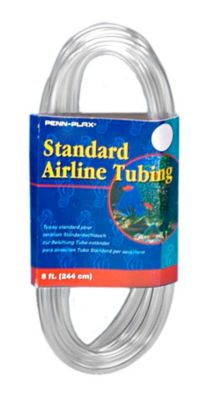
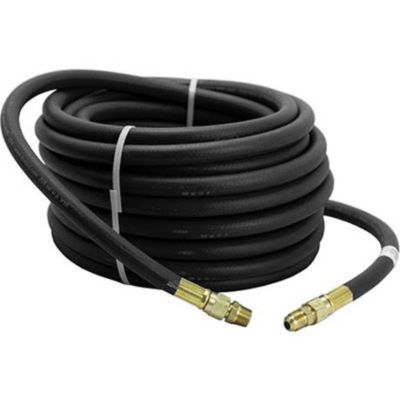
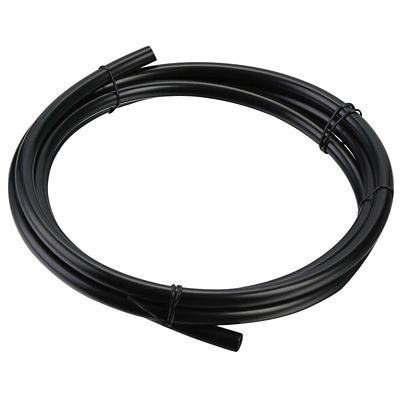
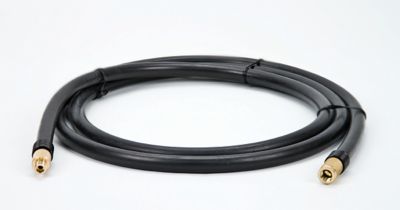
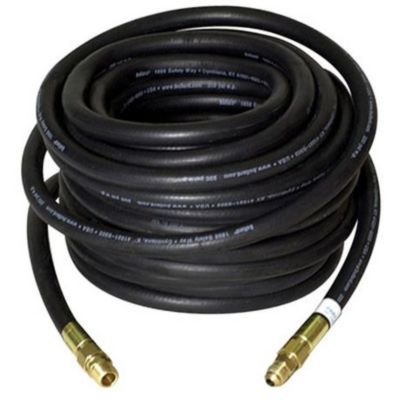
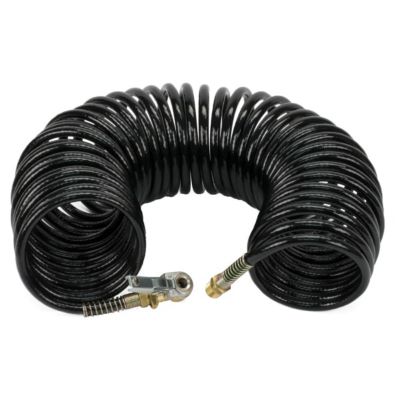
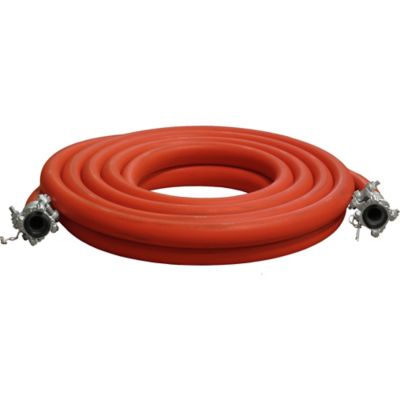
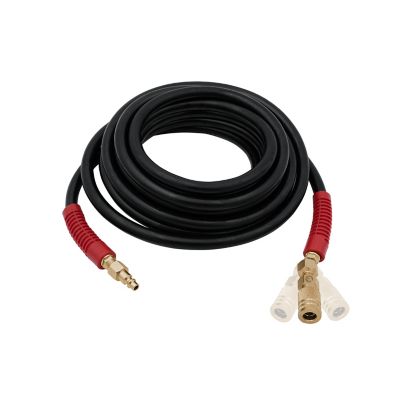
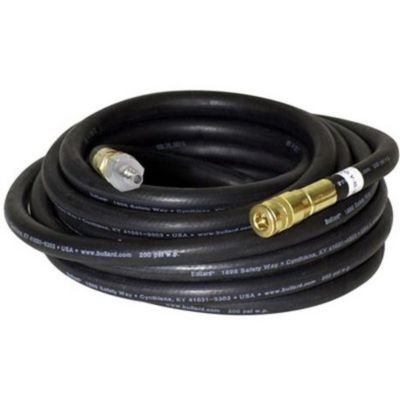
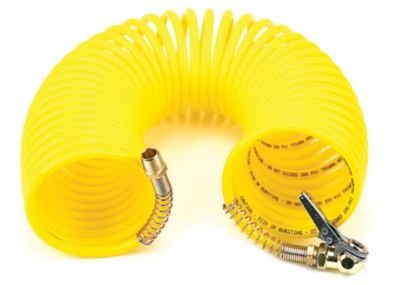
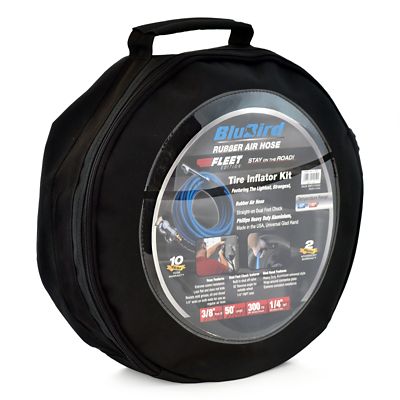
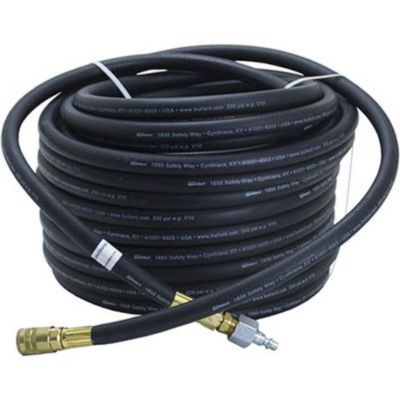
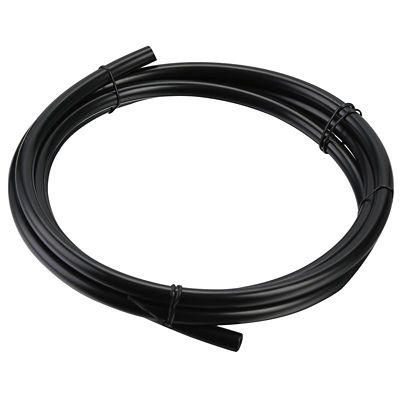
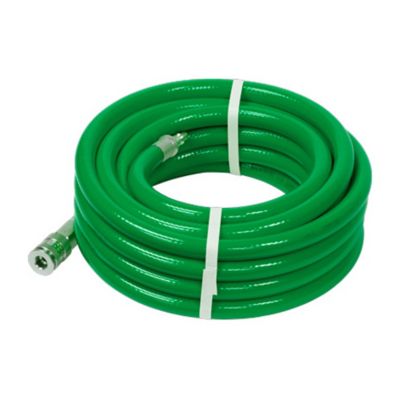
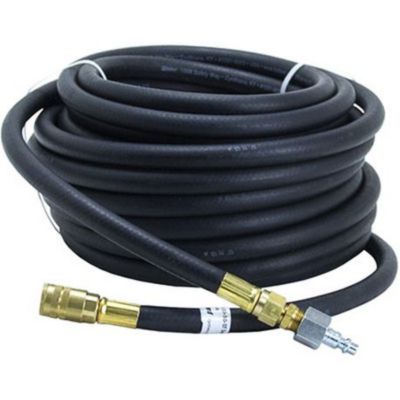
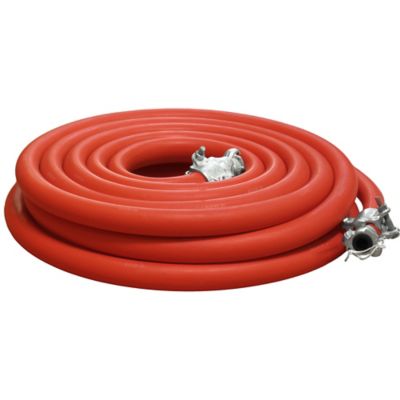
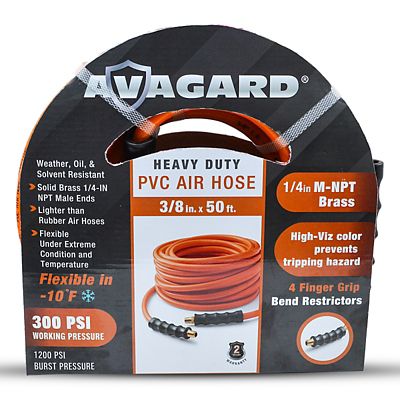
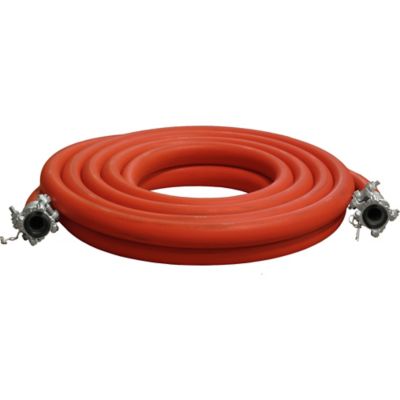
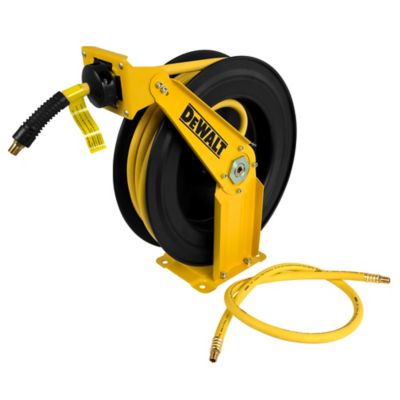
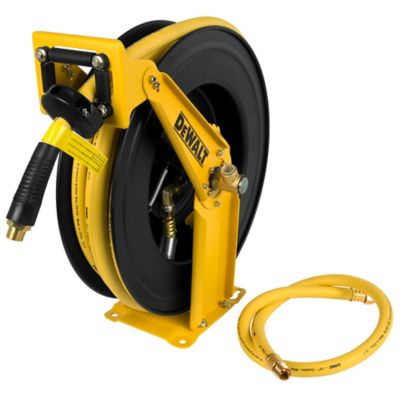
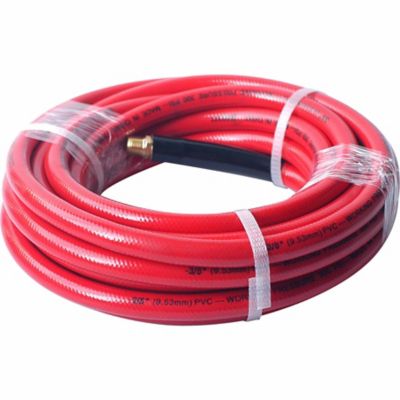
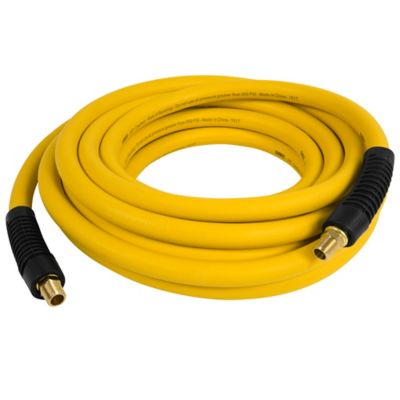
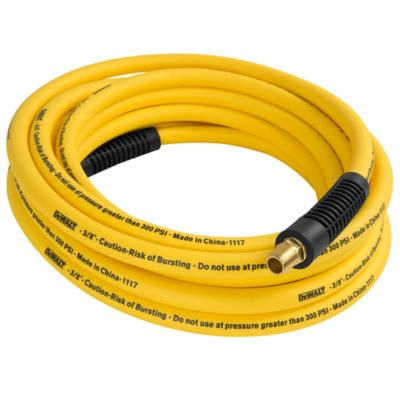
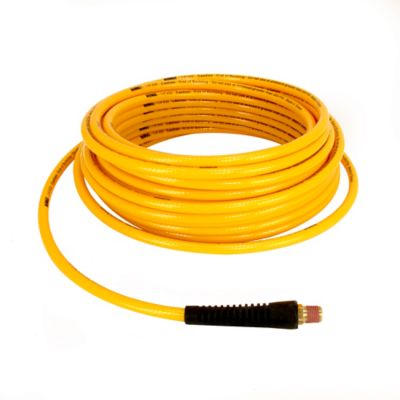
Air tubing, also called pneumatic tubing, gives compressed air or other compatible gases a dependable path from a compressor, pump, or air source to the tool, valve, actuator, gauge, or inflator doing the work. In a farm shop, garage, barn, or home workshop, the right tubing can help keep an air system neat, steady, and easier to service. It may be used for a short flexible connection at a workbench, a line running between components in a small automation setup, or a longer distribution run where compressed air needs to reach several work areas. Tubing is also handy for hobby equipment, low-pressure air systems, and certain pump applications, provided the material and pressure rating match the job. When selecting air tubing, start with the requirements of the equipment rather than choosing by appearance alone. Check the maximum pressure, temperature range, gas compatibility, tubing material, and the fitting style used by the rest of the system. Polyurethane is a popular choice for general workshop use because it bends easily, resists kinking, and works well where the line needs to move around a bench or follow the contours of a machine. Nylon is usually stiffer, which can make it a good fit for more permanent air lines and longer runs where a clean, supported route matters. PTFE tubing is chosen for applications that call for greater heat resistance or exposure to certain chemicals. Reinforced rubber and hybrid tubing can offer a durable, flexible connection where a line may be handled often or exposed to rougher shop conditions. Each material has its place, and a little planning up front can save a lot of cutting, rerouting, and troubleshooting later.
Size is just as important as material. Pneumatic tubing is commonly identified by its outside diameter, or OD, because push-to-connect fittings are made to grip that outer measurement. The inside diameter, or ID, affects how much air can move through the line and how much pressure drop may occur over distance. A small line may be perfectly suitable for a light-duty control circuit, while a tool or system that needs a greater volume of air may perform better with a larger internal passage. Always compare the tubing size with the inlet size and fitting requirements of the connected equipment. Working pressure is another key detail: the tubing should be rated to meet or exceed the maximum PSI produced by the compressor or air source, with an appropriate margin for the application. Do not rely on the average pressure shown on a gauge if the system can produce higher pressure during operation. Temperature matters, too, especially when lines run near engines, heaters, exhaust components, or equipment that warms during long use. For a tidy installation, measure the route before ordering, allow enough length for gentle bends, and avoid sharp corners that can pinch the line. Cut the tubing squarely with a clean cutter so it seats properly in the fitting. Push-to-connect fittings should receive tubing fully and evenly, while threaded connections should be assembled according to the fitting manufacturer’s instructions. Support longer runs with suitable clips, keep tubing away from moving parts and hot surfaces, and leave access to connections so leaks can be found without dismantling the whole setup. A few minutes spent tracing a line along the wall or under a workbench can make the finished system look cleaner and make winter maintenance much less of a chore.
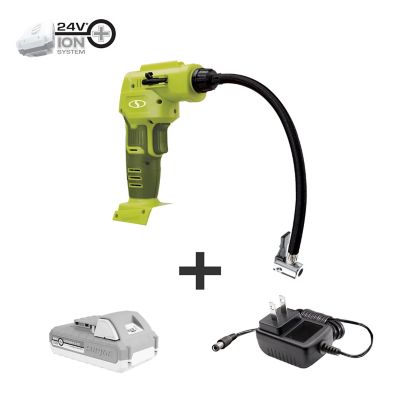
Air tubing is a practical choice for farmers, ranchers, mechanics, maintenance crews, hobbyists, and do-it-yourselfers who want to build or repair a reliable compressed-air setup. It can help connect equipment in a busy shop, supply air to a control valve, or create a more organized route between an air source and the place where work gets done. During the warmer part of the year, tubing may be used in open-sided shops, outbuildings, or mobile work areas where tools move from one project to the next. As cooler weather settles in, a well-planned indoor line can keep frequently used connections off the floor and reduce the need to drag a long hose across a cold concrete slab. Air tubing can also be a thoughtful addition to a gift for someone setting up a workbench, restoring equipment, or learning basic pneumatic repairs, especially when paired with compatible fittings and a clear understanding of the intended pressure range. For inflating tires, sports equipment, toys, and other items, an
Air Inflator can provide a convenient air source, but the tubing still needs to be rated for the pressure and connected securely. Before putting any system into service, inspect the line for cuts, abrasions, flattened sections, or signs of swelling. Listen for hissing around fittings, shut off the air supply before making adjustments, and release trapped pressure before removing a connection. Keep tubing clean and capped during storage so dust and moisture do not make their way into valves or tools. With the proper material, diameter, pressure rating, and routing, air tubing can be a simple, hardworking part of a dependable setup—one that helps keep chores moving, repairs on track, and the shop ready for the next job.