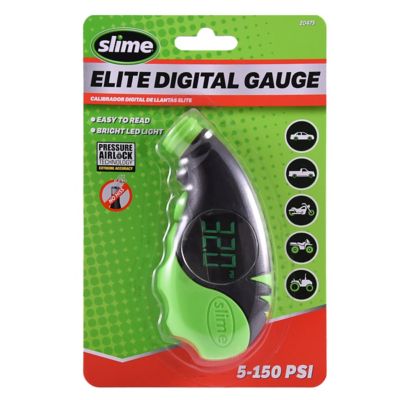
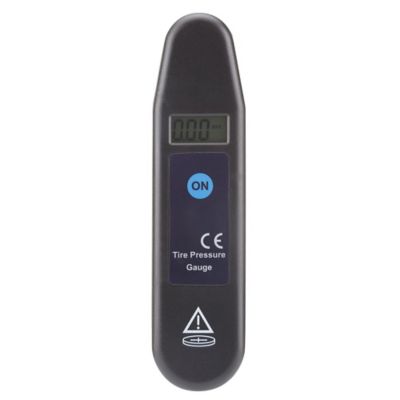
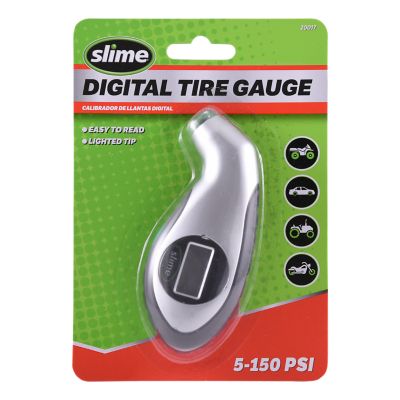
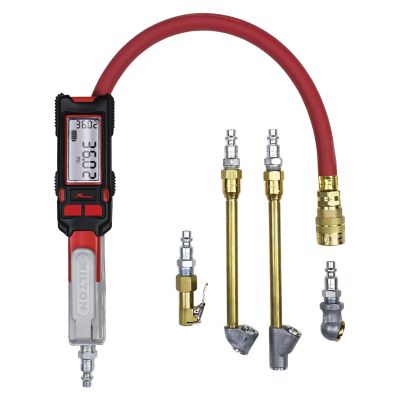
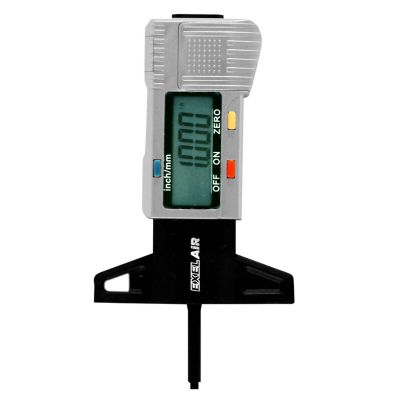
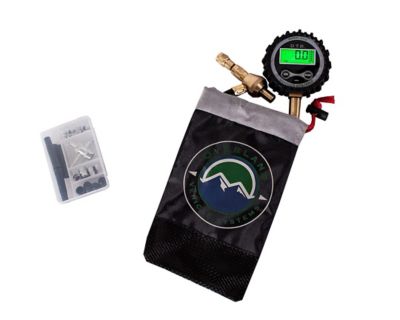
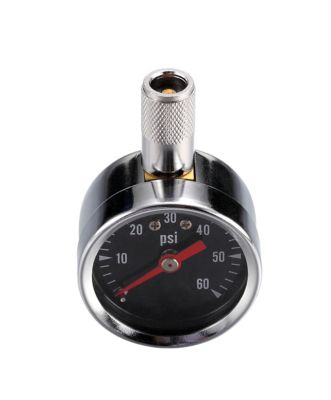
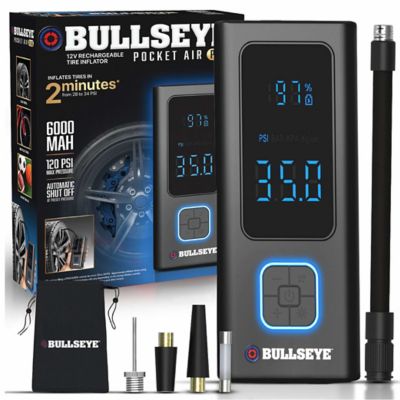
Digital tire gauges measure the air pressure inside a tire and show the result on an electronic display, giving drivers and equipment owners a straightforward way to keep tabs on a regular maintenance task. Instead of reading marks on a sliding stem or dial, you get a numerical reading that can be easier to see at a glance. These handheld tools earn their place in a pickup console, garage drawer or farm shop, especially when several vehicles and pieces of equipment need attention. Proper tire pressure supports handling, braking, load capacity and even tread wear, making a gauge useful for everything from the daily drive to a trailer trip with a full load. Depending on the design, features may include a backlit screen, an illuminated nozzle, automatic shutoff or a choice of pressure units. PSI, or pounds per square inch, is the familiar measurement for most drivers in the United States, while some gauges also display bar or kilopascals. A clear screen, readable numbers and controls that make sense without much fuss can matter more in everyday work than a long list of extra functions. Some displays show pressure in tenths of a PSI, but those smaller increments describe display resolution, not a guarantee of measurement performance. The stated measurement tolerance and pressure range provide more useful information about whether a gauge suits the job. A gauge that holds its reading after removal from the valve can be particularly handy when the valve sits where the screen is hard to see. For a driver checking a pickup before hitching a trailer, or a property owner keeping several machines ready for chores, the appeal is simple: a readable pressure measurement from a tool that is easy to carry and comfortable to handle.
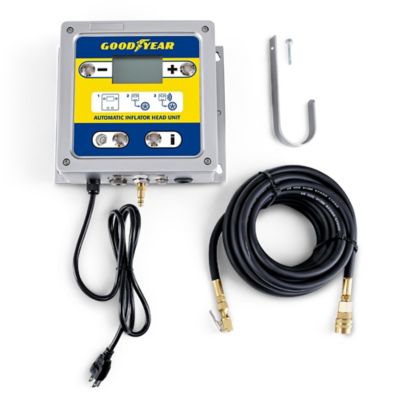
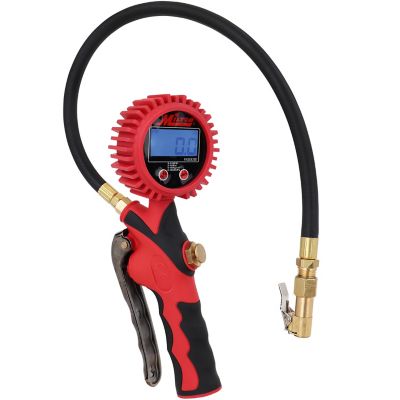
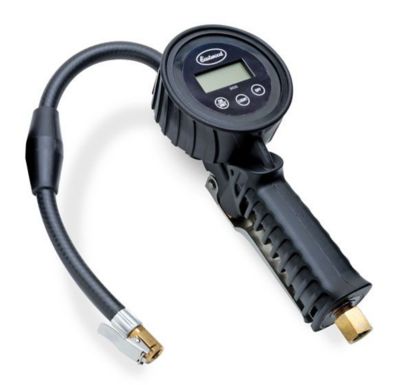
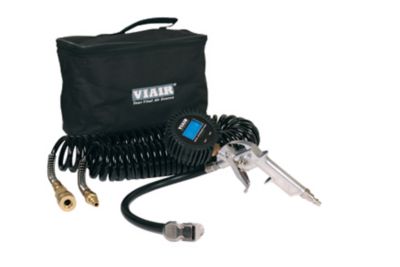
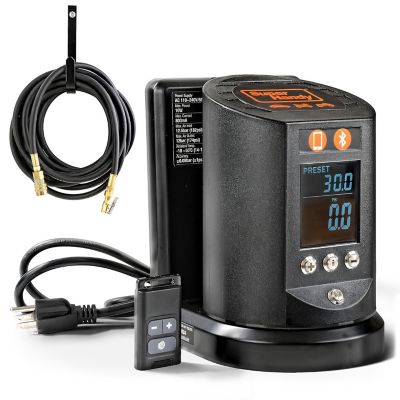
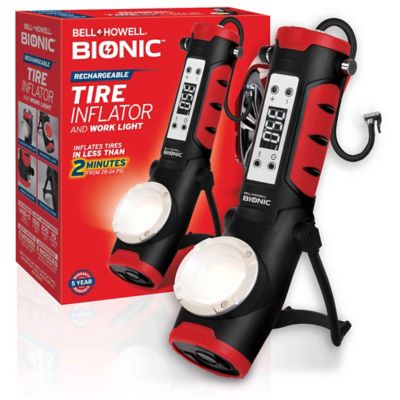
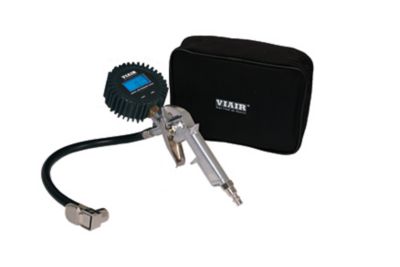
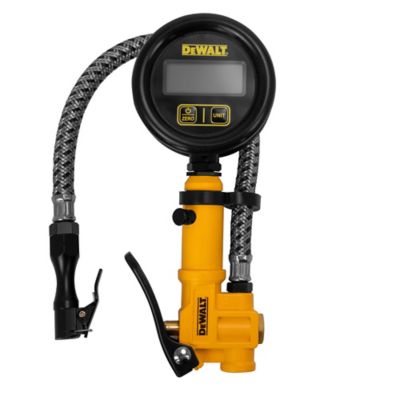
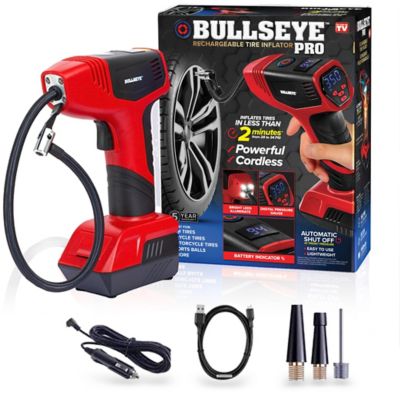
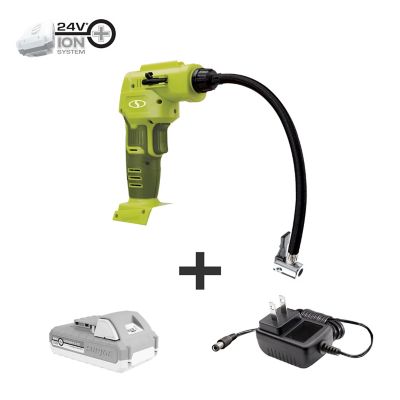
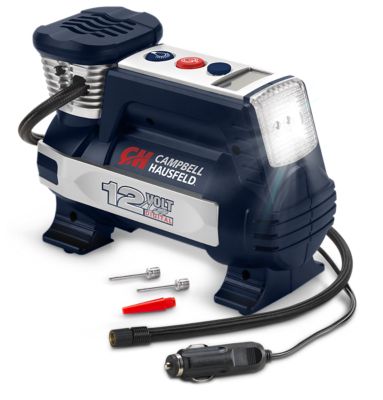
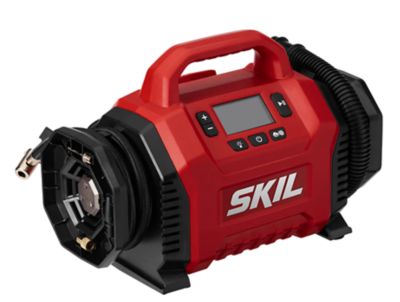
The right digital tire gauge needs to match both the pressure being measured and the space around the tire valve. Passenger vehicles, trailers, ATVs and lawn equipment can have very different pressure requirements, so a broad upper limit alone does not tell the whole story. The lower end of the measuring range and the stated tolerance deserve attention, particularly for tires that operate at relatively low pressures. Valve compatibility matters, too. Schrader valves are common on automotive tires, while bicycles and specialty applications may call for a different connection. Agricultural tires containing liquid ballast may require a gauge specifically approved for that application rather than an ordinary air-only instrument. Around a recessed valve stem or a tight wheel opening, the angle and size of the gauge head can determine whether it seats cleanly. Straight heads, angled heads and flexible-hose designs offer different approaches to access, while dual-head chucks can help reach the valves on some dual-wheel assemblies. A secure seal keeps air from escaping during the reading; persistent hissing can indicate that the connection is not seated properly. Standalone digital gauges measure pressure, while digital tire inflator gauges combine a pressure display with an air connection for adding air from a compatible compressor. Some inflator designs also include a bleed valve for controlled pressure adjustments. Hose fittings, connection style and working-pressure ratings need to match the air system involved. A digital gauge fits naturally alongside other
Tire Pressure Tools in a garage or farm shop, whether the task involves a single vehicle or several trailers and machines. The correct pressure comes from the vehicle or equipment manufacturer’s recommendations for the tire and load, not simply the maximum pressure molded into a tire’s sidewall. For many passenger vehicles, the recommended figures appear on a placard near the driver’s door. Readings taken before driving, under the manufacturer’s specified checking conditions, provide the appropriate basis for comparison.
Construction and everyday handling help determine how well a digital tire pressure gauge fits into a working routine. Metal components can provide a solid feel at the valve connection, while molded housings can keep a handheld gauge light enough for a glove box or tool bag. Rubberized grips and protective surrounds may make the body easier to hold and help cushion incidental bumps, though they do not make every gauge suitable for drops, water exposure or rough storage. A compact body suits a driver who wants a gauge close at hand, while a larger display and a hose can be more comfortable for repeated checks around a shop. Button placement matters when your hand is wrapped around the tool, and a screen that stays visible without an awkward wrist angle can save some bending beside a wheel. Battery type, replacement access and automatic shutoff are practical considerations for an electronic tool that may sit between jobs. Replaceable batteries make ongoing upkeep straightforward, and a low-battery indicator can help flag the need for attention before the next pressure check. Keeping the nozzle clean, wiping away grit and storing the gauge in a dry compartment help protect the valve seal and electronics. The battery compartment, hose and fittings also benefit from occasional inspection for corrosion, cracks or loose connections. A gauge that gives inconsistent readings, leaks at the connection or has suffered a hard impact may need service or replacement rather than continued trust. For vehicles with a tire pressure monitoring system, a handheld gauge still serves a separate purpose: it provides a direct check at each valve rather than relying solely on a dashboard warning. Digital tire gauges can also make practical gifts for a new driver, a trailer owner or someone setting up a home workshop. Their usefulness comes from fitting ordinary routines, whether that means checking the family vehicle before a long drive, tending equipment between chores or keeping a dedicated gauge with the trailer supplies.