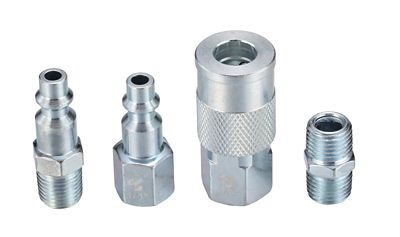
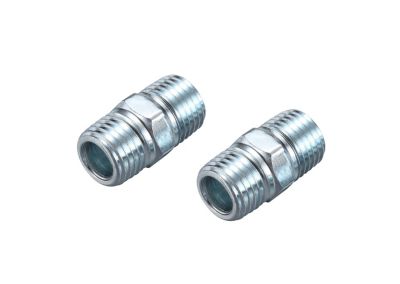
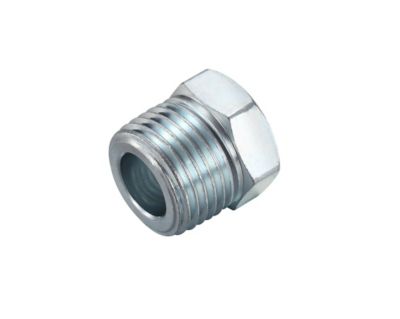
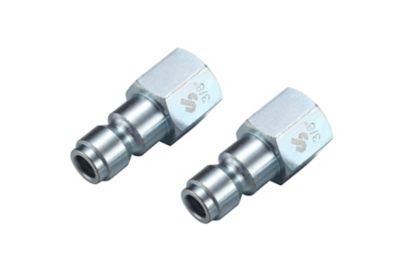
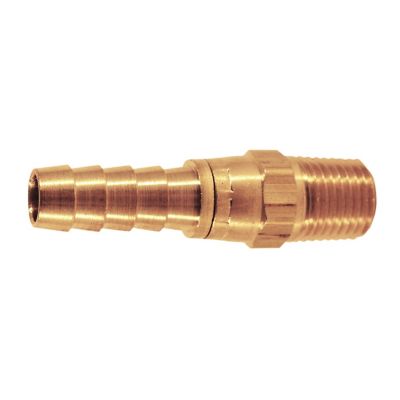
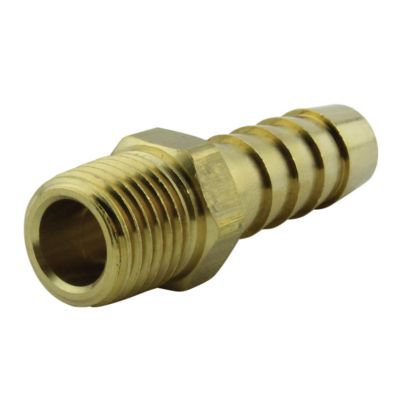
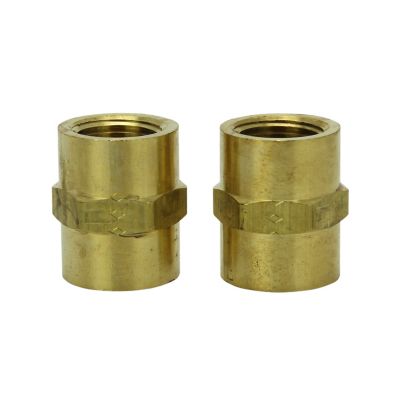
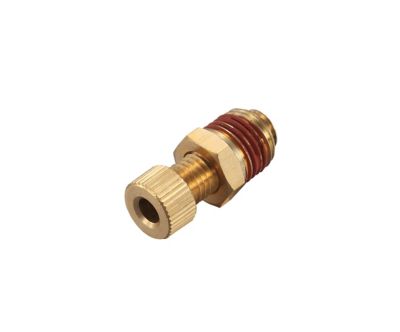
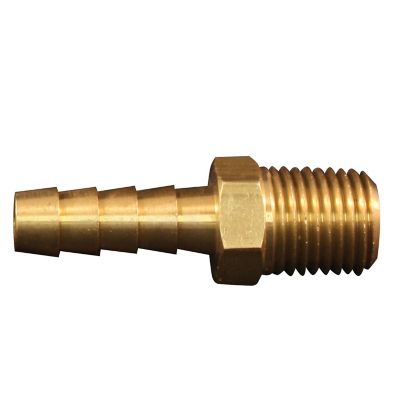
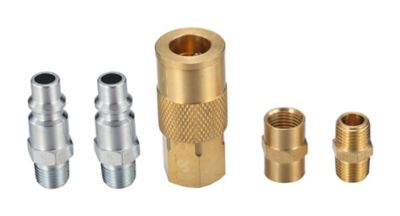
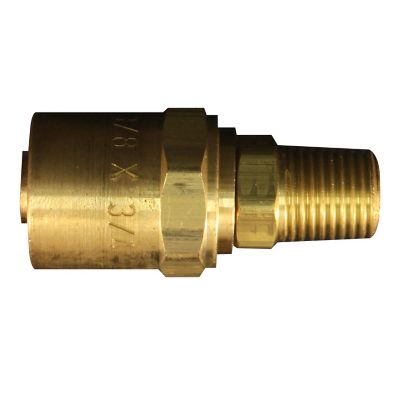
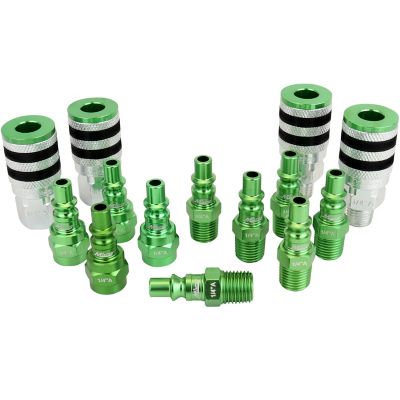
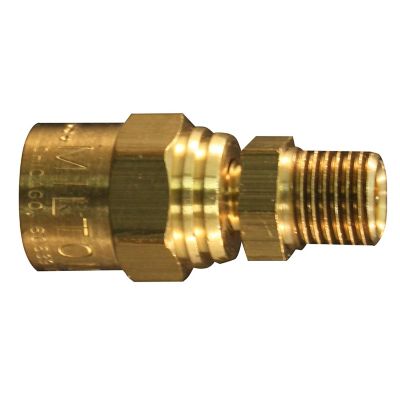
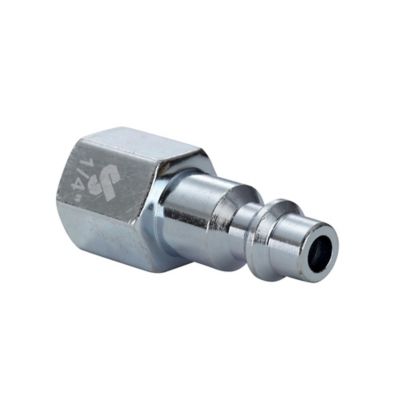
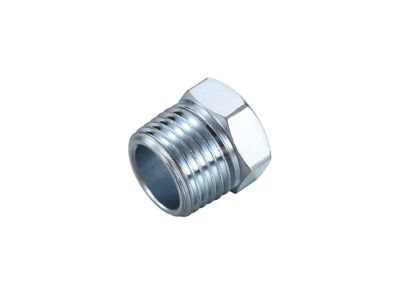
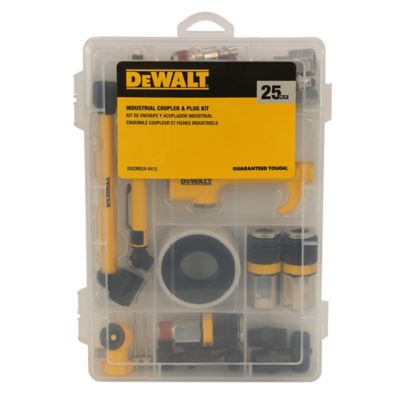
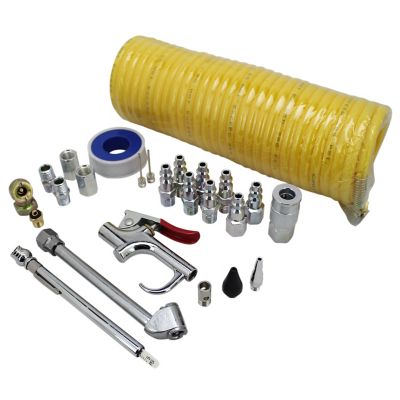
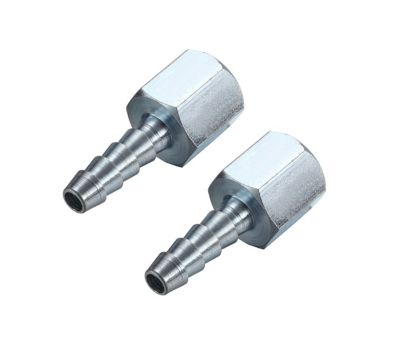
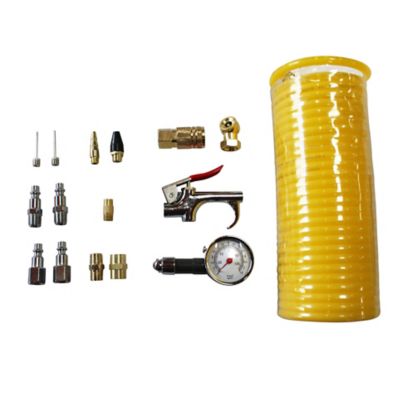
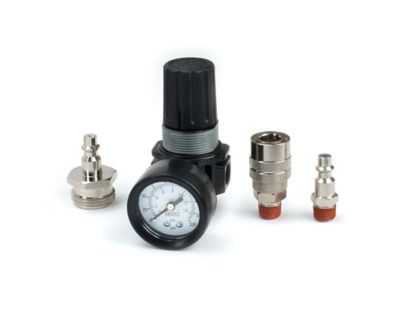
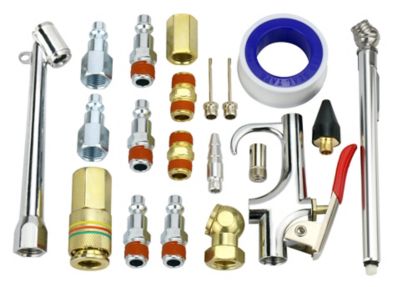
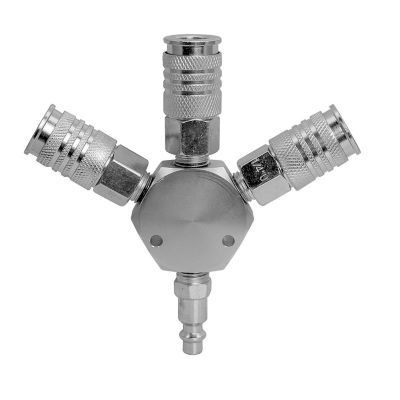
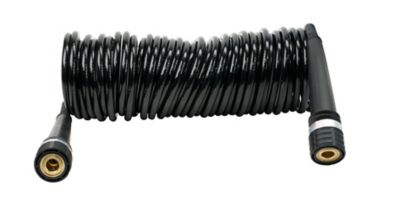
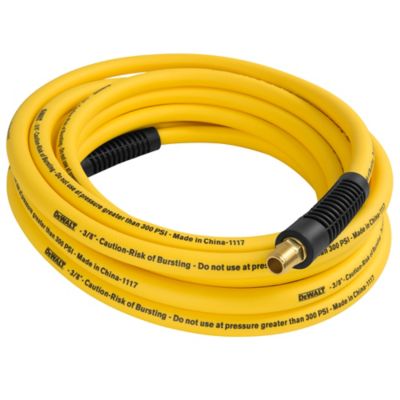
Compressed air hose fittings connect air hoses to compressors, air lines and pneumatic tools, creating the joints that carry pressurized air through a working setup. They include quick-connect couplers, matching plugs, threaded adapters and hose-end connections, each with a different job. A coupler holds a compatible plug in place and allows tools or hoses to disconnect without unthreading the connection every time. Threaded adapters join components with different connection sizes or arrangements, while hose-end fittings attach directly to a compatible hose. Around a farm shop, garage or repair bench, these small parts help keep everything from tire inflation equipment to impact wrenches connected and ready for work. The right fit starts with more than a connection that looks close. Thread size, thread type, plug profile and pressure rating all matter, and matching one does not automatically mean the others match. For example, a 1/4-inch pipe thread describes the threaded connection, not necessarily the hose’s inside diameter or the fitting’s airflow passage. Likewise, industrial and automotive quick-connect profiles can look similar without being interchangeable. A plug should match the profile specified for its coupler rather than depend on a forced fit. The male or female designation describes the threaded end or the plug-and-socket connection, so checking both ends of an adapter helps prevent a mismatch at the compressor or tool inlet. Matching fittings with
Compressed Air Hoses also means checking the hose connection style and the working-pressure limits of every component. The lowest-rated part sets the pressure ceiling for the assembly. For someone moving between a tractor tire, a bench-mounted air line and a pneumatic wrench, compatible connections make those changes less of a chore while helping limit air loss at the joints. That compatibility matters just as much on a small home compressor as it does on a shop system with several hose runs, especially when equipment has accumulated over years of repairs and replacements.
Material and construction affect how a fitting handles everyday shop work. Brass is a common choice for air connections because it resists corrosion and threads smoothly, though it can show damage from hard impacts or rough handling. Steel brings strength to connections that see frequent handling, with plated finishes helping protect exposed surfaces; worn plating, moisture and scratches can still leave steel vulnerable to rust. Stainless steel offers corrosion resistance where damp conditions are a concern, while aluminum can reduce weight at the tool end when its ratings and connection style suit the job. No material makes up for mismatched threads, excessive tightening or a hose pulling sideways on the joint. Wrench flats, a sleeve that is easy to grip and enough clearance around the connection can matter as much as the metal itself when hands are in work gloves or the compressor outlet sits close to a frame. Airflow deserves a look, too. A fitting’s passage can become a restriction even when its threaded size matches the rest of the system. Tools that draw air continuously, such as sanders and grinders, place different demands on connections than a tire chuck that operates in short bursts. Published flow information, when provided by the manufacturer, helps show whether a fitting suits that demand. A larger hose alone cannot remove a bottleneck inside a narrow connector, and a fitting cannot make up for a compressor that lacks the required air delivery. Swivel connections can help a hose follow movement around a workpiece, provided their pressure rating and design fit the application. Elbows can redirect a connection where space is tight, but extra adapters add joints that need attention. A straightforward connection with room for the hose to bend naturally often makes more sense than a stack of adapters hanging off a tool handle. The result is less strain at the inlet and a hose that is easier to manage beside a workbench or under a vehicle.
Care for compressed air hose fittings centers on clean connections, sound seals and relief from unnecessary strain. Dirt caught in a coupler can interfere with its locking parts, while grit on a plug can work against the seal each time the connection goes together. Keeping disconnected ends off the shop floor and covering openings during storage helps keep debris out of the air system. A plug with a dented tip, a coupler sleeve that sticks or threads that no longer engage cleanly deserves attention before the next job. A connection that hisses steadily wastes compressed air and can cause the compressor to cycle more often; leak-check solution can help locate the trouble without guessing. Any inspection or service needs to follow the equipment manufacturer’s directions, with the air supply shut off and pressure released before threaded connections are loosened or fittings are replaced. Pipe-thread sealant belongs only where the connection design calls for it, not on every surface that joins together. Some connections seal with an O-ring or gasket rather than through the threads, and excess tape or compound can enter the air passage. Hose-end connections also need the attachment method specified for that hose and fitting; an improvised clamp arrangement is no substitute for a rated assembly. In a busy shop, keeping one compatible plug profile across everyday tools can simplify swaps and make replacement connections easier to identify. Separate requirements may apply where painting or other air-sensitive work calls for control of moisture, oil or contamination. For farmers maintaining equipment, mechanics turning out repairs and homeowners handling garage projects, the most useful fittings are the ones that suit the actual hose, tool and working pressure. Clear markings, smooth coupler action and connections that sit without twisting the hose all contribute to a setup that feels right in hand. Those details help keep attention on the work instead of a stubborn connection beside the compressor.