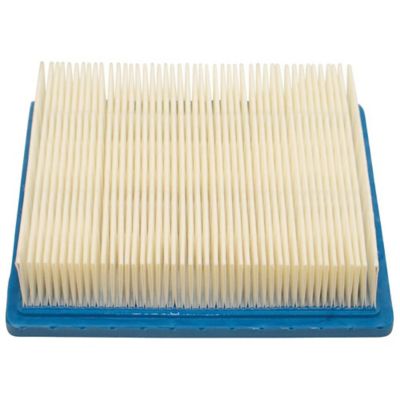
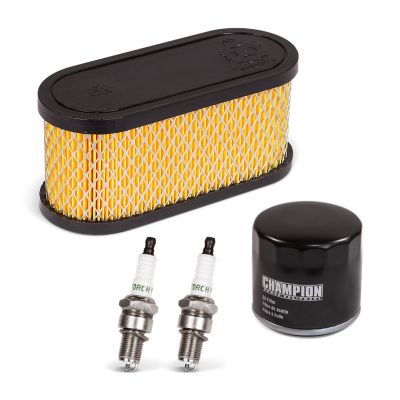
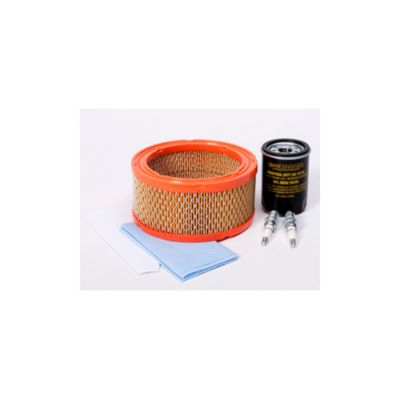
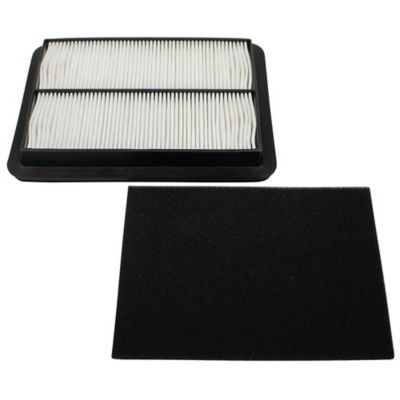
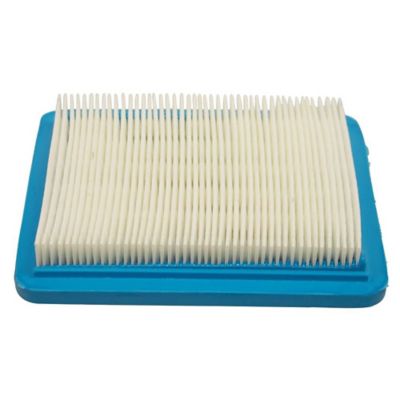
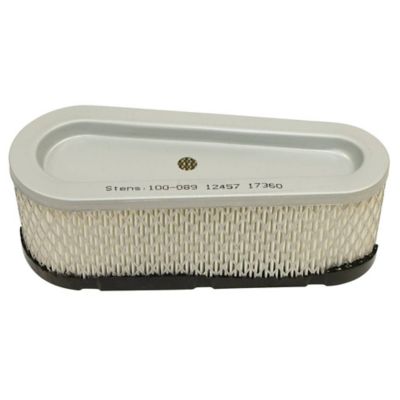
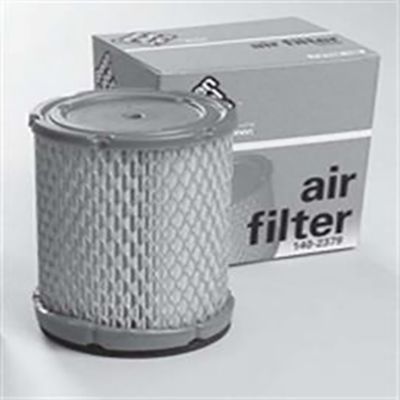
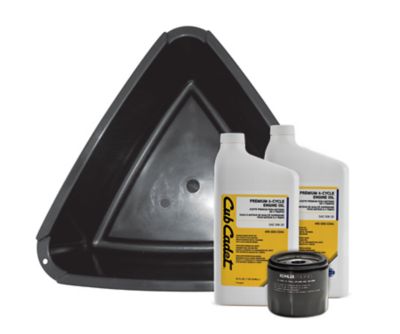
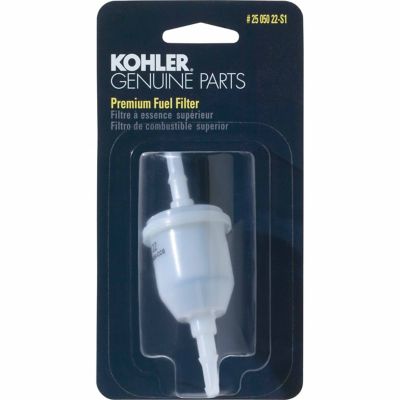
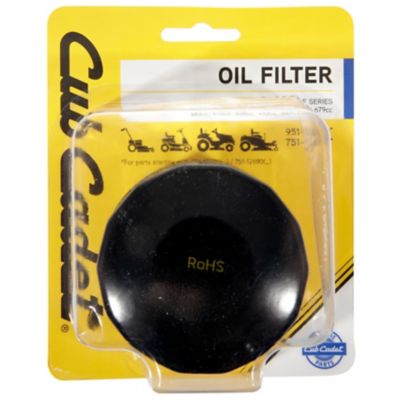
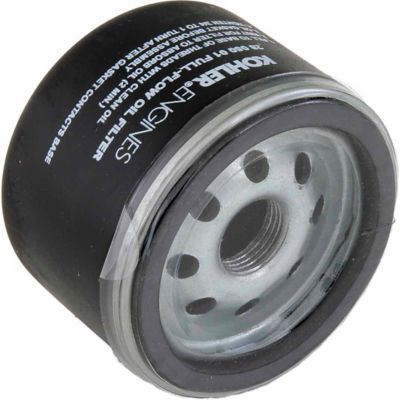
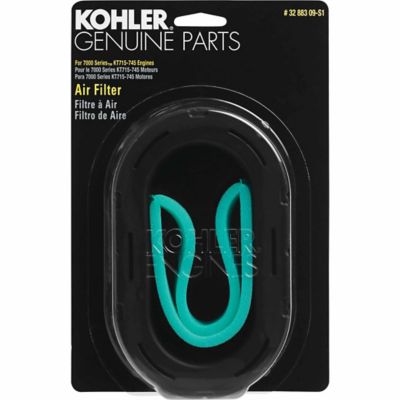
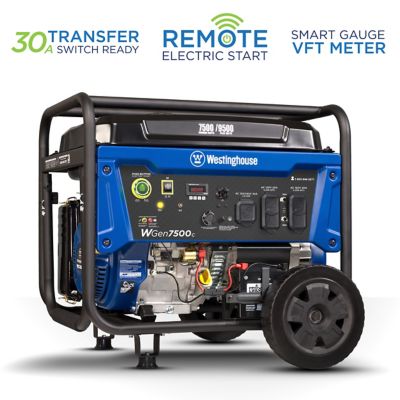
Air filters for generators help keep dust, grass clippings, sawdust, pollen and other grit from getting into the engine, where even a small amount of debris can cause wear over time. A clean filter supports steady airflow, smoother operation and dependable performance when a generator is powering lights, tools, appliances, a well pump or other equipment. This matters on a rural property, where a generator may sit near a gravel drive, a dusty barn, a mowed field or a woodpile and get called into service during an outage or outdoor project. It also matters for portable generators carried to a campsite, hunting cabin, work site or tailgate area. When you shop for a replacement, start with the generator’s exact make, model and engine information, then compare the filter number listed in the owner’s manual or on the old filter. Filters can look nearly identical while differing in height, diameter, sealing edge, pleat depth or mounting style, and the wrong fit may allow unfiltered air to bypass the element. Common replacement air filters for generators may cost roughly $7 to $40, while larger filters for heavy-duty, standby, RV or diesel units can cost more depending on the size and construction. Keeping the old filter, package label or a photo of the identification plate handy can make matching easier, especially when several generators or small engines are maintained around the same property. For anyone setting up a backup power plan, an extra filter is a practical addition to a maintenance shelf and can make a thoughtful gift for a homeowner, camper, farmer, property manager or do-it-yourselfer who depends on dependable equipment. Store spare filters sealed in a clean, dry place away from fuel, oil, moisture and loose shop dust so they are ready when needed.
Filter construction affects both care and replacement. Foam elements are commonly cleaned rather than discarded when they are designed for reuse. Remove the foam according to the manufacturer’s instructions, wash it gently in warm water with mild dish soap, rinse away all soap and let it dry completely before reinstalling. Once dry, a foam filter may call for a few drops of clean engine oil worked evenly through the material; squeeze out excess oil rather than twisting or wringing the foam, which can damage it. Paper and pleated filters should not be washed with water. Moisture can weaken the filter material, and compressed air can tear the pleats or force dirt farther into the element. Instead, inspect paper filters in good light and replace them when they are visibly clogged, crushed, oil-soaked, damp, torn or otherwise damaged. Tapping a paper filter lightly may knock off loose surface dust in an emergency, but it is not a substitute for replacement when dirt is packed into the pleats. Before installing any filter, wipe dust from the air-cleaner housing and check that the cover, gasket and retaining hardware are clean and secure. A filter that is installed crooked or without a proper seal can let unfiltered air into the engine even if the element itself is new. If the generator has been working in a dusty lot, near dry pasture, during harvest cleanup or around construction, inspect it more often than the standard service schedule. A useful routine is to check the air filter before extended use and after about every 100 hours of operation, or sooner in especially dusty conditions. Short inspection habits are easy to fit into the same walk-around used to check fuel, oil, cables and cooling openings.
Generator air filters are part of a bigger maintenance routine, but they are one of the simplest items to inspect and replace. A filter that looks gray and dusty is not automatically finished; the important signs are restricted airflow, deep dirt in the pleats, damage, moisture, oil contamination or a poor seal. If the engine starts hard, surges, loses power under load, smokes unusually or uses more fuel than expected, check the air filter along with the spark plug, fuel system, oil level and other maintenance items listed for that generator. Always shut the generator off, allow hot parts to cool and disconnect it from any load before servicing the air-cleaner assembly. Use the generator outdoors in a well-ventilated area, away from doors, windows and other openings, because engine exhaust contains carbon monoxide. During the warmer part of the year, stored equipment may collect insects, chaff and fine dust, while cooler weather can bring damp conditions that make proper dry storage especially important. Before a storm, a long trip or a busy work season, run through a simple readiness check and keep the correct replacement filter, fresh fuel as appropriate, oil and basic hand tools together. If your property also relies on powered shop equipment, you may find related maintenance supplies in the
Filter For Air Compressors selection. With the right filter matched to the generator, regular inspections and careful installation, your backup power equipment can stay better prepared for quiet nights at the cabin, early mornings in the barn or the next unexpected interruption.