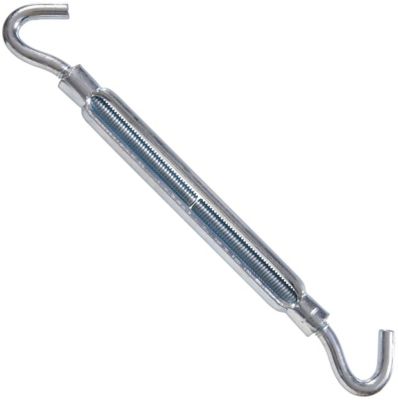
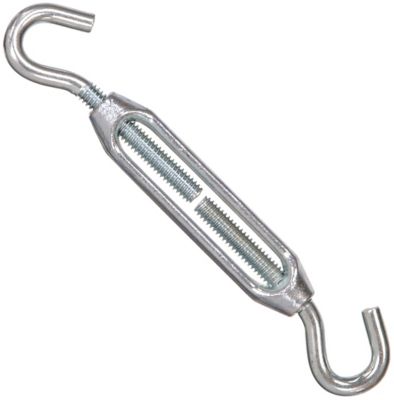
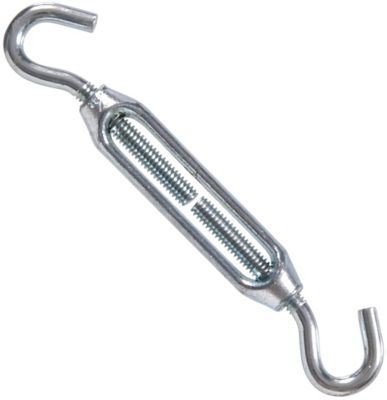
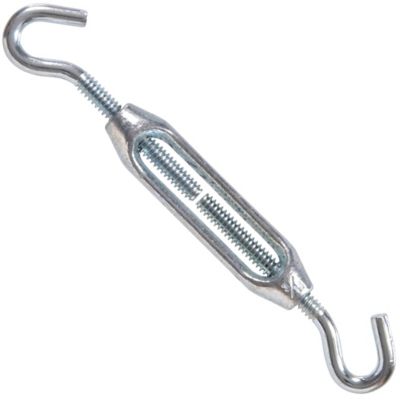
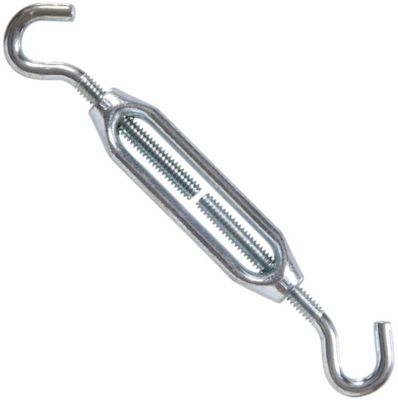
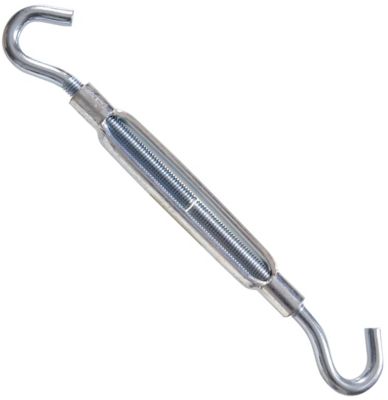
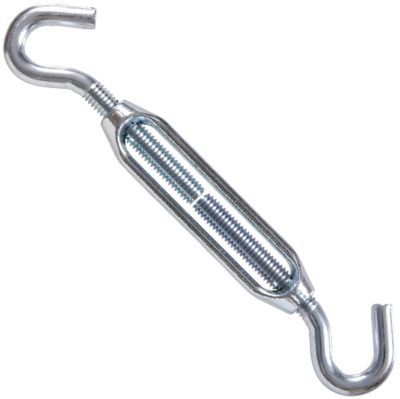
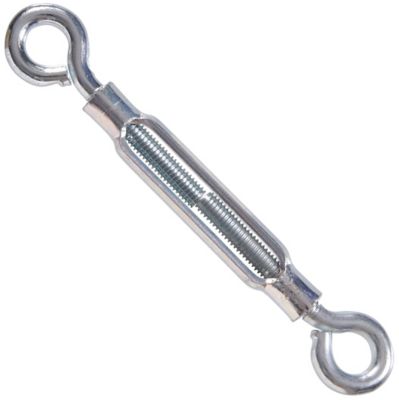
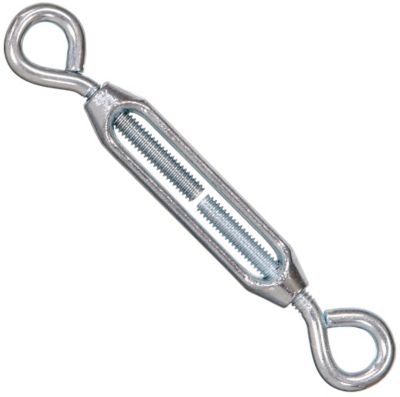
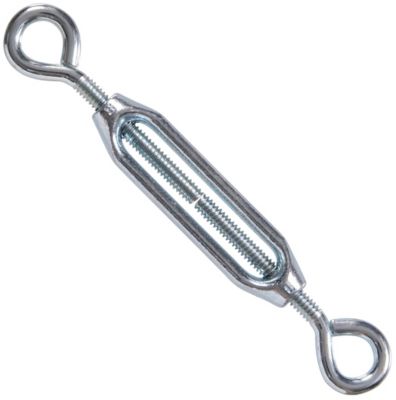
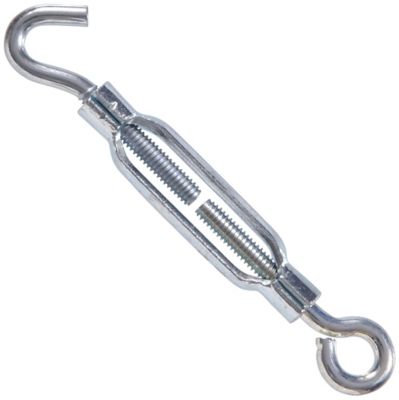
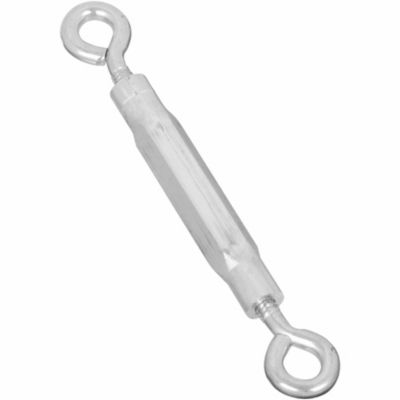
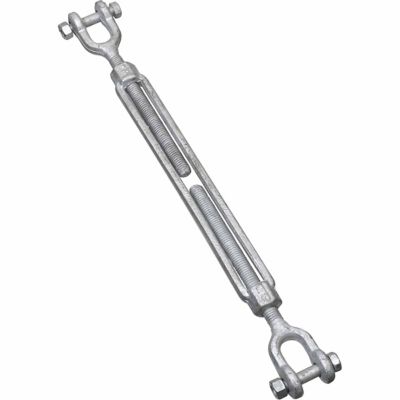
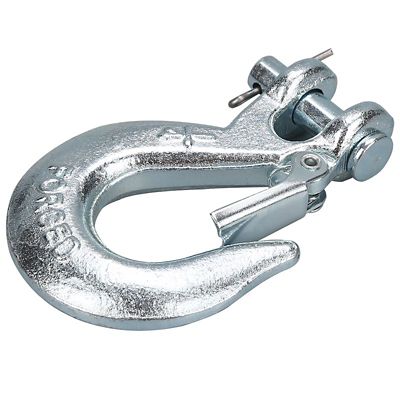
Hook turnbuckles are adjustable tensioning hardware for bringing slack out of ropes, cables, chains, fencing lines, shade structures, and other straight-pull setups. A typical turnbuckle has a threaded center body with a hook at each end, allowing it to connect quickly to eye bolts, rings, chain links, or other anchor points. As the center body turns, opposing threads draw the end fittings inward or push them outward, making it easier to fine-tune tension without cutting, knotting, or shifting the entire line. Hook-and-hook styles are handy when both anchor points accept an open hook, while hook-and-eye or hook-and-jaw arrangements can help when one side calls for a more contained connection. For a fence corner, a gate brace, a temporary shade line, or a stretched cable across a work area, this hardware can make setup and adjustment much more straightforward. Farm owners, ranchers, homeowners, landscapers, and maintenance crews may all keep several sizes on hand because the right fit can save time when a line loosens after wind, rain, temperature changes, or routine settling. During the cooler months, turnbuckles can also help maintain tension on outdoor lines that face changing weather, though every installation should be checked after strong wind or heavy precipitation. When shopping for hook turnbuckles, start with the job rather than the appearance. Consider the line material, the distance between anchor points, the amount of slack that needs to be taken up, and the force that will be placed on the assembly. The turnbuckle should match or exceed the working load limit needed for the setup, and the hooks, threaded body, anchors, and connected line should all be evaluated as part of one system. A stronger-looking turnbuckle does not make an undersized anchor or worn cable suitable for a demanding pull.
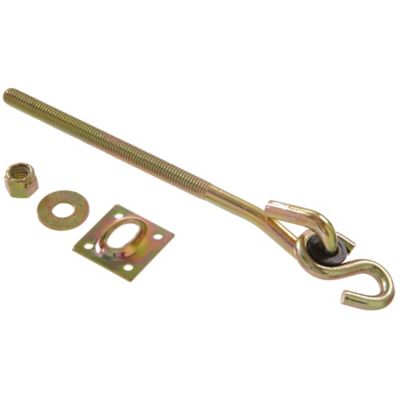
Material and finish matter when hardware will spend time outdoors. Galvanized steel offers a protective coating suited to many farm, ranch, fencing, and general maintenance jobs, while stainless steel may be a better fit where moisture, salt air, or frequent washing is part of the environment. Keep in mind that corrosion protection does not remove the need for inspection. Look over the threads for flattened sections, binding, deep rust, or grit that keeps the body from turning smoothly. Check each hook for bending, spreading, sharp nicks, and signs that the metal has been overloaded. The open shape of a hook makes quick attachment convenient, but it also means the hook can slip free if tension drops suddenly or the line shifts out of alignment. For that reason, hook turnbuckles are intended for in-line tensioning and should not be treated as overhead lifting hardware. They are a practical choice for straight pulls, yet they are not a substitute for lifting connectors, fall-protection equipment, or hardware specifically designed to hold a suspended load. Before tensioning, line up the turnbuckle with the pull so the force travels through the center of the assembly. Side loading can place extra stress on the threads and hooks, while a sharply angled connection may twist or bend the hardware. Leave enough thread engaged in the body for a firm connection, and avoid running the turnbuckle all the way open or closed when the installation calls for future adjustment. If the span is long, plan for a way to support the cable or rope so the turnbuckle is not carrying more strain than intended. For play-set maintenance or backyard projects, shoppers may also find related connection hardware in
Swing Hook Kits, though the right selection always depends on the specific structure and load requirements.
A well-planned setup begins with anchor points that will stay put. Fence posts should be firmly set, eye bolts should pass through suitable material with proper backing when needed, and cable or chain should be sized for the same working conditions as the turnbuckle. Hook turnbuckles are especially useful when a line needs occasional adjustment, such as a gate brace that shifts as the ground settles, a wire run that relaxes after installation, or a shade line that needs to be tightened after seasonal weather changes. They can also help with temporary layouts around a barn, garden, livestock area, or work site, provided the hardware is protected from vehicle traffic, animal contact, and accidental snags. Before putting tension on the line, make sure each hook is fully seated and facing in a direction that will not let it roll out. Turn the center body gradually, alternating checks along the line instead of forcing one connection until it feels tight. Excess tension can damage anchors, pull posts out of position, or put unnecessary strain on the cable. After the first setup, inspect the assembly again after a short period of settling and continue checking it as part of regular property maintenance. Keep the threads free of mud and packed debris, and follow the care guidance for the selected material and finish. Store spare turnbuckles in a dry place where the hooks will not catch on other hardware. Whether the project is a small backyard repair or a larger farm task, choosing the right hook configuration, size, material, and working load limit helps create a neat, adjustable connection that is easier to maintain through changing conditions.