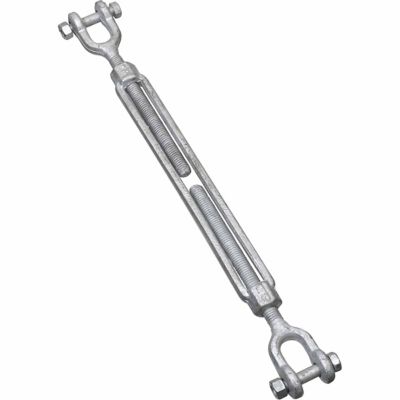
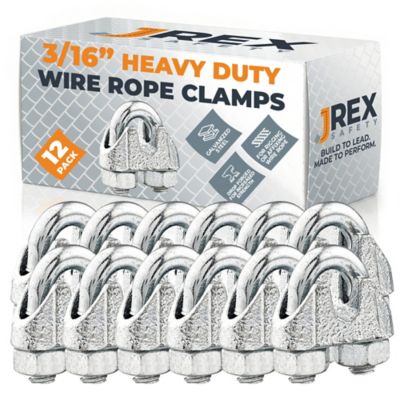
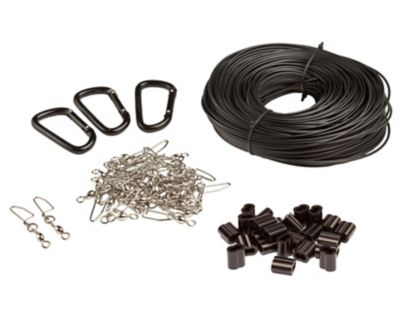
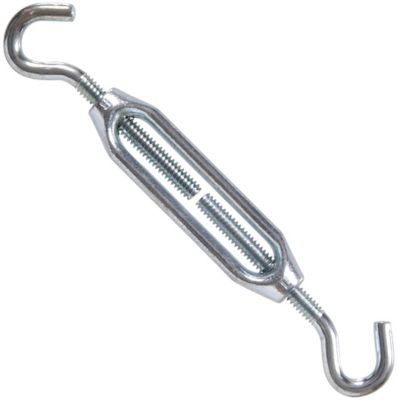
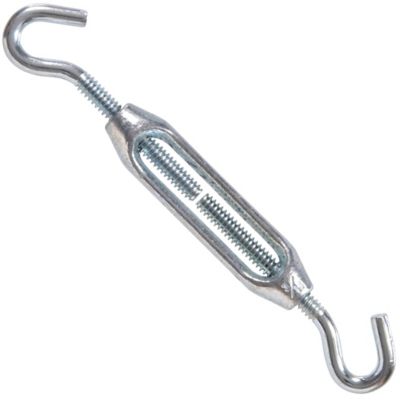
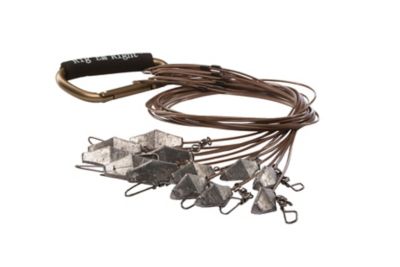
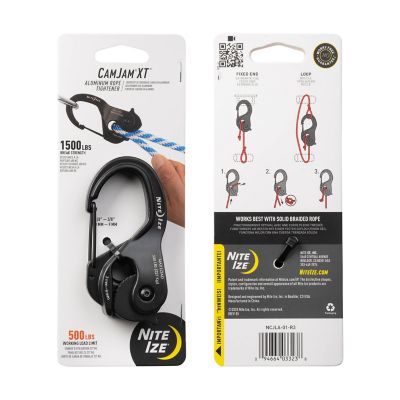
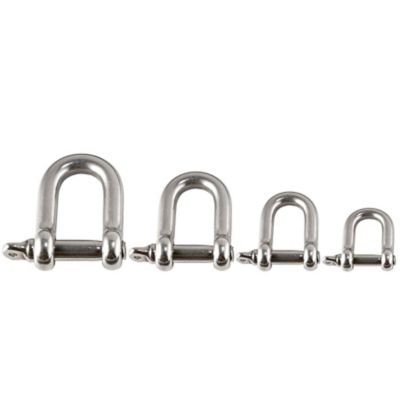
Rigging hardware is the group of components that connect, adjust, tension, and secure rope, cable, or chain for lifting, hoisting, and anchoring. It links the line to the load or anchor point and transfers force through the setup. Around a farm or shop, that could mean raising a mower deck onto a work stand or holding tension on a fixed cable across an equipment bay. Both jobs put force on the connections, but only the first puts a load in the air. Hardware meant to hold a line in place isn’t necessarily rated to lift anything overhead. For lifting, the working load limit, often marked WLL, is the maximum load a component is rated to handle under its specified conditions. It’s not the same as breaking strength, and a rating on one piece doesn’t tell the whole story. The line, connections, and attachment points all have to be suited to the job, and the setup is limited by its lowest allowable capacity in that arrangement. Direction matters, too. A connection rated for a straight pull may not handle the same force from the side, and a wide angle between lifting lines can put more tension on each line than the weight of the load might suggest. A shop motor is a good example of why the weight on paper is only part of the picture. If most of that weight sits toward one end, the motor can tilt as it clears the bench, changing how the force is shared. A sudden tug or abrupt stop can also put more force on the connections than a steady lift. That’s why farmers, mechanics, and maintenance crews look at what a connection needs to do throughout the move, not just how much the load weighs while it’s sitting still.
Fit comes down to more than whether the pieces go together. Rope diameter, chain size and grade, the shape of the attachment point, and the room around it all matter. A connection can look about right from across the shop and still sit crooked when it’s fitted into a narrow mounting point. Where a connection is meant to pivot, it needs enough clearance to line up with the pull rather than bind against a bracket or frame. Where it meets rope or cable, the contact surfaces need to suit the line so it can seat as intended without getting pinched or bent too sharply. That’s especially worth checking on a repair, when a replacement can look like a match but have different dimensions, markings, or limits. Material and finish make a difference as well. Carbon steel and alloy steel are common where strength is a priority, while zinc coatings can help protect steel from corrosion. Stainless steel is often chosen around washdown areas or near saltwater, where corrosion is a recurring concern. None of those descriptions tells how much a piece can handle on its own. Two steel connections that look nearly alike can carry different ratings, and a bright finish doesn’t show whether the piece is suited to overhead lifting. Markings and manufacturer specifications give a clearer picture of intended use, compatible line sizes, and any limits on how force can be applied. For the fastening and mounting work that often goes along with a shop or property project,
Heavy Duty Hardware covers a broader range of connections. General fastening hardware and load-rated rigging serve different purposes, even when they sit only a few inches apart on the same frame.
How well rigging hardware holds up depends in part on what happens between jobs. Grit carried in from the equipment yard can collect in threads and moving parts, and residue from a washdown bay can hide corrosion around a contact point. Dirt can also cover the markings that identify the rating. Cleaning and storage practices that follow the manufacturer’s directions make it easier to see the condition of a connection the next time it goes to work. A dry, designated spot off the shop floor helps keep lifting hardware separate from general fastening parts and cuts down on the time spent sorting through pieces that look alike. The wear worth noticing is often right where the load bears: a groove worn into a once-rounded surface, a bend where two parts should line up, or a rough spot where the line seats. Cracks, stretched openings, damaged threads, and parts that no longer close or move as designed are reasons to take a piece out of service. If a rating can’t be verified, appearance alone isn’t enough to put that piece back into a lifting setup. Permanent tension connections deserve attention as well. A fixed line may look the same from across the barn even as wear or corrosion develops where it meets the anchor. The demands are different on a connection that goes back into the cabinet after every lift and one that stays under tension day after day. In either case, the best fit is hardware with a clear rating for the job, a solid match to the line and attachment point, and a material suited to what it will come in contact with.