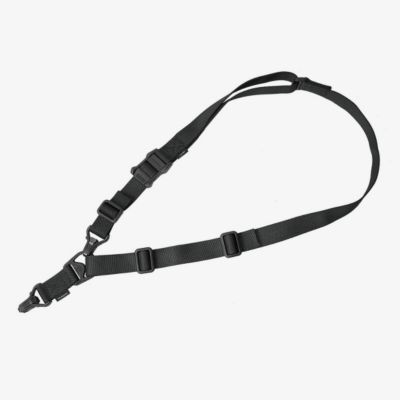
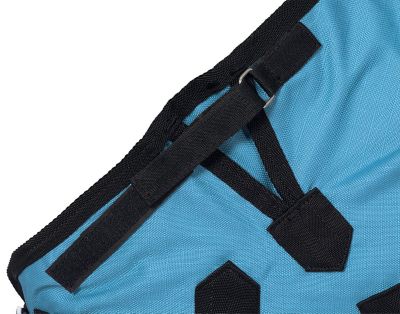
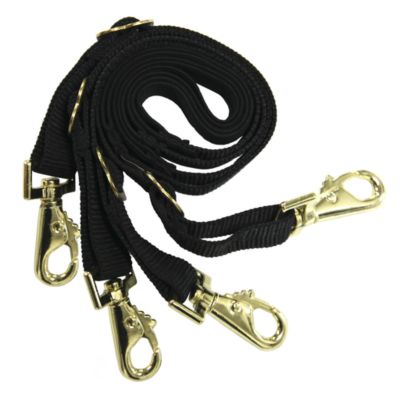
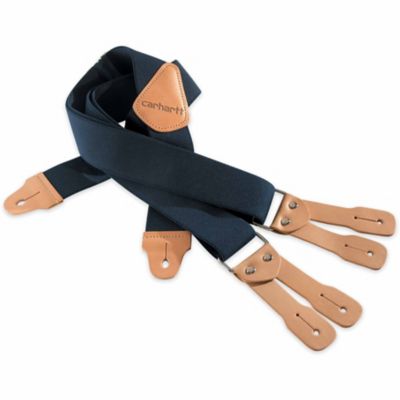
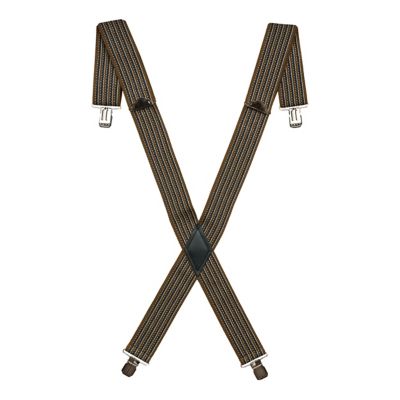
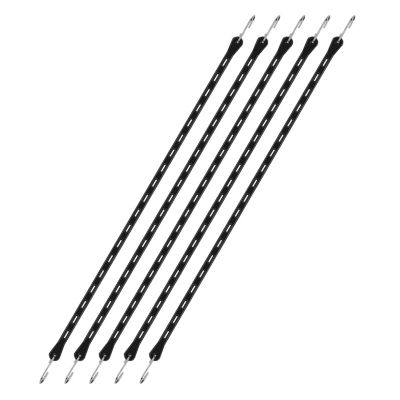
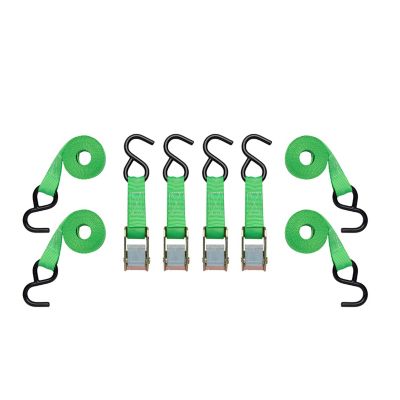
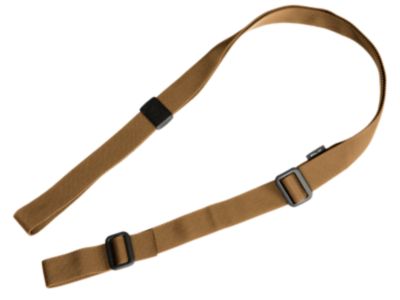
Adjustable straps are handy pieces of gear for keeping everyday loads close, organized and secure. They are made from materials such as nylon webbing, cotton, polyester or hook-and-loop fabric, with the right choice depending on the job at hand. A strap with a sliding buckle or tri-glide ring can be lengthened or shortened to fit different people, bags and bundles, while a strap with a clasp, ring or buckle can make it easier to attach gear where it belongs. You may see adjustable straps used as replacement purse or crossbody handles, utility straps for luggage and outdoor equipment, tie-down style straps for light loads, or reusable cinch straps for cords and rolled-up items. The best option starts with knowing what you need to hold and where the strap will be used. A soft cotton strap may feel comfortable against clothing and work well for a handbag, while tightly woven nylon or polyester is often a better fit for equipment that sees more rubbing, dirt or moisture. Check the strap width, overall length and adjustment range so it will fit the loops, rings or attachment points on your gear. A strap that is too narrow may not feel balanced under a heavier load, and one that is too short may not leave enough room for a comfortable crossbody fit or a secure wrap around a bundle. Pay attention to the hardware, too. Metal or reinforced plastic buckles can offer dependable everyday service, while swivel clasps are useful when an attached strap needs to turn without twisting. For simple organization around the barn, workshop or truck, hook-and-loop cinch straps are easy to open, adjust and reuse without cutting disposable ties.
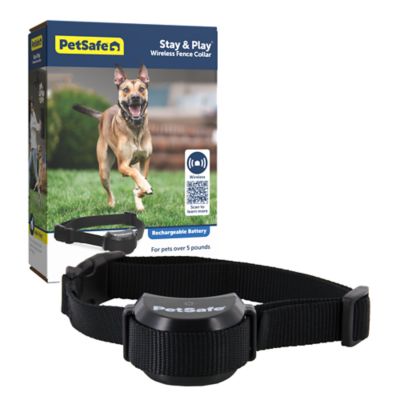
A good adjustable strap earns its keep in all kinds of places. A rancher may use one to gather a rolled gate panel guide, keep a coil of extension cord from spilling across the truck bed, or hold a rain jacket and small blanket together behind the seat. Campers and hunters often appreciate straps that make it easier to carry sleeping gear, chairs, mats or bags over uneven ground. Around the house, an adjustable strap can help keep a yoga mat rolled, bundle garden stakes, secure a folded tarp or replace a tired handle on a favorite bag. Parents, students and commuters may use crossbody straps to set a comfortable carrying height, while travelers can use utility straps to keep luggage handles together or hold loose gear in place during the trip. An adjustable strap can also make a thoughtful, practical gift for someone who spends time outdoors, works with tools, travels often or enjoys repairing and customizing bags. For a dog owner, the same general idea applies to choosing an
Adjustable Dog Collar that can be fitted as needed for comfort and a secure everyday fit. During the cooler months, straps are useful for bundling blankets, coats, camping layers and firewood kindling, while changing weather can make a dependable way to organize tarps, covers and equipment especially welcome. Keep in mind that an adjustable strap is not automatically a certified lifting sling, fall-protection device or heavy-load tie-down. Unless the packaging clearly gives a working load limit and approved use, stick with light-duty organizing, carrying and bundling jobs. Never rely on a general-purpose strap to restrain livestock, secure a person or support a load overhead.
When choosing among adjustable straps, look closely at how the strap is built and how the adjustment works. A tri-glide buckle lets the webbing pass over and under a center bar, creating friction that helps hold the chosen length. On a bag or replacement handle, one end may be stitched around a ring or clasp while the loose end travels through the adjuster, allowing the wearer to fine-tune the drop or crossbody length. D-rings and swivel clasps can provide attachment points, but they should match the strap width and the weight of the item being carried. For do-it-yourself repairs or custom projects, measure the existing strap before ordering and compare the hardware opening with the webbing width; even a small mismatch can make threading difficult or leave the strap sitting crooked. Sewn ends should have neat, secure stitching, and webbing should not show frayed edges, crushed fibers or pulled threads. If a strap will ride against clothing, look for smooth edges and a flexible feel. If it will be handled with work gloves, a larger buckle or easy-grip closure may be more convenient. Before each use, give the strap, stitching and hardware a quick once-over for cuts, stretching, rust, bent parts or loose seams. Keep abrasive grit out of moving buckles, clean muddy webbing according to the care instructions, and let damp straps dry fully before storing them in a tack room, shed or truck box. With the right width, material, length and hardware, adjustable straps offer a simple way to make gear fit better and stay in order, whether the job is a repaired bag handle, a neatly bundled cord or a load of outdoor equipment ready for the next trip.