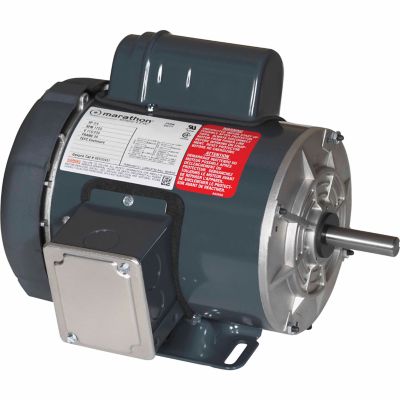
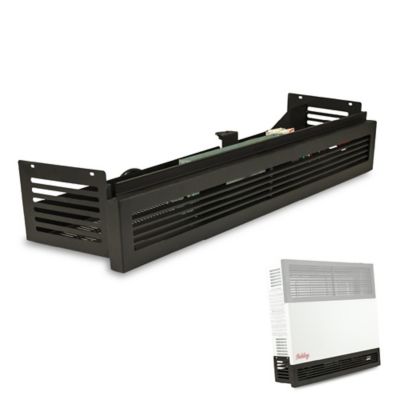
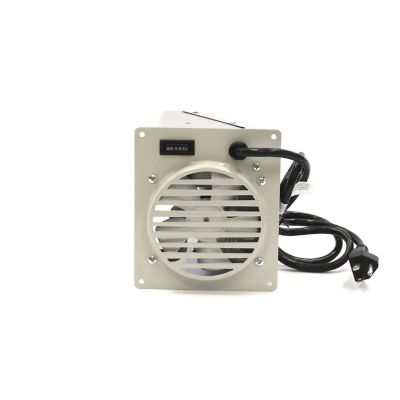
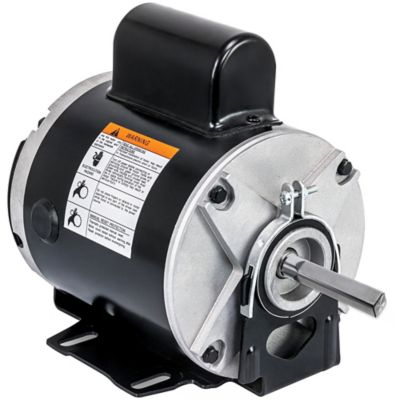
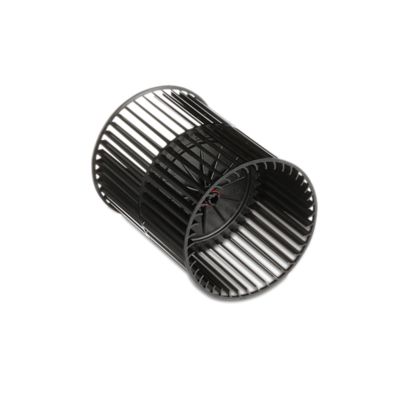
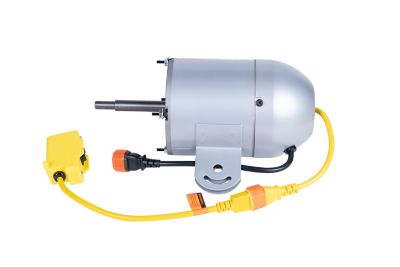
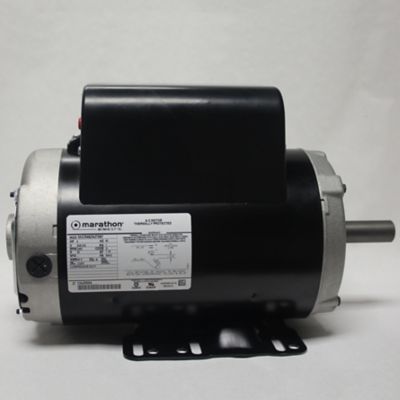
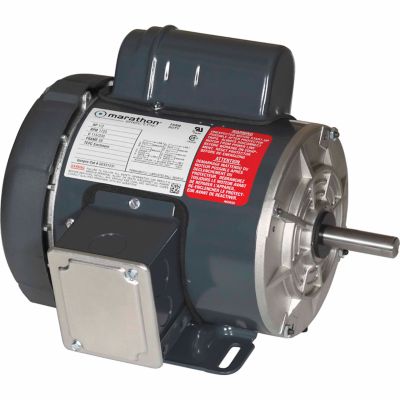
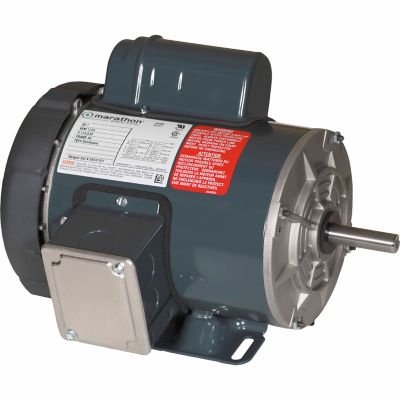
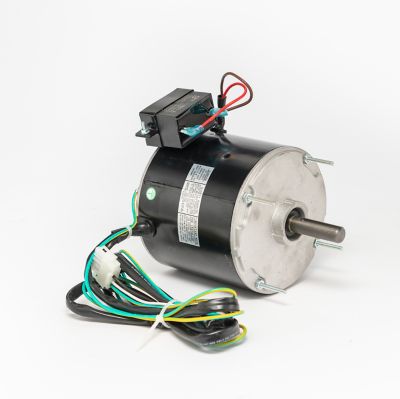
Replacement blower motors power the wheels that move air through furnaces, air handlers, ventilation equipment, and other blower assemblies. In a home, shop, or farm office, that airflow helps carry conditioned air through ductwork and into the spaces where people live and work. The motor supplies the rotation, while the blower wheel and housing direct the air; all three need to work together for the equipment to perform as intended. A replacement motor belongs in equipment built for its electrical and mechanical specifications, so matching the application matters more than choosing a motor that simply looks close. Residential furnace blower motors commonly fall between 1/4 and 1 horsepower, but the equipment label and service documentation—not the size of the building alone—determine the correct rating. Too much horsepower is not an automatic improvement, and a motor with too little capacity may struggle to drive the intended load. Weak airflow, squealing, grinding, repeated shutdowns, or a blower that will not start can point toward a motor problem. Those symptoms can also come from a restricted filter, a dirty blower wheel, a failed capacitor, loose connections, or a control fault. A service technician’s diagnosis helps separate a failed motor from another problem in the assembly. For a homeowner trying to get air moving through a hallway again, or a maintenance worker looking after several buildings, the goal is the same: restore the equipment’s intended operation without creating a mismatch elsewhere in the system. Blower motors also appear in vehicle heating and air-conditioning systems and certain heating appliances, though those applications often call for different mounting arrangements, electrical connections, and motor designs. A furnace circulating blower, a combustion draft inducer, and a vehicle cabin blower do different jobs and are not interchangeable. The equipment model, original motor information, and replacement documentation provide a firmer starting point than the broad term “blower motor” by itself.
Fit comes down to several details working together. Voltage, phase, horsepower, rated speed, rotation, frame dimensions, shaft size, and mounting style all help establish whether a replacement blower motor belongs in a particular assembly. Two motors can share a horsepower rating while differing in ways that prevent a proper installation. A shaft that is too short may not engage the blower wheel correctly, while the wrong mounting arrangement can leave the motor out of position inside the housing. Shaft diameter, any flat on the shaft, and the wheel’s attachment method also matter. Rotation deserves a careful check because clockwise and counterclockwise descriptions depend on the viewing end specified by the manufacturer. Some motors allow rotation changes according to their wiring instructions; others do not. Direct-drive equipment places the blower wheel on the motor shaft, while belt-drive equipment introduces pulley alignment, belt specifications, and shaft loading into the fit requirements. Electrical design is another major distinction. Permanent split capacitor, or PSC, blower motors operate with a specified run capacitor and may provide multiple speed taps for different operating settings. Electronically commutated motors, often called ECMs, rely on electronic controls and may support variable-speed or constant-torque operation, depending on their design. An ECM can improve operating efficiency in a compatible system, but it is not automatically a drop-in replacement for a PSC motor. Control signals, programming, wiring harnesses, and equipment requirements must line up. Even among ECM designs, matching horsepower and voltage alone may not be enough. A replacement might consist of a motor, a control module, or a larger assembly, making the included components worth checking against the repair needs. For equipment that moves air with a different arrangement,
Fan Motors provide a related category to explore, with the same attention to application and fit. Whether the job involves a compact utility room or a shop air-handling unit, the right match comes from the full set of specifications rather than a single number on the label.
Construction and operating conditions affect how a replacement blower motor holds up over time. Depending on the design, a motor may include a steel shell, cast end brackets, copper or aluminum windings, and sleeve or ball bearings. Those materials and bearing arrangements serve different operating needs, so no single feature settles whether a motor is suitable for every job. Enclosure style, insulation rating, duty rating, and the manufacturer’s installation requirements give more useful context. An open motor depends on the ventilation its design provides and is not a substitute for equipment rated for exposure to moisture or heavy contamination. Likewise, a general-purpose blower motor should not be assumed suitable for an area with combustible dust or flammable vapors. That distinction matters around farm buildings and workshops, where grain dust, wood shavings, or spray operations may require specially rated equipment. Within an ordinary HVAC installation, service life depends partly on the condition of the surrounding assembly. A wheel loaded with dirt can become unbalanced, worn mounts can let vibration travel through the cabinet, and blocked airflow can push the equipment outside its intended operating conditions. Keeping filters on the equipment’s maintenance schedule and having the blower assembly inspected helps protect more than the motor alone. Bearing care is model-specific: sealed bearings do not call for added oil, while motors with serviceable oil ports require the lubricant and schedule specified by their manufacturer. Replacement work also involves electrical hazards, moving parts, and capacitors that can retain a charge after power is disconnected, making a qualified technician a sensible choice for diagnosis and installation. Proper setup includes confirming wheel clearance, secure mounting, correct wiring, and operation within the equipment’s rated limits. For property owners, repair professionals, and building maintenance crews, these details turn a motor replacement into a repair that fits the whole system. A correctly matched blower motor helps restore steady airflow while working with the housing, controls, and air passages already in place.