Abrasive Blasters
Shop abrasive blasters for removing rust, stripping old paint, and preparing surfaces for a fresh finish. Browse blasting equipment for your shop or farm projects, and compare air requirements, media compatibility, and capacity to find a setup that fits your compressor and the job at hand.

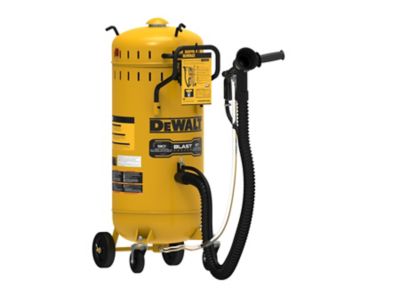
$674
.99
Sale Was $749.99 Save $75.00 (10%)
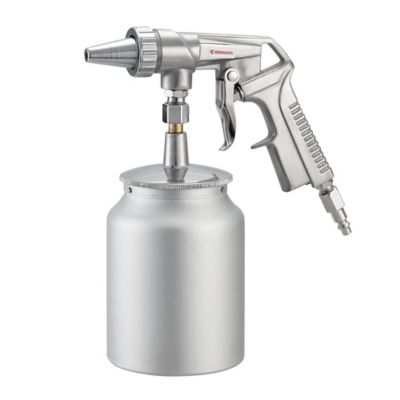

$7,627
.49
Sale Was $8,474.99 Save $847.50 (10%)

$6,436
.79
Sale Was $7,151.99 Save $715.20 (10%)

$5,883
.29
Sale Was $6,536.99 Save $653.70 (10%)
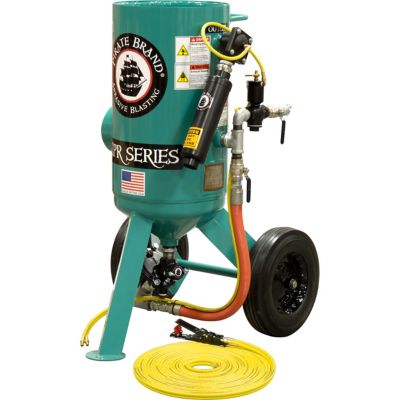
$4,320
.89
Sale Was $4,800.99 Save $480.10 (10%)
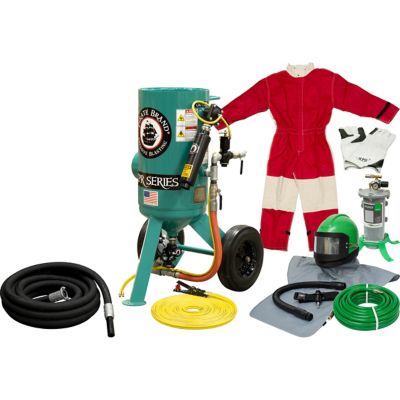
$6,024
.59
Sale Was $6,693.99 Save $669.40 (10%)

$4,230
.89
Sale Was $4,700.99 Save $470.10 (10%)
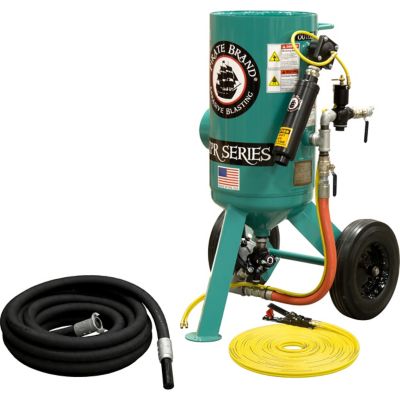
$4,833
.89
Sale Was $5,370.99 Save $537.10 (10%)
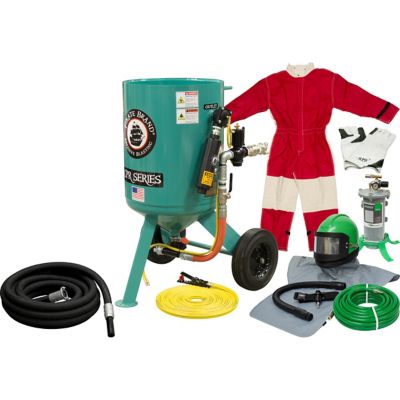
$7,580
.69
Sale Was $8,422.99 Save $842.30 (10%)
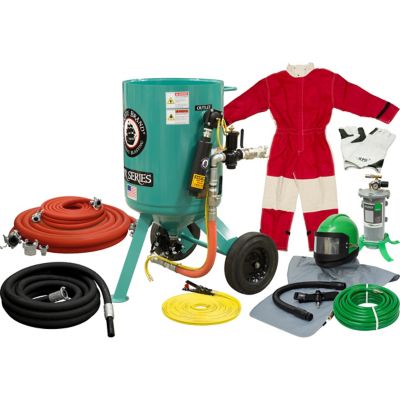
$8,527
.49
Sale Was $9,474.99 Save $947.50 (10%)
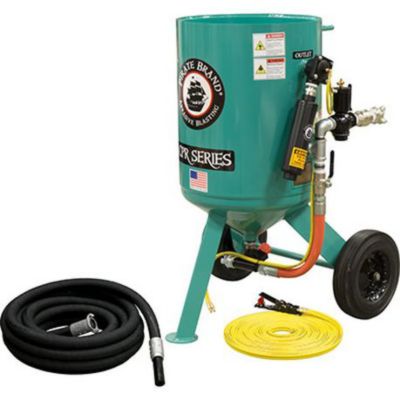
$6,389
.99
Sale Was $7,099.99 Save $710.00 (10%)

$4,922
.99
Sale Was $5,469.99 Save $547.00 (10%)
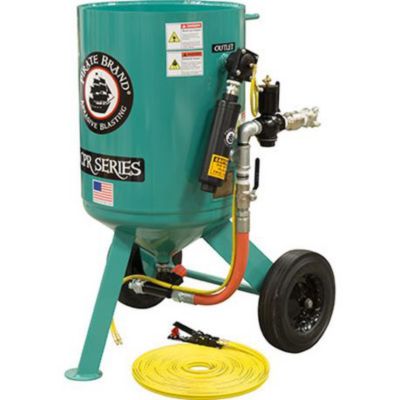
$5,836
.49
Sale Was $6,484.99 Save $648.50 (10%)
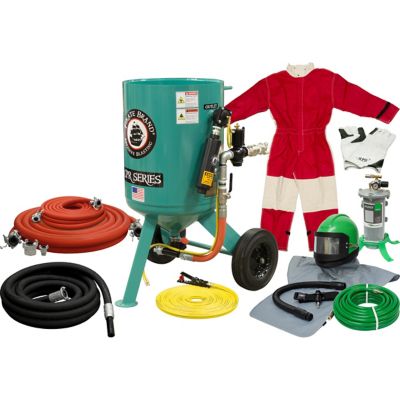
$8,478
.89
Sale Was $9,420.99 Save $942.10 (10%)
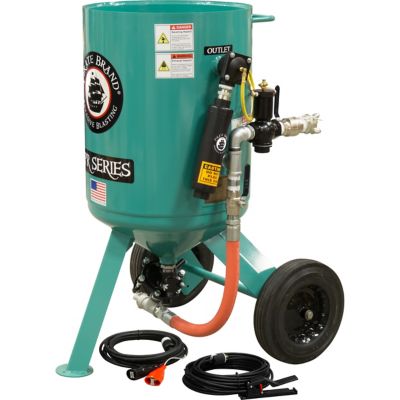
$6,516
.89
Sale Was $7,240.99 Save $724.10 (10%)
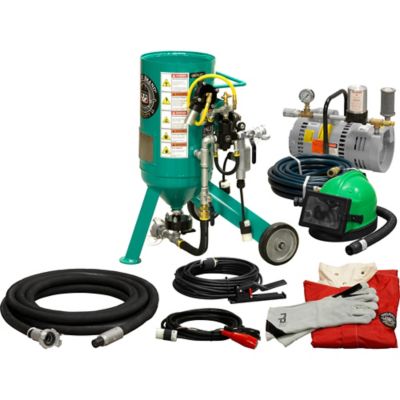
$6,228
.89
Sale Was $6,920.99 Save $692.10 (10%)
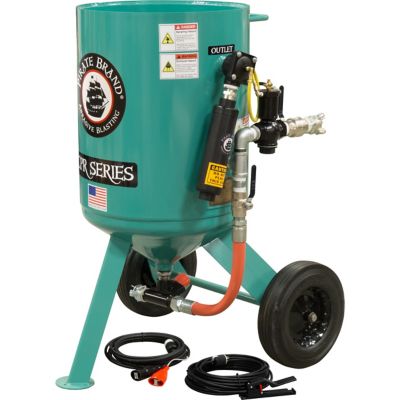
$6,456
.59
Sale Was $7,173.99 Save $717.40 (10%)
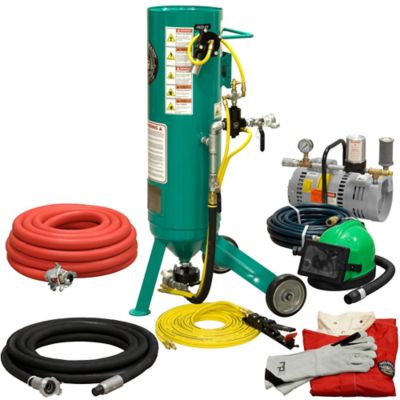
$5,723
.09
Sale Was $6,358.99 Save $635.90 (10%)

$4,902
.29
Sale Was $5,446.99 Save $544.70 (10%)
Best Of FAQ
What are the main parts of an abrasive blaster?
Most abrasive blasters have a media container, hose, blasting gun or valve, and nozzle. The container holds the abrasive, while the hose and nozzle carry and direct the stream. The exact setup depends on the type of blaster.
What's the difference between siphon-feed and pressure-feed abrasive blasters?
A siphon-feed blaster draws abrasive from a separate container into the airflow at the gun. A pressure-feed blaster holds abrasive in a pressurized pot and feeds it into the blast hose. They use different methods to move media through the system.
How does a blast cabinet differ from an open blasting setup?
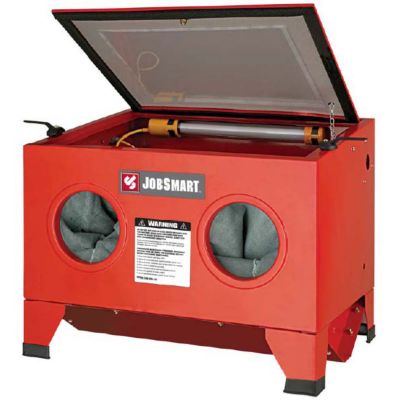
A blast cabinet keeps the workpiece inside an enclosure, with built-in gloves and a viewing window so you can work from outside. An open blasting setup lets you bring the hose and nozzle to the workpiece rather than placing it inside a cabinet.
What role does an air compressor play in abrasive blasting?
In an air-powered abrasive blasting setup, the compressor supplies the airflow that carries media through the nozzle. The blaster stores and meters the abrasive. These are separate jobs, so check whether a blaster requires an external compressor when planning your shop setup.
What routine upkeep does an abrasive blaster need?
Routine upkeep often includes emptying leftover media, checking hoses and seals for wear, and inspecting the nozzle opening. Cabinets may also need viewing-window cleaning and dust-collection maintenance. Follow the equipment manual for cleaning methods and service intervals.
Best Sellers

-
"I love it and makes my work much easier! And everything looks Awesome"
-
"I love the power and maneuverability of this tool. It’s small but powerful"
-
"Great little grinder from a good company. Good customer service too"
-
"I thought the new style would be great but i was wrong.After using it one time all three set screws"
-
"Best Backpack Leaf Blower"