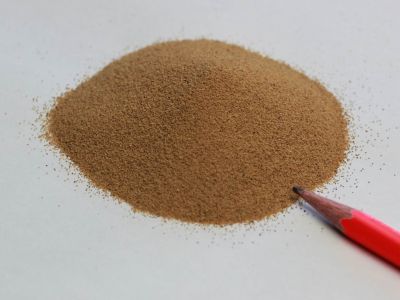
Blasting media are abrasive materials propelled against a surface by compressed air or, in compatible systems, water-assisted equipment to remove rust, strip coatings, clean parts or create a surface profile. Around a farm shop or garage, that can mean getting a tractor bracket ready for paint, taking corrosion off a steel gate hinge or cleaning a mower component before repair. The abrasive does more than knock loose material away: its hardness, shape and particle size affect how quickly it cuts and what it leaves behind. Angular particles generally cut and etch more aggressively, while rounded particles tend to produce a less sharply etched finish. Aluminum oxide is a hard, angular abrasive suited to demanding cleaning and coating-removal work on compatible surfaces. It can also create the textured profile that some primers and protective coatings need to grip. Crushed glass has angular edges that help strip coatings and prepare metal surfaces, with the final texture depending on particle size, pressure and the condition of the base material. Glass beads are rounded and often selected for cleaning and producing a satin finish on metal parts rather than cutting a deep profile. They can provide a light peening effect, though that does not mean every surface will remain unchanged. Steel shot is rounded, while steel grit is angular; both belong in equipment designed to handle their weight and abrasive action. Shot is often selected for cleaning and peening applications, while grit offers stronger cutting action for scale removal and surface preparation. For a heavy steel implement frame, a more aggressive abrasive may make sense. For a machined housing or a part with a finish worth preserving, a gentler approach matters more. Blasting media fit the job best when the abrasive, equipment and intended finish all line up, rather than simply choosing the hardest material.
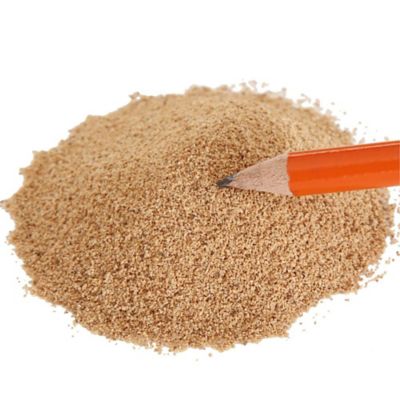
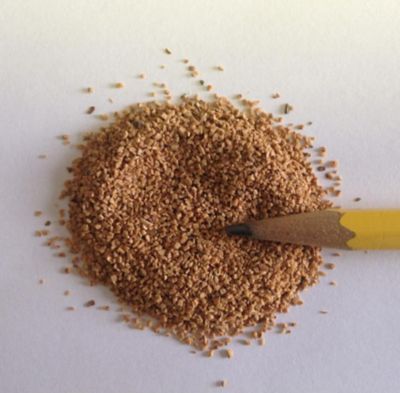
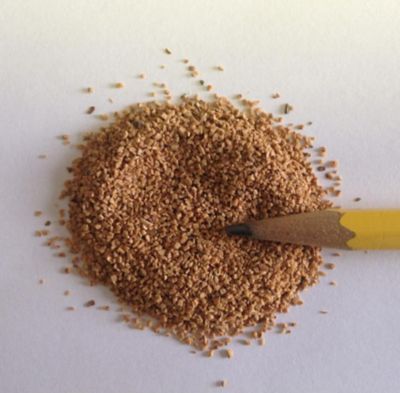
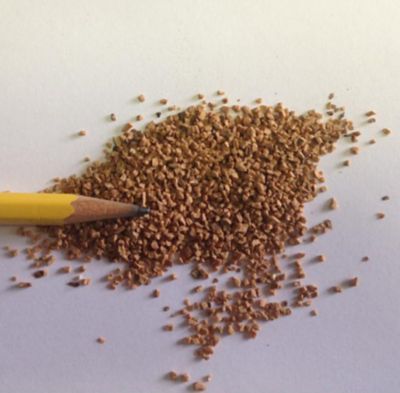
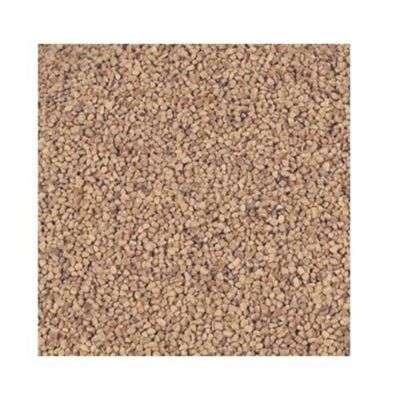
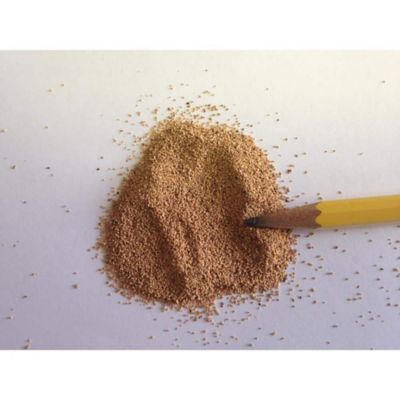
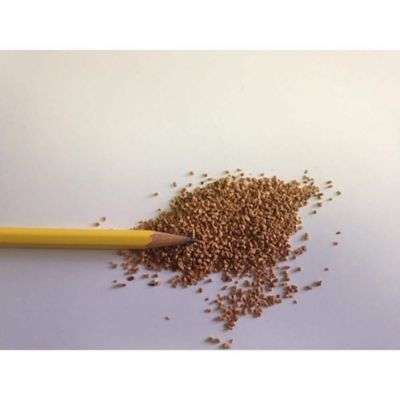
Softer blasting media serve a different purpose, especially when removing surface contamination matters more than digging into the material underneath. Walnut shell and corn cob abrasives are plant-based options often selected for less aggressive cleaning of suitable parts. Their softer cutting action can be helpful on certain wood, plastic and metal surfaces, but coating type, surface condition and equipment settings still determine the result. Natural abrasives are not automatically safe for every delicate piece, and their dust still needs proper control. Sodium bicarbonate, commonly called soda blasting media, is another option for selected cleaning and coating-removal applications where limiting surface alteration is important. Soda generally does not create the anchor profile that many coatings require, and remaining residue can interfere with refinishing unless it is removed according to the coating manufacturer’s directions. It also requires equipment compatible with its flow characteristics; not every abrasive blaster handles soda well. Particle size is another practical distinction across media types. Coarser grades generally leave a more pronounced texture, while finer grades can reach smaller details and produce a finer finish, although abrasive shape and hardness also influence the outcome. Mesh numbers often increase as particles become finer, but grading conventions vary, so the stated particle range and equipment requirements deserve attention. A gate hinge with thick rust calls for different considerations than a thin sheet-metal panel, where excessive pressure or lingering in one spot can cause damage or distortion. A small test area helps show whether a particular abrasive and setup will clean the surface without taking away more material than intended. For painting jobs, the coating’s required surface profile is just as important as a clean appearance. For parts headed back into an engine, pump or gearbox, keeping abrasive out of bearings, threads, passages and sealing surfaces is essential. The right media choice supports the repair without creating another problem to fix.
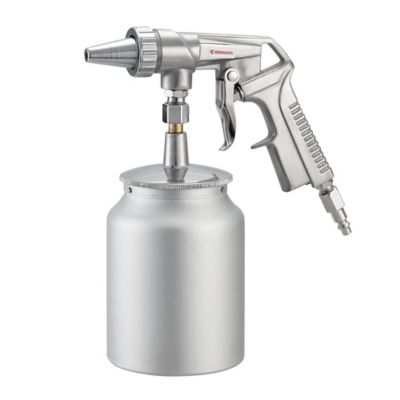
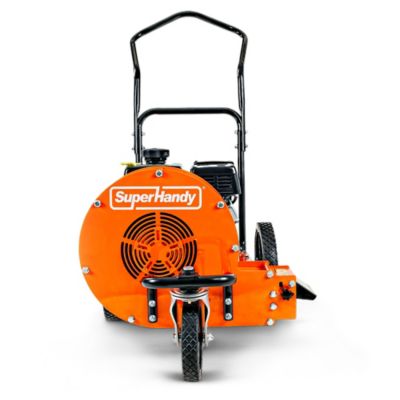
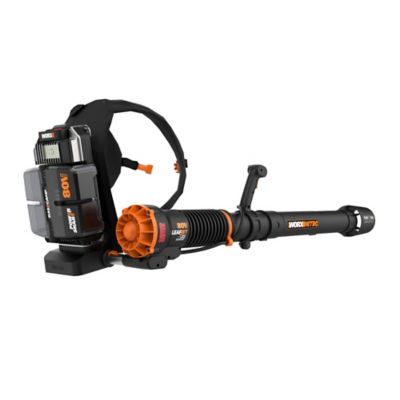
Blasting media also need to suit the equipment and the way the workspace handles abrasive recovery. Cabinet blasting, portable pressure blasting and water-assisted systems have different requirements for particle size, feed rate, moisture tolerance and dust control. A nozzle opening, pickup tube or metering system that cannot handle a particular grade may lead to poor flow, clogging or inconsistent cleaning. Compressor output matters too, since the nozzle needs sufficient airflow at its working pressure. Some abrasives can make repeated passes through a properly equipped recovery system, while others break down quickly or are intended for a single pass. Steel media and aluminum oxide often support recirculation in suitable equipment; glass beads gradually fracture, changing their cutting behavior and increasing fines. Reuse depends on more than whether particles remain visible. Contamination, particle breakdown and the finish requirements of the next job all affect whether an abrasive should stay in circulation. Keeping media dry in closed containers helps prevent clumping and feed trouble, while clear labeling keeps different grades and materials from getting mixed together. Media intended for clean metal finishing should stay separate from abrasive carrying rust, paint fragments or oil. Safety belongs in that same selection process. The abrasive’s safety data sheet, the coating being removed and the base material all matter when assessing airborne hazards. Ordinary sand is not a substitute for purpose-made blasting abrasive, and crystalline silica exposure is a serious concern. Even media with little or no crystalline silica can generate harmful dust or release hazardous material from old coatings. Proper containment, suitable dust collection, eye and hearing protection, and respiratory protection matched to the exposure are part of a sound blasting setup. For separate air-moving tasks away from abrasive dust,
Utility Blowers can have a place around the shop, but they are not a replacement for blasting dust extraction and should not blow settled abrasive dust back into the air. Spent media and coating debris also need disposal appropriate to their contents. Those practical details help keep surface preparation focused on the job at hand, whether that is a cleaner farm-equipment part, a stripped steel frame or a finish ready for its next coating.