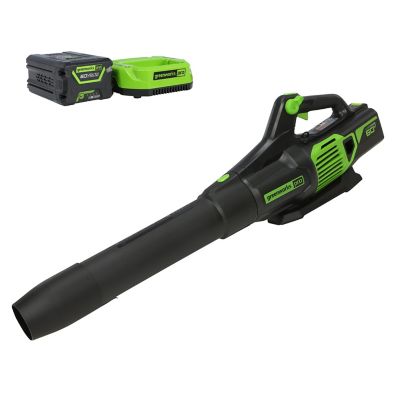
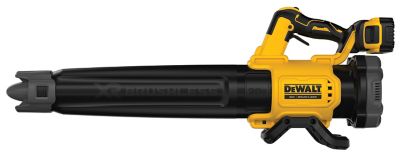
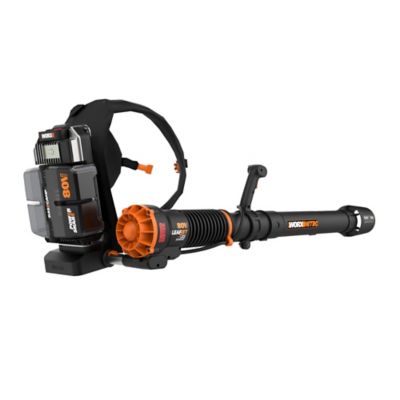
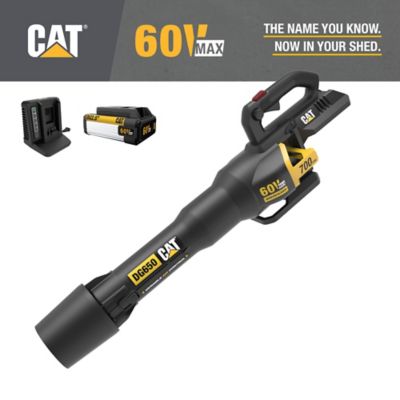
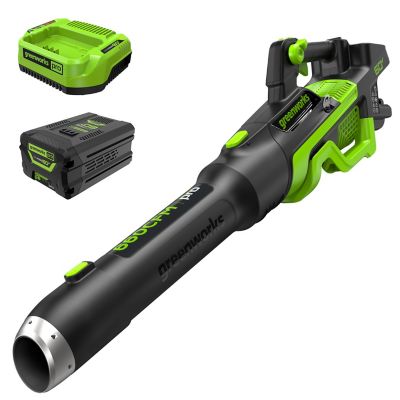
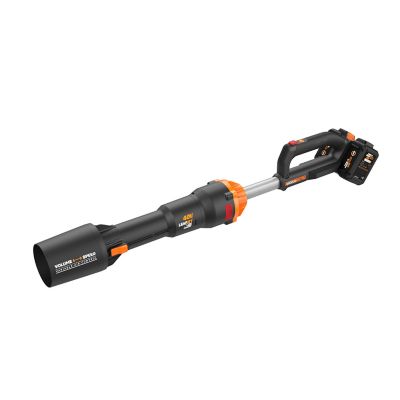
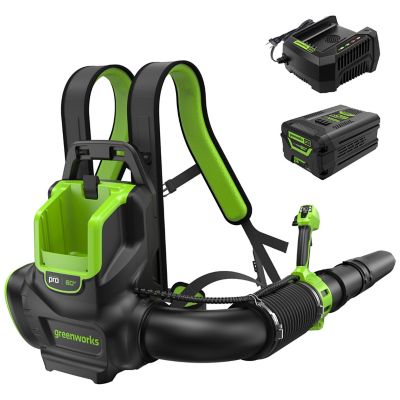
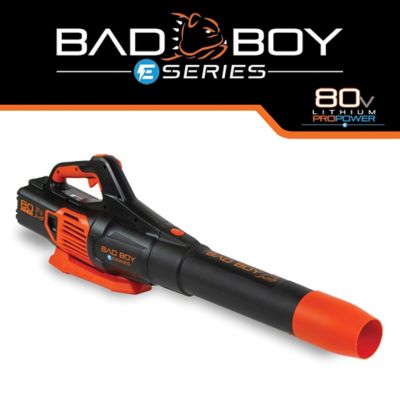
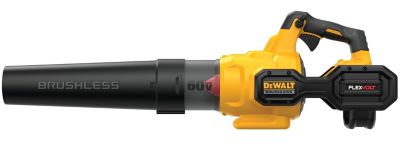
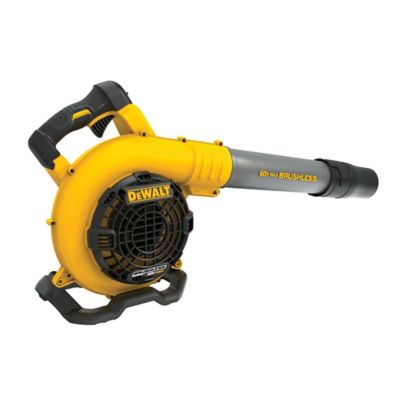
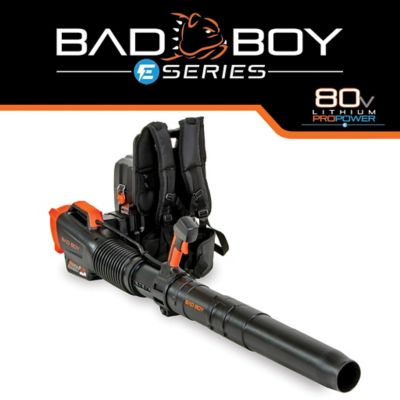
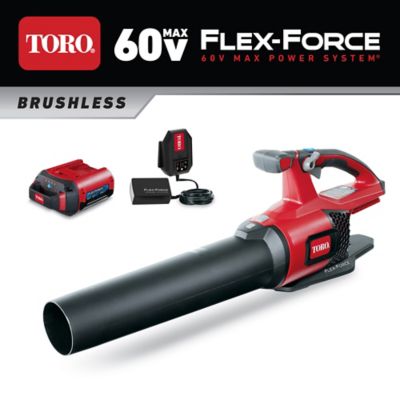
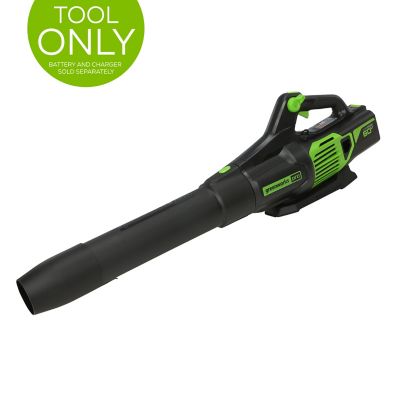
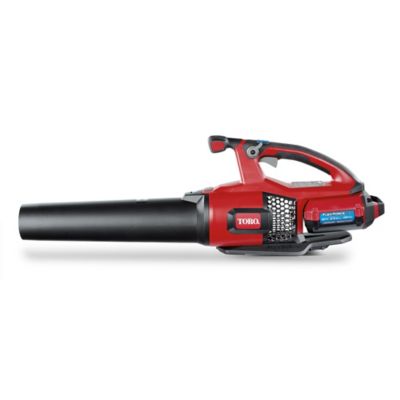
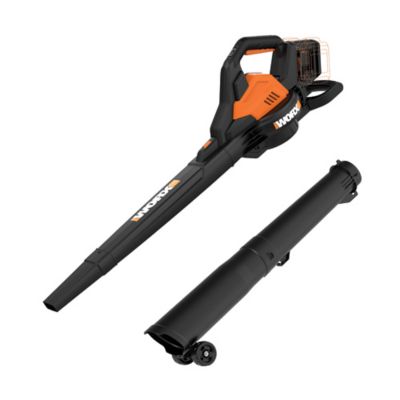
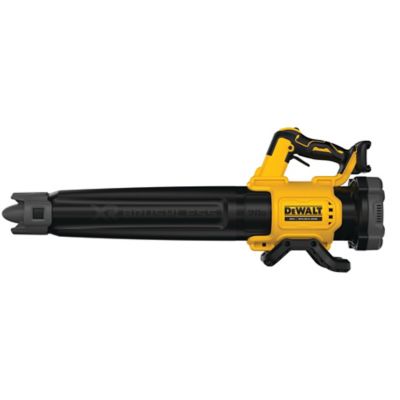
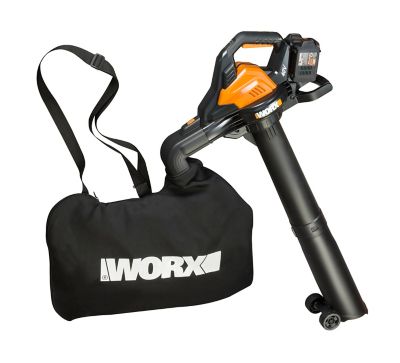
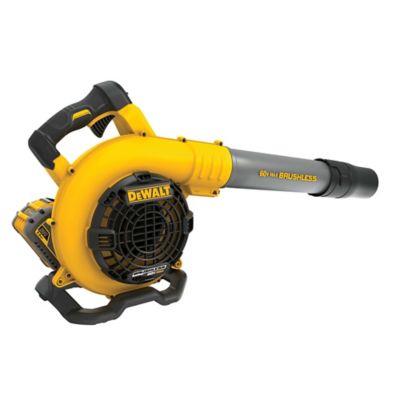
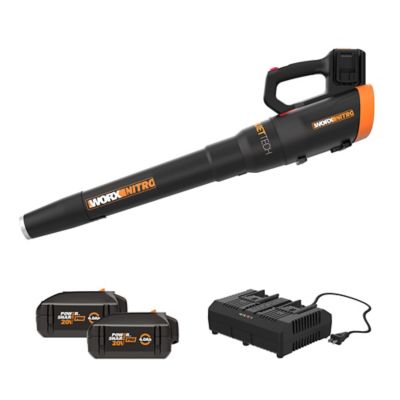
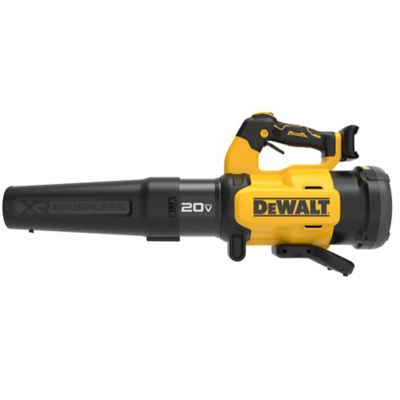
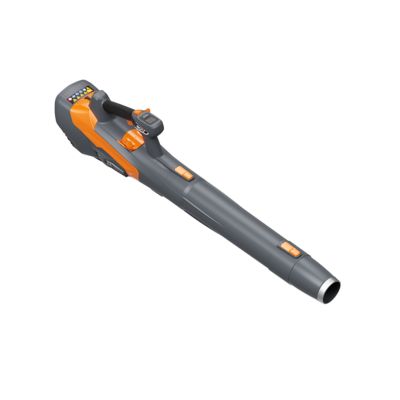
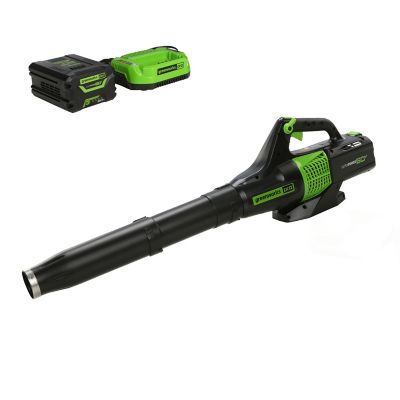
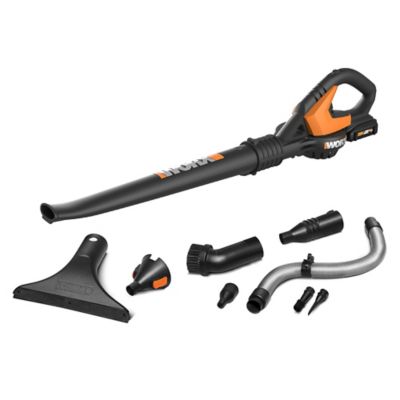
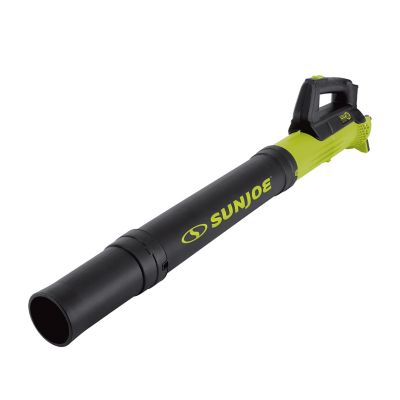
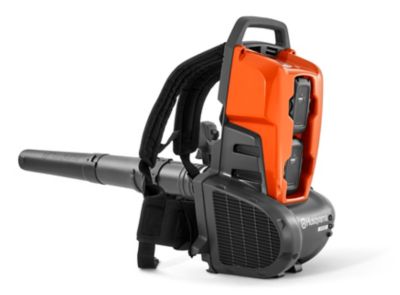
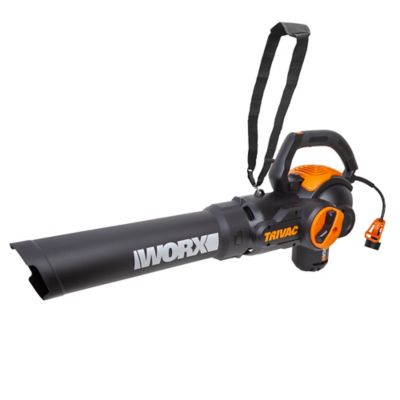
Brushless blowers are electric power tools that move air to clear leaves, grass clippings, and loose debris from outdoor surfaces. Their motors rely on electronic controls instead of carbon brushes to manage electrical current, eliminating the friction and wear associated with those brushes. That design can improve motor efficiency and service life compared with a brushed motor, though overall performance still depends on the blower’s engineering, battery, and operating settings. For a homeowner clearing a long driveway or someone tidying the walk between the house and the shed, the appeal is straightforward: directed airflow without the fuel mixing, pull starting, or exhaust of a gas-powered blower. Cordless brushless blowers also let you work beyond the reach of an outlet, whether the job is around a detached garage or along a fence bordering the lawn. Two measurements help describe their clearing power. Cubic feet per minute, or CFM, measures the volume of air a blower moves, while miles per hour, or MPH, measures air speed. Higher air volume generally helps move a broader swath of loose material; greater air speed can help dislodge debris caught along edges or in surface cracks. Neither number tells the whole story by itself. Nozzle shape, surface type, and the weight of the material all affect how a blower handles a job. A broad stream can move scattered leaves across pavement, while a more concentrated stream can help work clippings out of the joint where a sidewalk meets a curb. Maximum ratings also may reflect a boost setting rather than ordinary operation, so they should be considered alongside runtime and handling. For regular property upkeep, a blower that balances air volume, air speed, and manageable weight often makes more sense than choosing solely by the largest number on the label. The goal is enough airflow to finish the work without wrestling more tool than the task calls for.
Battery compatibility and comfortable handling deserve just as much attention as motor design. A cordless brushless blower needs a battery and charger approved for its particular platform; matching voltage alone does not establish compatibility. Tool-only packaging generally means the battery and charger are separate, while kit contents vary and should be checked before making a selection. An existing compatible battery system can simplify keeping several outdoor tools ready, but a blower’s sustained power demand may drain a pack faster than a tool operated in short bursts. Battery capacity, commonly listed in amp-hours, helps describe how much charge a pack can hold. Within the same voltage platform and under similar conditions, a higher-capacity pack generally supports longer operation, although it also may add weight. Voltage or amp-hours alone cannot predict clearing strength or runtime across different systems. Running at full output, engaging boost, and moving heavier debris can all shorten working time. Variable-speed controls let the airflow match the task, from easing leaves away from a planting bed to pushing a line of clippings across a concrete apron. A speed-hold feature, when included, can reduce the need to keep constant pressure on the trigger during longer passes. How the tool sits in the hand matters, too. Total weight with the battery attached, grip shape, trigger reach, and balance all influence comfort over the length of a driveway. A handle that feels fine for a quick porch cleanup may be less comfortable through repeated trips around a large yard. Housing and blower-tube materials matter because these parts face bumps during handling and storage; molded plastic helps keep weight manageable, while secure tube connections help prevent wobble during operation. A narrower nozzle can concentrate airflow, while a wider opening may cover more ground with each pass. For smaller cleanup areas and storage spaces,
Compact Blowers offer a related category to consider alongside overall tool dimensions and reach. A smaller housing may be easier to carry around steps and outdoor furniture, but clearing output still needs to suit the work.
A brushless blower fits plenty of everyday chores around a home, acreage, or working property, from clearing mower clippings off a paved path to gathering loose leaves beside a garage. Good control is especially helpful where lawn meets gravel: too much airflow can scatter stones instead of simply moving the leaves resting above them. Lower settings and a shallow working angle can help keep the stream focused, with the nozzle aimed away from people, animals, vehicles, and windows. Blowers can launch small objects and stir up airborne material, so eye protection, hearing protection as directed by the manufacturer, and sturdy footwear belong with the tool. Battery power eliminates engine exhaust at the point of operation, but it does not make a blower silent or suitable for every cleanup task. Noise ratings and local operating rules still matter, particularly near neighboring homes or animal enclosures. Fine dust, manure, chemical residue, and other hazardous material call for an appropriate cleanup method rather than being blown into the air. Ordinary care helps protect the tool between jobs. With the battery removed and the blower stopped, keep intake openings clear, check the tube for obstructions, and inspect the housing and connections according to the owner’s manual. Brushless construction removes carbon-brush replacement from the maintenance list, not the need for cleaning and inspection. Store the blower in a dry, protected spot, and follow the battery manufacturer’s directions for charging and storage. Avoid water exposure unless the tool’s instructions specifically permit it. For someone who maintains a yard or helps keep a family property tidy, a brushless blower can also be a practical gift, especially when its battery platform matches equipment they already own. The best fit comes down to the ground being cleared, the length of the job, and the person carrying the tool. Enough reach to work comfortably, controls that are easy to manage, and a battery setup suited to the workload all help turn scattered debris into a finished chore.