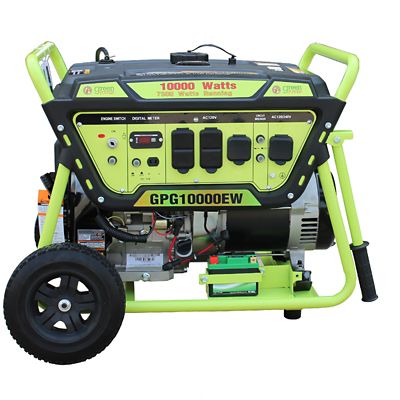
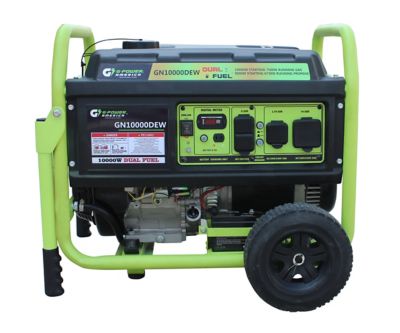
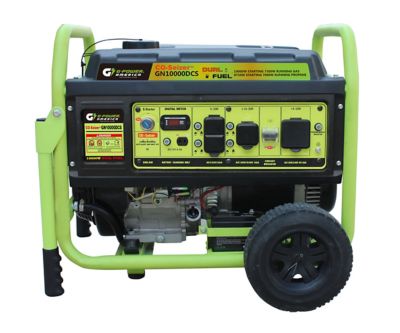
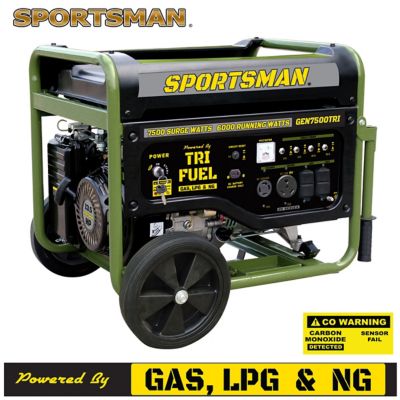
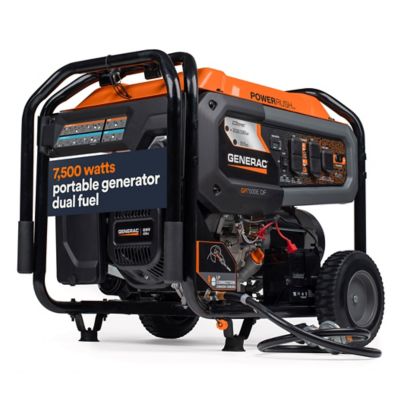
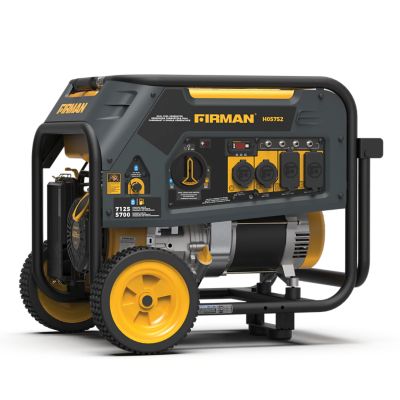
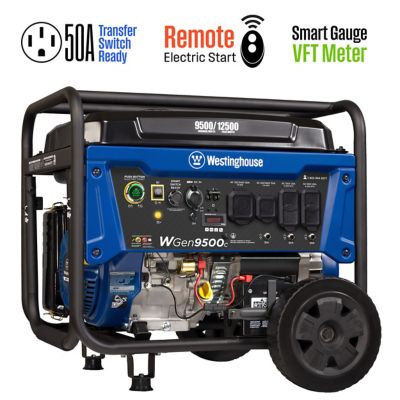
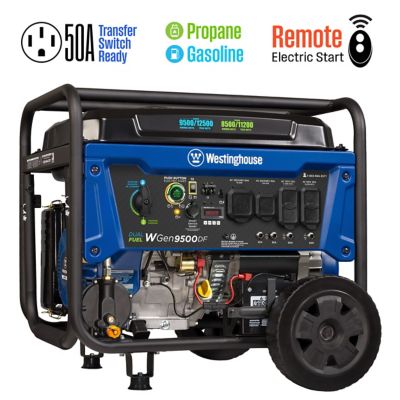
A 7,500-watt generator rated for 7,500 running watts can supply up to that amount of continuous power, with starting capacity often around 9,000 to 9,500 watts, depending on the model and fuel. That puts this generator size in a useful range for selected home backup circuits, tools around the property and work where an outlet is out of reach. The distinction between running watts and starting watts matters, though: some generator names highlight peak output rather than continuous output, so the listed specifications tell the fuller story. Running watts cover equipment while it operates, while starting watts handle the brief extra demand from motors in appliances such as refrigerators, freezers and well pumps. A freezer full of beef, a refrigerator, several lights and a few small electronics can represent a practical backup load, but their combined requirements still need to stay within the generator’s ratings. A well pump adds another consideration because its voltage and starting demand vary considerably. Equipment nameplates and manufacturer specifications make a better basis for matching loads than a general appliance count. On a rural property, this size generator might support essential household equipment during an outage or power a circular saw and work lights at a fence-building project. At a jobsite, it can keep selected corded tools working without a permanent electrical connection. For RV applications, outlet configuration, voltage and the RV’s electrical requirements matter just as much as wattage. A 7,500-watt rating does not automatically mean enough power for an entire house, a large central air conditioner or several high-draw appliances operating together. Electric water heaters, cooking equipment and heating elements can take a sizable share of the available output. The best match comes down to the equipment that needs power, the loads that might start together and the connections needed to serve them safely.
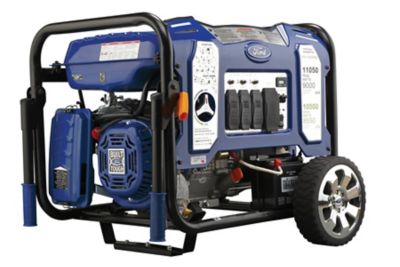
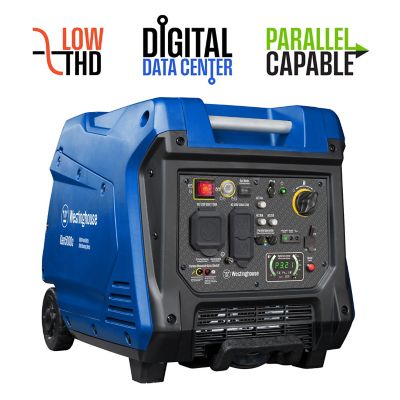
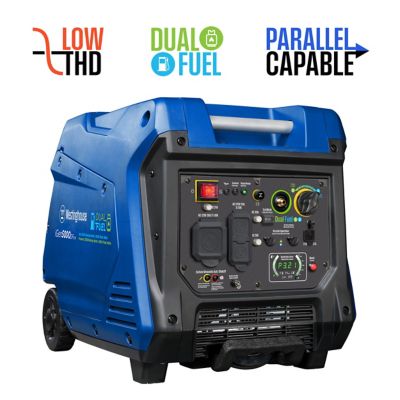
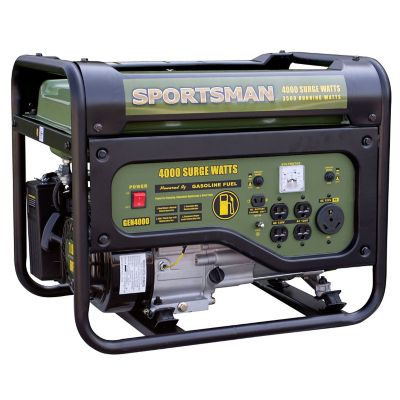
Construction and handling features make a real difference when a generator travels between a storage spot, a driveway and a work area. Steel frames help protect the engine and alternator during ordinary handling, while the frame layout can also affect access to service points. Large wheels and folding handles can make a heavy machine easier to maneuver, though a wheel kit does not make every surface easy going. Gravel, ruts, steps and a pickup bed all call for a realistic look at weight, lifting arrangements and transport dimensions. For a generator that mostly stays at home, the storage footprint and the route to its outdoor operating location deserve the same attention as the wattage. Fuel choice is another practical consideration. Gasoline-powered generators are familiar equipment around many farms and homes, while dual-fuel designs may offer the flexibility to run on gasoline or propane. Output can differ between fuels, so the rating for the intended fuel is the one that matters when matching electrical loads. A propane cylinder’s capacity also affects operating time, and gasoline needs storage and handling that follow the engine manufacturer’s directions. Published runtime figures generally correspond to a stated fuel quantity and load level; a tank that lasts many hours under a light load will not necessarily last as long with several demanding appliances connected. Fuel-tank capacity, a readable fuel gauge and access to the fill point all shape day-to-day convenience. Sound deserves a look, too, especially around a home, neighboring properties or an RV site. Noise figures are most helpful when the measurement distance and operating conditions are comparable. For computers, communication equipment and electronic controls, output specifications also matter. Inverter technology and stated total harmonic distortion can help describe electrical characteristics, but compatibility should follow the requirements of the connected equipment rather than wattage alone.
Starting systems, control panels and service access are the features that become especially noticeable after the first few outings. Electric start can spare repeated pulls on a recoil cord, while a recoil backup may provide another starting option on models equipped with both. An electric-start battery needs attention during storage, and its charging requirements depend on the generator. Clearly marked receptacles, circuit breakers, an hour meter and visible operating information make it easier to keep track of loads and maintenance intervals. Outlet count alone does not determine how much equipment can run: individual receptacle limits, breaker ratings and the generator’s total capacity all apply. A 120/240-volt outlet can be important for certain equipment or a compatible home connection, but plug configuration and amperage must match the planned setup. Outdoor-rated extension cords need suitable capacity and length for their loads, with intact grounding connections where required. For household circuits, a properly installed transfer switch or code-compliant interlock arrangement keeps generator power separated from utility power; a qualified electrician can determine the appropriate equipment and connection. A generator must never feed a home through a wall receptacle. Portable generators belong outdoors, at least 20 feet from the home, with exhaust directed away from doors, windows and vents, and never inside a garage, shed or other enclosed or partly enclosed space. Carbon monoxide shutoff features add protection but do not replace proper placement or working carbon monoxide alarms indoors. Routine care includes engine-oil checks and changes, air-filter attention, spark-plug service and fuel-system care according to the owner’s manual. Letting the engine cool before refueling is essential. Accessible drain points and service panels can make those chores less awkward, especially when the generator sees regular work around the property. For electrical loads that need more headroom,
9500 Watt Generators provide another category to compare by running output, starting capacity and fuel-specific ratings. Matching those numbers with practical details such as handling, runtime and connection type helps put the focus on a generator suited to the work ahead.