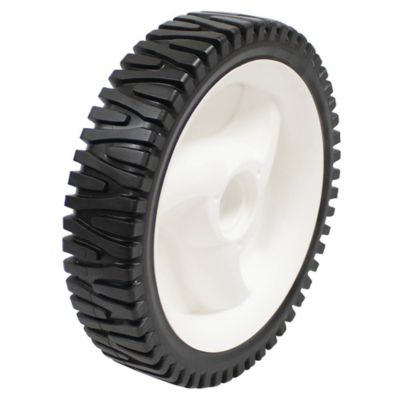
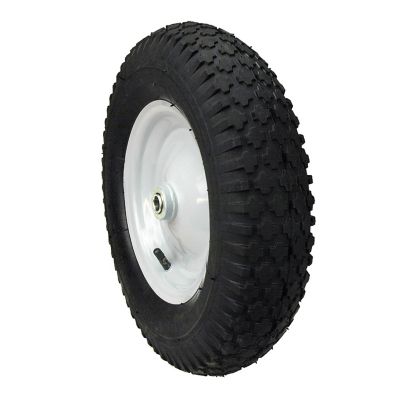
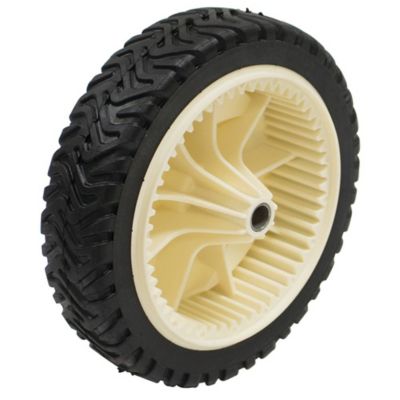
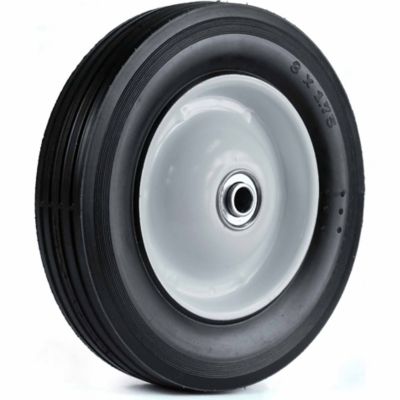
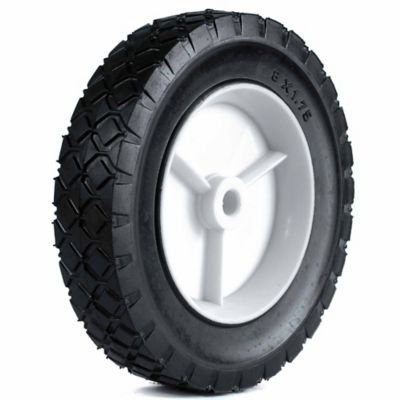
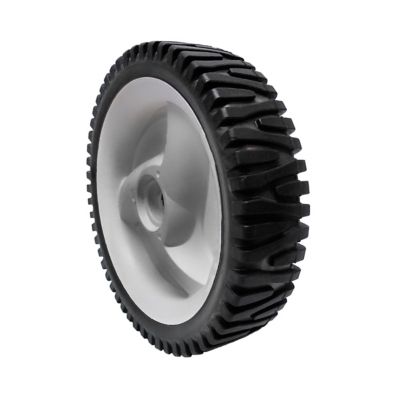
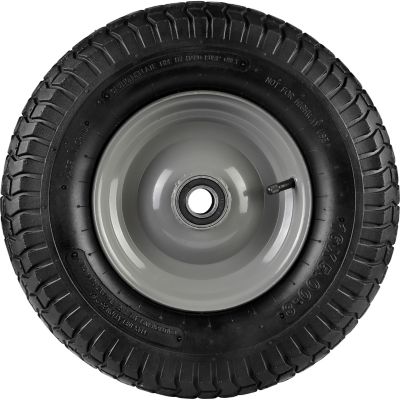
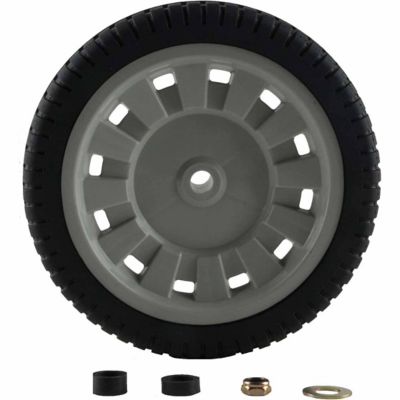
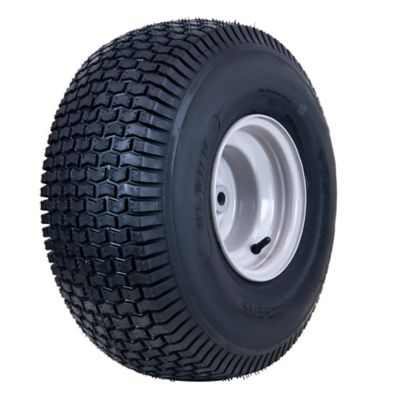
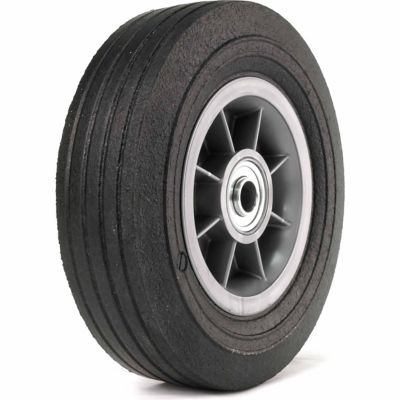
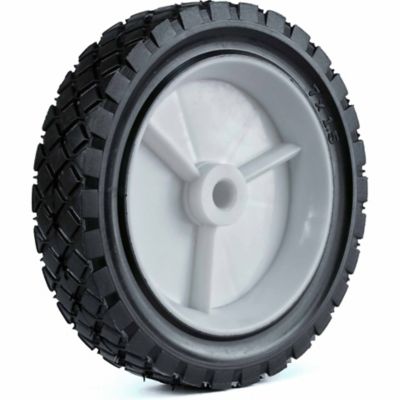
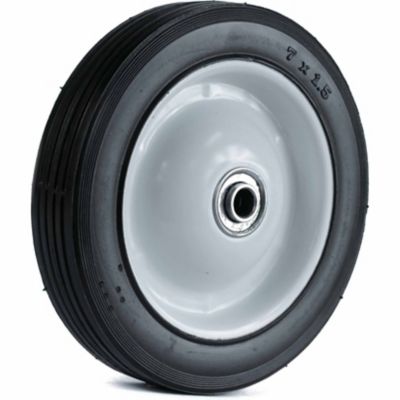
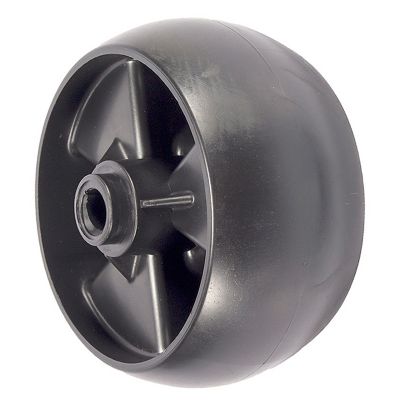
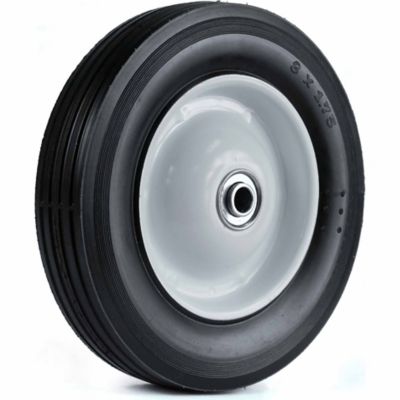
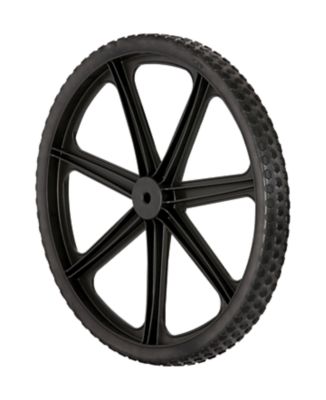
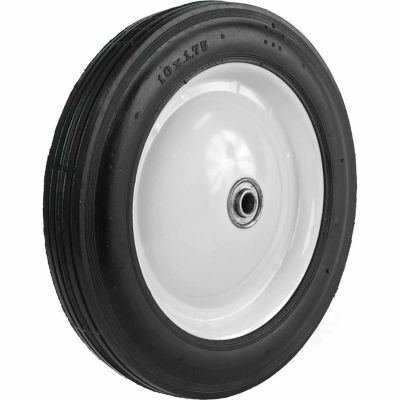
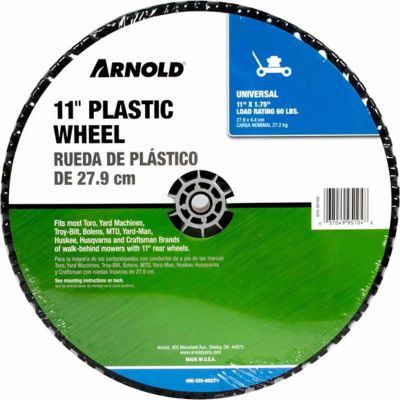
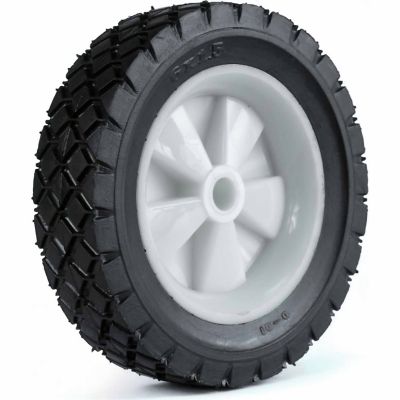
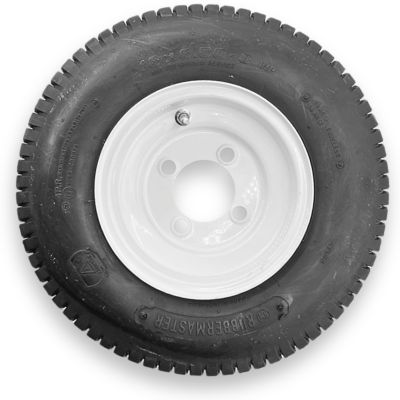
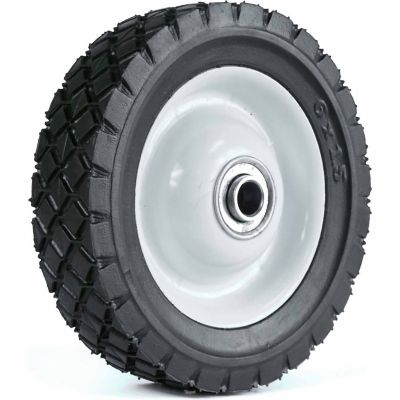
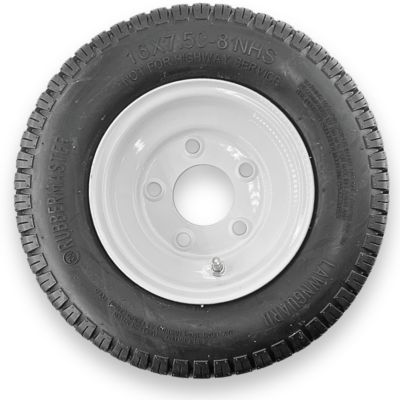
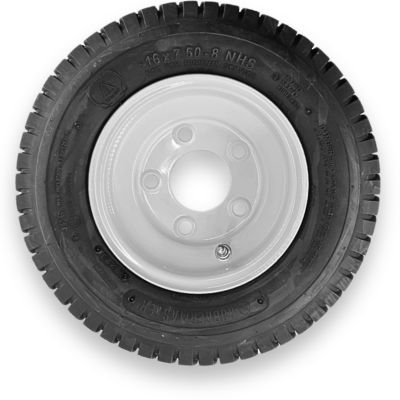
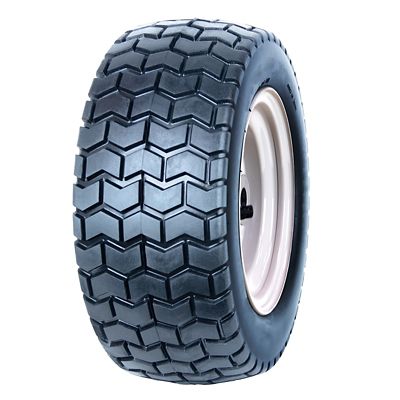
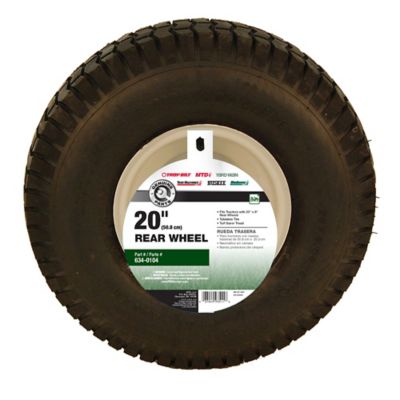
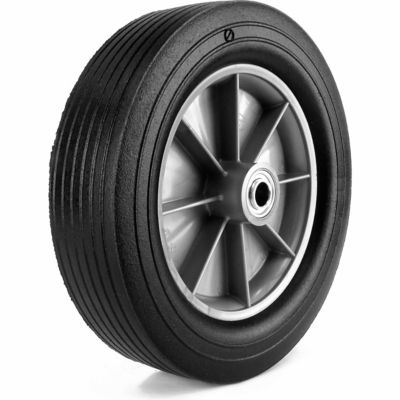
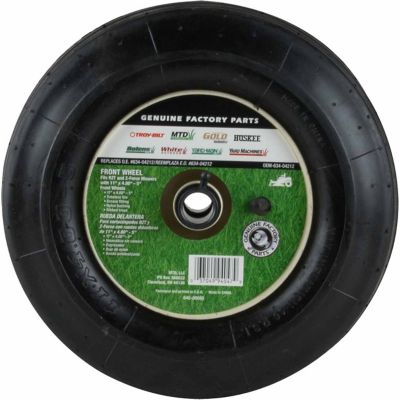
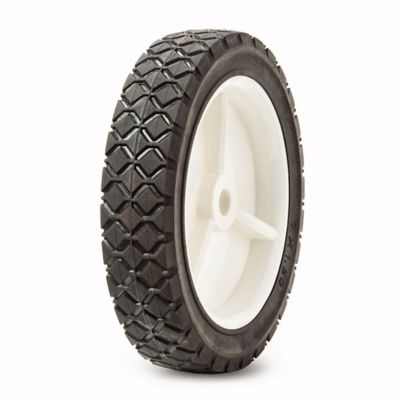
An 8-inch mower wheel may be a small part of the machine, but it has a big say in how a mower rolls across the yard, follows a fence line and turns around a shade tree. Wheels support the mower at its intended height and help keep it moving steadily without unnecessary dragging or wobbling. For homeowners keeping a house lot tidy, folks mowing around an outbuilding or anyone maintaining a walk-behind mower, a properly matched replacement can address a cracked hub, worn tread or loose fit at the axle. The 8-inch measurement generally refers to the wheel’s outside diameter, not the size of its center opening, so that number is only the starting point for a match. Wheel width, axle bore, hub length and hub offset all affect how the assembly sits on the mower. Two wheels with the same listed diameter can fit very differently: one may sit neatly beside the deck, while another crowds a height-adjustment bracket or leaves too much space along the axle. A wider tread also changes the contact area with the ground, but extra width is not automatically a better choice if the mower was built around a narrower wheel. The mower’s model information and original wheel specifications provide a stronger basis for selection than appearance alone. Front and rear positions matter, too, since some mowers have smaller wheels up front and larger ones at the back. An 8-inch replacement belongs in the position specified for that machine rather than wherever it happens to attach. Keeping the intended wheel diameter helps preserve the mower’s designed stance and cutting-height range. For a mower that still starts easily and cuts well, replacing a worn wheel can be a practical part of keeping familiar equipment working around the place, without changing the way its controls, deck or handle are meant to function.
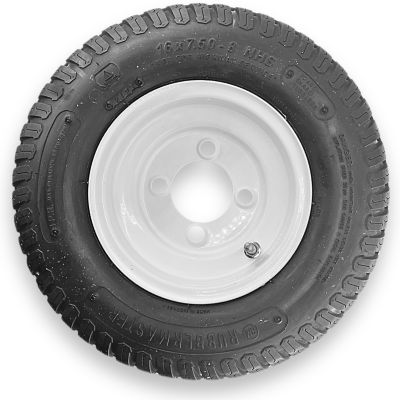
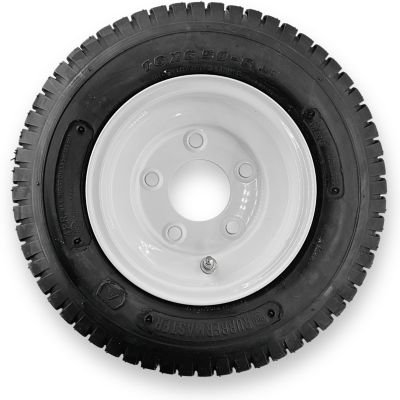
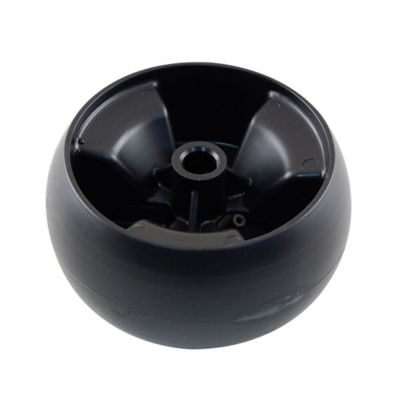
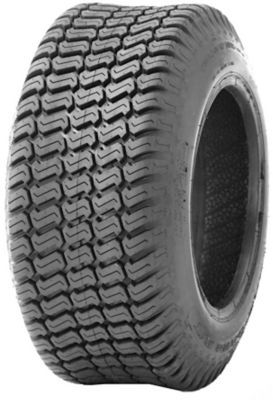
Materials and construction make a noticeable difference in how 8-inch mower wheels handle everyday yard work. Depending on the design, a wheel may have a molded plastic center, a metal hub, a rubber tread or a solid polymer rolling surface. Solid construction avoids the need to maintain air pressure, while the tread material and profile influence grip, rolling feel and resistance to wear. A firm molded wheel can roll readily over even ground, while a rubber-tread design may provide a little more give across small surface irregularities. Neither description alone establishes compatibility or service life; the wheel’s construction needs to suit the machine and the work it does. Grass, packed soil, driveway edges and the occasional exposed root put different demands on the tread and hub. Ribbed, grooved and block-style tread patterns each create a different contact surface, though a more pronounced pattern does not guarantee better handling on every lawn. Around garden borders and tight corners, easy turning matters just as much as forward traction. At the center of the wheel, a plain bore, sleeve bushing or bearing assembly determines how it rides on the axle. Those arrangements are not interchangeable simply because their outside dimensions look alike. Hub length affects room for the specified washers and retainers, and an offset hub positions the rolling surface to one side of its mounting point. That detail can determine whether the wheel clears the deck or rubs with every turn. Self-propelled mowers add another consideration: a drive wheel may carry internal gear teeth that must match the mower’s drive mechanism. Gear shape, tooth count and placement matter alongside diameter and bore size. A free-rolling wheel cannot take the place of a geared drive wheel just because both measure 8 inches. For a mower in that brand family,
Craftsman Mower Wheels offers a related place to narrow the search, with the mower’s model and wheel specifications still determining the fit.
The best fit for everyday mowing is a wheel that works with the whole mounting assembly, not just the visible tire surface. Existing axle bolts, shoulder bolts, spacers, washers and retaining clips can all play a part in keeping a wheel secure while allowing it to turn freely. A wheel that rocks from side to side may have wear in its center opening, but a worn axle or missing spacer can produce a similar symptom. Replacing the wheel alone will not necessarily correct trouble elsewhere in the assembly. Likewise, a dragging wheel may point to packed grass around the hub, interference with a bracket or a mounting issue rather than a tread problem. These details matter when mowing a long stretch beside a pasture fence or maneuvering through a small yard with plenty of turns, where extra rolling resistance quickly becomes extra effort at the handle. Sound wheel construction, correct hardware and adequate clearance work together to keep that movement smooth. Care is generally straightforward: clearing away wrapped string, grass buildup and lodged debris helps protect the area around the axle, while occasional checks for cracks, loose hardware and uneven tread wear can bring small problems to light. Any lubrication should follow the mower manufacturer’s directions, since some wheel designs call for it and others have sealed bearings or materials that need different care. Before inspection or replacement, the mower should be shut down and secured against accidental starting according to its manual. Replacement decisions also benefit from looking at both wheels on the same axle. Matching their intended diameter and profile helps maintain an even stance, although replacing both is not automatically necessary when only one is damaged. For property owners who would rather spend their time mowing than wrestling a mower around each turn, the value is in these everyday details: a wheel that clears the housing, stays steady on its axle and rolls as the machine was designed to roll. Well-matched 8-inch mower wheels help keep routine lawn work manageable, from the open stretch behind the house to the narrow strip along the shed.