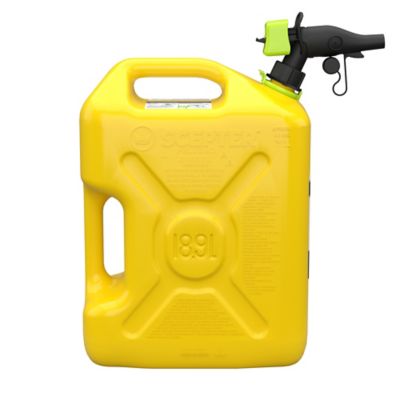
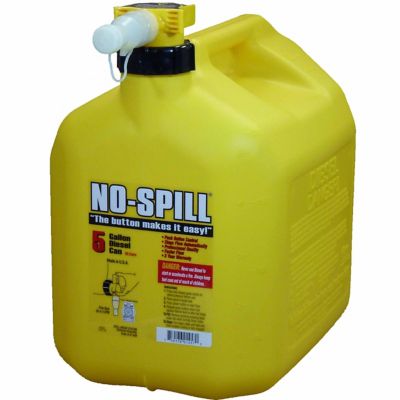
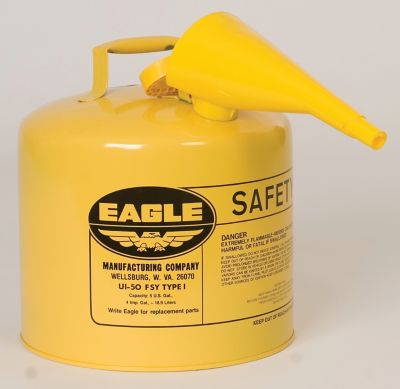
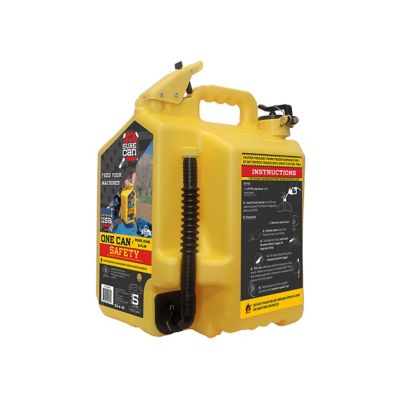
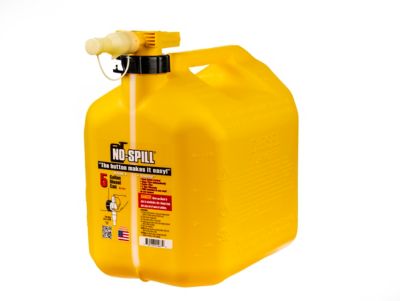
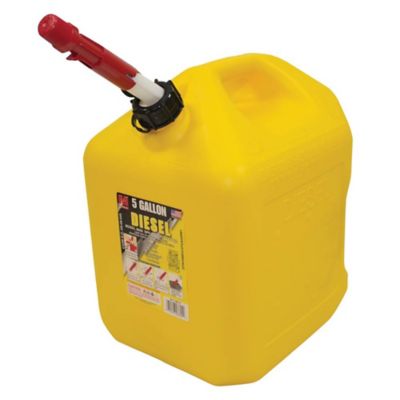
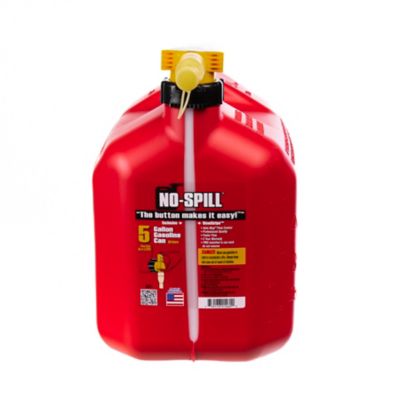
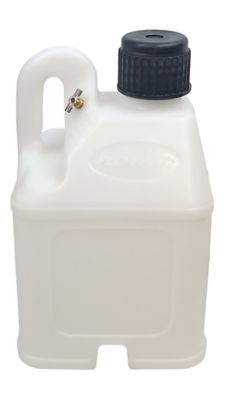
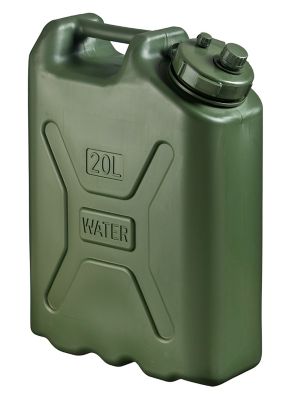
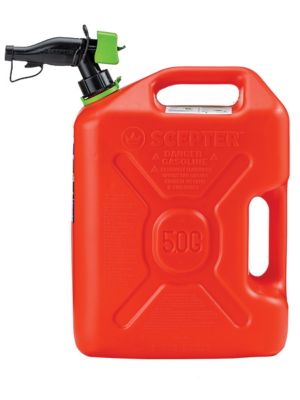
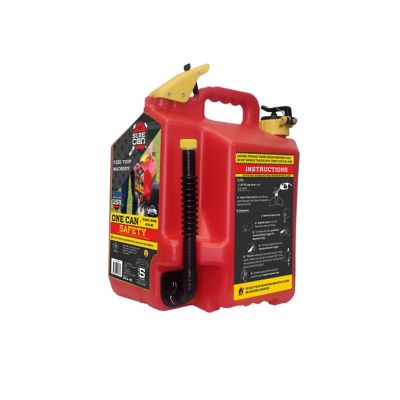
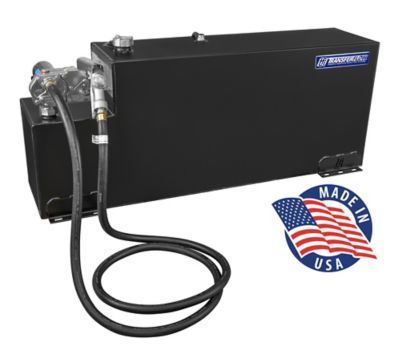
5-gallon diesel cans are portable fuel containers made for carrying and dispensing diesel into compatible equipment. Around a farm, acreage, or jobsite, that can mean topping off a compact tractor before mowing a pasture, refueling a diesel generator, or carrying fuel to machinery working beyond the barnyard. The five-gallon size offers a practical middle ground between smaller containers that need more frequent filling and larger tanks that call for pumps or dedicated mounting. Five U.S. gallons equals about 18.9 liters, though the marked fill line—not the top of the opening—determines the proper filling level for a particular container. Diesel alone weighs roughly 35 to 36 pounds at that volume, so handle placement and pouring position matter once the can is full. A comfortable top handle helps with carrying, while a second grip can give better control when tipping fuel into an equipment tank. A broad base also helps the container sit steadily on a level surface between tasks. Yellow is the common identification color for portable diesel containers in the United States, but clear labeling and manufacturer approval for diesel are still essential. Color alone does not establish what a container can safely hold. Keeping diesel separate from gasoline and other liquids helps prevent mix-ups when several machines share the same shed. For tractor owners, livestock operations, landscapers, and crews running diesel-powered equipment, the right can fits both the fuel and the daily routine. A container that works well beside a low-mounted tractor filler may feel awkward at a higher or recessed opening. The distance between the can’s handle, spout, and equipment fill neck affects how much lifting and repositioning the job takes. Those everyday details deserve attention alongside capacity, especially when fuel has to travel from a designated storage area to equipment parked out by a gate, along a fence line, or across a work yard.
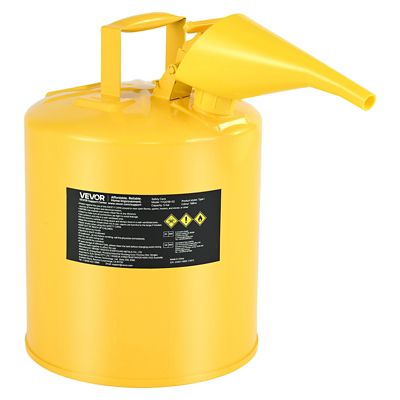
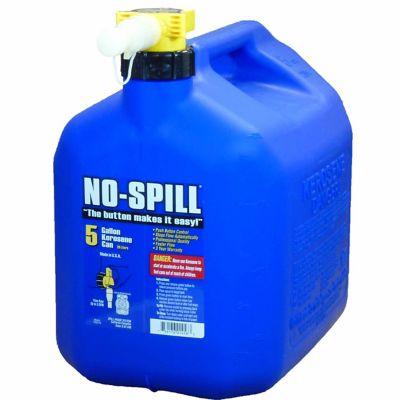
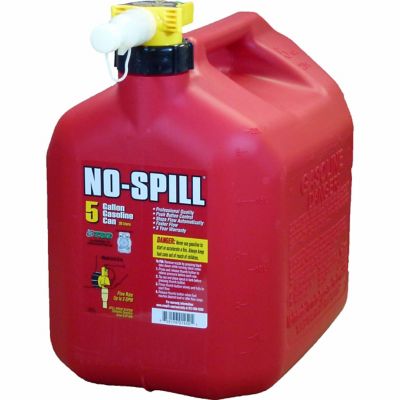
Material and construction shape how a diesel fuel can handles that work. Molded high-density polyethylene is common in portable fuel containers because it keeps the empty weight down and does not rust. Steel offers a rigid body, with protective finishes helping shield the surface from corrosion. Either material needs to be specifically approved by the container manufacturer for diesel; an ordinary utility jug is not a fuel can. Plastic bodies can develop cracks or deep scrapes, while metal bodies can dent or show corrosion, particularly where protective surfaces have been damaged. Seams, handles, closures, and the base all deserve attention because they bear the strain of carrying, setting down, and pouring. Spout design is another major consideration. Depending on the container, dispensing features may include a push-button control, a rotating outlet, a self-closing valve, an automatic shutoff mechanism, or built-in venting. These features work differently, and none should be assumed to prevent every spill. A spout needs enough reach and clearance for the equipment’s fill opening without requiring the can to rest against a sharp edge or sit in an unstable position. A bulky nozzle may not suit a narrow or deeply recessed filler, while a short outlet can make a high tank harder to reach. Caps and gaskets matter just as much as the visible pouring hardware: a sound seal helps keep fuel contained and limits the entry of dirt and moisture. Replacement parts need to match the manufacturer’s specifications rather than simply look close enough. Some work settings also call for particular safety-can construction or approvals, which are separate from container capacity. Emissions compliance, workplace requirements, and local transport or storage rules can differ, so the label and supporting documentation provide important details. For anyone wearing work gloves or managing a full can at an awkward angle, a secure grip and straightforward controls can make a noticeable difference without changing the need for careful handling.
Keeping a diesel can clean and properly closed helps protect both the container and the equipment it serves. Dirt around a cap can fall into the opening, and a spout left uncovered can pick up grit from a truck bed or shop floor. Water and debris do not belong in a diesel fuel system, making dedicated containers, intact seals, and protected dispensing parts worthwhile considerations. A can reserved for diesel also reduces confusion compared with containers that move between different liquids. Care follows the manufacturer’s directions, including inspection of the body, closures, and dispensing assembly; cracks, leaks, damaged threads, or a valve that no longer closes properly are reasons to take the container out of service. Improvised repairs and altered spouts can interfere with the features built into the can. A designated storage location away from ignition sources, living spaces, and children helps keep fuel separate from everyday household and shop activity. During transport, a closed can needs to stay upright and secured against shifting, outside the passenger compartment and in accordance with applicable rules. Filling calls for an approved container placed on the ground rather than left in a vehicle or truck bed, with the nozzle kept in contact with the container opening. Refueling belongs around shut-down equipment after it has cooled, not beside a running engine. Separate organization helps keep the work area orderly, too:
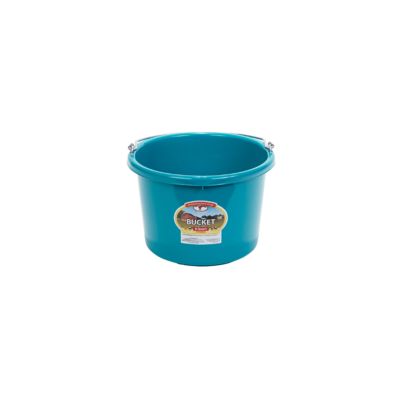
2 Gallon Plastic Buckets can hold dry hitch pins, bolts, or other shop supplies, but they are not substitutes for approved diesel containers. A well-matched five-gallon diesel can brings capacity, manageable handling, compatible dispensing hardware, and clear fuel identification together. Whether the task is feeding livestock with a tractor or keeping a diesel-powered machine working away from the shed, those practical details help make refueling less awkward and keep attention on the job ahead.