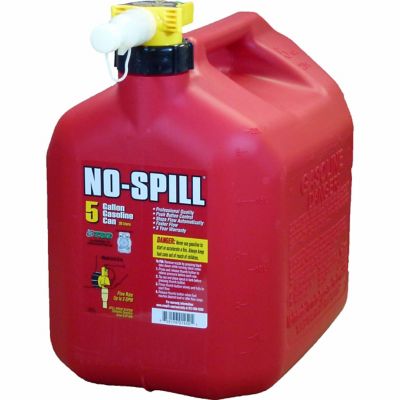
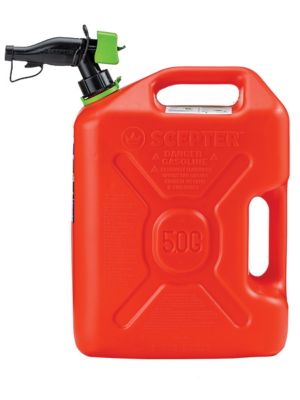
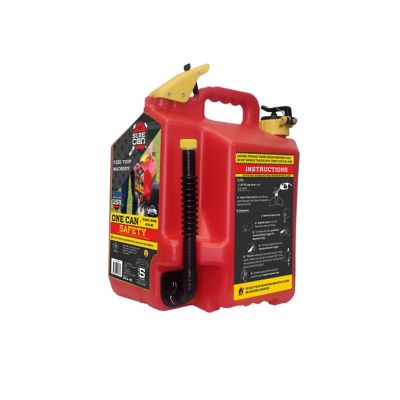
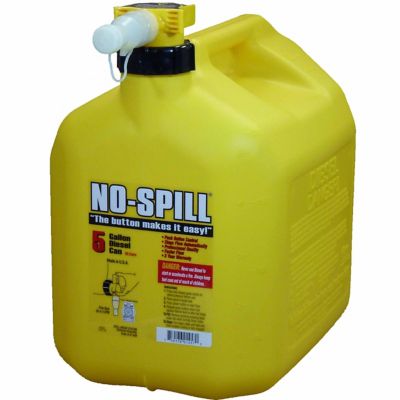
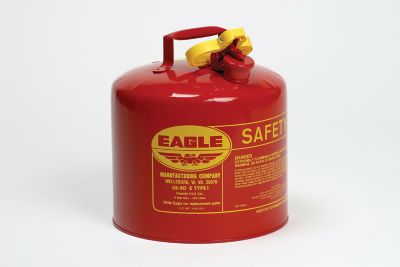
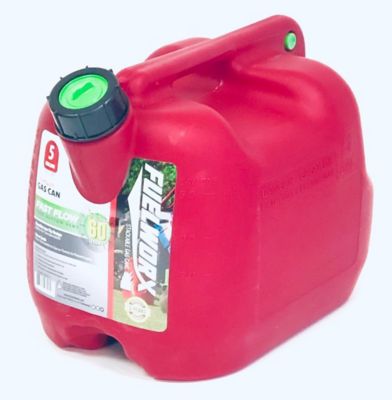
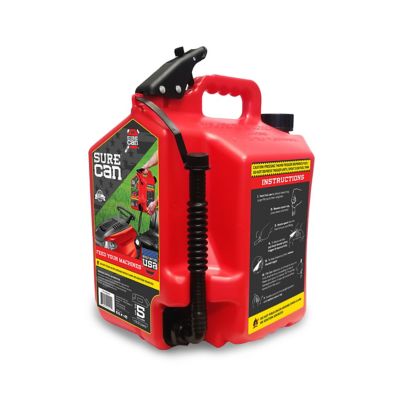
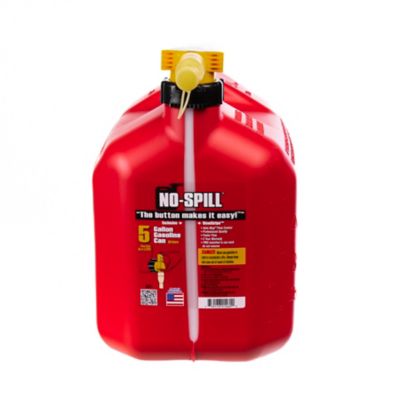
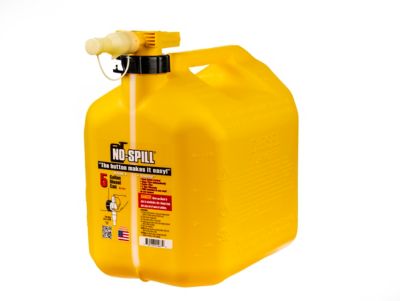
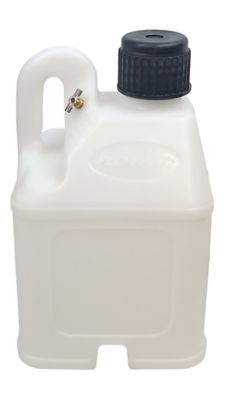
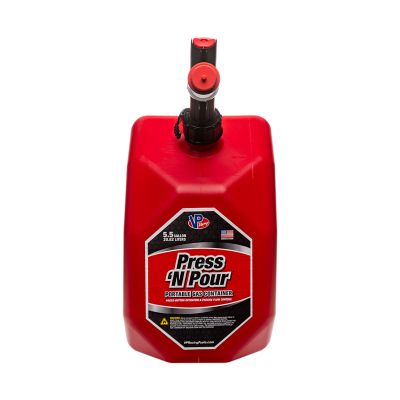
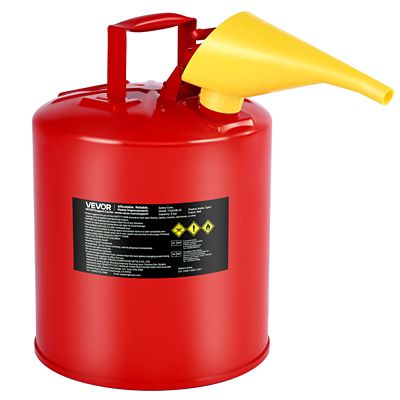
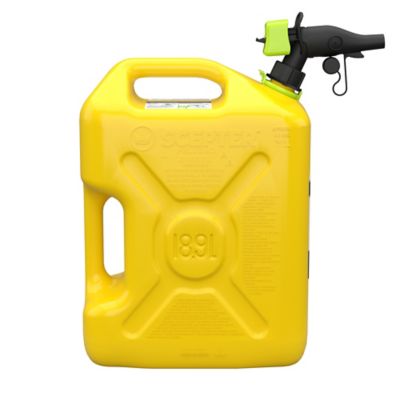
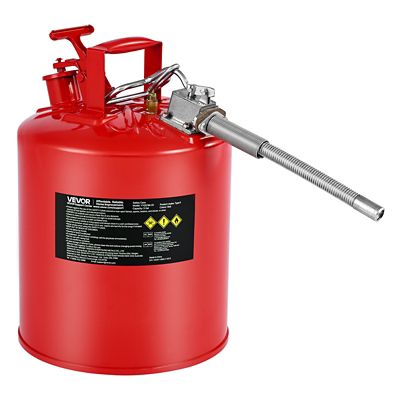
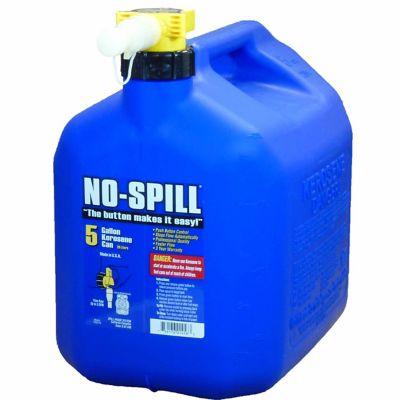
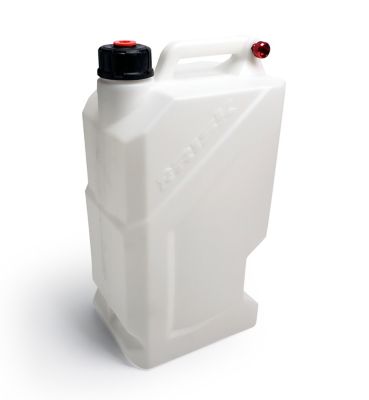
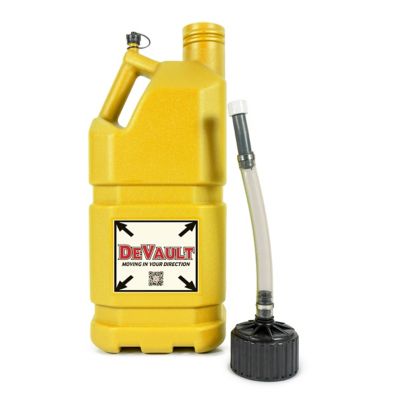
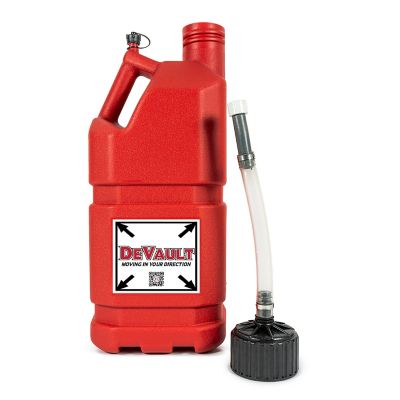
Keeping fuel close to the work can mean fewer interruptions when there’s grass to cut, a fence line to clear or equipment to run beyond the reach of an outlet. Five-gallon gas containers offer a practical middle ground between a small refill can and a larger fuel-storage setup. They hold enough gasoline for several smaller equipment tanks or a substantial refill, depending on the machine, while remaining portable enough for many everyday chores. That makes them a sensible fit for property owners, grounds crews, landscapers and folks tending acreage with gas-powered equipment. Capacity is only part of the picture, though. Five gallons of gasoline weighs roughly 30 pounds before the container itself is added, so handle placement, container shape and lifting comfort matter just as much as volume. A broad base can help a container sit steadily on a level surface, while a second grip can give better control when tilting a full load. Fuel-rated plastic containers commonly feature high-density polyethylene, which keeps the empty container relatively light and does not rust. Metal containers bring a different feel, with rigid walls and finishes intended to help protect the underlying material. Either material needs sound seams, an intact closure and a design specifically intended for gasoline. Wall thickness alone does not tell the whole story; the cap, gasket, spout connection and handle all contribute to how a container holds up through repeated filling and pouring. A can that rides to the back pasture has different handling demands than one that stays near a designated equipment-fueling area. Overall height and width also affect whether it fits upright in an appropriate transport space or storage location without being wedged against other gear. The best fit is a container that suits both the amount of fuel the work calls for and the way that fuel gets carried, stored and poured. For someone who finds a full five-gallon load awkward to lift, filling below capacity can make more sense than wrestling a heavy container over an equipment tank.
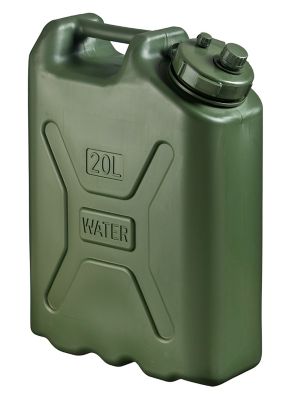
Pouring is where differences among 5 gallon gas containers become especially noticeable. A mower’s low fuel opening, a generator’s recessed filler neck and a pressure washer’s compact engine layout can each call for a different reach and pouring angle. Spout length, outlet shape and the position of the handle influence how easily the container lines up with the opening without resting its weight on the equipment. A longer spout may reach past a frame rail, while a more compact design may be easier to position around a tight engine compartment. Neither arrangement is the right answer for every machine. Clearance matters, especially when a full container must tilt before fuel begins to flow. Some dispensing systems feature a trigger, button or other release mechanism, and the effort needed to operate that control is worth considering alongside lifting weight. The ability to stop the flow cleanly is important when filling a small tank that has little room to spare. Venting arrangements also vary, so the manufacturer’s directions should govern operation rather than improvised openings or loosened caps. Any funnel or extension involved in fueling needs to be intended for gasoline and compatible with the equipment and container. Caps, seals and replacement spouts likewise need to match the original container’s specifications; a part that merely threads into place may not provide the intended seal or function. Fuel compatibility deserves the same attention. Gasoline containers are not interchangeable with containers intended for drinking water, and equipment requirements still determine which gasoline or fuel blend belongs in the tank. Clear labeling helps keep fuel types separate around a busy shed, particularly where more than one person handles refills. Red is commonly associated with gasoline containers, but the printed fuel designation and manufacturer’s instructions matter more than color alone. Marked capacities, readable warnings and applicable compliance information help distinguish a purpose-built fuel container from an ordinary utility jug. Local requirements may also affect storage quantities and container selection, particularly for a workplace or commercial operation.
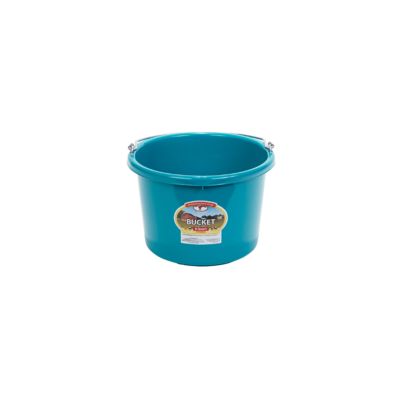
A gas container earns its place around the property through repeated handling, so condition and care remain important long after the first fill. Sealing surfaces need to stay free of grit, and caps should close as intended without damaged threads or missing gaskets. Cracks, swelling, leaking seams, significant corrosion or a spout that no longer shuts off properly are reasons to take a container out of service rather than patch it and keep pouring. Storage belongs in a designated, well-ventilated location permitted by local rules, away from living areas, ignition sources and children. Gasoline containers also need separation from animal feed, pet supplies and anything intended for food or drinking water. For separate, nonfuel chores,
2 Gallon Plastic Buckets can help keep loose hardware or cleaning supplies organized, but utility buckets are not gasoline containers and should never hold fuel. During transport, fuel containers need to remain upright, tightly closed and secured against sliding or tipping in a suitable cargo area, with transport handled according to the container instructions and applicable rules. Fueling calls for its own clear space: portable containers belong on the ground while being filled, not inside a vehicle or on a truck bed liner, and the pump nozzle should stay in contact with the container opening. The marked fill limit leaves necessary expansion space; filling to the brim defeats that allowance. Equipment engines need to be shut off and allowed to cool before refueling, with smoking and other ignition sources kept away. Fuel freshness matters, too, particularly for equipment that runs only occasionally. Matching the amount on hand to expected use helps avoid keeping gasoline longer than the equipment manufacturer recommends. With the right capacity, comfortable handling and a pouring system that fits the equipment, five-gallon gas containers can support the steady rhythm of property work without making every refill a wrestling match.