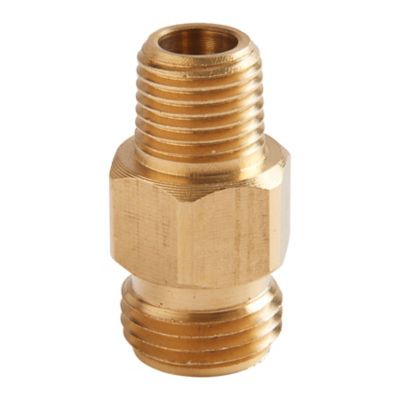
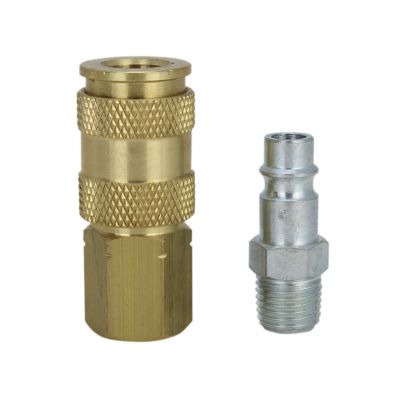
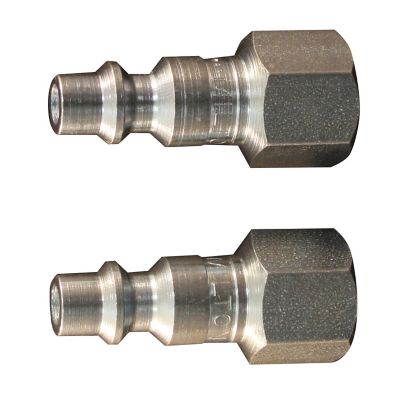
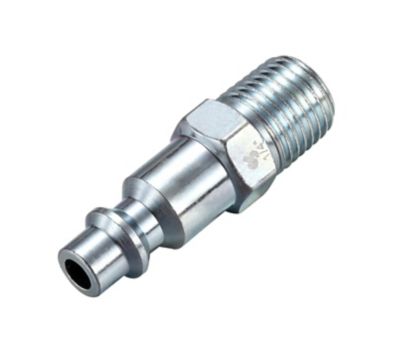
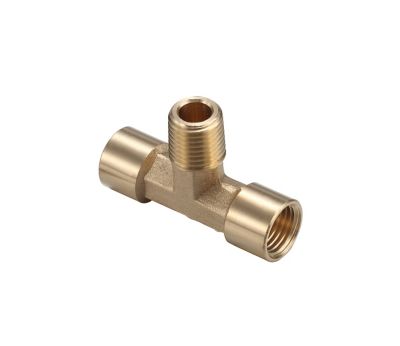
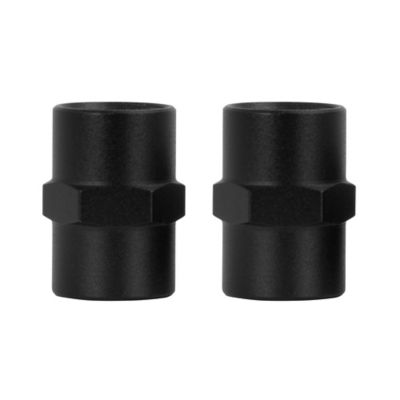
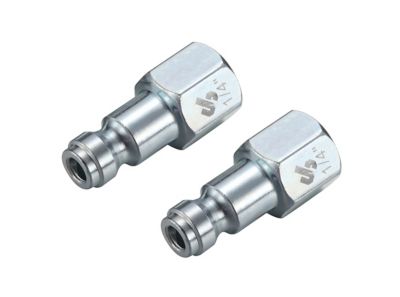
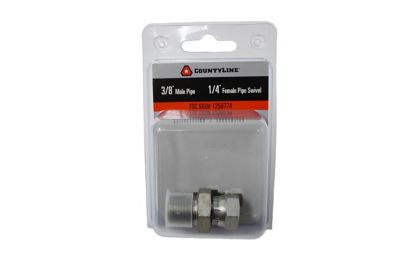
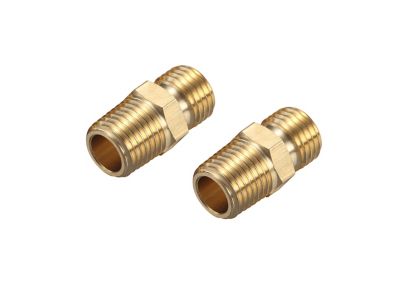
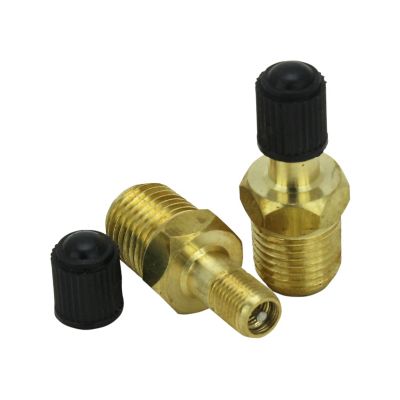
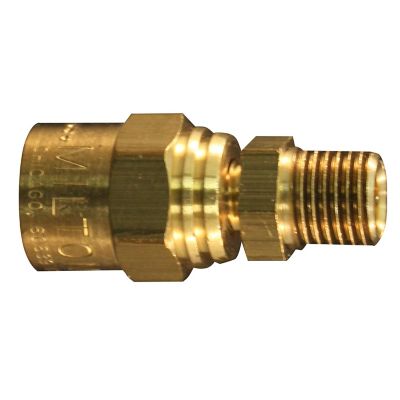
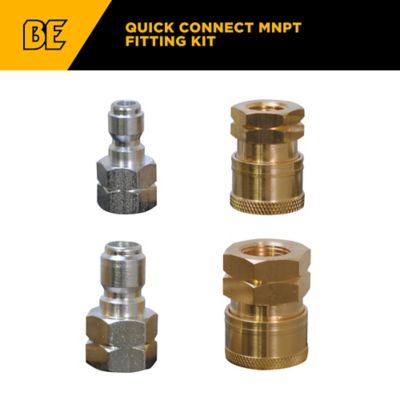
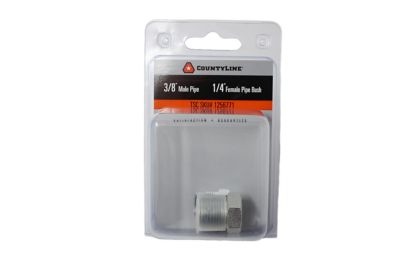
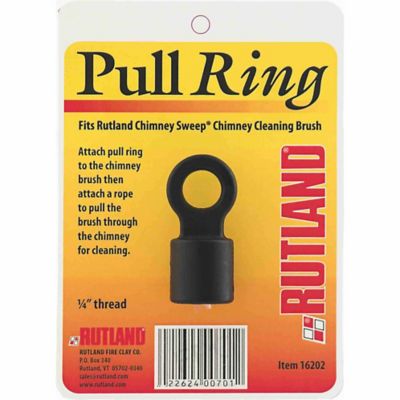
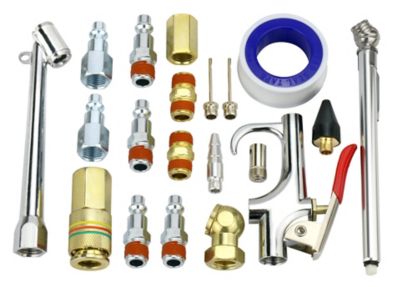
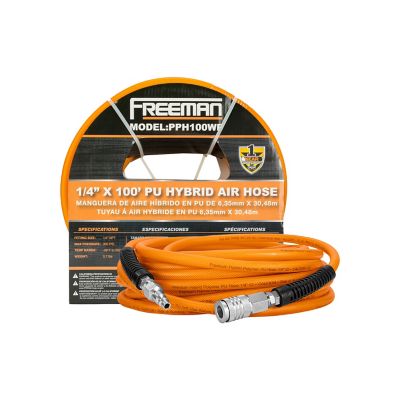
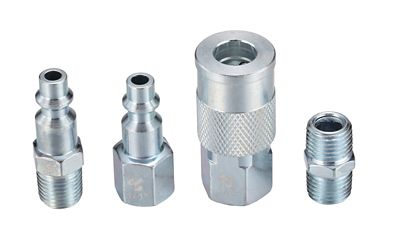
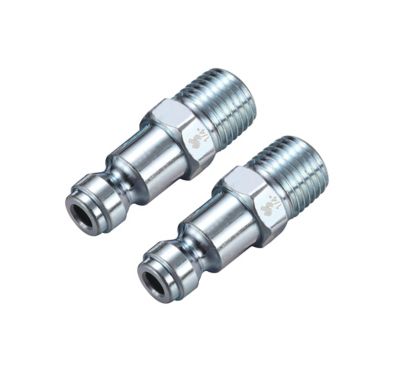
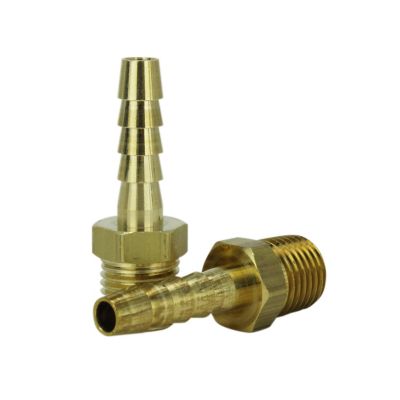
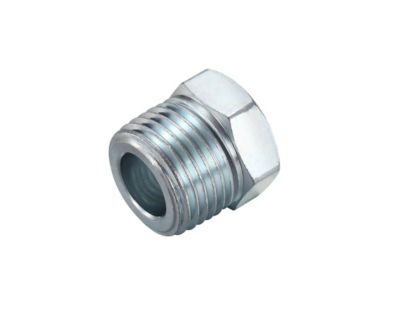
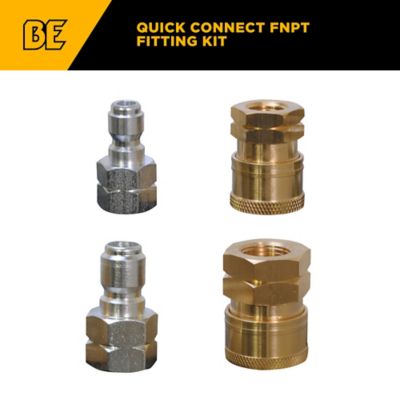
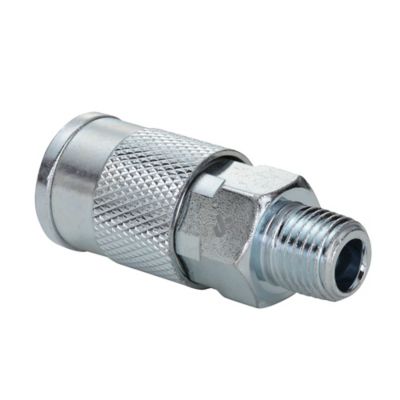
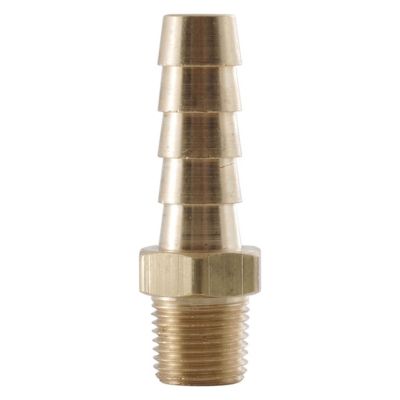
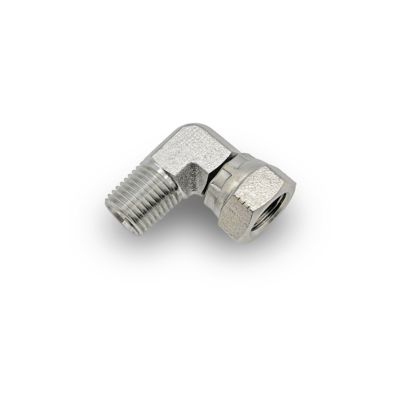
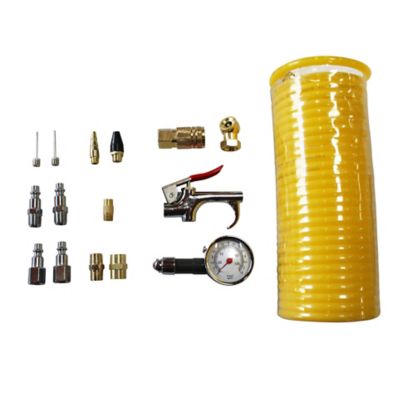
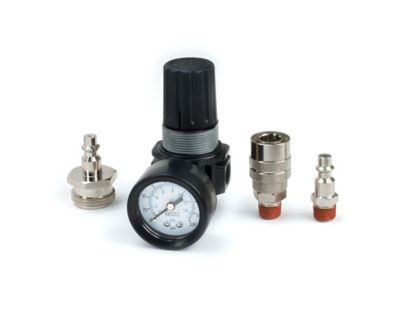
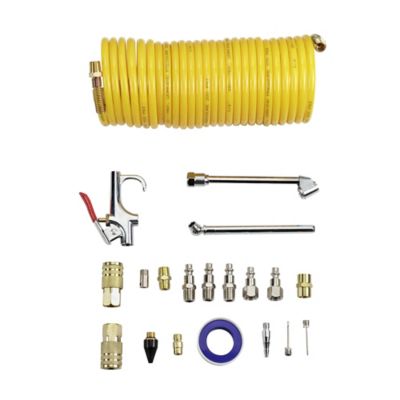
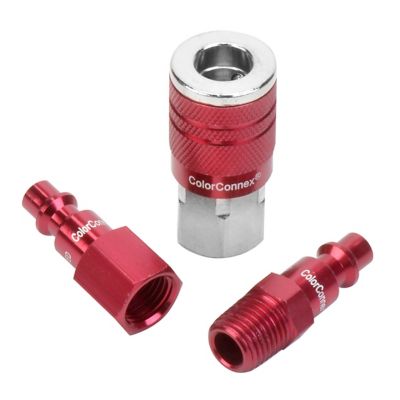
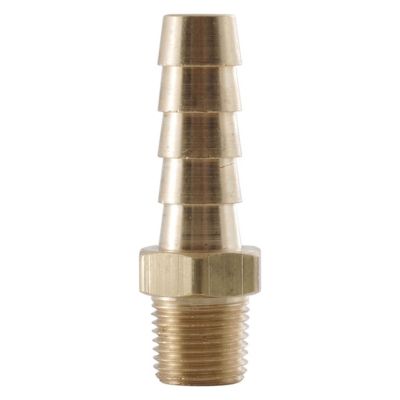
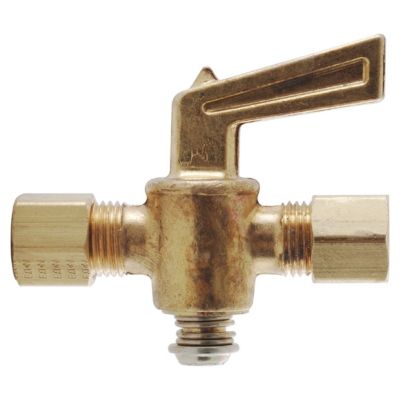
1/4 NPT fittings are a common choice for connecting air lines, pneumatic tools, shop equipment, tanks, gauges, regulators, and other systems that rely on threaded pipe connections. The “1/4-inch” size refers to a nominal pipe size rather than the exact outside measurement of the threads. A 1/4 NPT male thread measures about 0.54 inches across at the widest point and typically has 18 threads per inch. NPT, or National Pipe Taper, threads narrow slightly along their length so the male and female threads draw together as they are tightened. That tapered design helps create a mechanical seal, making thread form and size important when you are replacing a fitting or building a new connection. Before ordering, check the threaded ports on your equipment and confirm that they are NPT rather than another thread style, such as BSP or a straight thread. Also note which side of the connection is male or female and whether you need a straight fitting, elbow, tee, coupler, reducer, plug, or adapter. A quick look at the existing setup, along with a measurement of the port and a check of the equipment manual, can save a trip back to the shop. These fittings are often kept on hand by farmers, ranchers, mechanics, maintenance crews, contractors, and homeowners who handle their own repairs. They can be especially handy around a barn or workshop, where an air hose, tire inflator, spray system, or small compressor may need a replacement connection during the cooler months.
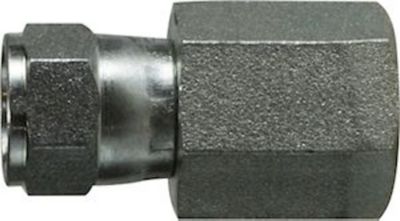
Material selection depends on the job and the fluid or gas moving through the line. Brass is a familiar choice for many air and general-purpose connections because it is easy to install and resists corrosion in ordinary shop conditions. Steel fittings are often selected for equipment that calls for a strong metal connection, and you can compare options in
Steel Fittings. Stainless steel may be suitable when moisture, cleaning chemicals, or harsher surroundings are part of the application, while aluminum can help keep weight down in certain air systems. Always make sure the material is approved for the pressure, temperature, and substance involved. A fitting meant for compressed air should not automatically be placed in a fuel, gas, hydraulic, or drinking-water application without checking the manufacturer’s specifications. Pay close attention to pressure ratings, connection type, and any restrictions listed for the equipment. It is also wise to inspect the receiving port for cracked threads, cross-threading, rust, or damage before installing a replacement. A new fitting cannot correct a damaged port, and forcing parts together may lead to leaks or a costly repair. For systems around a farm or home shop, consider the conditions where the connection will sit. Exposed lines may face rain, mud, washdown water, vibration, or temperature swings, while an indoor compressor line may have a much easier operating environment. Matching the fitting to those conditions helps support a sound connection through routine work and seasonal changes.
For installation, begin with clean, matching threads and make sure the fitting starts by hand. Male NPT threads generally need PTFE tape or a liquid thread sealant approved for the application; wrap tape in the direction of tightening so it does not bunch up at the end of the fitting or enter the air or fluid path. Keep the first thread or two clear, and follow the sealant maker’s instructions for curing time when using a liquid product. Standard NPT connections seal on the tapered threads, so a rubber gasket or O-ring is not normally what makes the pipe thread seal. Tighten the fitting with the proper wrench until it is snug and properly oriented, but avoid leaning hard on the tool. Excess force can split a receiving port, damage the threads, or put stress on a valve or gauge. After installation, bring the system up to pressure gradually and check for leaks with an approved leak-detection solution or another method suited to the application. Never inspect a pressurized connection with your hand, and release pressure before making adjustments. Keep spare 1/4 NPT fittings organized in a small parts cabinet or service box so the right connection is close at hand when a hose or tool needs attention. This size is useful for many everyday shop tasks, from setting up an air line before outdoor work to replacing a connection on equipment brought in from the cold. Taking a few minutes to verify thread size, material, fitting shape, and pressure rating makes it easier to choose the right part and keep work moving safely.