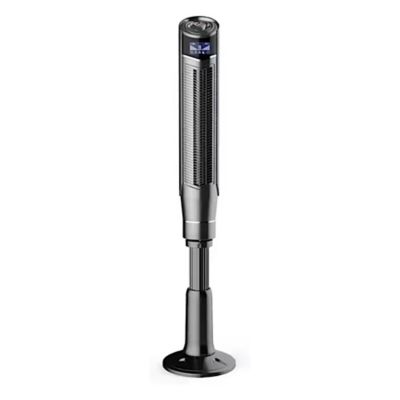
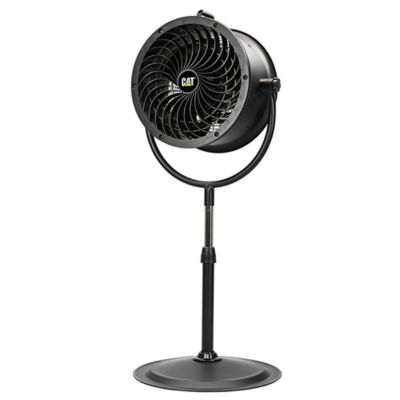
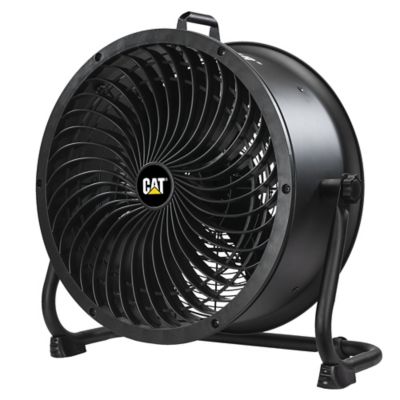
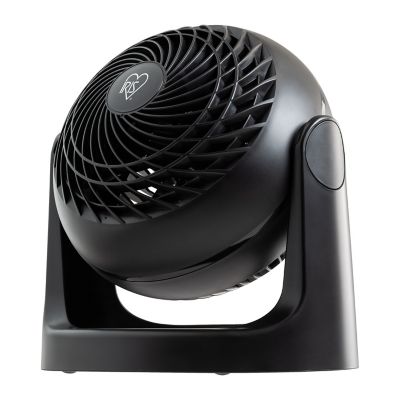
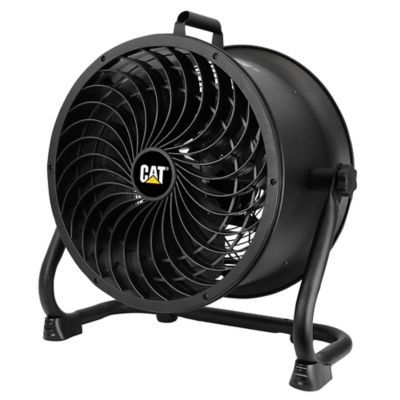
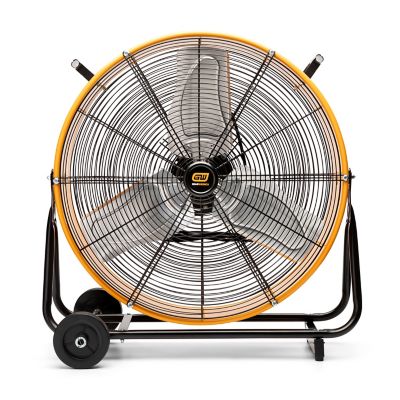
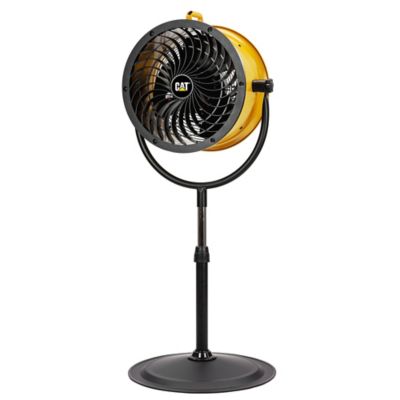
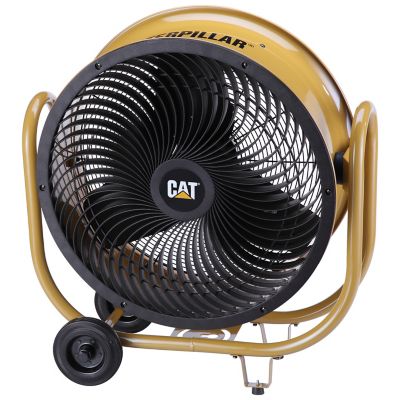
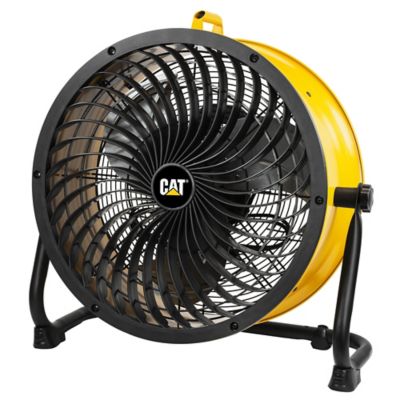
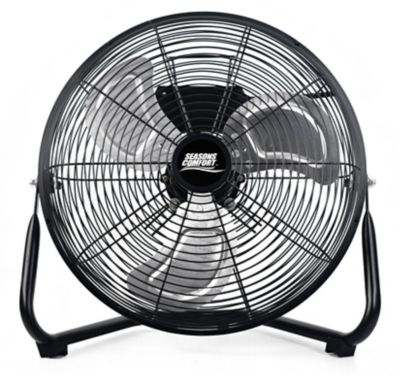
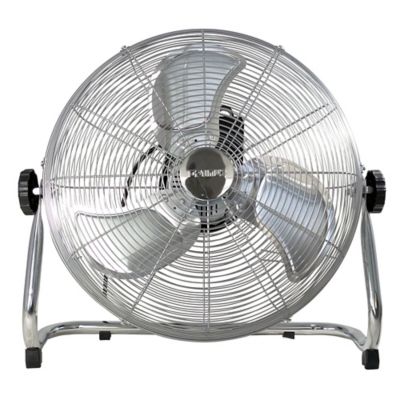
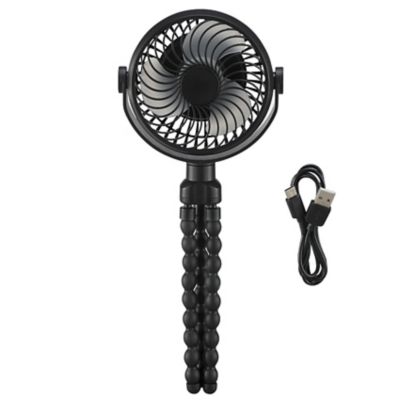
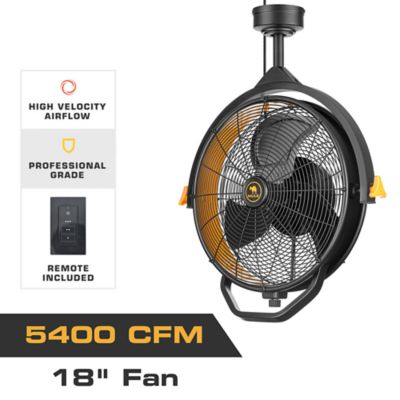
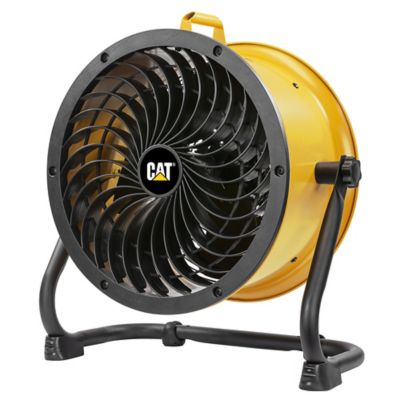
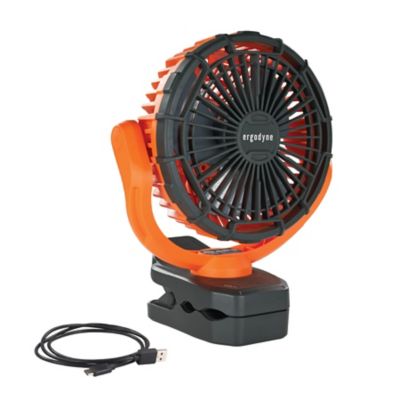
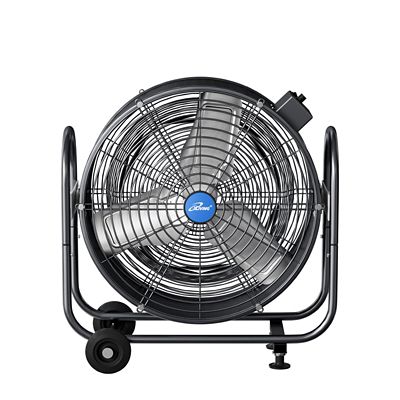
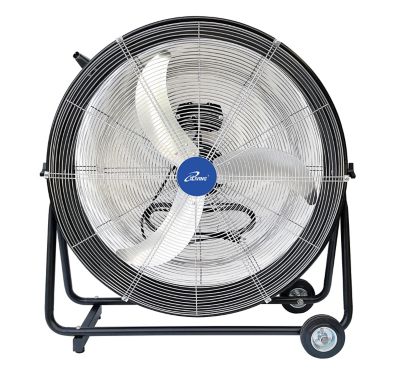
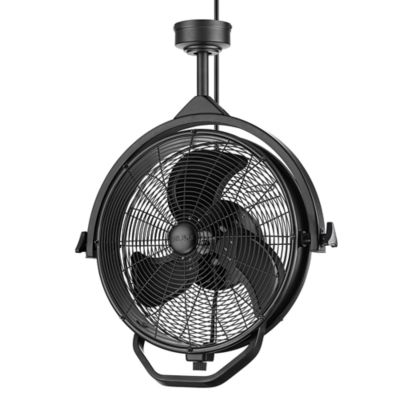
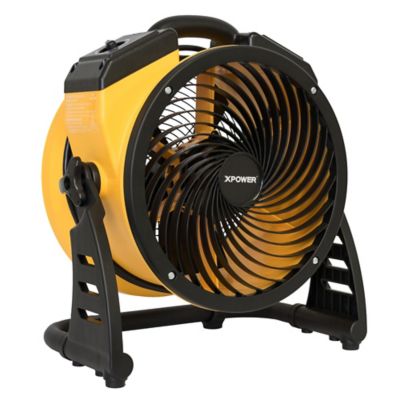
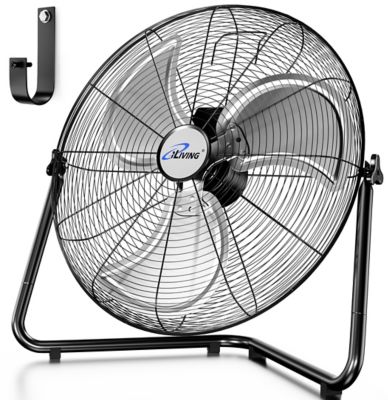
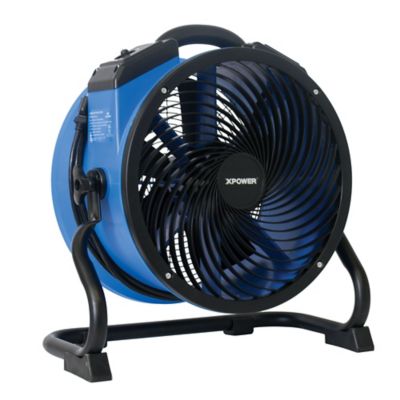
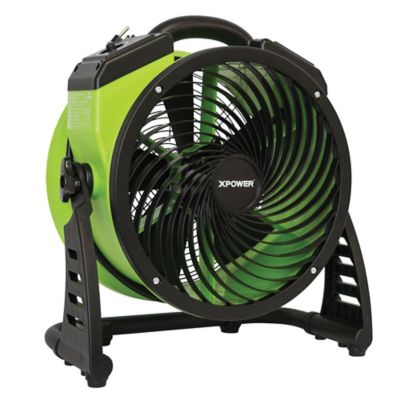
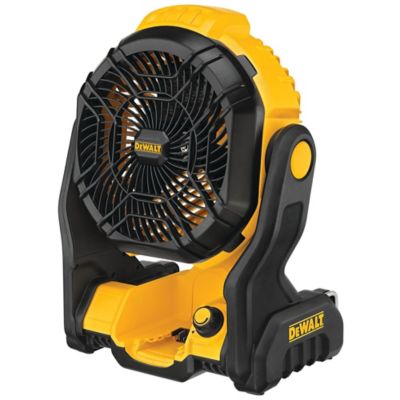
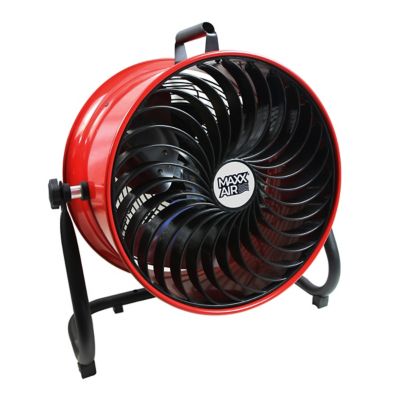
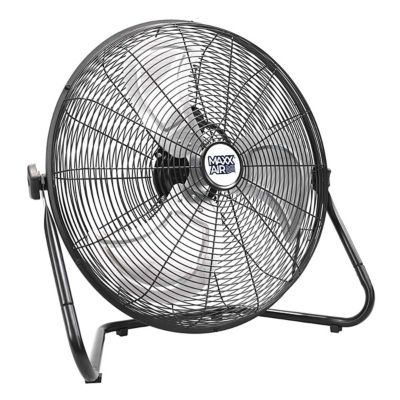
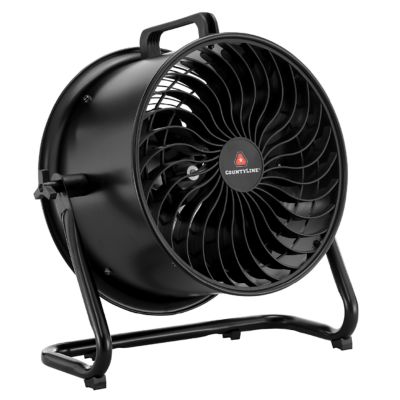
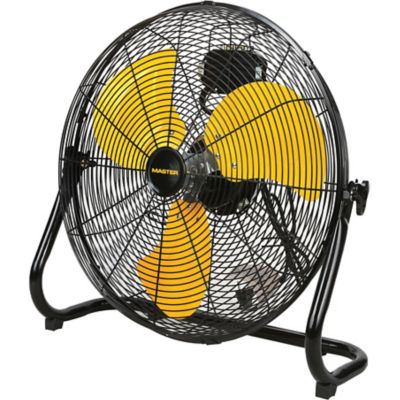
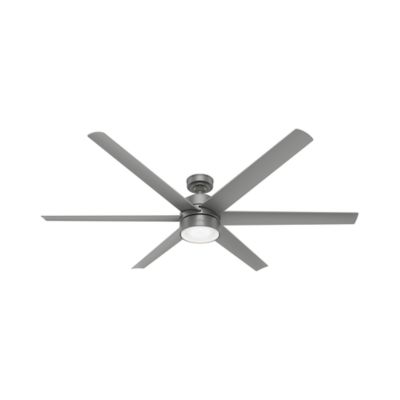
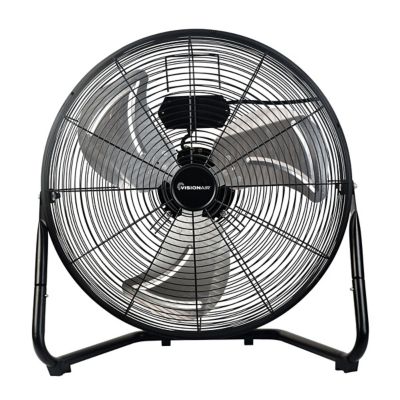
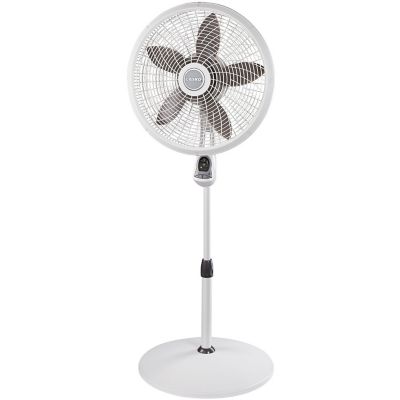
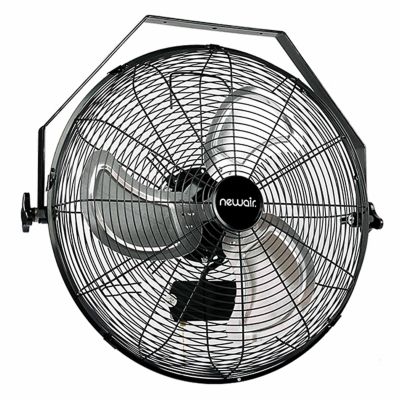
360-degree fans circulate air beyond a single fixed direction, with designs that offer full-circle rotation, multidirectional airflow, or a fan head that can be turned through a full circle. That range of motion can help move air across different parts of a room instead of keeping the breeze aimed at one chair or one end of a workbench. The term “360-degree” can describe different features, though. On some fans, it refers to automatic movement; on others, it describes a head that pivots by hand and stays where it is pointed. Full-circle adjustment is not necessarily the same as full-circle oscillation, and neither guarantees equal airflow in every corner. The direction of movement, fan size, speed settings, and room layout all affect how air travels. In a garage with a long bench along one wall, an adjustable head can direct airflow toward the work area without requiring the whole fan to be moved. In a shared hobby room, a sweeping motion can spread the breeze between several seats. Air circulator designs may also send a more concentrated stream across a room to encourage broader air movement, rather than delivering a wide breeze close to the grille. These differences matter more than the name alone when matching a fan to the space. Airflow ratings, often listed in cubic feet per minute, help describe how much air a fan moves, but they do not tell the whole story about reach, sound, or comfort. A smaller room may call for gentle circulation, while an open workspace may benefit from greater airflow and a wider adjustment range. Shelving, furniture, doorways, and ceiling height can all change the result. For folks moving between a bench, a tool cabinet, and a nearby table, flexible airflow can make a fan easier to fit into the workday. Fans move the air already present; they do not take the place of fresh-air ventilation, filtration, or equipment intended to control airborne hazards.
The right fit starts with the space the fan occupies, not just the diameter of its blades. A compact base can suit a sturdy tabletop, while a floor-standing design needs enough clear space to remain steady and complete its intended movement. An adjustable stand can bring airflow closer to seated or standing height, and a compatible wall or ceiling mounting arrangement can keep floor space open where people carry supplies or roll equipment. Mounting hardware, support requirements, head clearance, and access to controls all matter in those setups. A fan head that rotates freely still needs clearance from nearby shelves, hanging cords, and anything that could catch on its housing. Materials also play a part in everyday handling. Metal housings and grilles can suit busy work areas, while molded plastic housings may keep carrying weight down and wipe clean easily. Neither material alone determines how long a fan will last; grille construction, joint strength, base stability, and the adjustment mechanism deserve attention, too. A head that holds its position securely is useful when airflow needs to stay pointed across a bench rather than slowly drooping toward the floor. Blade design and motor performance influence both air movement and operating sound. A strong breeze may be welcome beside a project table, but conversation, phone calls, or close-up work can make a lower setting more practical. Several speed choices provide room to adjust without moving the fan farther away. Controls that are easy to reach, a clearly marked dial, and a carrying handle can make everyday operation less fussy. Cord length and outlet placement belong in the same picture: a convenient spot is one where the cord stays out of walkways and clear of moving equipment. For a home office, craft space, or garage work area, those small details often shape how comfortably a fan fits into the routine.
Intended use matters just as much as airflow, especially when a fan may leave the house for a porch, outbuilding, or work area. Indoor-only equipment should stay in the conditions named by its manufacturer. For spaces beyond that setting,
Outdoor Fans provide a related category to consider, with the individual electrical rating and installation requirements determining where each design belongs. A roof overhead does not automatically make an indoor fan suitable for a porch, and an outdoor rating does not mean a fan can handle every kind of exposure or worksite. Agricultural spaces deserve particular care because feed dust, bedding, moisture, and animal access bring conditions that a household room does not. Motors and electrical components must be appropriate for the location, and ordinary circulation fans are not substitutes for equipment rated for combustible dust or flammable vapors. Around livestock or pets, secure placement, protected wiring, and separation from moving parts are essential. Routine care also affects airflow and service life. Dust collecting on a grille or blade can restrict movement and leave the fan working harder to deliver the same breeze. A design with manufacturer-approved access for cleaning can make that upkeep more manageable, especially near a busy bench or frequently opened garage door. Cleaning methods vary by construction; electrical parts should stay dry, and the fan should be disconnected from power before cleaning or adjustment that requires handling its internal parts. A soft brush or cloth may be suitable where the care directions allow it. Loose fasteners, a damaged cord, unusual vibration, or a head that no longer holds its position are reasons to stop operation and address the problem. When the fan is put away, a dry storage spot and a loosely gathered cord help protect it between tasks. With the right motion, footprint, controls, and care requirements, a 360-degree fan can fit neatly into everyday work and living spaces without becoming another obstacle to work around.