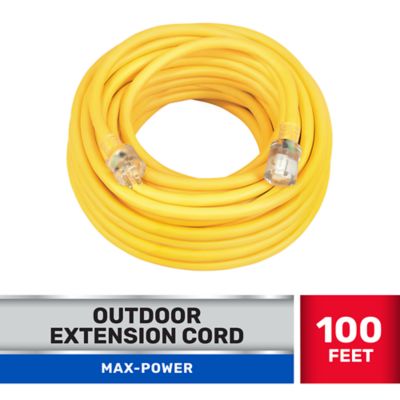
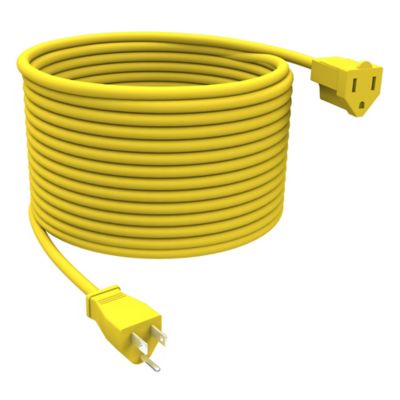
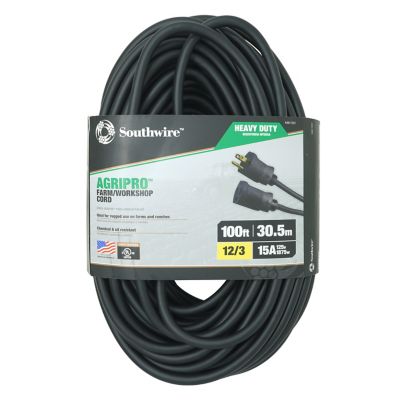
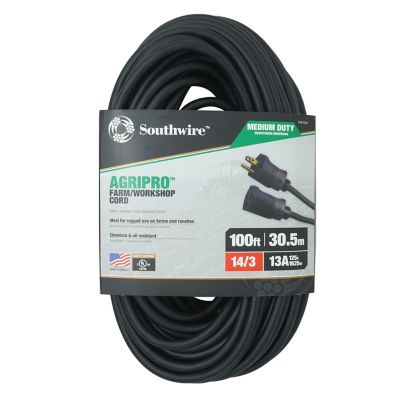
A 100-foot extension cord brings temporary power to tools and equipment when the nearest suitable outlet is a good stretch from the job. That extra reach can make a difference when sanding a gate near the driveway, running a corded trimmer along a fence or setting up a work light beside a repair project. For homeowners, acreage owners and folks working between a garage and an outbuilding, the right cord helps put power where the work is without moving everything back to the wall outlet. Length is only part of the match, though. Wire gauge, electrical ratings, plug configuration and intended use all matter when comparing 100-foot extension cords. American Wire Gauge, usually shortened to AWG, describes conductor size: a lower gauge number means a thicker conductor for the same material. A 12-gauge cord has thicker conductors than a 14-gauge cord, while a 16-gauge cord has thinner conductors than either. Thicker conductors generally reduce electrical resistance, an important consideration when carrying power over a longer distance. Markings such as 12/3, 14/3 and 16/3 combine the gauge with the number of conductors inside the jacket. On a standard grounded extension cord, the “3” identifies three conductors, including the grounding conductor; it does not describe the number of outlets. A grounded three-prong plug also needs a properly grounded receptacle, with its grounding pin left intact. Tool manuals often specify a minimum extension cord gauge for different lengths, making those requirements more useful than choosing by cord thickness or appearance alone. The cord that suits a small work light may not suit a saw or another tool with a higher electrical demand. A little attention to those markings helps narrow the choices to cords that fit the equipment, the distance and the work area.
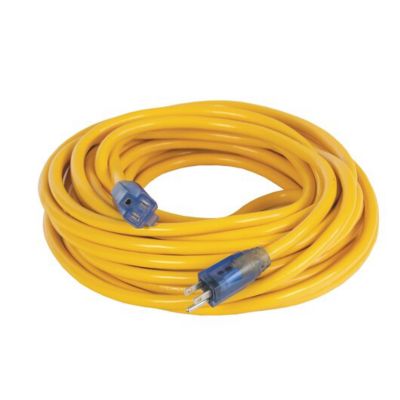
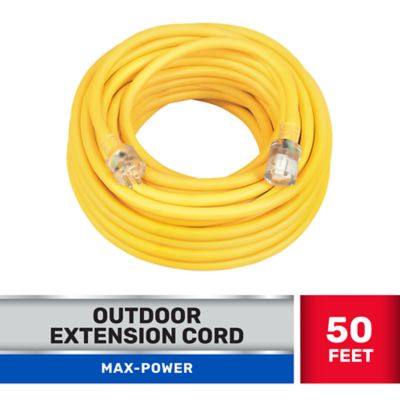
Electrical ratings give 100-foot extension cords another important point of comparison. The amperage rating states the cord’s listed current limit, while the voltage rating identifies its electrical rating for the application. Wattage may also appear on the label. For example, a cord marked 125 volts and 10 amps may list a maximum load of 1,250 watts, while one marked 125 volts and 13 amps may list 1,625 watts. Those figures describe particular ratings, not a promise that every cord of a certain gauge can handle the same load. Gauge alone does not establish a cord’s permitted capacity; construction, listing and manufacturer specifications matter, too. The equipment’s instructions may call for a heavier gauge at 100 feet than at a shorter distance because resistance along the cord creates voltage drop. Equipment with a motor can also draw more current when starting than while running. For a bench tool brought out to a project or a corded tool working well away from the garage, both the tool’s electrical demand and its extension cord requirements deserve a close look. Jacket construction matters just as much to the physical side of the job. Common jacket materials include vinyl and rubber compounds, with different constructions offering different levels of flexibility and resistance to abrasion, oil or other jobsite exposure. An indoor-rated cord is not a substitute for one marked for outdoor use. The “W” in a designation such as SJTW indicates suitability for outdoor use, but it does not mean the cord or its connections can sit in water. A thicker jacket may help protect against scuffs, yet it does not tell the whole story about conductor size or electrical capacity. High-visibility colors can make a cord easier to spot across a work area, while molded plug ends and strain relief help protect the places where bending and pulling tend to concentrate. Lighted ends can indicate that power is present, but they do not confirm correct grounding or establish that a connected load is within the cord’s rating.
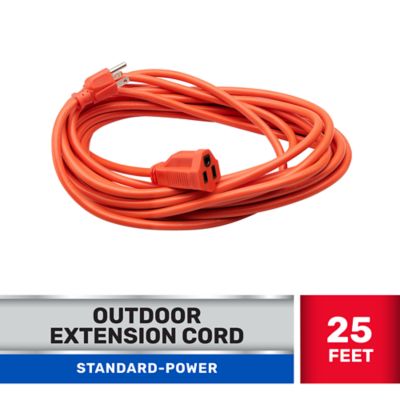
Handling and storage are worth considering with a full 100 feet of cable. A cord should have enough reach to follow a clear route without pulling tight at the plug, crossing a sharp edge or stretching across a doorway where it can be pinched. A route around the edge of the work area is often more practical than one running through the middle of foot traffic. Ground-fault circuit-interrupter protection is important wherever required by the equipment instructions or applicable electrical rules, and connections should stay clear of standing water. Extension cords are for temporary power, not permanent wiring to a shed, barn or detached workspace. They also belong away from vehicle tires, cutting blades and moving machinery. For a job close to an outlet,
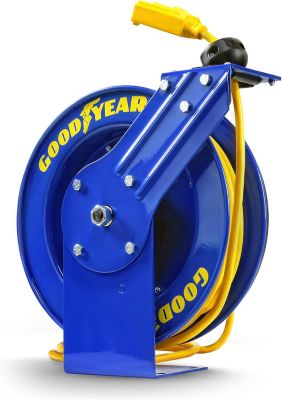
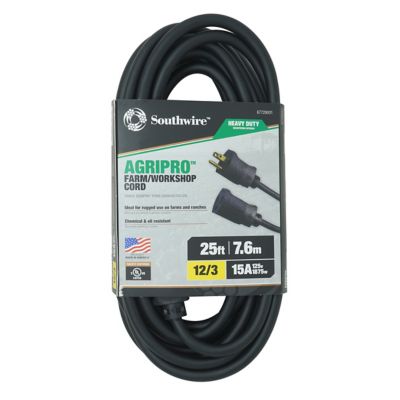
25 Ft Extension Cords offer a shorter length with less excess cable to manage; a 100-foot cord makes more sense when the actual working distance calls for it. Connecting multiple cords end to end adds connection points and can increase voltage drop, so a single appropriately rated cord is generally the better fit when that length is necessary. Before connecting equipment, the jacket, plug blades and receptacle end should be free of cuts, exposed conductors, scorching and loose parts. Damage is a reason to take a cord out of service rather than cover it with tape and keep working. During operation, follow the manufacturer’s instructions for uncoiling the cord, since tightly wound cable can retain heat under load. After the job, disconnect by holding the plug rather than tugging on the cable, wipe away dirt with the cord unplugged and let it dry before storage. Broad, loose coils help prevent sharp bends, while a strap, hanger or suitable reel keeps the full length together. A practical match comes down to sufficient reach, the proper electrical rating, suitable construction and manageable handling from the first connection to the final coil.