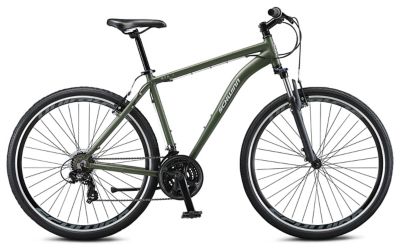
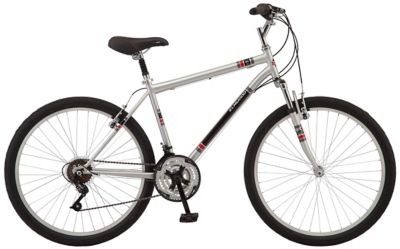
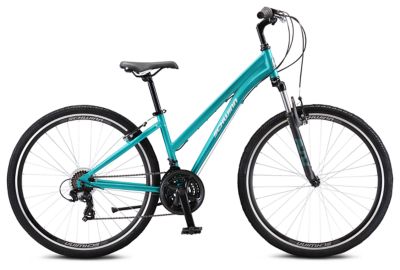
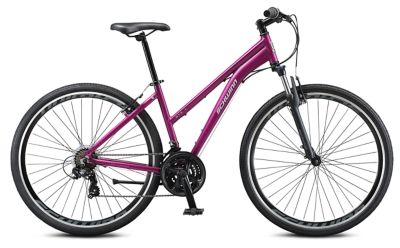
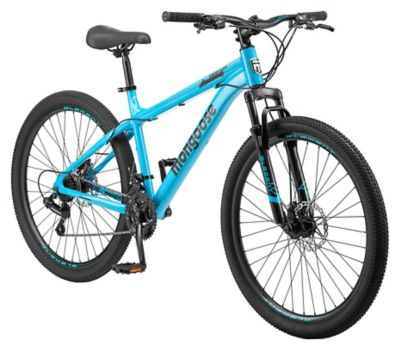
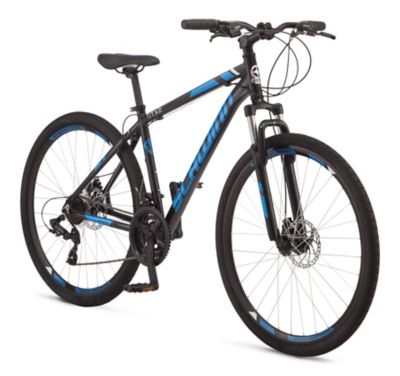
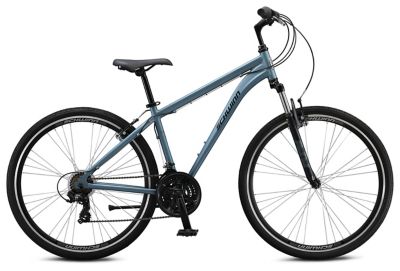
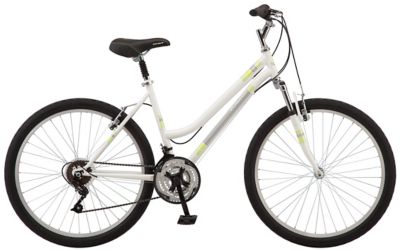
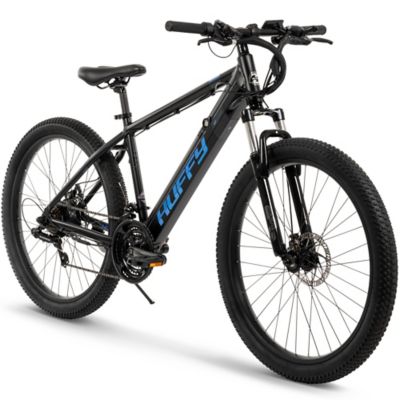
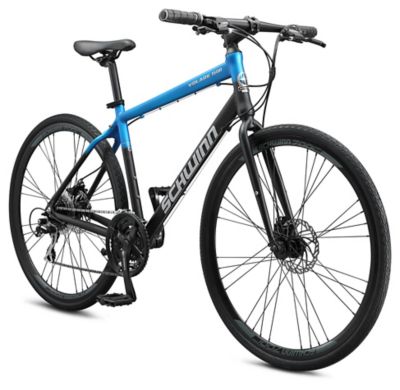
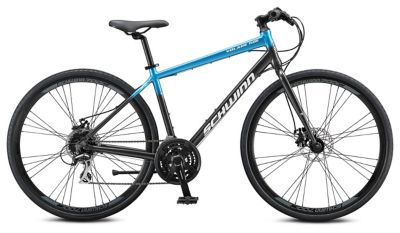
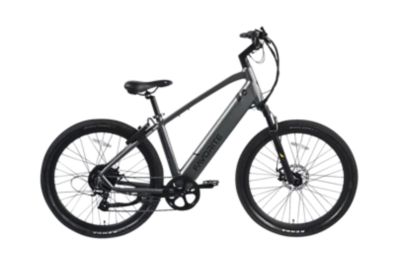
A 21-speed bike has three front chainrings and seven rear cogs, creating 21 selectable gear combinations for riding across changing terrain. That setup, often called a 3x7 drivetrain, gives riders a range of pedaling resistance for climbing hills, rolling along level roads, and picking up the pace when conditions allow. Some combinations have similar gear ratios, so 21 speeds does not mean 21 completely different levels of effort. The benefit is flexibility: a lower gear makes a long rise more manageable, while a higher gear lets the rider keep pedaling comfortably as travel speed increases. On a typical setup, the left shifter controls the front derailleur for bigger changes in gearing, and the right shifter controls the rear derailleur for smaller adjustments. Pairing a smaller front chainring with a larger rear cog creates easier gearing for a climb; a larger front chainring paired with a smaller rear cog creates harder gearing for faster travel. For someone whose regular route includes a paved stretch past the feed store, a gradual hill toward home, and a neighborhood loop, that range can make the ride feel less like a grind. A 21-speed bicycle can suit recreational riders, adults returning to cycling, and teens ready for a bike that fits both their size and their riding plans. Mountain-style and hybrid-style bicycles may share this gearing, but their tires, frames, and riding positions can make them feel quite different. The number of speeds alone does not establish whether a bike belongs on pavement, gravel, or trails. Frame design, tire tread, wheel strength, braking equipment, and the manufacturer's stated purpose matter just as much. Riders sticking to mostly level ground who prefer fewer drivetrain parts may also want to compare
Single Speed Bikes, while those facing frequent changes in grade may appreciate the extra gearing of a 21-speed setup.
Frame material, fit, and contact points have a big say in how a 21-speed bike feels after the first few minutes. Steel frames generally carry more weight than comparable aluminum frames, while aluminum is often chosen to help keep overall weight down. Neither material tells the whole story about comfort or how well a bicycle will hold up; construction, component design, rider load, and care all play a part. Total bike weight matters when lifting it into a truck bed, carrying it up porch steps, or getting it onto a vehicle rack. Fit deserves the same attention as gearing, especially for a bike meant to handle regular outings rather than an occasional lap around the driveway. Wheel diameter is only one measurement, not a substitute for frame sizing. A suitable frame gives the rider room to stand over the bike as its design allows, reach the handlebars without stretching, and operate the brake levers with control. Saddle height should allow a slight bend in the knee near the bottom of the pedal stroke without making the hips rock from side to side. For a growing teen, a frame that is too large can be harder to steer, stop, and mount, even if there is plenty of room to grow. Handlebar shape also changes the experience: a more upright position may feel comfortable for relaxed rides, while a forward position may suit riders putting more effort into their pace. Saddles are another personal fit point, and extra padding does not automatically mean better comfort over distance. Wider tires can provide cushioning and traction on suitable loose surfaces, while smoother tread generally rolls more easily on pavement. A suspension fork can soften bumps, but it adds weight and maintenance needs and does not make every bike appropriate for rough trails. On a route that moves from town pavement to a maintained gravel lane, tire selection and the bike's intended use matter more than a rugged-looking frame.
Everyday details help turn a 21-speed bicycle into something that fits a rider's routine. Shifters should be comfortable to reach and operate, whether the bike has twist controls or thumb-operated levers. Smooth shifting depends on proper adjustment and easing pedal pressure briefly during a shift, particularly when approaching a hill. Changing into an easier gear before the slope gets steep is gentler on the drivetrain than forcing a shift while pushing hard. Running the chain between the largest front chainring and largest rear cog, or the smallest front chainring and smallest rear cog, creates a sharp chain angle that can add noise and wear. Rim brakes and disc brakes have different upkeep needs, and either system needs sound components and correct adjustment. Disc brakes generally maintain more consistent braking in wet conditions, though tire grip and the riding surface still limit stopping control. Fallen leaves, damp pavement, and loose gravel call for extra room to slow down, regardless of the brake type. Routine care includes checking tire pressure within the tire and bicycle manufacturer's guidance, looking for tread damage, checking brake function, and keeping the chain clean and properly lubricated. Grit from an unpaved shoulder can work into moving parts, so wiping away dirt and excess lubricant helps keep the drivetrain running smoothly. A gentle cleaning is preferable to directing a pressure washer at bearings, and sheltered storage helps protect metal parts from moisture. For errands or longer outings, provisions for a bottle cage, rack, or fenders can be useful, but attachment points and load limits vary by bicycle. A properly fitted helmet, visible clothing, and suitable lights add practical preparation for rides during the cooler months, when daylight can run short before chores are finished. A bike can also make a thoughtful gift for someone who enjoys getting outdoors, provided frame size, riding ability, and intended routes come before appearance. With appropriate fit, sensible gearing, and regular attention, a 21-speed bike can serve everything from easy evening loops to longer rides over rolling country roads.