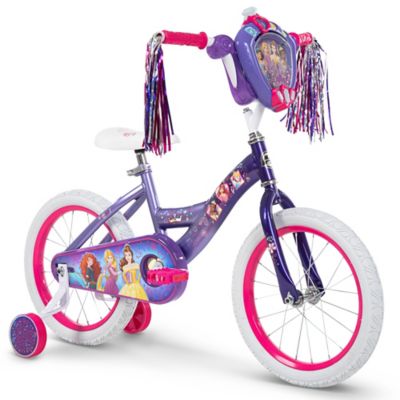
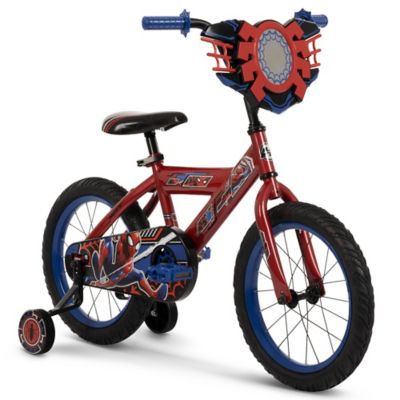
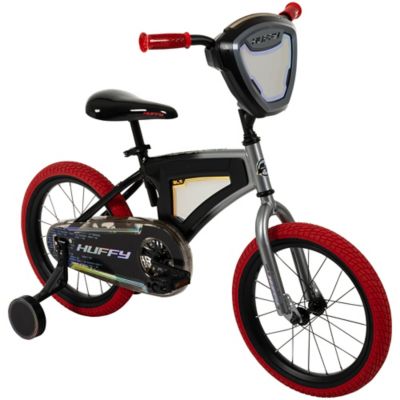
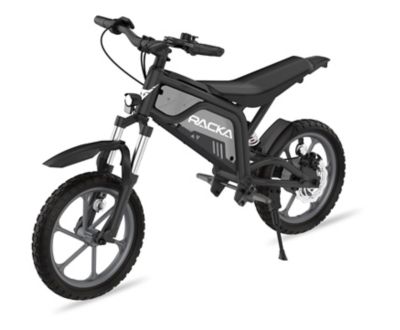
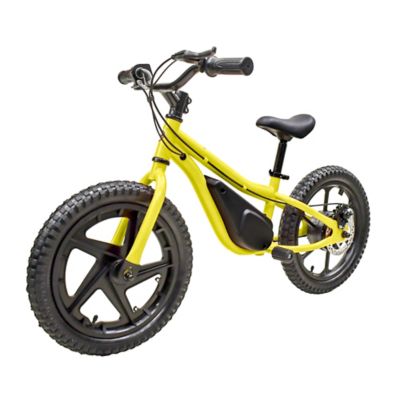
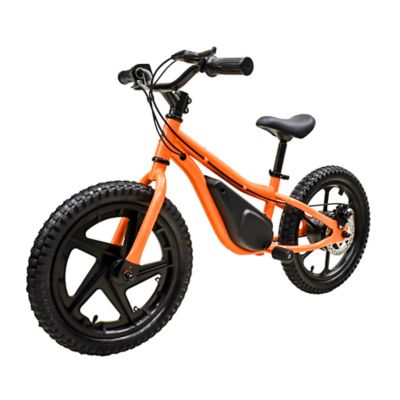
16 inch wheel bikes are a popular next step for young riders who have outgrown a balance bike or smaller toddler bike but are still building confidence on two wheels. They are generally suited to children around 4 to 6 years old, though age is only a starting point. A child’s height, inseam, coordination, and comfort level matter just as much when choosing the right fit. Many riders in this size range are roughly 38 to 48 inches tall, with a minimum seat height commonly around 16 to 18 inches. Before buying, have your child sit on the bike with the seat adjusted low enough for easy control. Beginners should be able to place both feet flat on the ground while seated, especially when learning to start, stop, and balance. More confident riders may be comfortable with their toes touching the ground, but they should still be able to reach the handlebars and brake controls without stretching. A properly sized bike should feel manageable rather than oversized, giving a child room to steer around driveway cracks, gravel, grass, and the occasional wandering stick without feeling like they are wrestling with the frame. Frame weight also deserves attention. Steel frames are sturdy and dependable for everyday family use, but they can be heavy for a small child to lift or maneuver. Lightweight frames may make it easier to pedal uphill, correct a wobble, or carry the bike back home after a long ride. Consider where the bike will be used, too. A child riding short loops on a paved sidewalk may have different needs than one cruising along a quiet lane, packed dirt path, or farm driveway. Look for smooth, responsive steering, a comfortable seat, tires with dependable traction, and components that are sized for small hands. Training wheels can be helpful for a beginner, especially during the first rides, and removable designs allow the bike to grow with a rider’s skills. They should be installed evenly and adjusted according to the manufacturer’s directions so the bike remains stable without leaning too far from side to side.
Braking is another important part of choosing among 16 inch wheel bikes. A coaster brake, which engages when the rider pedals backward, is familiar to many young children and can be simple to use once they understand the motion. Hand brakes may offer more control as a child becomes comfortable squeezing levers, but the levers should be easy for small fingers to reach and operate. Some bikes use a combination of braking styles, giving beginners a familiar way to stop while introducing hand-brake skills. Whichever setup you choose, practice in a flat, open area before heading onto a sidewalk or shared path. Start with stopping drills: pedal a short distance, squeeze or press the brake gently, and place both feet down once the bike comes to a complete stop. A properly fitted helmet is essential for every ride, even when a child is only circling the yard. Bright clothing, closed-toe shoes, and an adult nearby add extra peace of mind, while reflective details can help during the cooler months when daylight fades earlier. Check the tire pressure, handlebar tightness, seat clamp, pedals, and training-wheel hardware from time to time, particularly after transporting the bike or riding over rough ground. Young riders often use these bikes for neighborhood adventures, trips to a nearby park, visits with grandparents, or laps around the yard while grown-ups work outdoors. They are also a practical gift for a birthday, a family milestone, or a child ready to trade a push-along ride for a pedal bike. For a first bike, appearance matters to a child, but dependable fit and easy handling matter more in the long run. A bike that feels friendly and steady can turn a cautious beginner into a rider who proudly heads down the driveway, rings the bell at the end of the lane, and comes back covered in dust with a grin.
When shopping, compare the bike’s listed seat-height range with your child’s inseam instead of relying on wheel size alone. Two bikes with 16-inch wheels can feel different because of their frame design, tire width, seat position, handlebar reach, and overall weight. Check the assembled dimensions and recommended rider information, then leave enough room for comfortable movement without buying a bike so large that a child has to grow into it. Accessories can make everyday use easier, including a kickstand, chain guard, basket, bell, or rear coaster area for carrying a small water bottle or favorite toy, though extra features may add weight. For families who ride on mixed surfaces, air-filled tires can provide a cushioned feel over uneven pavement and packed paths, while tread patterns can help maintain grip on grass and light gravel. Keep in mind that these bikes are not designed for carrying a passenger, jumping curbs, or tackling trails beyond the rider’s ability. Begin with short rides and gradually build distance as balance and stamina improve. During warmer weather, plan rides when the sun is not at its strongest and bring water; during cooler weather, gloves and layers can help little hands stay comfortable on the handlebars. Store the bike under cover when possible, wipe away mud and moisture, and keep the chain lightly maintained so it is ready for the next outing. As a child grows taller and more confident, a larger bicycle may eventually be the better fit. Families moving up in wheel size can browse
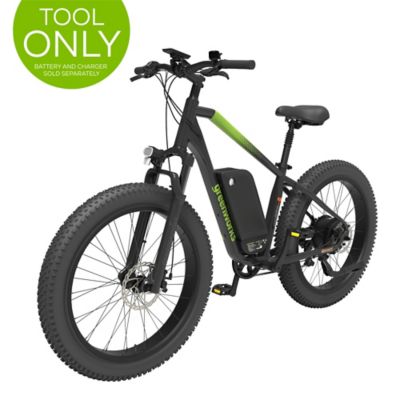
26 Inch Tire Bikes when they are ready to compare options for older or taller riders. With the right fit, basic safety gear, and a little practice in a familiar space, a 16-inch wheel bike can become part of the daily rhythm of childhood: a few laps before supper, a ride to the mailbox, or a Saturday morning trip down a quiet country road with the whole family close by.