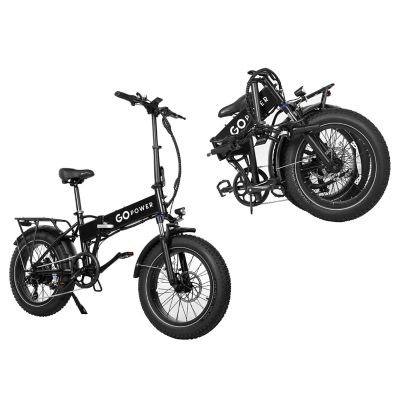
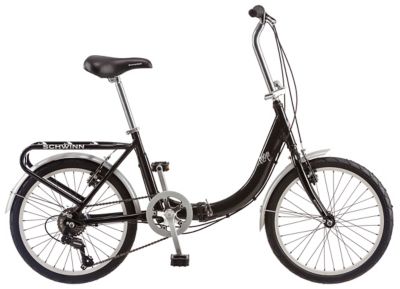
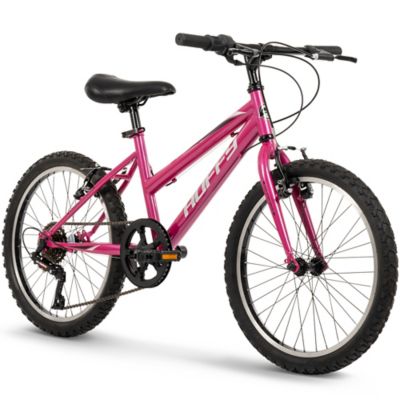
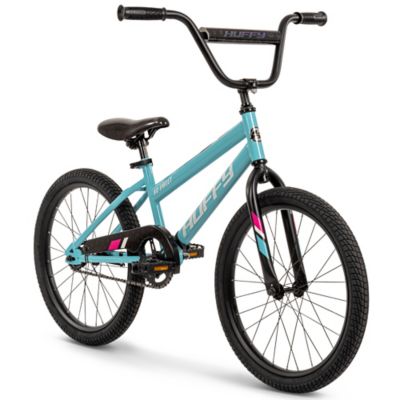
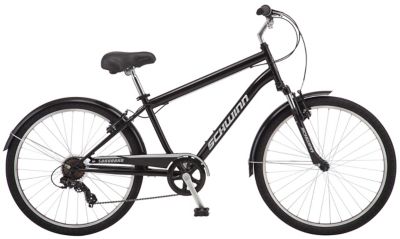
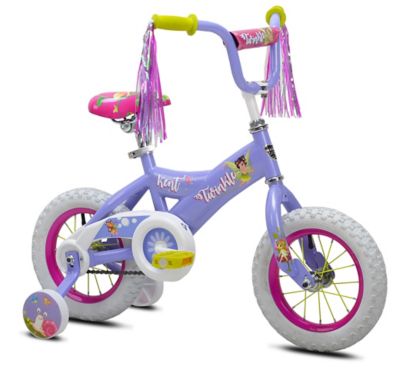
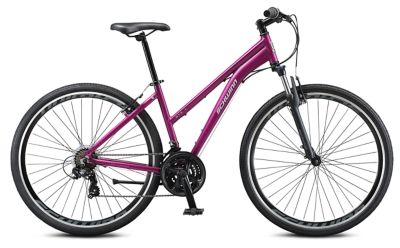
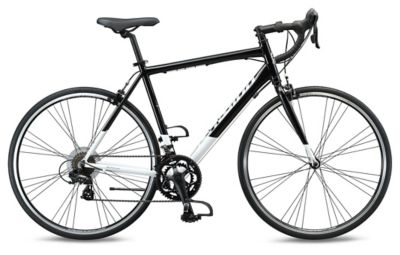
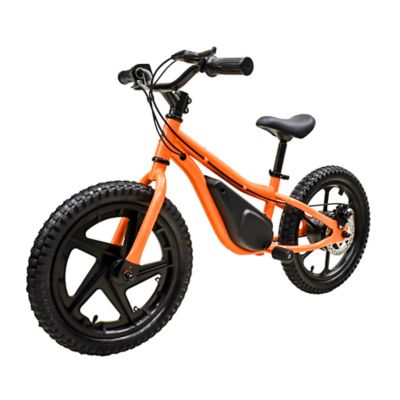
A 20-inch wheel bike often fits children around 5 to 9 years old and roughly 43 to 53 inches tall, though the right match depends on the bike’s frame, the rider’s inseam and their riding experience. The 20-inch measurement refers to wheel diameter, not frame size, so two bikes with the same wheel size can feel quite different from the saddle. For many kids, this size marks the move from short driveway laps to longer rides around the neighborhood, outings at a local park and trips down a smooth, packed path with family. It offers room to build confidence with steering, braking and pedaling without stepping straight into a larger youth bike. Age ranges are a starting point rather than a promise of fit; the manufacturer’s height and inseam recommendations matter more than a birthday. On a traditional frame, being able to stand flat-footed over the top tube with about 1 to 2 inches of clearance is a helpful fit check, subject to the maker’s guidance. The rider should also reach the handlebars without stretching and operate the brakes without shifting their hands out of position. Saddle height needs to suit both the rider’s leg length and their skill level, with enough control to stop and get a foot down comfortably. A bike that leaves a child reaching for the pedals or struggling to hold it upright is too much bike, even if there is room to grow into it. For a smaller rider who is not quite ready for this step,
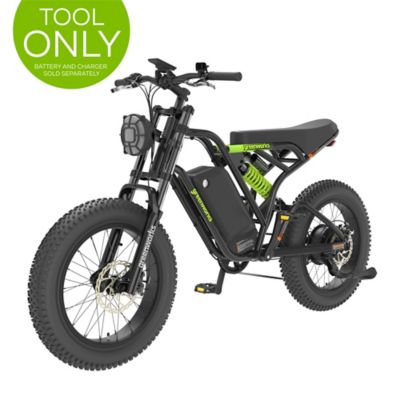
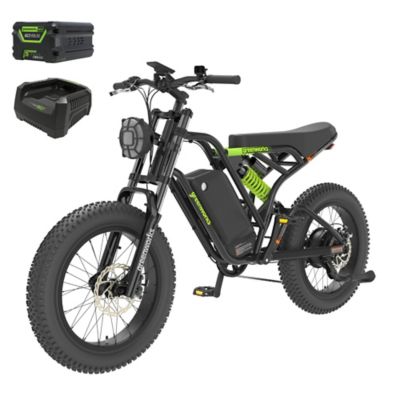
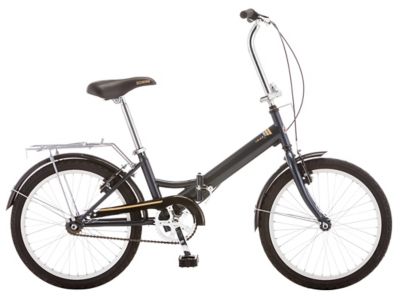
16 Inch Wheel Bikes offer another wheel-size category to consider alongside the maker’s fit chart. Not every 20-inch bicycle is a children’s bike, either. Some BMX and folding designs have this wheel diameter but different frame proportions, rider limits and purposes, making the full sizing information important for older riders as well. Wheel size narrows the search, while frame fit and comfortable control help settle the choice.
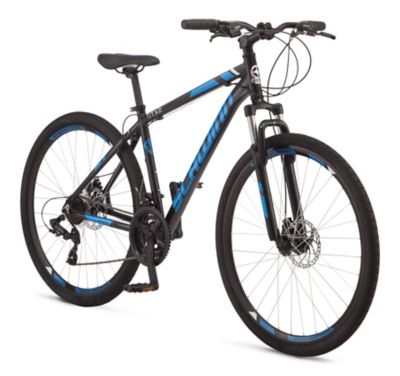
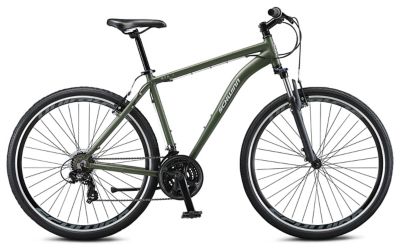
Within the 20-inch wheel bike category, riding style makes a real difference in how a bicycle feels day to day. A single-speed bike keeps things straightforward for a child learning to start smoothly, hold a steady line and stop at the edge of a driveway. With no shifter to manage, attention can stay on the path ahead. Geared designs provide a wider pedaling range for rolling routes and longer family rides, though the rider needs enough coordination to shift while maintaining control. A smaller hill that feels like hard work in one gear may be more manageable with a lower gear, especially when the bicycle itself is not overly heavy. Steel frames are common and can take the knocks of everyday riding, while aluminum frames often reduce weight and are naturally resistant to rust. Total bicycle weight still depends on the fork, wheels and other components, not just the frame material. For a young child, a manageable weight helps with getting started, steering around a bend and lifting the bike upright after a stop. Tire tread also shapes the ride: smoother tread generally rolls easily on pavement, while more pronounced tread can provide traction on suitable dirt paths. Neither tread pattern makes loose gravel or deep ruts easy for an inexperienced rider. BMX-style bikes tend to have compact frames and layouts suited to active riding, but a BMX look alone does not mean a bike is rated for jumps or skatepark use. Youth mountain-style bikes may have knobby tires or a suspension fork; those features should match the terrain and the manufacturer’s intended use rather than appearance alone. Suspension adds weight and maintenance needs, and a rigid fork can be a practical choice for pavement and smooth paths. Upright handlebars, sensible saddle shape and grips that fit smaller hands can matter just as much as the bike’s overall style when a short ride turns into a full afternoon outing.
Braking setup, component protection and everyday care help determine how well a 20-inch bicycle fits into family life. Coaster brakes work by pedaling backward, while hand brakes let the rider control stopping from the handlebars; some bikes combine both systems. With hand brakes, lever reach and the force needed to pull each lever deserve close attention, especially for smaller hands. A child should be able to brake firmly and progressively before heading beyond a quiet practice area. Chain guards can help keep pant legs away from moving parts, although close-fitting clothing and tied shoelaces remain important. A kickstand makes parking easier when a ride ends beside the porch, provided it is compatible with the bicycle and appropriate for its intended use. Adjustable saddles and handlebars can accommodate some growth, but each part must stay within its marked adjustment limits. Routine care is fairly simple on many bikes in this category: tires need pressure within the tire or bicycle maker’s specified range, brakes need consistent stopping power, and wheels should turn freely without wobbling. A clean chain with suitable bicycle lubricant runs more smoothly than one carrying grit from the lane. Wiping the frame and components after a dusty ride, checking for loose fasteners and storing the bike in a sheltered spot can help limit wear and corrosion. Assembly and adjustments should follow the manufacturer’s directions, with a bicycle mechanic handling anything beyond the caregiver’s experience. Before each outing, a quick check of tires, brakes, wheel attachment and handlebar security helps catch problems before they interrupt the ride. A properly fitted bicycle helmet belongs on every ride, along with adult supervision suited to the child and location. Around a farm or rural property, practice areas should stay well clear of driveways with vehicle traffic, equipment routes and livestock enclosures. As a birthday gift or a milestone present, a 20-inch wheel bike is most rewarding when the recipient’s measurements and skills shape the choice. The best match gives a rider comfortable control today, whether the plan is another loop around the park or keeping pace with a sibling on a familiar path.