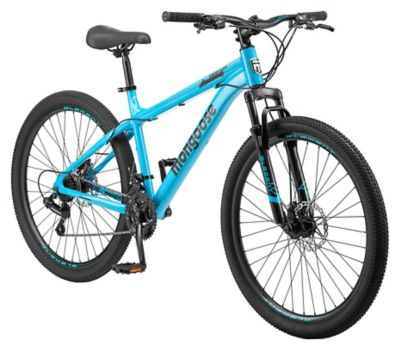
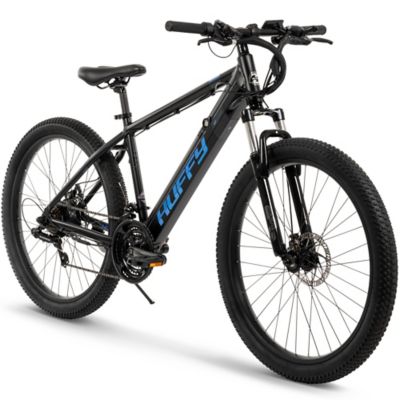
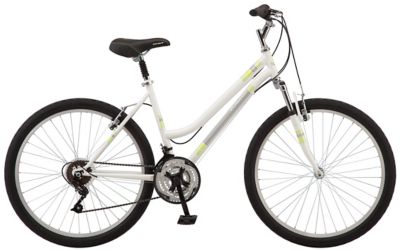
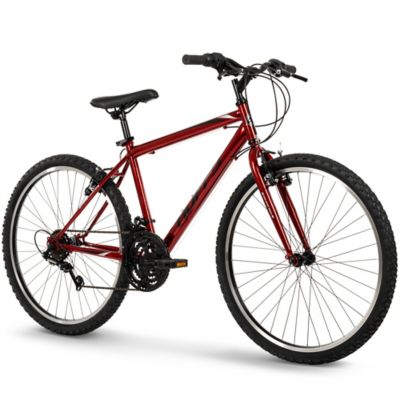
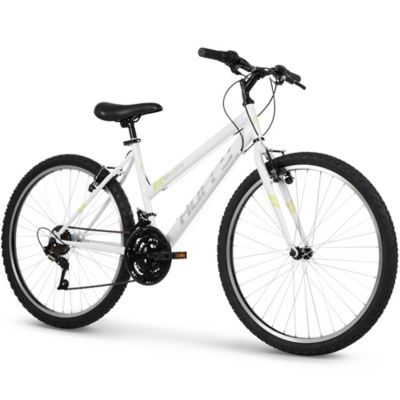
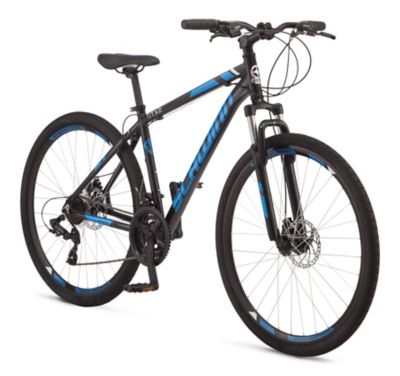
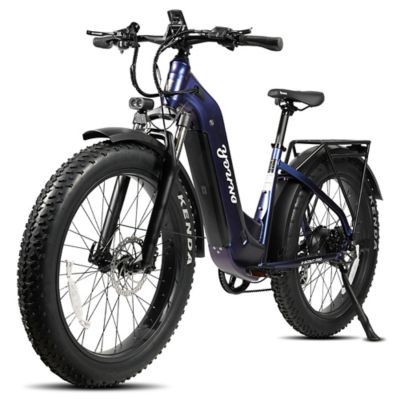
A 21-speed mountain bike has three front chainrings and seven rear cogs, creating 21 gear combinations for adjusting pedaling effort on hills, level ground, and changing terrain. Some combinations overlap in how they feel, so the number describes the drivetrain layout rather than 21 completely different levels of effort. That range comes in handy when a ride starts on a paved neighborhood street, follows a gravel lane, and finishes with a steady climb back toward home. Lower gears make it easier to keep the pedals turning uphill, while higher gears suit faster riding on flatter stretches. The gearing alone doesn’t determine how fast a bike will go or how rough a trail it can handle; frame construction, brakes, tires, suspension, and the rider’s ability all matter. Many recreational 21-speed mountain bikes are built for casual outings, packed dirt paths, and light trail riding rather than jumps, drops, or demanding downhill runs. For a rider getting back into bicycling, a teenager heading out with friends, or an adult looking for an active way to spend an afternoon, that everyday versatility can be a good match. Mountain bike handlebars generally provide a broad grip for steering, while treaded tires help find purchase on loose surfaces. More pronounced tread can help on dirt but may feel slower and sound louder on pavement. A less aggressive tread pattern can suit a mix of streets and firm paths, provided it matches the terrain and the bike’s specifications. The feel of the shifters matters, too. Twist shifters change gears through a rotating grip, while trigger systems have levers near the handlebar grips. Either style should be comfortable to reach without giving up control of the bars. Smooth shifts generally come from easing pedal pressure briefly while continuing to pedal, especially before the ground tilts upward. Having several gears within easy reach makes it simpler to settle into a steady rhythm instead of pushing hard through every rise along the way.
Frame size and rider fit deserve just as much attention as the gear count. A bike that fits well gives the rider room to stand over the frame, reach the handlebars without stretching, and operate the brake levers comfortably. Wheel diameter is only one part of that picture; two bikes with the same wheel size can have different frame dimensions and riding positions. Smaller riders comparing
24 Inch Mountain Bikes should still check the manufacturer’s height recommendations and frame measurements rather than choosing by wheel size alone. Saddle height also affects comfort and pedaling, with a slight bend in the knee at the bottom of the pedal stroke being a common starting point. For growing riders, buying a frame that is too large can make starts, stops, and tight turns harder to manage. These details are especially important when a mountain bike is a gift: the recipient’s height, reach, experience, and usual riding routes are more helpful than age alone. Frame materials influence handling and upkeep as well. Steel frames are often heavier and need attention wherever scratches expose bare metal to moisture. Aluminum frames are often lighter and don’t develop red rust, though they still need routine inspection and protection from corrosion at components and connections. Total bike weight depends on much more than frame material, including the wheels, fork, and other parts. Front suspension can take some of the sting out of small roots and uneven ground, while a rigid rear frame keeps the overall setup simpler than a bike with suspension at both ends. Dual suspension adds movement at the rear, but its presence doesn’t automatically make a bicycle suitable for technical trails. Suspension design, adjustment, and intended riding limits remain important. A comfortable match is one that suits the actual route, whether that means a firm rail trail, a rolling campground loop, or a dirt lane with occasional shallow ruts.
Brakes, wheels, and regular care have a big influence on how a 21-speed mountain bike feels after miles of everyday riding. Rim brakes grip the wheel rim, while disc brakes grip a rotor near the hub. Disc systems generally offer more consistent braking in wet conditions, but both types need proper adjustment, sound braking surfaces, and pads with enough material remaining. Brake levers should sit within comfortable reach, and stopping should feel controlled rather than abrupt or weak. Tire pressure is another practical detail that changes the ride. The right setting depends on rider weight, tire dimensions, terrain, and the tire and rim manufacturers’ limits. Too little pressure can lead to rim strikes or pinch flats with inner tubes, while too much can make a rough path feel harsh and reduce traction. Cooler weather can bring pressure changes, damp leaves, and softer ground, making a quick tire and brake check worthwhile before heading down the lane. Mud and grit also work their way into chains, cogs, and moving parts. Gentle cleaning, drying, and a suitable bicycle chain lubricant help keep the drivetrain moving freely; excess lubricant should be wiped away, and none should reach brake pads, rotors, or rim braking surfaces. Keeping the chain from running at a sharp angle, such as between the largest front chainring and largest rear cog, can reduce noise and unnecessary drivetrain wear. Covered, dry storage helps protect cables, fasteners, and bearings between rides, particularly during the cooler months. Assembly requirements vary, and any bicycle that arrives partly assembled needs every required step completed before riding, including checks of wheel attachment, handlebar security, pedal installation, and brake operation. A bicycle mechanic can handle assembly or inspect anything that doesn’t feel right. Along with a properly fitted helmet, suitable footwear, and lights or reflectors for the riding conditions, those basics help make a recreational mountain bike a practical companion for fresh air, exercise, and the winding route home.