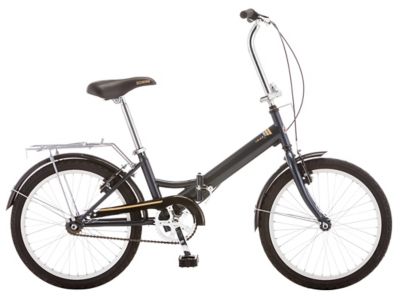
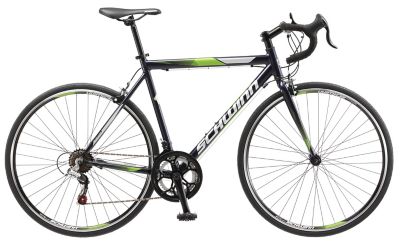
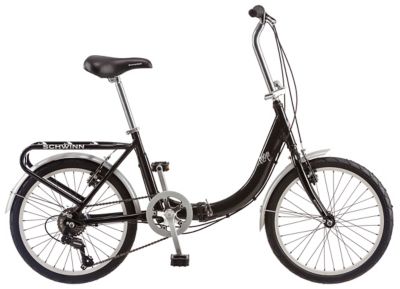
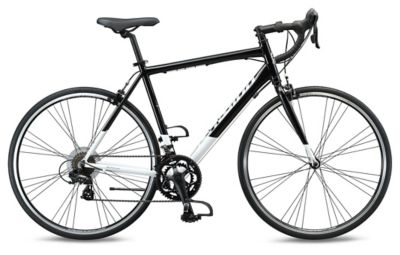
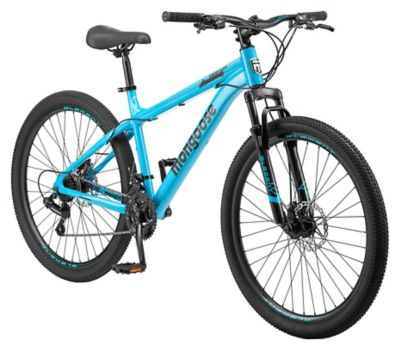
Single speed bikes keep things simple with one gear ratio, no shifter, and no rear derailleur moving back and forth across the wheel. That straightforward setup makes them a handy choice for neighborhood rides, town errands, paved greenways, and daily commutes where the route is mostly level. With fewer moving parts, the drivetrain has less to adjust and fewer components to collect mud, dust, and road grime, which can be a real advantage for riders who would rather spend their afternoon on the trail than in the garage. Single speed bikes are often lighter than geared bikes, easy to carry up porch steps or into a shed, and pleasantly quiet when the chain is clean and properly adjusted. They can suit a first-time adult rider, a teen getting around town, or an experienced cyclist who enjoys a clean, uncomplicated ride. They also make a thoughtful gift for someone who likes practical gear, fresh-air exercise, or a dependable way to get to work, school, the farmers market, or a favorite fishing spot with an easy ride from the parking area. During warmer weather, a single speed bike can turn a short errand into a little time outside, while during the cooler months it remains useful for quick trips when roads and paths are dry and safe. Before choosing a bike, think about where it will be ridden most often. A nearly flat route with smooth pavement is a natural match, while long hills, loose gravel, heavy loads, or extended distances may call for a bike with multiple gears and a broader range of gearing.
The main difference to understand is that a single speed bike usually has a freewheel, while a fixed-gear bike locks the rear wheel’s rotation to the pedals. On a freewheel single speed, the rider can stop pedaling and coast, just like on many familiar bicycles. On a fixed-gear setup, the pedals continue turning whenever the bike is moving, so the rider uses leg pressure and cadence differently. Some bikes use a flip-flop rear hub that can be set up for either freewheel or fixed-gear riding, but the wheel must be installed correctly and the bike should be checked before use. For most everyday riders, a freewheel arrangement offers an easier transition and a more relaxed way to roll through stop signs, corners, and gentle downhill sections. Braking equipment matters, too. A single speed bike with a freewheel does not let a rider slow the bike by pushing backward on the pedals, so look for properly working handbrakes and use both brakes smoothly, with extra care on wet pavement or loose shoulders. Riders who prefer a pedal-back braking setup can compare
Bikes With Coaster Brakes for another style of everyday bike. Whichever arrangement fits the rider, check that the brakes engage firmly, the tires hold air, the wheels spin straight, and the seat and handlebars adjust to a comfortable position. A good fit helps keep knees, wrists, shoulders, and lower back from taking a beating on longer rides. Consider frame size, step-over height, tire width, handlebar position, and the rider’s clothing and footwear. A bike used for work commutes may benefit from room for a rack, fenders, or a basket, while a casual neighborhood bike may be kept lean and simple.
Single speed bikes reward a steady pace and a little attention to route planning. On level ground, the rider can settle into a comfortable rhythm without stopping to shift, and the quiet chainline makes a morning ride feel smooth and unhurried. On a hill, the same fixed gear ratio means the rider must stand on the pedals, ease the pace, or choose a flatter route; that honest, direct feel is part of the appeal for some cyclists and a limitation for others. Check the listed gear ratio and wheel size when comparing options, since those details affect how easy the bike feels to start, climb, and maintain at speed. A lower gearing setup generally feels friendlier on starts and mild inclines, while a higher setup may suit stronger riders who spend more time on flat roads. Regular care is simple but important: wipe down the chain after dusty or wet rides, add bicycle chain lubricant as needed, keep tires inflated to the recommended range, and inspect brake pads, cables, bolts, and tire tread before heading out. Store the bike under cover when possible, especially in a damp barn, shed, or open-sided porch, and use a sturdy lock when leaving it outside a store or trailhead. For a young rider or a gift recipient, include a properly fitted helmet, front and rear lights when riding near traffic, reflective details, and a bell or other audible signal. With the right fit, sensible safety gear, and a route that matches its simple gearing, a single speed bike can be a reliable companion for everyday transportation, light exercise, and unhurried rides through town and country.