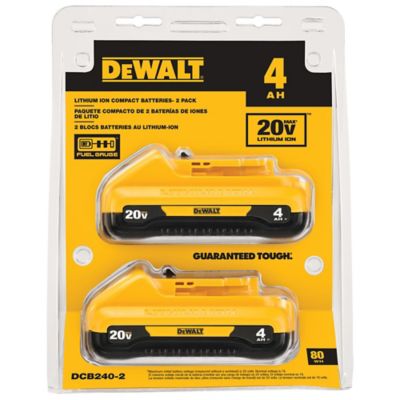
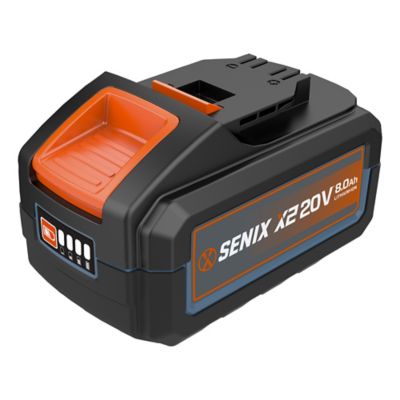
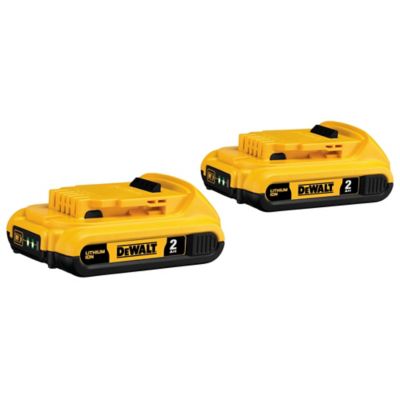
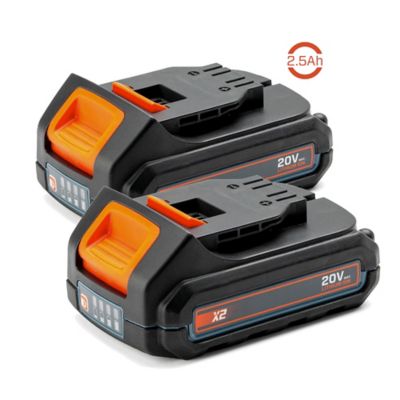
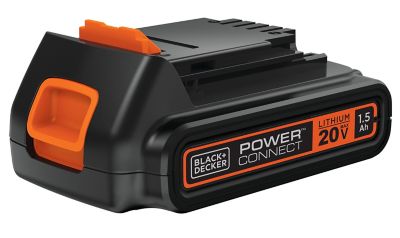
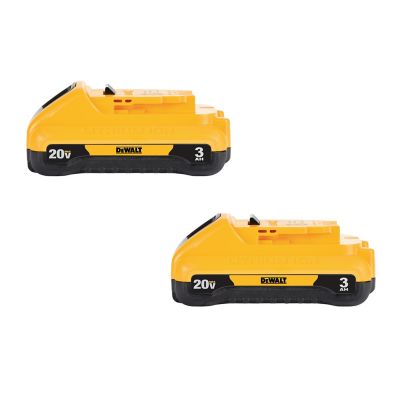
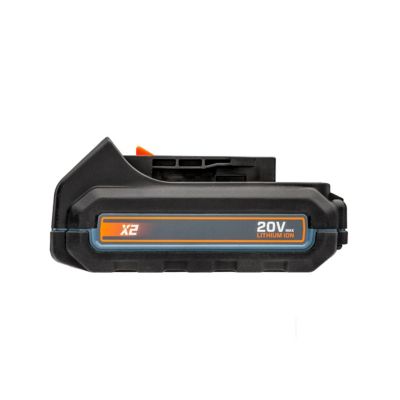
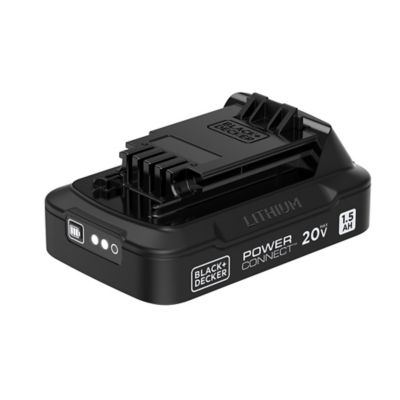
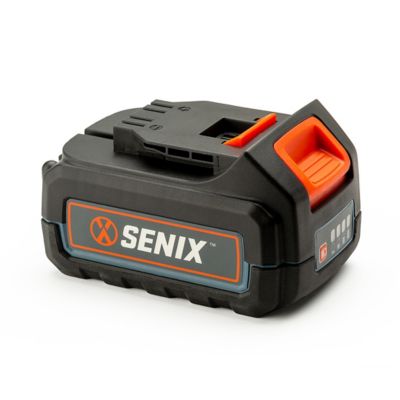
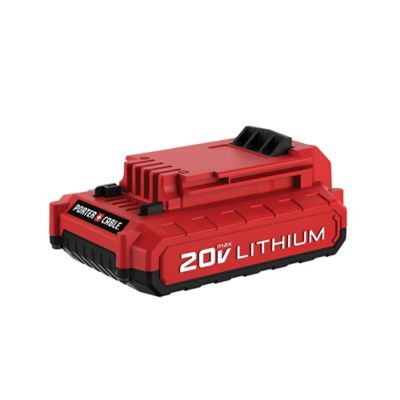
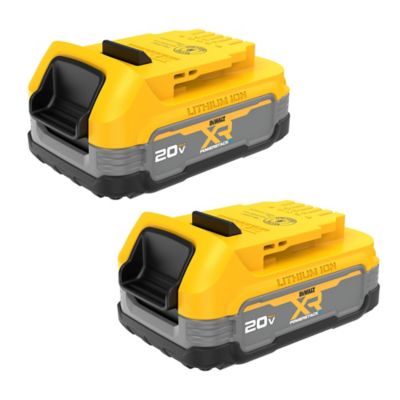
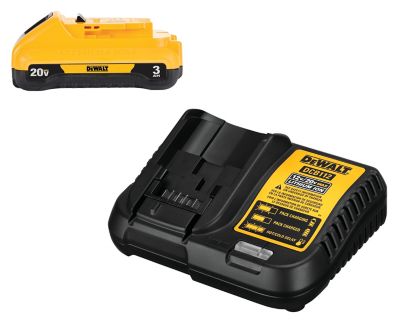
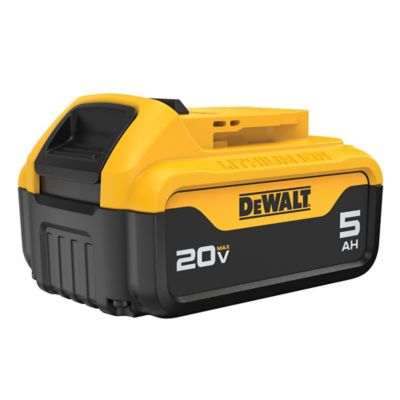
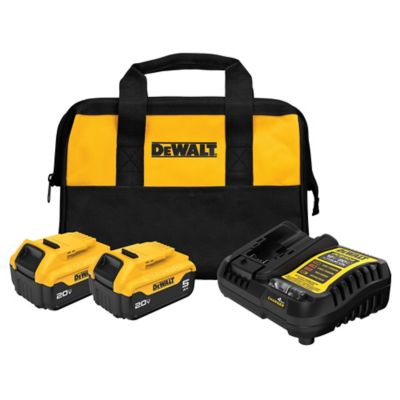
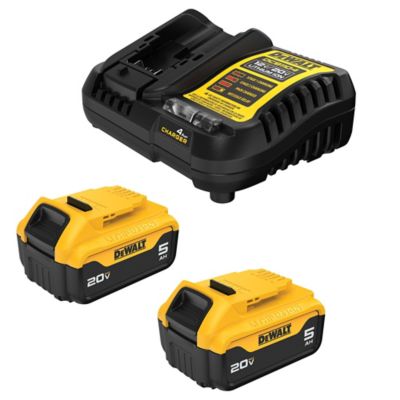
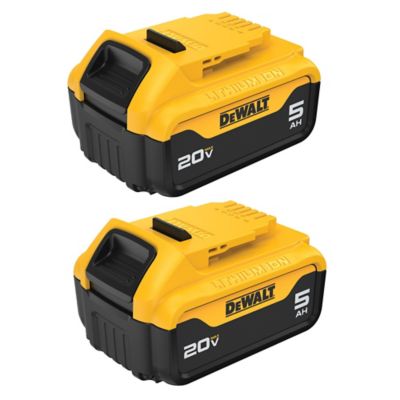
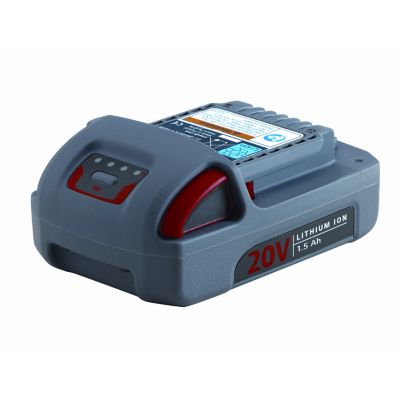
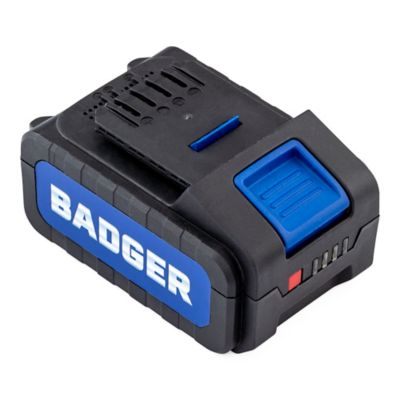
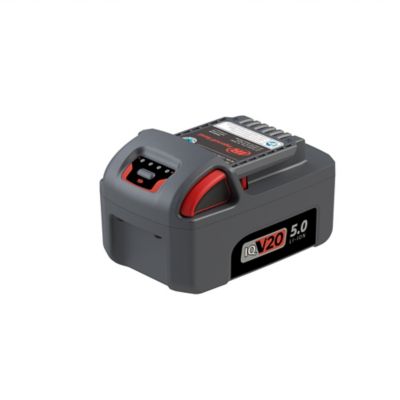
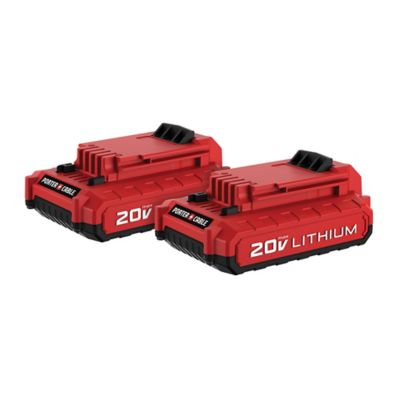
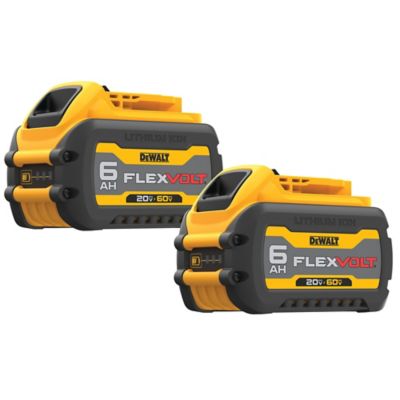
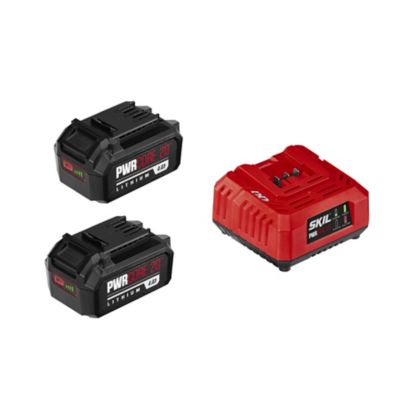
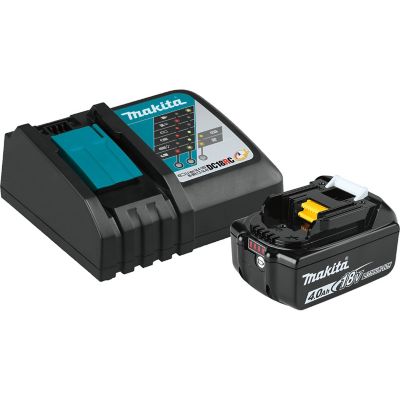
20V max lithium-ion batteries supply rechargeable power for compatible cordless tools, helping keep work moving around the house, shop, barn and property without an extension cord trailing behind. These battery packs store energy in lithium-ion cells and deliver it through connections built for a particular tool platform. The “max” designation generally refers to the initial battery voltage measured without a workload; the nominal operating voltage for a 20V max pack is commonly 18 volts. That distinction matters when comparing labels, but it does not make batteries from different tool systems interchangeable. Battery rails, electrical contacts, locking tabs and control electronics all have to match the equipment. A pack that looks close or carries the same voltage number is not necessarily a safe fit. Compatibility starts with the tool manufacturer’s listed battery requirements, followed by the charger requirements for that same platform. For someone driving screws into stall boards, repairing a gate or building shelves in the shop, a shared battery system can make it easier to move between compatible tools without maintaining several separate charging setups. Lithium-ion chemistry also has relatively low self-discharge, so a properly maintained pack can retain much of its charge between jobs, though storage time and battery condition still matter. Cordless power is especially handy where outlets are scarce, such as an equipment shed or a fence line well away from the house. The battery remains only one part of the setup: the tool, attachment, workload and pack capacity all influence how the job goes. A small fastening task and a long stretch of cutting place very different demands on the same power source. Matching the battery to both the platform and the work helps keep expectations grounded, whether the pack is replacing an aging battery or joining an established set of cordless equipment.
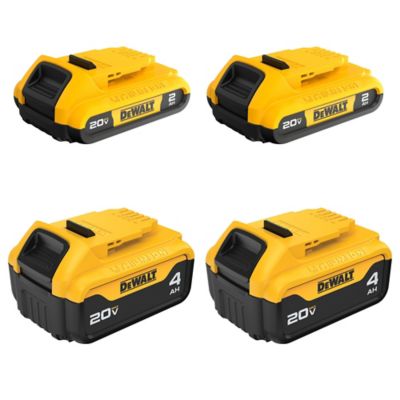
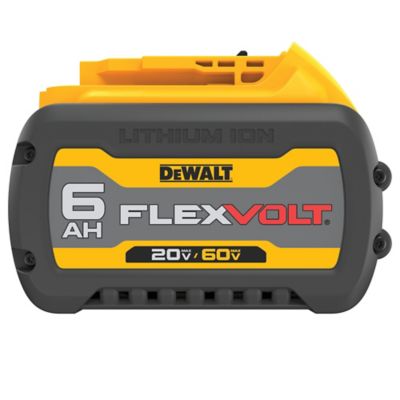
Capacity is another important part of choosing 20V max lithium-ion batteries. The amp-hour rating, often shortened to Ah, describes how much electrical charge a battery can deliver under specified conditions. Within a compatible system, a higher amp-hour rating generally means more stored energy and the potential for longer runtime, not a higher voltage. A 4 Ah pack has twice the rated charge capacity of a 2 Ah pack, but that does not guarantee exactly twice the working time on every task. Tool efficiency, material thickness, cutting resistance, accessory condition and the way the tool is operated all affect energy demand. Battery size and weight matter just as much when a job stretches out. A compact pack can make a drill easier to handle while fastening hinges inside a cabinet or reaching above shoulder height. A larger-capacity pack may suit longer sessions with a compatible saw or another tool that draws more power, provided the manufacturer approves that combination. Some tools also need a particular battery type or minimum capacity to deliver their intended performance, even within one platform. Pack dimensions deserve a look, too, since a larger battery can change the tool’s balance or limit access in a tight corner. For property work involving
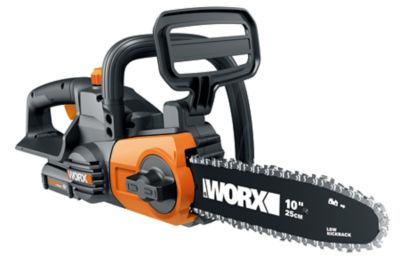
Lithium Ion Chainsaws, the saw’s specified voltage and battery platform come first; the chainsaw category alone does not establish compatibility with a 20V max pack. Runtime claims are most useful when their test conditions resemble the work ahead. Cutting a few small branches is a different load from repeated cuts through thicker wood. A spare compatible battery can help separate work time from charging time, while a lighter pack may be the better choice for short, frequent tasks. Batteries can also make a practical gift for a homeowner, woodworker or property caretaker when the recipient’s exact tool platform and charger requirements are known.
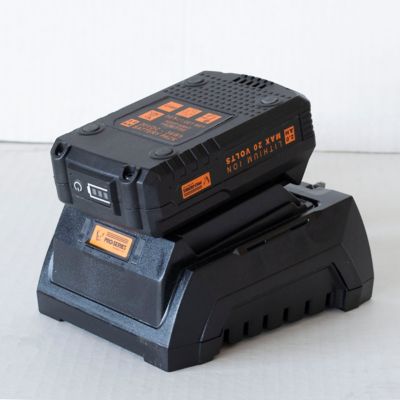
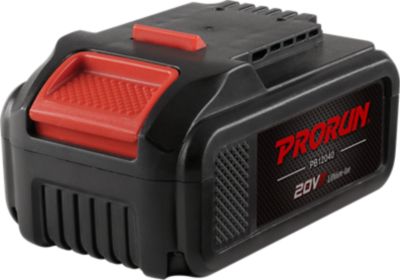
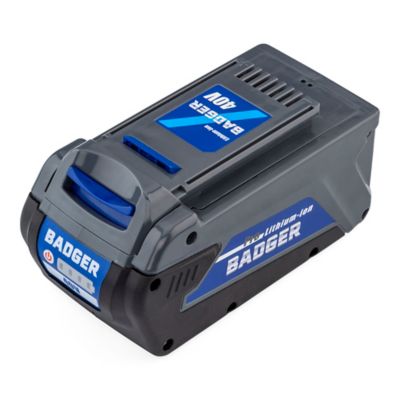
The construction of a lithium-ion battery pack affects how it handles everyday work as well as how it fits the tool. Molded plastic housings surround the cells and internal connections, while slide rails and latches hold the pack in place. Some designs add protective bumpers, charge-level indicators or electronic safeguards that help manage overload, excessive discharge and other operating limits. Those features vary by platform and pack, so the manufacturer’s specifications matter more than appearances. A charge indicator can give a quick sense of remaining energy before heading out to repair a fence brace, but it is not a promise of a particular number of cuts or fasteners. A secure latch and clean contacts help maintain the intended connection through routine handling. Even a sturdy-looking housing should not be treated as waterproof or protected against every drop. Battery care is mostly about keeping the pack clean, protecting it from damage and charging it with equipment approved for that battery system. Dust and wood chips around the mounting area can interfere with seating, so a dry cloth and the cleaning method specified in the manual are better choices than rinsing the pack. Loose screws, nails and other metal objects should stay away from exposed terminals, especially when batteries ride in a toolbox or truck compartment. Charging belongs in a dry location with the charger’s ventilation openings clear. Lithium-ion packs generally do not need to be fully drained before recharging, and storage charge recommendations should come from the manufacturer. A cracked case, swelling, leakage, damaged contacts or unusual behavior calls for taking the battery out of service rather than trying another charging cycle. Worn-out packs belong in an appropriate battery recycling program, not household trash. With the right fit, sensible capacity and regular care, 20V max lithium-ion batteries support the everyday rhythm of cordless work, from a quick hinge repair to a longer afternoon at the workbench.