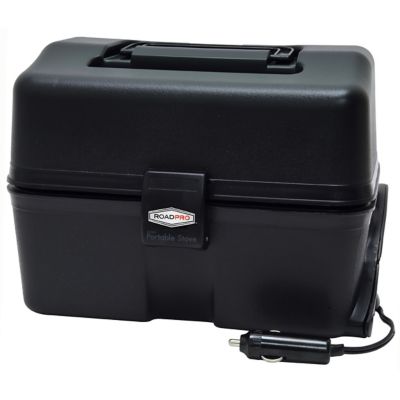
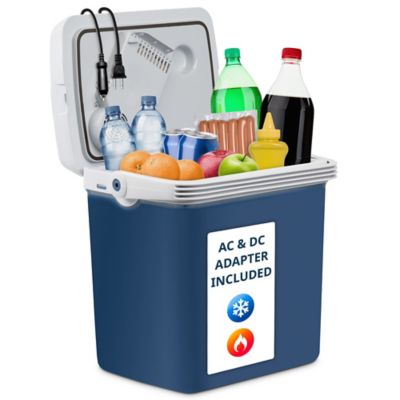
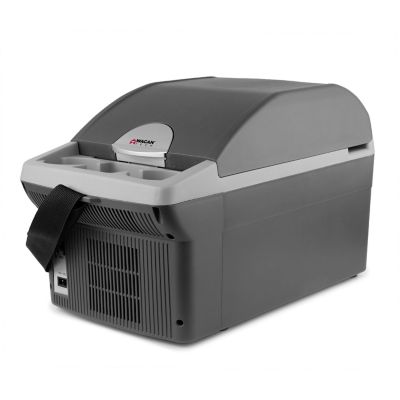
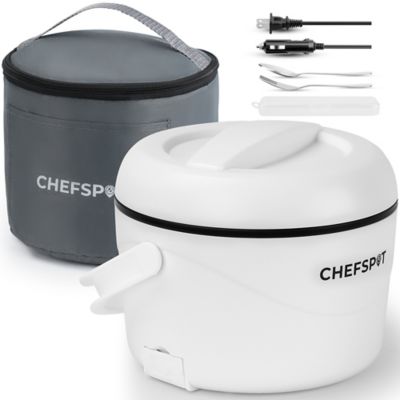
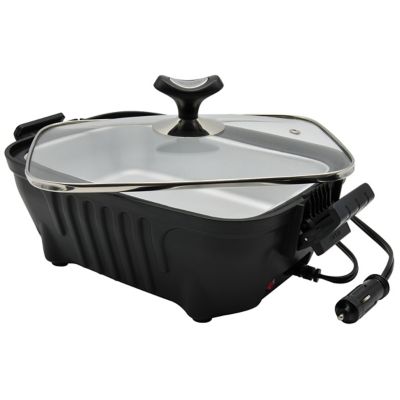
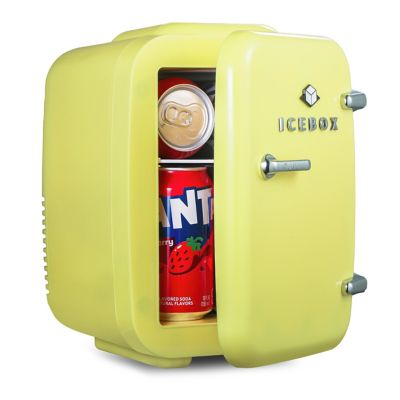
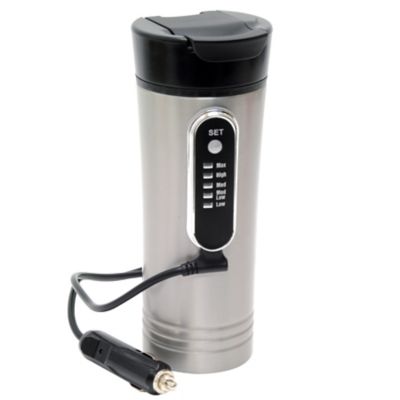
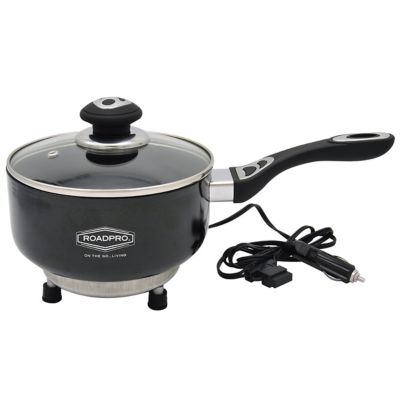
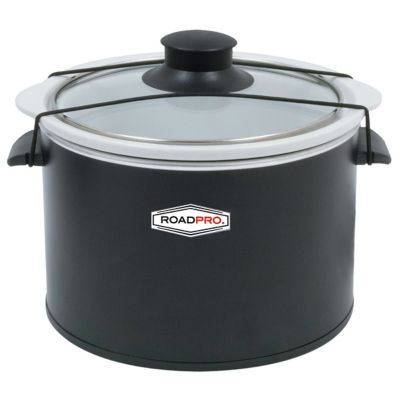
A 12V food warmer for vehicle travel brings a hot meal a little closer when the day takes you far from a kitchen. For folks hauling a trailer, checking fence lines, traveling between job sites, or spending long stretches behind the wheel, a packed lunch can mean more than a sandwich eaten over the steering wheel. Vehicle food warmers draw power from a compatible outlet and provide a place to heat food or help keep it warm, depending on the appliance’s intended function. That makes them a practical fit for drivers who want a meal break without planning the whole day around a restaurant stop. A serving of stew, rice and beans, or a casserole portion can travel in an appropriate food container, with the warmer’s capacity and heating method determining what fits and how it heats. Some designs hold a removable inner tray, while others accommodate certain containers within a heated compartment. Those differences matter when lunch comes from last night’s supper rather than a package sized for the appliance. A shallow portion may heat differently from a tightly packed meal, and thick foods can need different handling than soups or sauces. Warming times vary with the amount of food, its starting temperature, and the unit’s design, so these appliances generally suit a planned meal break better than an immediate bite at a quick stop. The right size also depends on the appetite riding along: a compact lunch portion calls for less space than a full meal for a long workday. For a truck driver, traveling tradesperson, farmhand, or family member who regularly eats away from home, a vehicle food warmer can make a thoughtful gift with an everyday purpose. It fits especially well into routines where there’s a vehicle nearby but no break room or kitchen within easy reach.
The parts that touch food deserve as much attention as the heating function. Depending on the design, a vehicle warmer may have a stainless steel insert, a food-safe plastic container, or a compartment intended for a separate compatible dish. Stainless steel can be convenient for foods with sauces and for repeated washing, while lighter containers may be easier to carry between the house and the cab. Container material alone does not establish whether it belongs in a microwave, dishwasher, or freezer; those permissions come from the care directions for that particular component. A removable tray can make cleanup simpler after chili or gravy, especially when the corners are easy to reach. Lids, seals, and latches also affect everyday handling. A snug closure helps contain lunch during transport, but a carrying lid is not necessarily leakproof, and heating may require a vent to remain open. Soup in a container sitting upright is a different proposition from soup riding at an angle beside a tool bag. Handles, hinges, cord connections, and the outer housing all take regular handling, so their construction matters for repeated trips between the kitchen counter and the vehicle. Insulation can help limit heat loss, but it does not turn a lunch warmer into a refrigerator. Perishable food still needs refrigeration or a properly chilled cooler before heating, and an appliance intended only to hold hot food should not be treated as a cooker or reheating appliance. For leftovers, a food thermometer can confirm a safe reheating temperature of 165°F at the center; food held hot should remain at 140°F or above. Care is usually easiest when food containers separate from the electrical base, which must be cleaned according to its directions rather than submerged. Letting the appliance cool before cleaning and checking seals for trapped food helps keep the next meal from carrying traces of the last one.
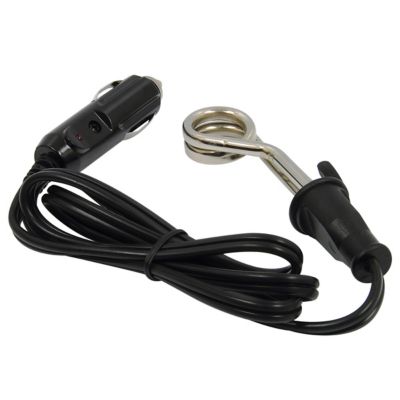
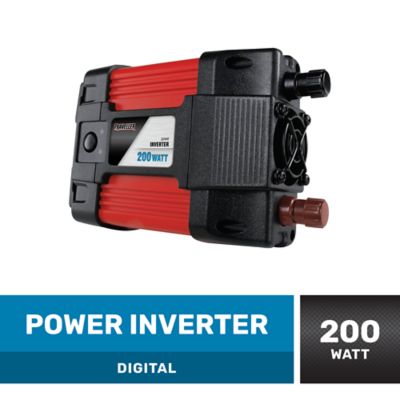
Electrical fit and cab space help determine whether a 12V food warmer belongs in a particular travel setup. A plug that fits an accessory socket is only part of the match: the vehicle’s outlet rating, the warmer’s power requirements, and the manufacturer’s directions need to agree. Not every outlet supplies the same amount of power, and some trucks have 24V electrical systems rather than 12V. An adapter does not automatically make an incompatible appliance suitable. For phones and other small electronics,
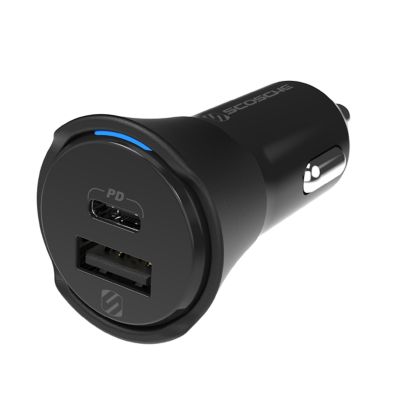
12V USB Vehicle Chargers serve a separate purpose; a food warmer still needs its specified electrical connection and sufficient outlet capacity. Sharing a socket through a splitter can put more demand on that circuit than it supports, especially when several devices are plugged in together. Some vehicle outlets switch off with the ignition, while others stay powered, so the warmer’s routine needs to account for the vehicle’s setup and battery limits. Cord length matters, too, but extra reach is helpful only when the cord stays clear of pedals, seat tracks, shifters, and door openings. A stable, heat-appropriate location with the clearance required by the appliance is more useful than an open spot where the warmer can slide or tip. The safest arrangement keeps the unit secured and leaves the driver’s attention on the road, with any handling or adjustments saved for a safe stop. Overall dimensions deserve a close look alongside food capacity, since handles, lids, and plugs can take up additional room. For someone carrying lunch into a shop or setting it out at a job site, a manageable carrying shape and a straightforward way to remove the meal can matter as much as heating performance. With the right electrical match, sensible food handling, and room for secure placement, a vehicle food warmer can fit neatly into the daily habit of packing a meal before heading down the road.