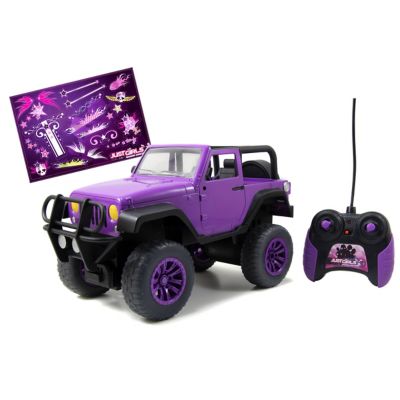
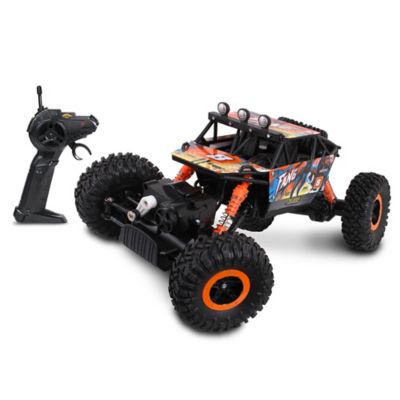
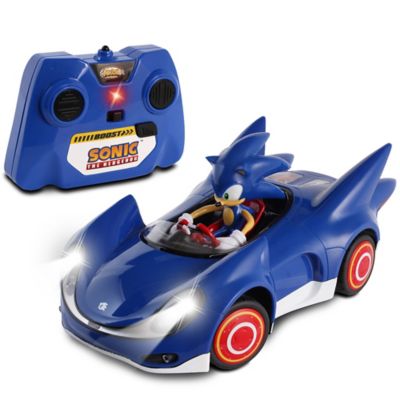
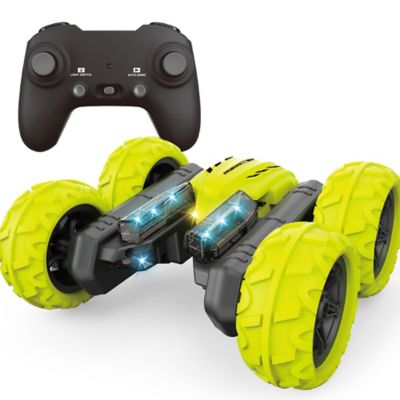
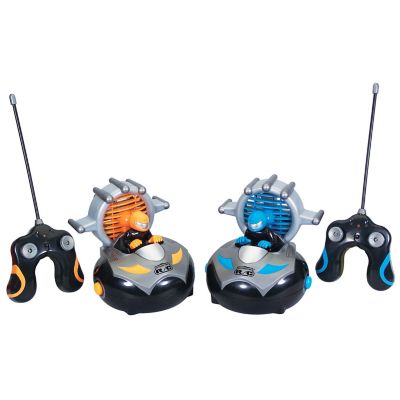
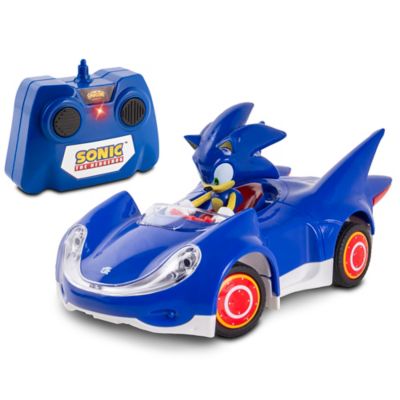
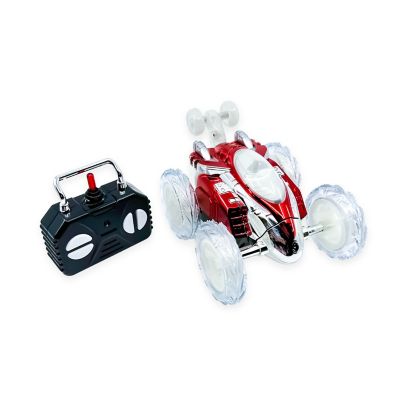
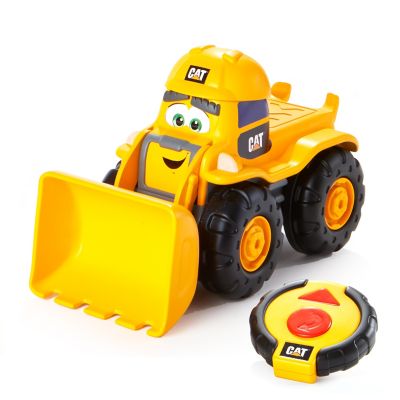
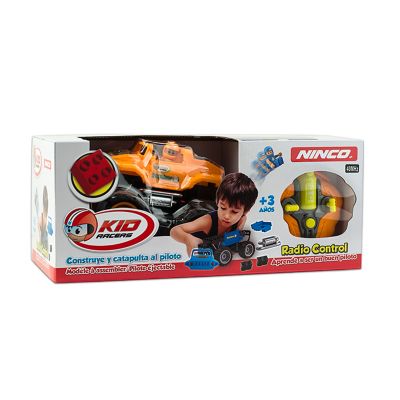
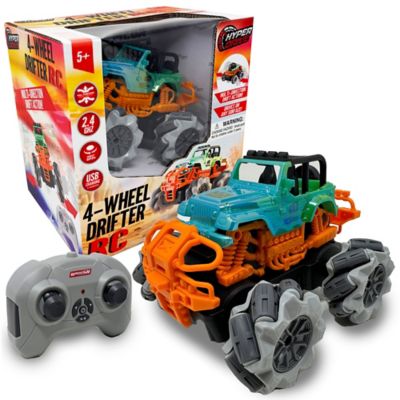
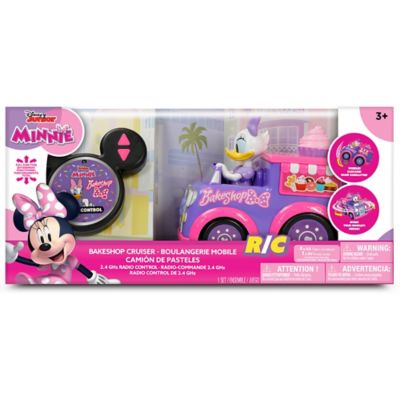
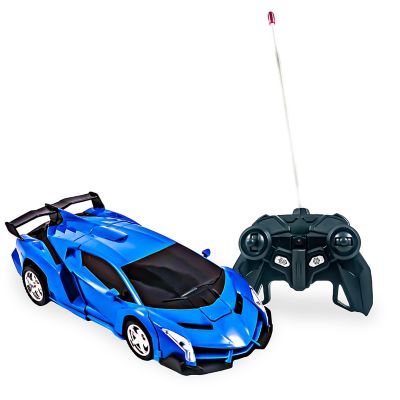
Battery operated RC cars bring a little backyard excitement to the driveway, pasture lane or living room floor without the noise, fuel and upkeep that come with gas-powered models. These cars and trucks use rechargeable electric battery packs, most commonly NiMH or LiPo, to turn the wheels with quick starts and steady power. Smaller models are handy for indoor driving, tabletops and tight spaces, while larger off-road styles are built to handle packed dirt, gravel, grass and uneven ground. Depending on the vehicle, battery size, motor and driving surface, typical run times range from about 15 to 45 minutes per charge, with some setups reaching closer to an hour under easier driving conditions. Speed varies just as much. Beginner-friendly cars may move at a comfortable pace that gives younger drivers time to learn the controls, while performance-focused models can reach 30 to 35 mph or more on a suitable surface. That makes it important to match the car to the driver, the available space and the kind of fun you have in mind. A small 1/24 or 1/18 scale car can weave around furniture or make good use of a smooth porch, while a 1/10 scale truck usually needs more room to turn, jump and stretch its legs. Two-wheel drive models are often lighter, simpler and easier to maintain, making them a practical starting point for casual driving. Four-wheel drive models offer extra traction when the ground gets loose, wet or rocky, which can be useful around gravel drives, grassy yards and homemade obstacle courses. Before choosing, look at whether the package includes the battery and charger, how long charging takes, whether replacement packs are easy to find and whether the transmitter requires separate batteries. A ready-to-run setup can be a welcome choice for a gift or a first RC car because it lets the recipient spend more time driving and less time gathering parts. For someone who already enjoys the hobby, a model with adjustable suspension, replaceable tires or upgradeable electronics can provide room to fine-tune the ride over time.
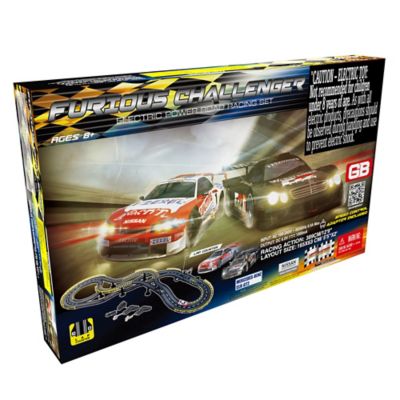
Battery chemistry also deserves a close look. NiMH batteries are known for being budget-friendly, straightforward to use and relatively low maintenance, which can make them a comfortable fit for beginners and younger drivers when used with proper adult supervision. LiPo batteries are lighter and deliver strong power, fast acceleration and an energetic feel, but they call for more careful charging, storage and handling. Always use the charger intended for the battery type, inspect packs and connectors for damage, and follow the manufacturer’s directions rather than leaving a battery charging unattended. It is smart to keep hands, loose clothing and curious pets away from spinning wheels, especially during first runs. A clear stretch of pavement is the easiest place to learn steering and throttle control; once the driver gets comfortable, the car can move on to dirt, short grass or a simple trail made from cardboard ramps, small boards and packed soil. Keep an eye on water resistance claims, since splash-resistant does not mean fully waterproof, and dry the vehicle after running through damp grass or puddles. Brush away grit from the wheels and suspension, check for tangled grass, tighten loose hardware and let the motor cool between hard runs. During the warmer part of the season, an RC car can turn a driveway gathering into an easy activity for kids, teens and grown-ups alike. As the cooler months settle in, smaller cars can be enjoyed indoors on carpet or a cleared basement floor, while off-road models remain ready for crisp afternoons outside. They also make thoughtful gifts for birthdays, family occasions or anyone who likes hands-on hobbies, whether that person is learning the basics or looking for a new way to spend time outdoors. For a different kind of remote-control racing that follows a fixed track instead of an open yard, browse
Remote Control Slot Cars. Keep expectations realistic when comparing models: advertised top speed is usually measured on a smooth, open surface with a fully charged battery, while hills, thick grass, loose gravel and frequent stops will reduce speed and runtime. Choosing the right car is less about chasing the biggest number and more about finding a dependable match for the driver’s experience, the terrain and the space available for a good run.