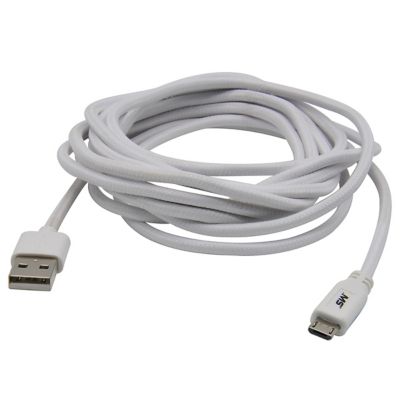
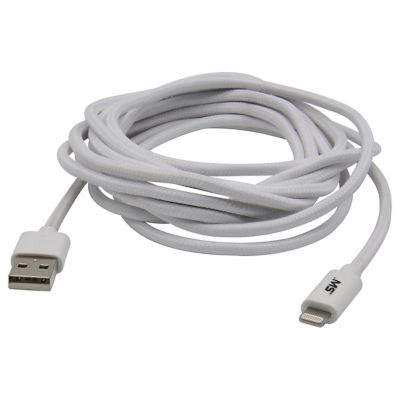
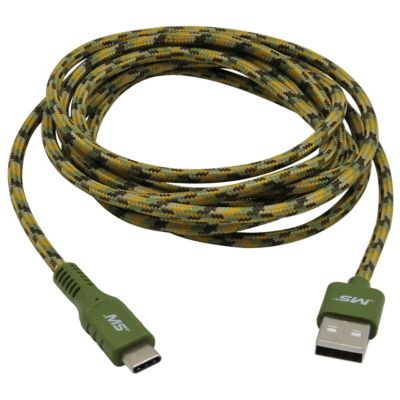
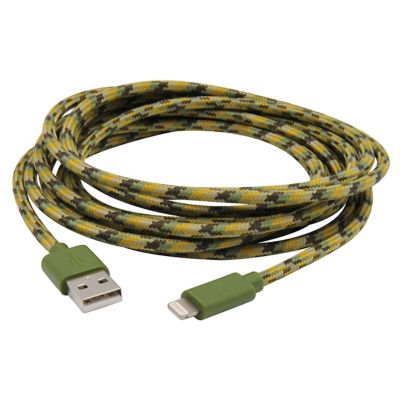
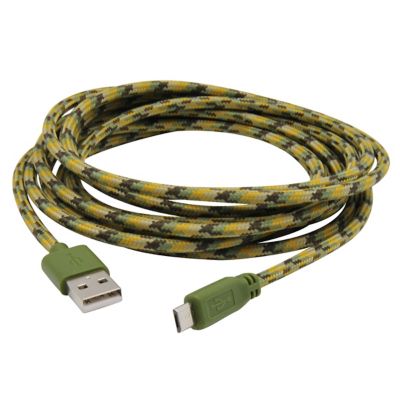
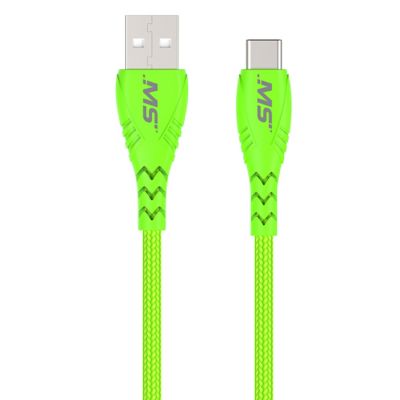
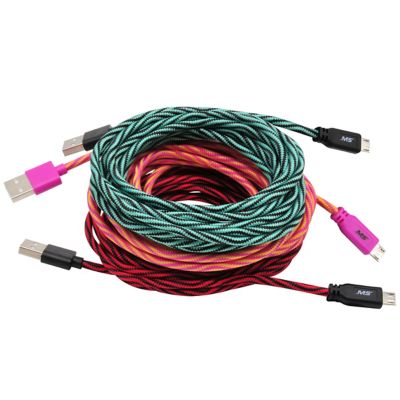
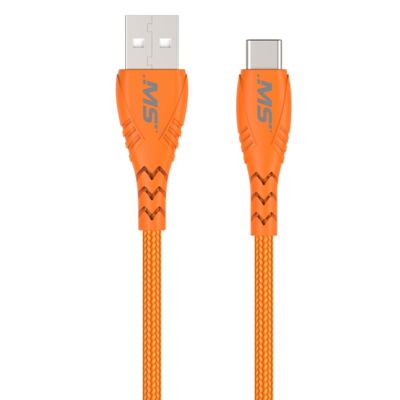
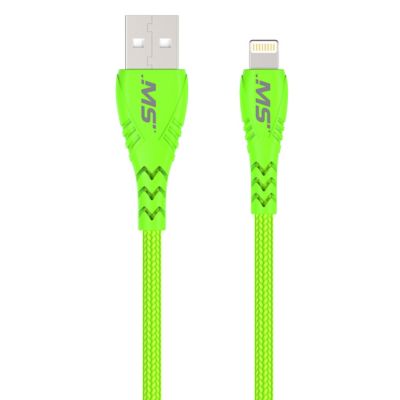
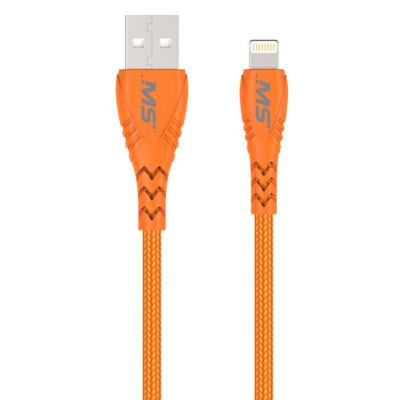
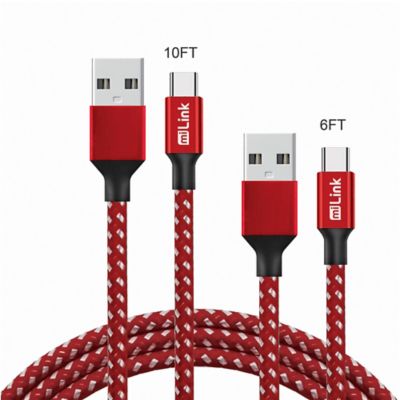
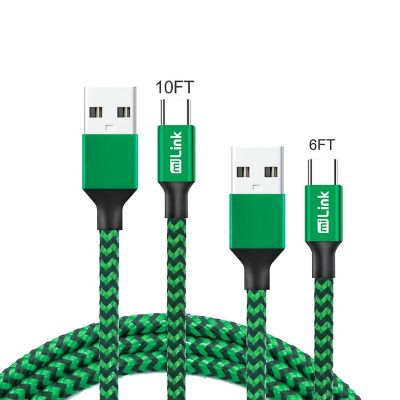
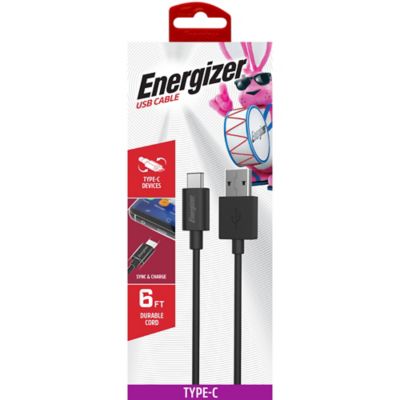
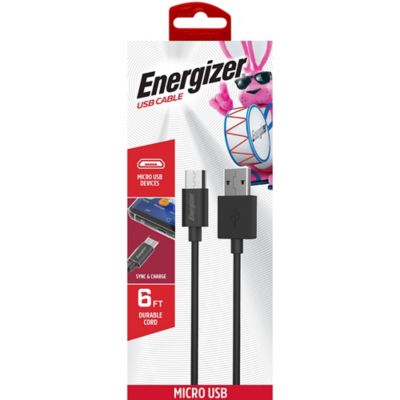
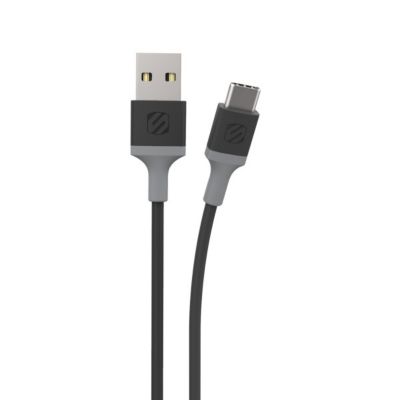
A 10-foot USB cable gives you extra reach when a standard-length cord leaves your phone, tablet or other device stuck beside the outlet. That added distance can make a real difference in a bedroom, workshop, office, truck cab or living room, especially when the nearest wall receptacle is behind a piece of furniture or across the room. These cables are useful for charging devices while you keep them close at hand, connecting equipment without rearranging your whole setup and reducing the strain that comes from stretching a short cord tight. A longer cable can also be handy on a nightstand, kitchen counter or workbench where you need room to move a device without unplugging it. During the warmer months, a 10-foot cable may reach from an outlet to a porch chair, campsite table or garage work surface; when the weather turns cooler, it can keep a phone or tablet within reach while you work indoors, follow instructions or relax in a recliner. The best choice starts with checking the ports on both ends of the cable and the needs of the device. USB-C to USB-C cables are commonly used with newer phones, tablets, laptops, handheld game systems and other modern electronics. USB-A to USB-C cables are useful when connecting a newer device to an older wall charger, vehicle adapter, computer or power bank that still uses the familiar rectangular USB-A port. USB-A to Micro-USB cables can serve older phones, wireless speakers, cameras, e-readers, headsets, small tools and other accessories, while USB-A to USB-B cables are often used with printers, scanners and select older office equipment. A cable only works when its connectors match the ports, so taking a quick look at the device and charger before ordering can save an extra trip and a little frustration.
Length is only one part of the decision. USB cables can differ in charging capacity, data-transfer speed, construction and intended use, even when the connectors look similar. For basic charging, a dependable everyday cable may be all that is needed, but a device that supports faster charging requires a cable rated to handle the appropriate power. Check the charging specifications for the device, wall adapter and cable, since the slowest part of the setup generally determines how quickly the battery fills. For file transfers, photo backups, printers or other connected equipment, look for a cable with a data speed that matches the task. Some cables are made mainly for charging and may offer limited or no data transfer, while others support both charging and data connections. A 10-foot length can be convenient, though longer runs may be less practical for high-speed data or high-power charging if the cable is not properly designed for that purpose. Construction matters around busy households and working areas, too. Reinforced connectors, a flexible jacket and sturdy strain relief can help a cable stand up to being moved, coiled and uncoiled. A braided outer covering may offer extra protection from everyday wear, while a smooth jacket can be easier to wipe clean and route behind furniture. Avoid sharp bends, pinching the cable under heavy objects or pulling it by the cord instead of the plug. Keep connectors clean and dry, and replace a cable that becomes hot, frayed, cracked or loose at the connection. A USB cable should not be used as a substitute for an outdoor-rated power cord, and it is smart to keep charging equipment away from rain, livestock waterers, damp floors and other wet conditions. If you need additional reach for a wall-powered setup, a properly rated
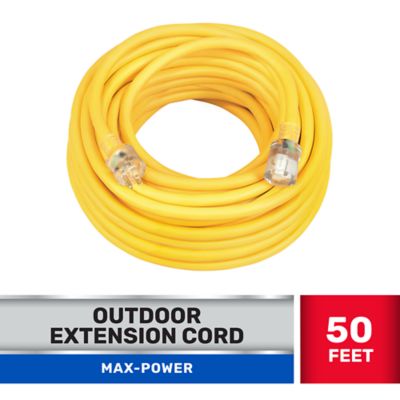
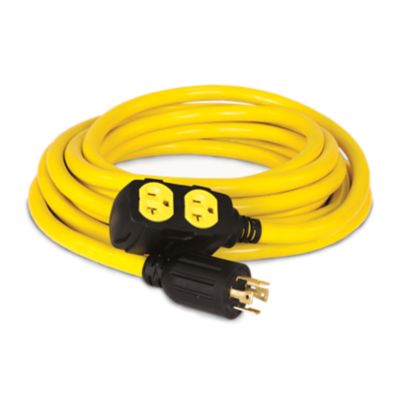
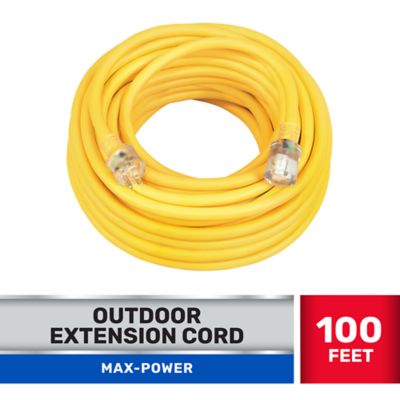
50 Foot Extension Cords option may help position the power source more safely, but USB cables and extension cords serve different jobs and should not be treated as interchangeable.
These cables fit plenty of everyday routines and make practical gifts for students, drivers, travelers, remote workers, grandparents and anyone who seems to have a charger just out of reach. A long cable can stay in a vehicle for navigation or passenger charging, in a travel bag for hotel rooms and airports, or in a desk drawer as a backup when the regular cord disappears. It can be useful in a barn office, farm shop or garage where a phone needs to charge while staying near a workbench, provided the charging area is protected from dust, moisture and equipment traffic. Families may appreciate having a few lengths set aside for shared spaces, while a college student or new homeowner may welcome the convenience of charging from across a room without sitting directly beside the outlet. Before giving one as a gift, match the connector style to the recipient’s devices and consider whether they need charging only or charging plus data transfer. A cable with extra length is especially helpful for people who use a tablet for recipes, music or how-to videos while cooking, repairing equipment or handling chores. It can also make seasonal gatherings easier by letting guests keep devices powered without crowding around a single outlet. Store the cable loosely rather than wrapping it tightly around a charger, and label cables kept in a shared drawer so the right one is easy to grab. With the correct connector on each end, suitable power and data ratings, and a durable build, a 10-foot USB cable is a simple piece of gear that can make charging and connecting devices more convenient at home, on the road and around the place.