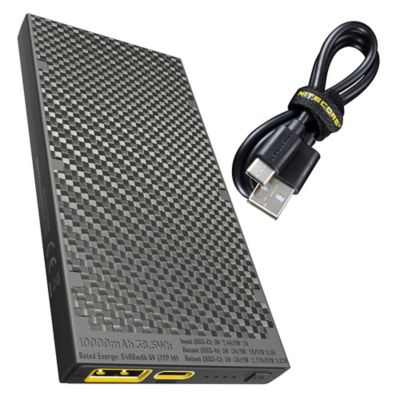
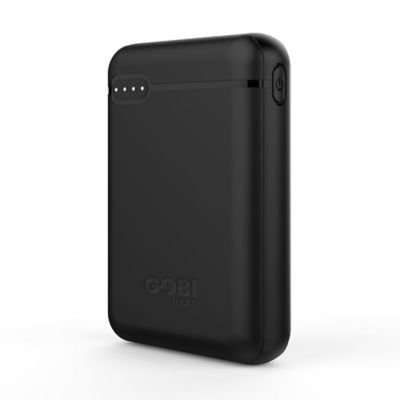
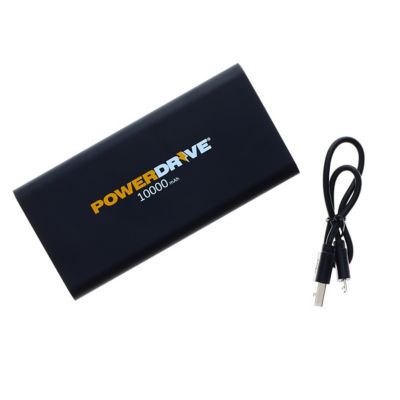
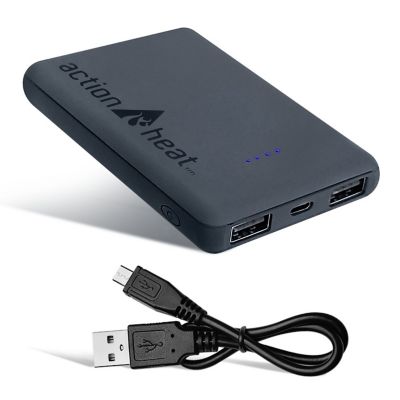
A 10,000 mAh power bank is a rechargeable battery pack that keeps compatible phones and small USB electronics powered away from a wall outlet. At a nominal battery voltage of 3.7 volts, that capacity equals about 37 watt-hours of stored energy. Many smartphones can get roughly 1.5 to 2.5 full charges from that amount, but the result depends on the phone’s battery size, charging efficiency and how much the phone runs while connected. The 10,000 mAh label describes the internal cells, not the amount delivered directly to a device. After voltage conversion and other losses, a typical pack may deliver roughly 6,000 to 7,000 mAh at a 5-volt USB output; the exact figure varies by design and charging conditions. This capacity offers a handy middle ground for a day away from home or a short trip, with more reserve than a small emergency charger and less weight than a much larger battery pack. It can ride along in a chore coat pocket or the side pouch of a work bag, ready when a phone needs another stretch of calls, directions or messages. A farmer checking field notes, a contractor coordinating a delivery and a student riding home after practice all have different routines, but each can put a pocket-size power source to work. A full recharge takes more energy than a quick top-off, and keeping navigation or video running draws from the same reserve that is charging the phone. Tablets generally take a larger share of that reserve, while small accessories may need far less. Earbuds, portable lights and other USB-powered gear can be a good match when their charging requirements line up with the pack’s output. The practical value comes from matching that stored energy to the devices coming along and the time between outlets.
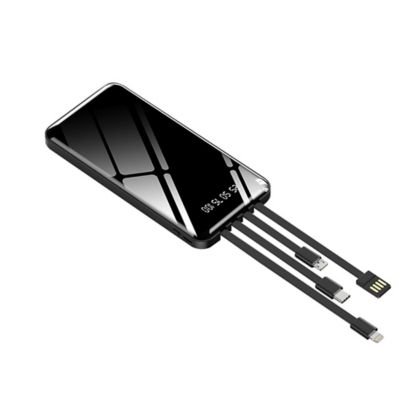
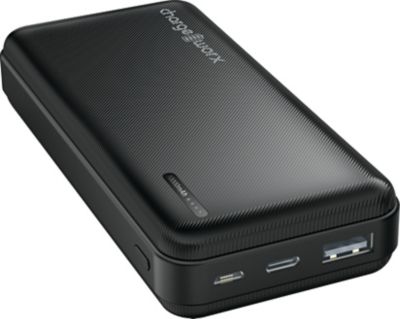
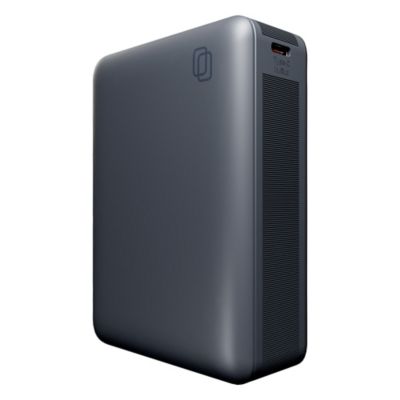
Charging speed comes down to wattage and compatibility, not capacity alone. A 10,000 mAh power bank with 18- or 20-watt USB-C Power Delivery output can charge a compatible phone faster than a basic 5-watt connection, but the phone, cable and battery pack must support compatible charging standards. USB-C describes a connector shape; it does not promise a particular speed. USB-A ports can accommodate many existing charging cords, while a USB-C port may handle input, output or both, depending on the design. The input rating affects how quickly the power bank itself recharges, so a higher-output wall adapter only helps when the pack accepts that level of input. Multiple ports are handy for a phone and earbuds riding together in a work bag, although the total output may be shared when more than one device is connected. A pack’s maximum stated wattage may not be delivered from every port at once. Small accessories can also benefit from a low-current charging mode, since some power banks shut off when they do not detect enough draw. Built-in cables cut down on loose cords, while separate cables are easier to swap when a connector wears out or a different device comes along. A short cable keeps a pocket setup tidy; a longer one gives a passenger more reach without stretching the connection. Plastic housings can keep weight down, and metal shells offer a different feel and finish, but casing material alone does not establish impact protection or water resistance. Rounded edges, a nonslip surface and a shape that fits comfortably beside a phone can matter more in everyday carrying than a long feature list. Indicator lights give a quick sense of the charge remaining, while a numeric display can make it easier to judge whether there is enough reserve for another stop before heading home.
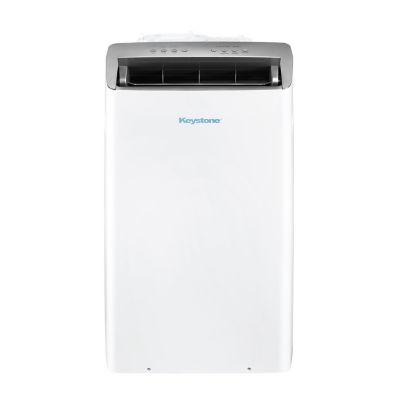
Everyday care helps keep a portable charger ready for the next trip down the road. A separate bag pocket or protective sleeve keeps the case and connections away from loose screws, keys and the grit that collects at the bottom of a tool bag. Cords last longer when they are disconnected by the plug rather than pulled by the wire, and a power bank should not hang from its charging cable. Dust and moisture can interfere with exposed connections, so a clean, dry storage spot and the manufacturer’s care instructions matter around a barn, shed or jobsite. A water-resistance rating applies only under its stated conditions and does not automatically mean a pack can handle immersion or charging with wet ports. Built-in protection against overcharging, short circuits and excessive current adds another consideration alongside clearly marked electrical ratings and applicable safety certifications. A swollen, leaking or damaged pack belongs out of service, with disposal handled according to the manufacturer’s directions and local battery-recycling requirements. For air travel, power banks belong in carry-on baggage, not checked luggage. A typical 37-watt-hour pack falls below the FAA’s 100-watt-hour threshold for ordinary passenger lithium-ion batteries, though airline rules may place additional limits on storage and operation aboard the aircraft. Beyond travel, this size makes a practical gift for a college student, a commuter or someone whose phone handles everything from family check-ins to equipment photos. Matching the connector and charging requirements to the recipient’s devices makes that gift more useful from the start. The capacity number also deserves a clear distinction from appliance ratings: the measurement on
10000 Btu Portable Air Conditioners describes cooling capacity, not stored battery charge. Those appliances need their specified electrical supply, not a pocket USB charger. For small electronics, though, a 10,000 mAh power bank puts a useful reserve close at hand without adding much to the daily load.