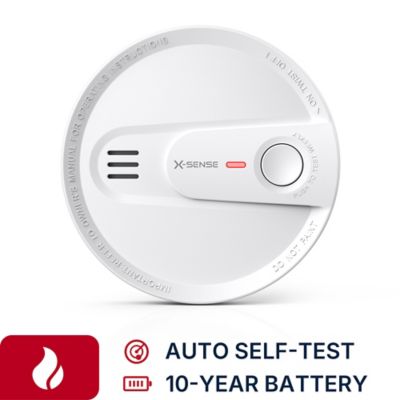
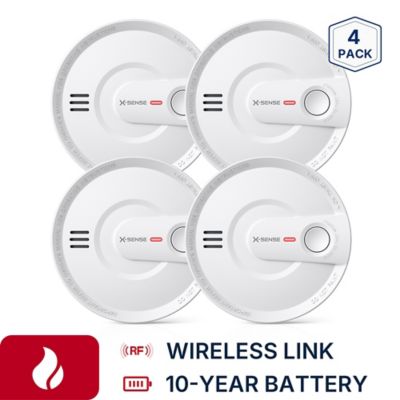
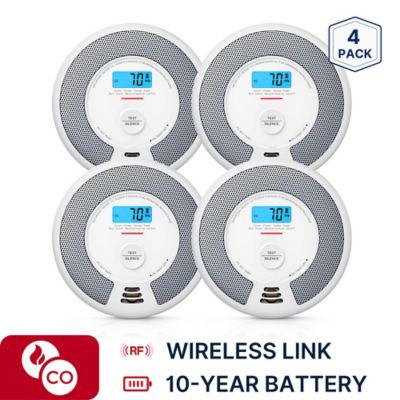
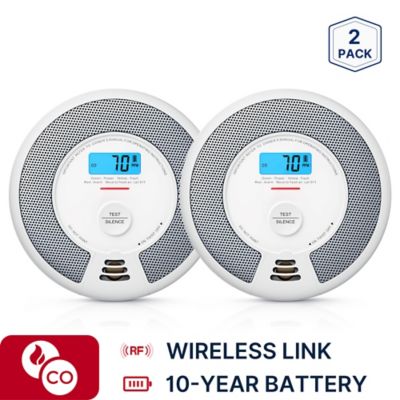
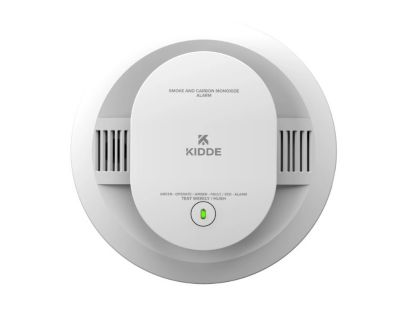
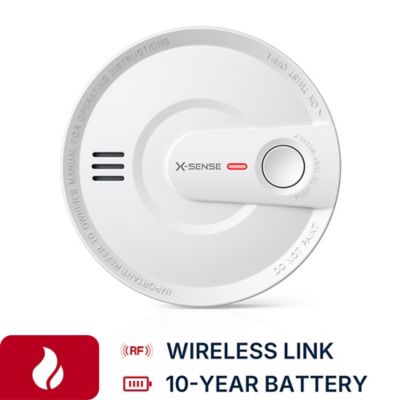
Ten-year smoke-only alarms have a straightforward job: sounding a warning when they detect smoke, giving people a chance to respond and get outside. For a farmhouse, a small ranch house, or a place with bedrooms spread between floors, that warning belongs close to where people sleep and spend their time. These alarms detect smoke rather than carbon monoxide, so they do not take the place of carbon monoxide alarms where those are needed. The ten-year designation also deserves a closer look. It can describe the alarm’s replacement interval, a sealed battery’s expected service life, or both, depending on the design. A sealed-battery alarm typically has its power source enclosed inside the housing, eliminating routine battery changes over its rated life. Other designs may connect to household wiring and include a backup battery, making the power-source description an important part of finding the right fit. A ten-year rating does not mean an alarm can go untouched for a decade; testing, cleaning, and attention to warning signals still matter. Smoke-sensing technology is another consideration. Photoelectric sensors generally respond well to smoldering fires, while ionization sensors generally respond well to fast-flaming fires, and some alarms incorporate more than one sensing method. No single fire behaves exactly like another, which makes placement and the type of detection important alongside battery life. For homeowners settling into a new place, landlords replacing aging alarms, or families updating protection near sleeping areas, the appeal is a clear warning system with fewer routine battery replacements to keep track of. The best match depends on the home’s layout, existing electrical connections, local requirements, and the people who need to hear the alarm. A bedroom down a long hallway, a finished basement, and an upstairs landing can each present different placement needs, even within the same house. An alarm’s stated coverage and installation directions matter more than choosing a housing that simply looks right against the ceiling.
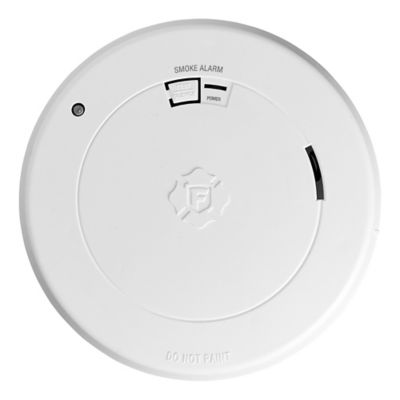
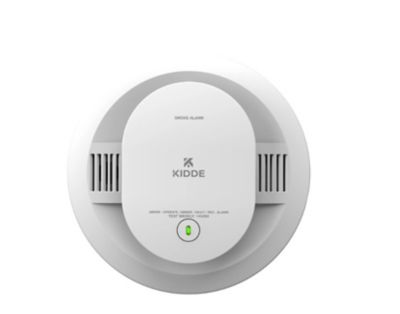
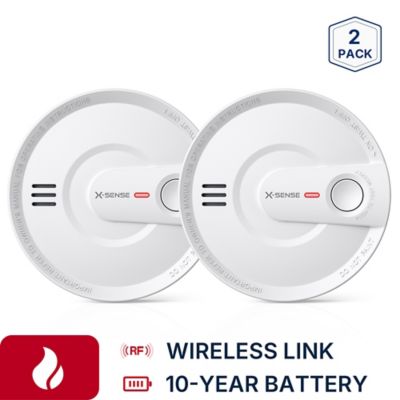
Most household smoke alarms have a lightweight molded plastic housing with openings that let smoke reach the sensing chamber. The shape, depth, and mounting plate affect how the alarm sits against a ceiling or wall, especially where an older alarm has left screw holes or a paint outline. A replacement that looks similar does not necessarily fit the existing bracket or electrical connector. Mounting hardware, wiring adapters, and connection requirements vary, and hardwired installations may call for a qualified electrician. Homes with interconnected alarms need particular attention to compatibility: alarms must be approved to communicate with one another, whether that connection runs through wiring or a wireless system. When properly configured, interconnected alarms can sound together, helping carry a warning from one part of the house to another. That can matter when someone is asleep upstairs while smoke reaches an alarm on a lower floor. Smoke alarms generally belong inside each bedroom, outside sleeping areas, and on every level of the home, including the basement, with placement following manufacturer directions and applicable codes. The space around an alarm matters, too. Cooking smoke, shower steam, strong air currents, and dust can interfere with normal operation or contribute to nuisance alarms. A location directly beside a bathroom door, close to a cooking appliance, or in the path of an air vent may not meet the installation requirements. A household alarm also is not automatically suited to a feed room, livestock building, dusty workshop, or other demanding space just because it can be fastened to a beam. Those locations may call for a different device or a design specifically rated for the setting. For everyday household placement, a plain, low-profile housing can stay out of the way while leaving the test button and indicator lights accessible. The practical fit is the one that meets placement requirements, stays within reach for routine checks, and works with the rest of the home’s alarm setup.
Day-to-day features can make a meaningful difference once a smoke alarm is mounted. A clearly marked test button makes routine checks simpler, while distinct status lights and audible signals help distinguish normal operation from a fault, low power, or the end of the alarm’s service life. A hush feature can temporarily silence certain nuisance alarms after the source has been checked, but it is not a reason to ignore smoke or disable the device. Some designs have a larger button that is easier to reach, and some provide voice messages alongside the alarm tone. For a household that includes someone who is deaf or hard of hearing, compatible strobes, bed shakers, or other listed notification equipment may be necessary; an ordinary audible alarm may not provide the warning that person needs. Care is usually simple, but it remains part of owning the alarm. Routine testing follows the manufacturer’s schedule, commonly at least monthly, and cleaning follows the directions for keeping dust away from the sensing openings. Paint, cleaners, and anything covering those openings can affect operation. A date label or replacement marking helps keep track of age without relying on memory, especially in a house where several alarms were installed at different times. The whole alarm needs replacement at the end of its rated life or sooner if it fails testing or signals a fault that cannot be resolved according to its instructions. A sealed battery is not a compartment to open for a fresh set of cells. For separate alarms designed around replaceable cells,
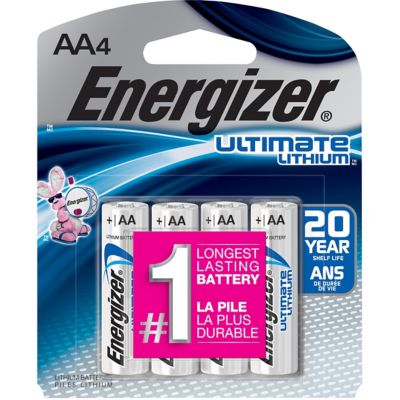
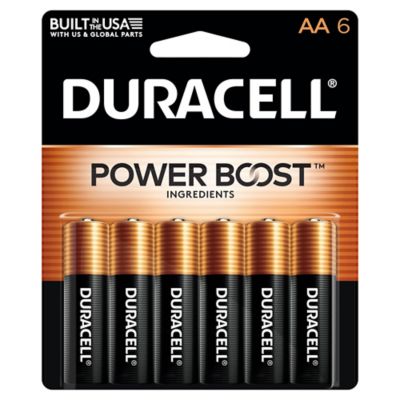
Aa Batteries For Smoke Detectors may be relevant only when the device specifically calls for that battery size and type. Keeping those power arrangements straight helps avoid bringing home batteries for an alarm that requires complete replacement. Alongside working alarms, a household escape plan and clear routes outside remain important parts of fire safety, whether the home holds one person, a growing family, or several generations under one roof.