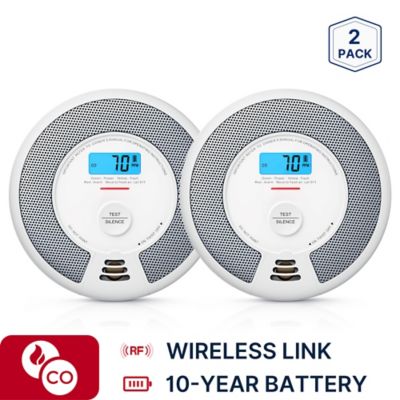
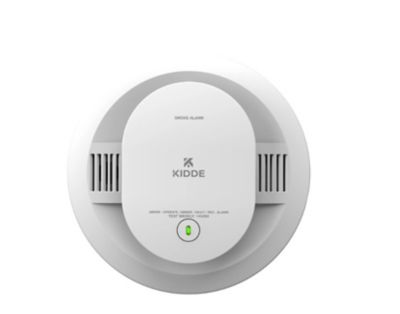
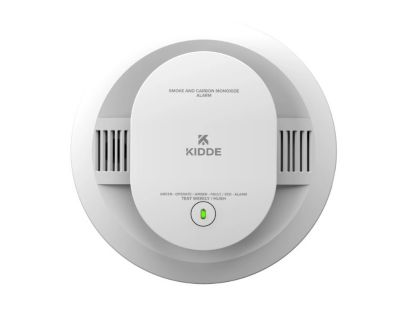
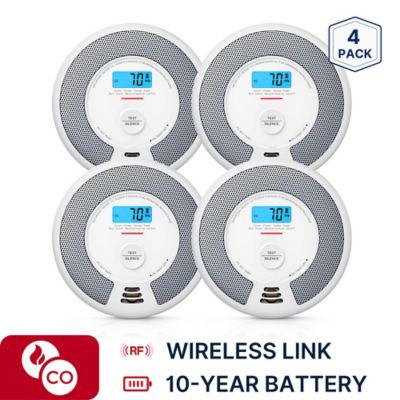
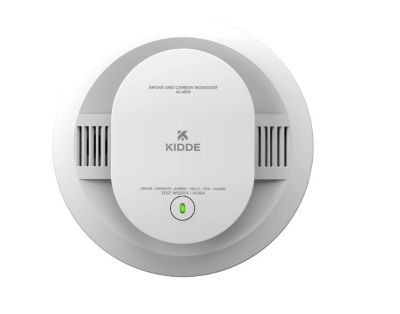
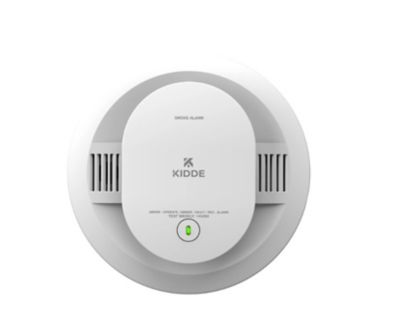
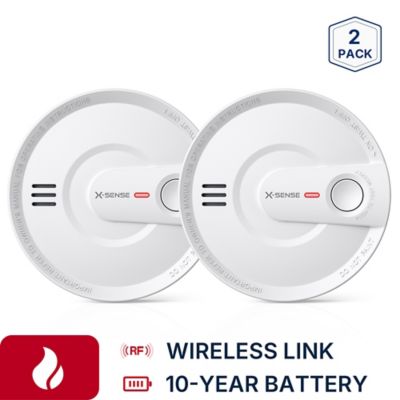
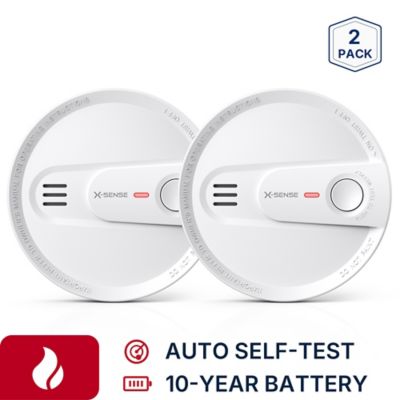
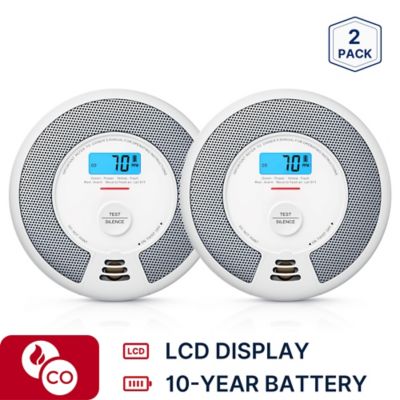
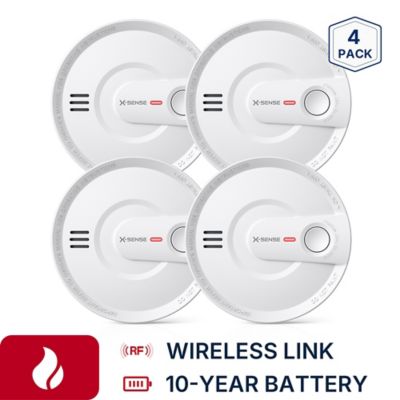
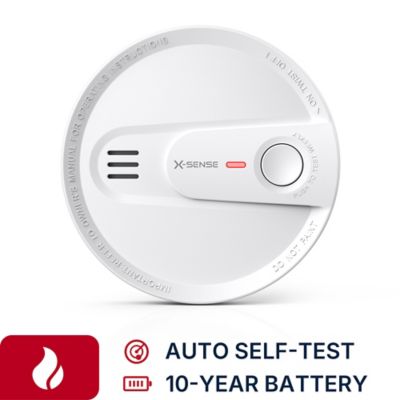
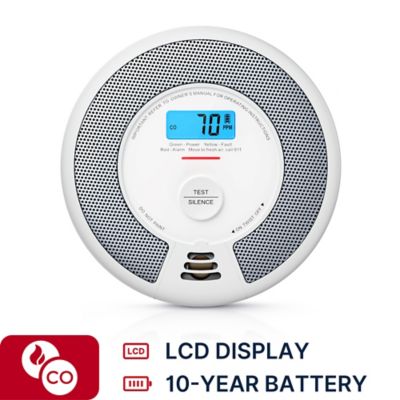
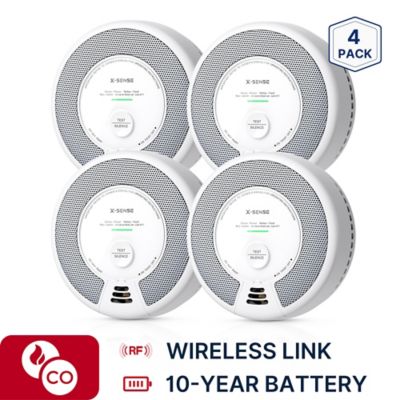
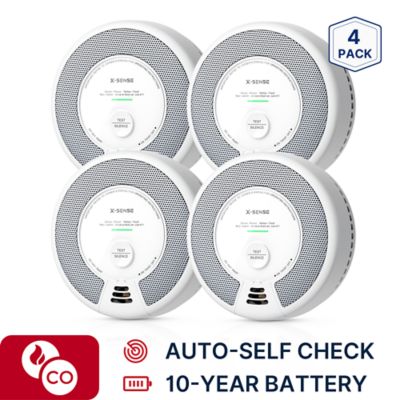
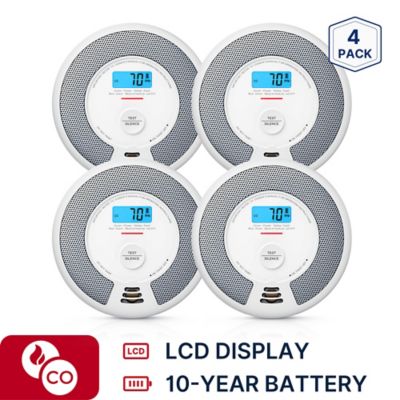
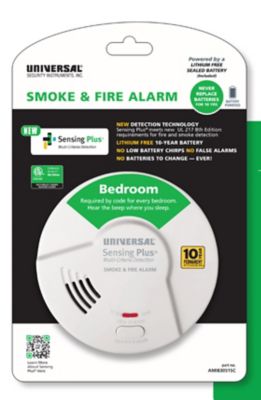
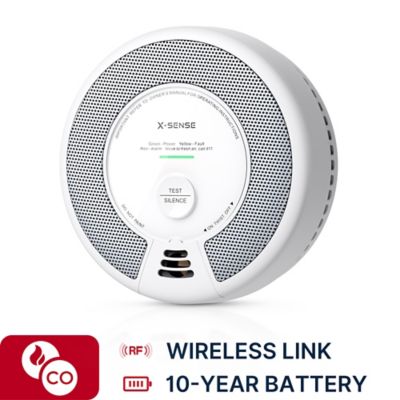
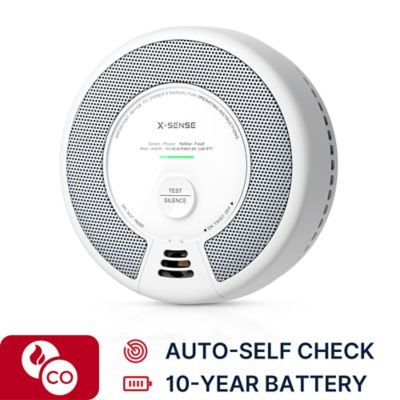
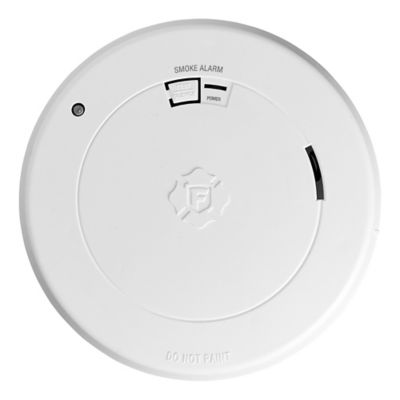
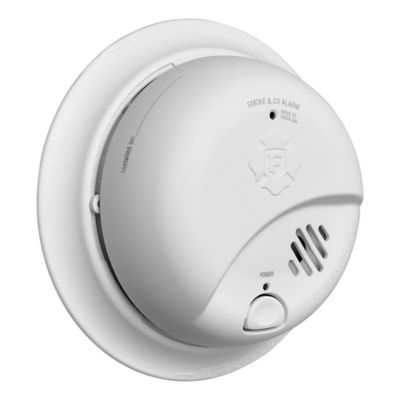
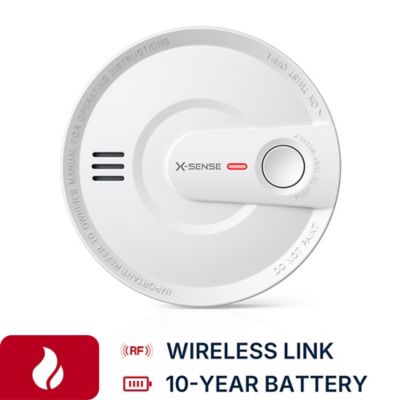
10-year battery smoke detectors pair smoke-sensing technology with a sealed, built-in battery designed to power the alarm for its rated service life, typically up to 10 years under the manufacturer’s stated conditions. Many have lithium batteries that are not meant to be removed or replaced. That setup takes routine battery changes off the chore list, making it a practical choice for a farmhouse, apartment or other household where keeping track of several alarms can be one more job to remember. The battery stays inside the housing, and the entire alarm gets replaced when it reaches its replacement date or gives an end-of-life warning. A 10-year battery does not mean 10 years without attention: regular testing and cleaning still matter, and a warning or failed test may call for replacement sooner. For homes with several bedrooms or more than one floor, sealed-battery alarms can simplify upkeep without changing the need for proper coverage. Household fire safety recommendations call for smoke alarms inside every bedroom, outside each separate sleeping area and on every level, including the basement. The number needed depends on the home’s layout, local requirements and the manufacturer’s placement directions, not just square footage. A hallway alarm cannot take the place of the alarms needed inside bedrooms. Battery-powered models also differ from hardwired alarms that have a sealed backup battery. A stand-alone battery model gets its operating power from its internal battery, while a hardwired model still requires its specified electrical connection. That distinction matters when replacing an existing alarm, especially where building rules require hardwired or interconnected protection. The 10-year description refers to the battery arrangement and rated lifespan; it does not, by itself, tell whether an alarm connects to other units, detects carbon monoxide or fits an existing mounting bracket.
Smoke-sensing technology, alert features and mounting details help separate one type of 10-year battery smoke alarm from another. Photoelectric sensors generally respond more readily to smoldering fires, while ionization sensors generally respond more readily to flaming fires; dual-sensor alarms combine both technologies. All smoke alarms should carry an appropriate safety listing and match the requirements for the space where they will be installed. Cooking-related nuisance alarm resistance is another feature worth comparing, particularly in homes where a kitchen opens into nearby living areas. That feature does not make placement beside a stove appropriate. Clearance from cooking appliances, bathrooms, ceiling corners and air vents should follow the alarm’s instructions and local rules. A hush button can temporarily silence certain nuisance alarms after the cause has been checked, without removing the alarm or disabling its battery. Test buttons, indicator lights and voice alerts vary by model, as do the patterns that signal smoke, a fault or the end of service life. Some compatible alarms interconnect wirelessly so that when one detects smoke, the others sound too. That can matter in a two-story farmhouse where a single alarm downstairs may be harder to hear from an upstairs bedroom. Interconnection is a separate feature, not something every sealed-battery alarm includes, and compatibility needs to be confirmed before mixing devices. For households with someone who is deaf or hard of hearing, standard audible alarms alone may not meet the need; compatible alerting equipment with appropriate visual or tactile signals may be necessary. Smoke-only alarms do not detect carbon monoxide. Combination smoke and carbon monoxide alarms must specifically identify both functions, so the battery description should never stand in for checking the alarm’s actual detection capabilities.
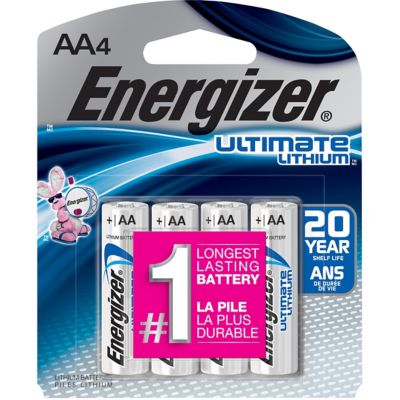
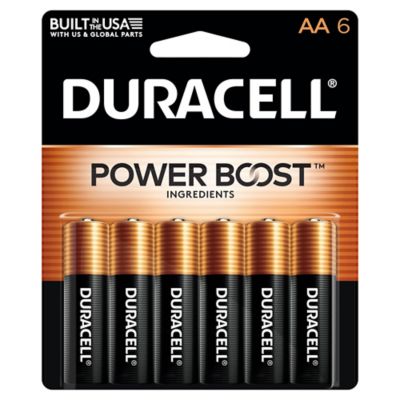
Fit and everyday care matter just as much as the features on the package. Molded plastic housings enclose the sensing components and battery, while vents let smoke reach the sensor. Those openings need to stay clear of dust, paint and other buildup. A low-profile shape may sit neatly against a ceiling, but the mounting base, fastener locations and approved installation position determine whether an alarm fits the intended spot. Replacement alarms do not necessarily fit the brackets left behind by older units, even when the housings look similar. Some sealed-battery designs activate when attached to their mounting bracket; others have a separate activation step, so the included directions are important. An alarm intended for household living spaces is not automatically suitable for a dusty barn, garage or damp outbuilding. Those locations need equipment specifically approved for their conditions and any applicable local requirements. Inside the house, monthly testing according to the manufacturer’s directions helps confirm that the alarm responds. Cleaning methods vary, but manufacturers commonly specify gently vacuuming the exterior openings or another stated method rather than spraying cleaners into the housing. Keep the alarm free of paint, and do not open the sealed battery compartment. A sealed battery reduces replacement chores; it does not prevent every chirp or remove the need to investigate an alert. The instructions explain the difference between an alarm signal, a trouble signal and an end-of-life warning. For other household alarms that specify replaceable AA cells,
Aa Batteries For Smoke Detectors can help with that separate battery need; sealed 10-year units do not accept replacement AA batteries. Keeping the installation or replacement date where it can be checked makes future upkeep easier, particularly in homes with alarms installed at different times. The manufacturer’s replacement directions control when an alarm should be retired, even if its test button still produces a sound. Properly placed alarms belong alongside a household escape plan, clear exit paths and a meeting spot everyone knows. Their job is to give warning, while the household’s plan helps turn that warning into a quick exit.