
Dairyland 1 gal. Sterosol Milkstone Remover and Acid Rinse
$18.99


Dairyland 1 gal. Sterosol Milkstone Remover and Acid Rinse
Dairyland 1 gal. Sterosol Milkstone Remover and Acid Rinse
Item # 2214079


$18.99

Neighbor’s Club Members earn points with purchases.
$18.99
Out of stock at or near
Grassland (franklin) TN
This item is not available
Search Stores
Temporarily unavailable
Neighbor’s Club Members earn points with purchases.
The Dairyland 1 gal. Sterosol Milkstone Remover and Acid Rinse removes milkstone from bulk tanks, pipeline cleaners, pipeline, milking machines, utensils, and other dairy equipment. This milking machine cleaner contains phosphoric acid and non-foaming wetting agents to penetrate milkstone and hard water deposits. It helps leave your stainless dairy equipment sparkling clean.
- Milkstone remover contains phosphoric acid with non-foaming wetting agents for fast penetration of milkstone and hard water deposits
- Easy on metals and glassware
- Milking machine cleaner removes milkstone from bulk tanks, pipelines, utensils and dairy equipment
- Leaves stainless dairy equipment sparkling clean
- For CIP (clean in place) and manual use
| Brand | Dairyland |
|---|---|
| Country of Origin | Made in USA |
| Concentrated or Ready to Use | Concentrated |
| Features | Contains phosphoric acid and non-foaming wetting agents to penetrate milkstone and hard water deposits. |
| Package Quantity | 1 |
| Product Form | Liquid |
| Product Height | 11.25 in. |
| Product Length | 5.63 in. |
| Product Weight | 11 lb. |
| Product Width | 5.63 in. |
| Removes | Minerals, Milkstone |
| Volume | 1 gal. |
| Manufacturer Part Number | 1205267 |
Have a question?
Start typing your question and we'll check if it was already asked and answered.
1 - 10 of 18 Questions
Newest questions
Q: Anybody know how well this would work for kind of thick beerstone in stainless steel 5 gallon soda kegs? And if so, what techniques would it need? (i.e. 140' hot water, overnight soak, an alkaline cleaner first, etc.).
3 years ago1 Answer
- A: MANUAL CLEANING OF UTENSILS AND OTHER DAIRY EQUIPMENT Immediately following use, pre-rinse with tepid water. Begin cleaning using either Manosol Bulk Tank Cleaner or Heavy Duty Dairy Utensil Cleaner according to their label directions at a temperature as warm as the hands can stand. Brush all surfaces. Wear rubber gloves if solution is irritating to hands. Acid rinse with a solution of Sterosol Milkstone Remover and Acid Rinse at a rate of 1 ounce per 6 gallons of warm water to prevent milkstone buildup and water spotting. Twice each week, instead of acid rinsing, rinse with a solution of Sterosol Milkstone Remover and Acid Rinse at a rate of 1 ounce per 2 gallons of warm (100°F) water for 10 minutes for the control of milkstone. Before reuse, sanitize with a solution of either Steramine® at a rate of 1 ounce per 4 gallons of water (200 ppm) or Hypo-Chlor Formula 6.40 at a rate of 1 ounce per 2 gallons of water (200 ppm) at a temperature of 145°F for 5 to 10 minutes, or follow local health recommendations. A minimum of a 2 minute contact time is required. Drain the used solution from the equipment and air dry. DO NOT RINSE. ================================================================= CIP CLEANING OF PIPELINES, MILKING MACHINES and BULK TANKS Immediately after milking, flush entire system with warm (100°F) water until the water runs clear. Circulate a solution of Sanitergent Mark X Pipeline Cleaner or Chlorinated Pipeline Detergent according to their label directions. Hand brush all parts not coming in contact with the solution. After cleaning, rinse thoroughly with water at 120°F and allow to drain. Acid rinse with a solution of Sterosol Milkstone Remover and Acid Rinse at a rate of 1 ounce per 6 gallons of warm or cold water to prevent milkstone buildup and water spotting. Twice each week, instead of acid rinsing, rinse with a solution of Sterosol Milkstone Remover and Acid Rinse at a rate of 1 ounce per 2 gallons of warm (100°F) water for 10 minutes for the control of milkstone. Before reuse, sanitize with a solution Hypo-Chlor Formula 6.40 at a rate of 1 ounce per 2 gallons of water (200 ppm) at a temperature of 145°F and circulate the solution for 5 to 10 minutes, or follow local health recommendations. A minimum of a 2 minute contact time is required. Drain the used solution from the equipment and air dry. DO NOT RINSE. ================================================================ MANUAL CLEANING OF BULK TANKS Immediately after the talk has been emptied of milk, rinse all surfaces with tepid 90°-120° water. Remove all detachable equipment and make a solution of Manosol Bulk Tank Cleaner, Heavy Duty Dairy Utensil Cleaner, Sanitergent Mark X Pipeline Cleaner, or Chlorinated Pipeline Detergent according to their label directions. Brush the interior, especially the bottom of the cover, and all equipment thoroughly. After cleaning, rinse thoroughly with water at 120°F and allow to drain. Acid rinse with a solution of Sterosol Milkstone Remover and Acid Rinse at a rate of 1 ounce per 6 gallons of warm or cold water to prevent milkstone buildup and water spotting. Twice each week, instead of acid rinsing, rinse with a solution of Sterosol Milkstone Remover and Acid Rinse at a rate of 1 ounce per 2 gallons of warm (100°F) water for 10 minutes for the control of milkstone in the bulk tank. Before reuse, sanitize with a solution of either Steramine® at a rate of 1 ounce per 4 gallons of water (200 ppm) or Hypo-Chlor Formula 6.40 at a rate of 1 ounce per 2 gallons of water (200 ppm) at a temperature of 145°F, or follow local health recommendations. A minimum of a 2 minute contact time is required. Drain the used solution from the equipment and air dry. DO NOT RINSE.3 years agoHelpful?
Q: Will this product remove surface iron and passivate stainless steel tubing? I am trying to find an alternative to using nitric acid.
4 years ago1 Answer
- A: The primary ingredient in Dairyland Brand Sterosol Milkstone Remover & Acid Rinse is phosphoric acid, which can be used as a chemical-cleaning agent for stainless steel. However, phosphoric acid is not recommended to passivate stainless. Always follow your manufacturer’s instructions.4 years agoHelpful?
Q: Does this put red dye, even in small quantities, into the milk?
5 years ago1 Answer
- A: When used according to label directions there should be no residual product or dye left in the line. Plus, following acid rinsing all equipment should be sanitized prior to use.5 years agoHelpful?
Q: I didn't see a list of ingredients, but your instructions say not to rinse it after using it, so the ingredients will later be rinsed into the milk. Does this put artificial colors and other acid rinse ingredients into the milk?
5 years ago1 Answer
- A: Before reuse, sanitize with a solution Hypo-Chlor Formula 6.40 at a rate of 1 ounce per 2 gallons of water (200 ppm) at a temperature of 145°F and circulate the solution for 5 to 10 minutes, or follow local health recommendations. A minimum of a 2 minute contact time is required. Drain the used solution from the equipment and air dry. DO NOT RINSE.5 years agoHelpful?
Q: Do I need to rinse this product off before using the equipment?
5 years ago1 Answer
- A: MANUAL CLEANING OF UTENSILS AND OTHER DAIRY EQUIPMENT Immediately following use, pre-rinse with tepid water. Begin cleaning using either Manosol Bulk Tank Cleaner or Heavy Duty Dairy Utensil Cleaner according to their label directions at a temperature as warm as the hands can stand. Brush all surfaces. Wear rubber gloves if solution is irritating to hands. Acid rinse with a solution of Sterosol Milkstone Remover and Acid Rinse at a rate of 1 ounce per 6 gallons of warm water to prevent milkstone buildup and water spotting. Twice each week, instead of acid rinsing, rinse with a solution of Sterosol Milkstone Remover and Acid Rinse at a rate of 1 ounce per 2 gallons of warm (100°F) water for 10 minutes for the control of milkstone. Before reuse, sanitize with a solution of either Steramine® at a rate of 1 ounce per 4 gallons of water (200 ppm) or Hypo-Chlor Formula 6.40 at a rate of 1 ounce per 2 gallons of water (200 ppm) at a temperature of 145°F for 5 to 10 minutes, or follow local health recommendations. A minimum of a 2 minute contact time is required. Drain the used solution from the equipment and air dry. DO NOT RINSE. ================================================================= CIP CLEANING OF PIPELINES, MILKING MACHINES and BULK TANKS Immediately after milking, flush entire system with warm (100°F) water until the water runs clear. Circulate a solution of Sanitergent Mark X Pipeline Cleaner or Chlorinated Pipeline Detergent according to their label directions. Hand brush all parts not coming in contact with the solution. After cleaning, rinse thoroughly with water at 120°F and allow to drain. Acid rinse with a solution of Sterosol Milkstone Remover and Acid Rinse at a rate of 1 ounce per 6 gallons of warm or cold water to prevent milkstone buildup and water spotting. Twice each week, instead of acid rinsing, rinse with a solution of Sterosol Milkstone Remover and Acid Rinse at a rate of 1 ounce per 2 gallons of warm (100°F) water for 10 minutes for the control of milkstone. Before reuse, sanitize with a solution Hypo-Chlor Formula 6.40 at a rate of 1 ounce per 2 gallons of water (200 ppm) at a temperature of 145°F and circulate the solution for 5 to 10 minutes, or follow local health recommendations. A minimum of a 2 minute contact time is required. Drain the used solution from the equipment and air dry. DO NOT RINSE. ================================================================ MANUAL CLEANING OF BULK TANKS Immediately after the talk has been emptied of milk, rinse all surfaces with tepid 90°-120° water. Remove all detachable equipment and make a solution of Manosol Bulk Tank Cleaner, Heavy Duty Dairy Utensil Cleaner, Sanitergent Mark X Pipeline Cleaner, or Chlorinated Pipeline Detergent according to their label directions. Brush the interior, especially the bottom of the cover, and all equipment thoroughly. After cleaning, rinse thoroughly with water at 120°F and allow to drain. Acid rinse with a solution of Sterosol Milkstone Remover and Acid Rinse at a rate of 1 ounce per 6 gallons of warm or cold water to prevent milkstone buildup and water spotting. Twice each week, instead of acid rinsing, rinse with a solution of Sterosol Milkstone Remover and Acid Rinse at a rate of 1 ounce per 2 gallons of warm (100°F) water for 10 minutes for the control of milkstone in the bulk tank. Before reuse, sanitize with a solution of either Steramine® at a rate of 1 ounce per 4 gallons of water (200 ppm) or Hypo-Chlor Formula 6.40 at a rate of 1 ounce per 2 gallons of water (200 ppm) at a temperature of 145°F, or follow local health recommendations. A minimum of a 2 minute contact time is required. Drain the used solution from the equipment and air dry. DO NOT RINSE.5 years agoHelpful?
Q: How much can this be diluted for cleaning rust from motorcycle gas tank?
5 years ago1 Answer
- A: This has not been tested to see how well it removes the rust from motorcycle gas tanks, so we cannot make a recommendation for this question.5 years agoHelpful?
Q: Will this clean the aluminum on the pontoons
6 years ago1 Answer
- A: Contains phosphoric acid with non-foaming wetting agents for fast penetration of milkstone and hard water deposits. Easy on metals and glassware.6 years agoHelpful?
Q: Is this septic safe?
7 years ago1 Answer
- A: Yes7 years agoHelpful?
Q: could i use this to clean a ice machine of hard water deposits plate contains nickel metal
7 years ago1 Answer
- A: Dairyland Brand Sterosol Milkstone Remover & Acid Rinse does a great job removing hard water deposits from many surfaces. The product contains a highly concentrated level of phosphoric acid. We recommend consulting with the manufacturer of your ice machine to see if the nickel in the machine is compatible with phosphoric acid and at what concentration they recommend.7 years agoHelpful?
Q: What % of Phosphoric Acid does this contain? Is it a "food grade" product?
8 years ago1 Answer
- A: This product contains more than 42% phosphoric acid, and is not considered a food grade product.8 years agoHelpful?
1 - 10 of 18 Questions
Q&As
Have a question?
Start typing your question and we'll check if it was already asked and answered.
1 - 10 of 18 Questions
Newest questions
Q: Anybody know how well this would work for kind of thick beerstone in stainless steel 5 gallon soda kegs? And if so, what techniques would it need? (i.e. 140' hot water, overnight soak, an alkaline cleaner first, etc.).
3 years ago1 Answer
- A: MANUAL CLEANING OF UTENSILS AND OTHER DAIRY EQUIPMENT Immediately following use, pre-rinse with tepid water. Begin cleaning using either Manosol Bulk Tank Cleaner or Heavy Duty Dairy Utensil Cleaner according to their label directions at a temperature as warm as the hands can stand. Brush all surfaces. Wear rubber gloves if solution is irritating to hands. Acid rinse with a solution of Sterosol Milkstone Remover and Acid Rinse at a rate of 1 ounce per 6 gallons of warm water to prevent milkstone buildup and water spotting. Twice each week, instead of acid rinsing, rinse with a solution of Sterosol Milkstone Remover and Acid Rinse at a rate of 1 ounce per 2 gallons of warm (100°F) water for 10 minutes for the control of milkstone. Before reuse, sanitize with a solution of either Steramine® at a rate of 1 ounce per 4 gallons of water (200 ppm) or Hypo-Chlor Formula 6.40 at a rate of 1 ounce per 2 gallons of water (200 ppm) at a temperature of 145°F for 5 to 10 minutes, or follow local health recommendations. A minimum of a 2 minute contact time is required. Drain the used solution from the equipment and air dry. DO NOT RINSE. ================================================================= CIP CLEANING OF PIPELINES, MILKING MACHINES and BULK TANKS Immediately after milking, flush entire system with warm (100°F) water until the water runs clear. Circulate a solution of Sanitergent Mark X Pipeline Cleaner or Chlorinated Pipeline Detergent according to their label directions. Hand brush all parts not coming in contact with the solution. After cleaning, rinse thoroughly with water at 120°F and allow to drain. Acid rinse with a solution of Sterosol Milkstone Remover and Acid Rinse at a rate of 1 ounce per 6 gallons of warm or cold water to prevent milkstone buildup and water spotting. Twice each week, instead of acid rinsing, rinse with a solution of Sterosol Milkstone Remover and Acid Rinse at a rate of 1 ounce per 2 gallons of warm (100°F) water for 10 minutes for the control of milkstone. Before reuse, sanitize with a solution Hypo-Chlor Formula 6.40 at a rate of 1 ounce per 2 gallons of water (200 ppm) at a temperature of 145°F and circulate the solution for 5 to 10 minutes, or follow local health recommendations. A minimum of a 2 minute contact time is required. Drain the used solution from the equipment and air dry. DO NOT RINSE. ================================================================ MANUAL CLEANING OF BULK TANKS Immediately after the talk has been emptied of milk, rinse all surfaces with tepid 90°-120° water. Remove all detachable equipment and make a solution of Manosol Bulk Tank Cleaner, Heavy Duty Dairy Utensil Cleaner, Sanitergent Mark X Pipeline Cleaner, or Chlorinated Pipeline Detergent according to their label directions. Brush the interior, especially the bottom of the cover, and all equipment thoroughly. After cleaning, rinse thoroughly with water at 120°F and allow to drain. Acid rinse with a solution of Sterosol Milkstone Remover and Acid Rinse at a rate of 1 ounce per 6 gallons of warm or cold water to prevent milkstone buildup and water spotting. Twice each week, instead of acid rinsing, rinse with a solution of Sterosol Milkstone Remover and Acid Rinse at a rate of 1 ounce per 2 gallons of warm (100°F) water for 10 minutes for the control of milkstone in the bulk tank. Before reuse, sanitize with a solution of either Steramine® at a rate of 1 ounce per 4 gallons of water (200 ppm) or Hypo-Chlor Formula 6.40 at a rate of 1 ounce per 2 gallons of water (200 ppm) at a temperature of 145°F, or follow local health recommendations. A minimum of a 2 minute contact time is required. Drain the used solution from the equipment and air dry. DO NOT RINSE.3 years agoHelpful?
Q: Will this product remove surface iron and passivate stainless steel tubing? I am trying to find an alternative to using nitric acid.
4 years ago1 Answer
- A: The primary ingredient in Dairyland Brand Sterosol Milkstone Remover & Acid Rinse is phosphoric acid, which can be used as a chemical-cleaning agent for stainless steel. However, phosphoric acid is not recommended to passivate stainless. Always follow your manufacturer’s instructions.4 years agoHelpful?
Q: Does this put red dye, even in small quantities, into the milk?
5 years ago1 Answer
- A: When used according to label directions there should be no residual product or dye left in the line. Plus, following acid rinsing all equipment should be sanitized prior to use.5 years agoHelpful?
Q: I didn't see a list of ingredients, but your instructions say not to rinse it after using it, so the ingredients will later be rinsed into the milk. Does this put artificial colors and other acid rinse ingredients into the milk?
5 years ago1 Answer
- A: Before reuse, sanitize with a solution Hypo-Chlor Formula 6.40 at a rate of 1 ounce per 2 gallons of water (200 ppm) at a temperature of 145°F and circulate the solution for 5 to 10 minutes, or follow local health recommendations. A minimum of a 2 minute contact time is required. Drain the used solution from the equipment and air dry. DO NOT RINSE.5 years agoHelpful?
Q: Do I need to rinse this product off before using the equipment?
5 years ago1 Answer
- A: MANUAL CLEANING OF UTENSILS AND OTHER DAIRY EQUIPMENT Immediately following use, pre-rinse with tepid water. Begin cleaning using either Manosol Bulk Tank Cleaner or Heavy Duty Dairy Utensil Cleaner according to their label directions at a temperature as warm as the hands can stand. Brush all surfaces. Wear rubber gloves if solution is irritating to hands. Acid rinse with a solution of Sterosol Milkstone Remover and Acid Rinse at a rate of 1 ounce per 6 gallons of warm water to prevent milkstone buildup and water spotting. Twice each week, instead of acid rinsing, rinse with a solution of Sterosol Milkstone Remover and Acid Rinse at a rate of 1 ounce per 2 gallons of warm (100°F) water for 10 minutes for the control of milkstone. Before reuse, sanitize with a solution of either Steramine® at a rate of 1 ounce per 4 gallons of water (200 ppm) or Hypo-Chlor Formula 6.40 at a rate of 1 ounce per 2 gallons of water (200 ppm) at a temperature of 145°F for 5 to 10 minutes, or follow local health recommendations. A minimum of a 2 minute contact time is required. Drain the used solution from the equipment and air dry. DO NOT RINSE. ================================================================= CIP CLEANING OF PIPELINES, MILKING MACHINES and BULK TANKS Immediately after milking, flush entire system with warm (100°F) water until the water runs clear. Circulate a solution of Sanitergent Mark X Pipeline Cleaner or Chlorinated Pipeline Detergent according to their label directions. Hand brush all parts not coming in contact with the solution. After cleaning, rinse thoroughly with water at 120°F and allow to drain. Acid rinse with a solution of Sterosol Milkstone Remover and Acid Rinse at a rate of 1 ounce per 6 gallons of warm or cold water to prevent milkstone buildup and water spotting. Twice each week, instead of acid rinsing, rinse with a solution of Sterosol Milkstone Remover and Acid Rinse at a rate of 1 ounce per 2 gallons of warm (100°F) water for 10 minutes for the control of milkstone. Before reuse, sanitize with a solution Hypo-Chlor Formula 6.40 at a rate of 1 ounce per 2 gallons of water (200 ppm) at a temperature of 145°F and circulate the solution for 5 to 10 minutes, or follow local health recommendations. A minimum of a 2 minute contact time is required. Drain the used solution from the equipment and air dry. DO NOT RINSE. ================================================================ MANUAL CLEANING OF BULK TANKS Immediately after the talk has been emptied of milk, rinse all surfaces with tepid 90°-120° water. Remove all detachable equipment and make a solution of Manosol Bulk Tank Cleaner, Heavy Duty Dairy Utensil Cleaner, Sanitergent Mark X Pipeline Cleaner, or Chlorinated Pipeline Detergent according to their label directions. Brush the interior, especially the bottom of the cover, and all equipment thoroughly. After cleaning, rinse thoroughly with water at 120°F and allow to drain. Acid rinse with a solution of Sterosol Milkstone Remover and Acid Rinse at a rate of 1 ounce per 6 gallons of warm or cold water to prevent milkstone buildup and water spotting. Twice each week, instead of acid rinsing, rinse with a solution of Sterosol Milkstone Remover and Acid Rinse at a rate of 1 ounce per 2 gallons of warm (100°F) water for 10 minutes for the control of milkstone in the bulk tank. Before reuse, sanitize with a solution of either Steramine® at a rate of 1 ounce per 4 gallons of water (200 ppm) or Hypo-Chlor Formula 6.40 at a rate of 1 ounce per 2 gallons of water (200 ppm) at a temperature of 145°F, or follow local health recommendations. A minimum of a 2 minute contact time is required. Drain the used solution from the equipment and air dry. DO NOT RINSE.5 years agoHelpful?
Q: How much can this be diluted for cleaning rust from motorcycle gas tank?
5 years ago1 Answer
- A: This has not been tested to see how well it removes the rust from motorcycle gas tanks, so we cannot make a recommendation for this question.5 years agoHelpful?
Q: Will this clean the aluminum on the pontoons
6 years ago1 Answer
- A: Contains phosphoric acid with non-foaming wetting agents for fast penetration of milkstone and hard water deposits. Easy on metals and glassware.6 years agoHelpful?
Q: Is this septic safe?
7 years ago1 Answer
- A: Yes7 years agoHelpful?
Q: could i use this to clean a ice machine of hard water deposits plate contains nickel metal
7 years ago1 Answer
- A: Dairyland Brand Sterosol Milkstone Remover & Acid Rinse does a great job removing hard water deposits from many surfaces. The product contains a highly concentrated level of phosphoric acid. We recommend consulting with the manufacturer of your ice machine to see if the nickel in the machine is compatible with phosphoric acid and at what concentration they recommend.7 years agoHelpful?
Q: What % of Phosphoric Acid does this contain? Is it a "food grade" product?
8 years ago1 Answer
- A: This product contains more than 42% phosphoric acid, and is not considered a food grade product.8 years agoHelpful?
1 - 10 of 18 Questions
Similar Items
-
-
-
Top Rated
-
-
Top Rated
-
-
-
Top Rated
-
Top Rated
-
Top Rated
-
Top Rated
-


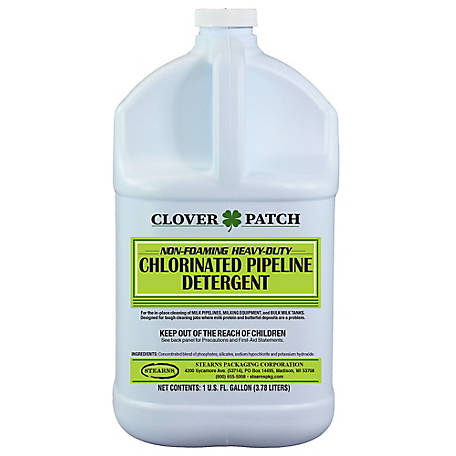
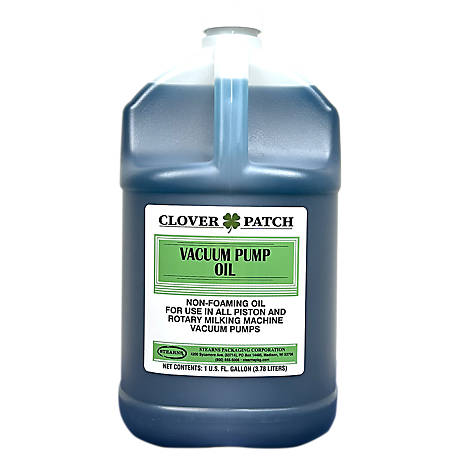



Items You May Like

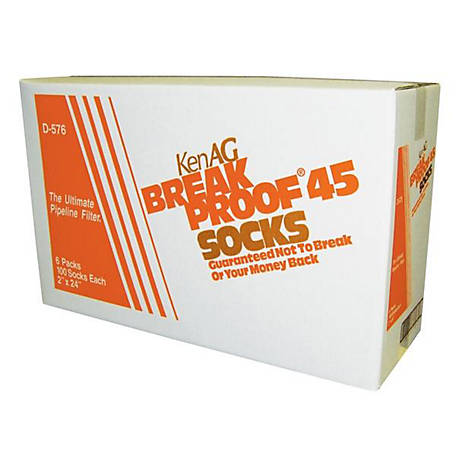


Customers Also Bought
-
-
Top Rated
-
-
-
-
-
-
Top Rated
-
Top Rated
-
-
-
Top Rated



Reviews
1 to 4 of 69 Reviews .
1 – 4 of 69 Reviews
Most Recent
Review 1
4 out of 5 stars.
I was charged shipping and the ad said free shippi
3 years ago
Product was fine. I just want my shipping paid back.
Anonymous
Lavina, MT
Review 1
5 out of 5 stars.
Millstone Remover and Acid Rinse
3 years ago
Works as expected. We use on a daily basis as a preventative measure against milkstone, as well as an acid rinse to neutralize the alkaline wash.
Yes, I recommend this product.
Heath Ohio
Reviews 2
5 out of 5 stars.
It’s cleans
4 years ago
Seen to make pipe cleaner no Oder after cleaning it
Yes, I recommend this product.
Crockett county Tx
Review 1
5 out of 5 stars.
Quality acid cleaner
4 years ago
Great all around acid cleaner for stainless steel.
Yes, I recommend this product.