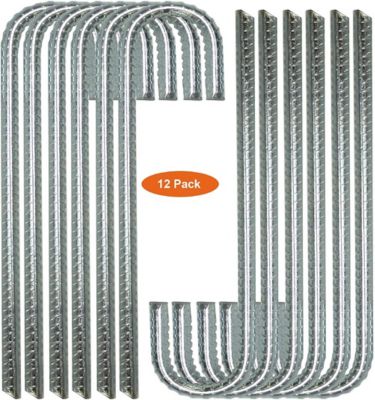
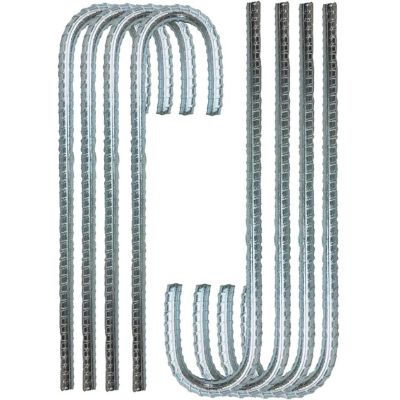
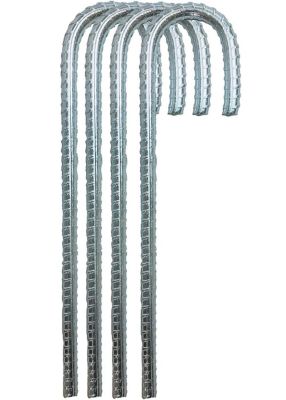
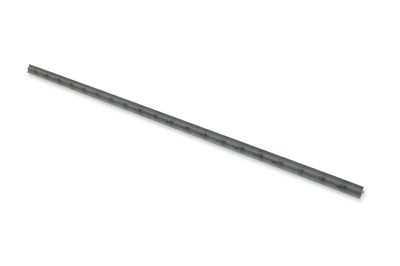
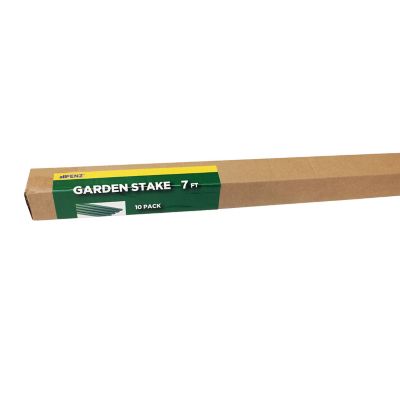
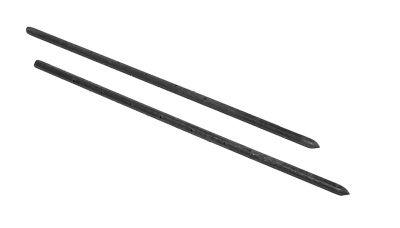
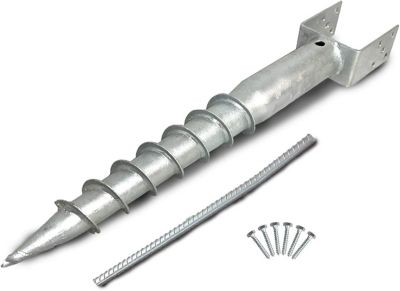
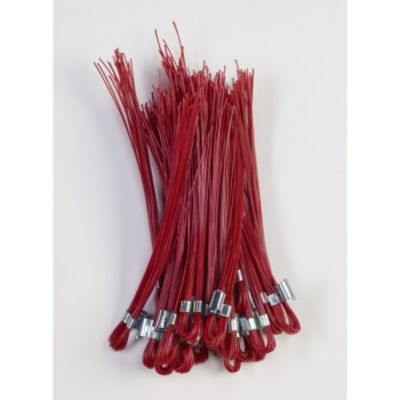
Yard stakes cover a handy range of outdoor jobs, from holding landscape fabric flat to supporting a young plant or displaying a sign along the driveway. The right style depends on what needs to stay in place, the type of ground you are working with, and how long you expect the stake to remain outdoors. U-shaped landscape staples and wire pins are commonly used to secure weed barrier, sod, garden netting, irrigation tubing, holiday decorations, tarps, and other lightweight materials. Short stakes work well in softer soil and finished garden beds, while longer, heavier-gauge options provide a firmer hold in loose ground, high-traffic areas, or spots exposed to wind. For rocky or compacted soil, a sturdy stake with a pointed end can make installation easier, though it is still smart to clear away stones before driving it in. Look for galvanized or coated metal when you need better resistance to moisture and rust, especially around mulch, wet grass, and irrigation lines. Buying a multipack is often practical for larger landscaping projects because staples are easy to misplace and a few extra can come in handy when fabric shifts, a corner lifts, or a repair comes up later. Before choosing a quantity, measure the area and consider how closely the material needs to be anchored. Curves, seams, corners, and exposed edges usually need more stakes than a straight run tucked beneath mulch.
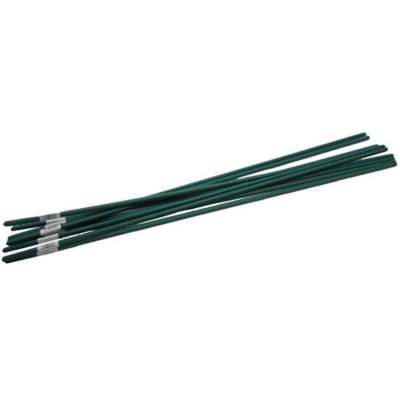
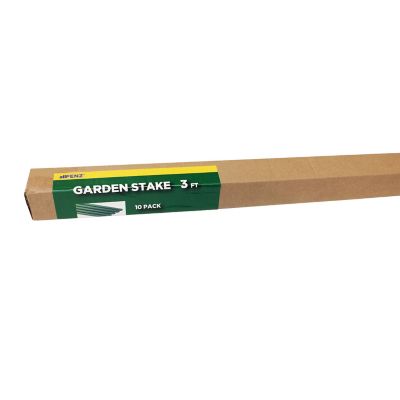
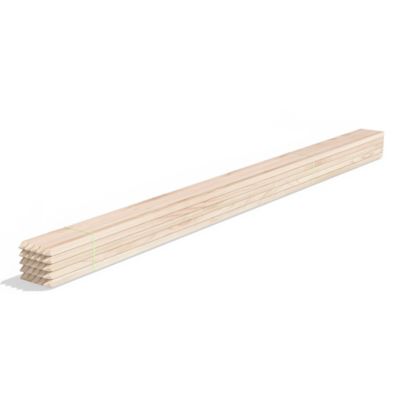
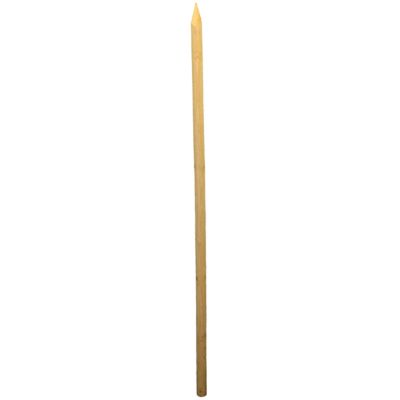
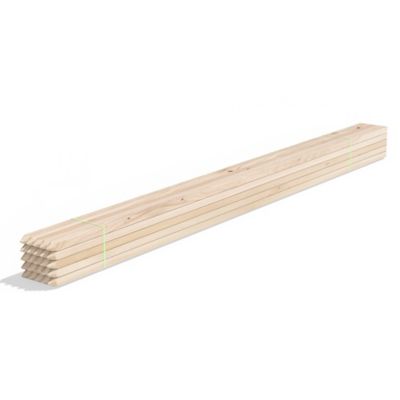
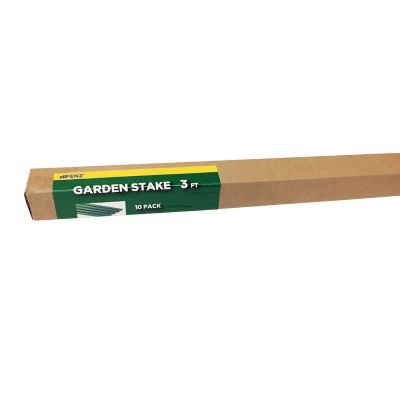
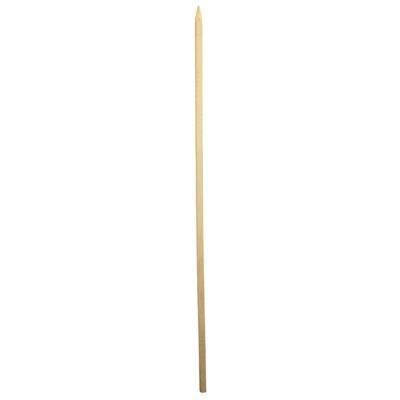
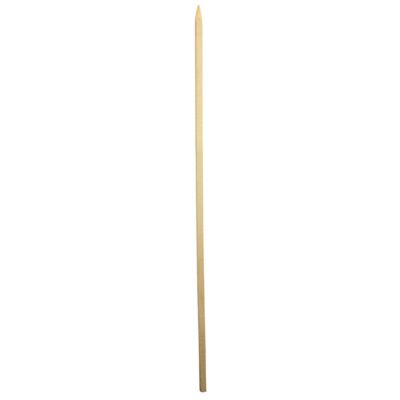
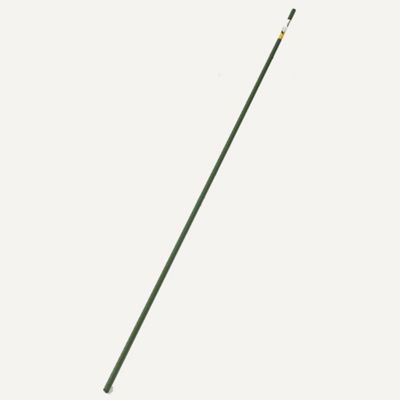
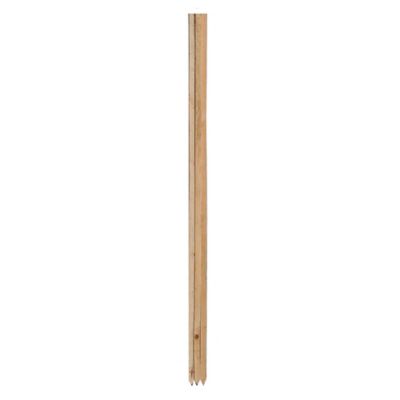
Plant-support stakes are another common type of yard stake. Bamboo, fiberglass, wood, and coated metal rods can help keep tomatoes, peppers, flowers, saplings, vines, and tall perennial stems upright as they grow. A slender stake may be enough for a single flower stem, while heavier plants or top-heavy branches need a taller, stronger support driven deep enough to resist leaning. Match the stake height to the plant’s mature size rather than its size at planting, leaving room to tie stems loosely as they develop. Soft garden ties, strips of cloth, or stretchable plant tape can help prevent damage; tight wire or thin cord may cut into stems as they thicken. For climbing plants, stakes can be paired with netting, twine, or a simple trellis arrangement to give vines a place to spread. In a vegetable patch, plant supports help keep fruit off damp soil, improve air movement, and make harvesting easier. They can also tidy up a flower bed when tall blooms begin to bend under rain or wind. During the cooler months, stakes may be useful for marking dormant perennials, newly planted trees, buried irrigation lines, or areas that should not be driven over or covered with heavy equipment. If a stake will stay in the ground through changing weather, consider a material that will not splinter, soften, or corrode easily. Rounded or capped tops are a thoughtful choice in areas where children, pets, or livestock may pass, and any stake placed near a walkway should be visible enough to help prevent trips.
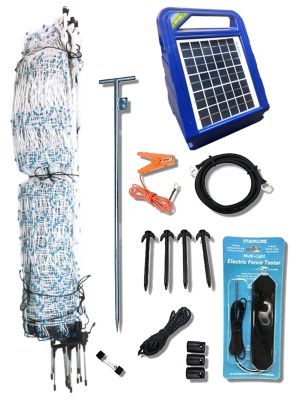
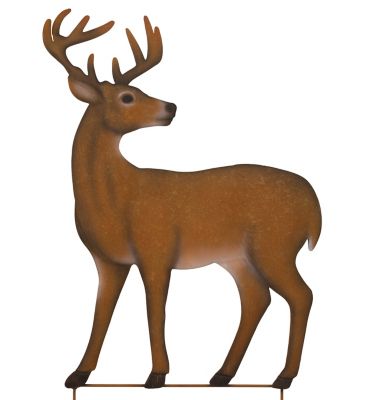
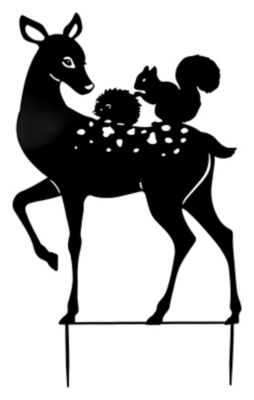
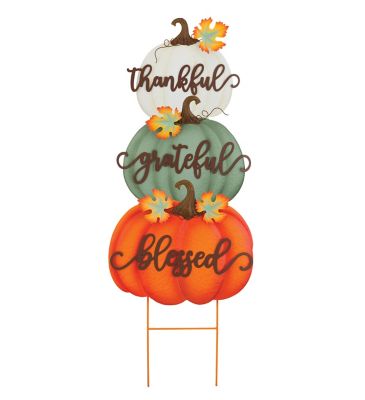
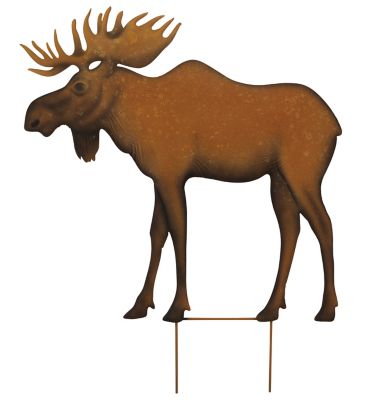
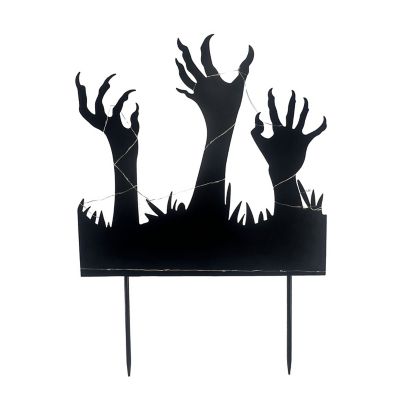
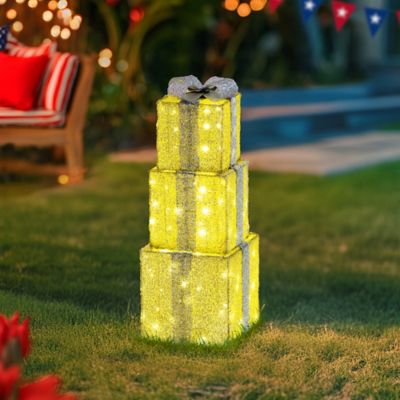
Yard sign stakes are made for displaying messages, directional signs, property information, event notices, and other outdoor signs where a dependable ground hold matters. Step-style and H-frame designs are popular because they spread support across the sign and can be pressed into the soil with a foot, while heavier steel options are suited to larger signs or breezier locations. Check the sign’s dimensions and attachment points before purchasing, then consider whether the ground is soft lawn soil, hard-packed gravel, or a landscaped bed. A stake that works well in a level front yard may not be the best fit for a roadside area exposed to wind and passing traffic. Decorative yard stakes add another use, bringing color, shape, seasonal character, or a small point of light to flower beds, porches, walkways, and garden borders. Solar-powered styles can create a soft glow after dark without running an extension cord, and they make thoughtful gifts for gardeners, new homeowners, neighbors, or anyone who enjoys making an outdoor space feel welcoming. For illuminated accents, place the stake where its solar panel can receive clear daylight and keep the light away from dense shade when possible. During early fall and the cooler days that follow, decorative stakes can brighten a porch or garden as evenings arrive sooner, while durable construction helps them remain useful as weather changes. If you are looking for another way to add gentle outdoor illumination, browse
Garden Stake Lights. Whether the job involves securing a patch of landscape fabric, guiding a climbing plant, posting a sign, or adding a bit of personality to the yard, compare stake length, material, strength, installation style, and intended use before filling your cart. A well-matched yard stake should be easy to place, steady in the ground, and suited to the soil and weather where it will do its work.