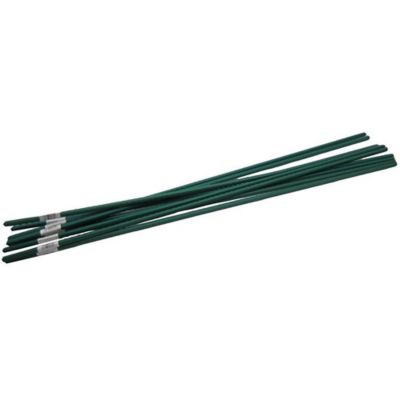
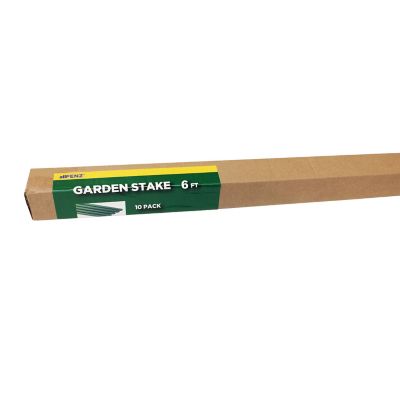
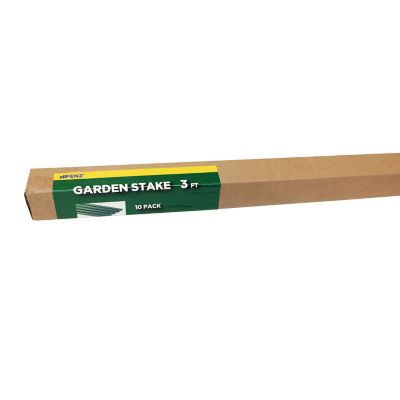
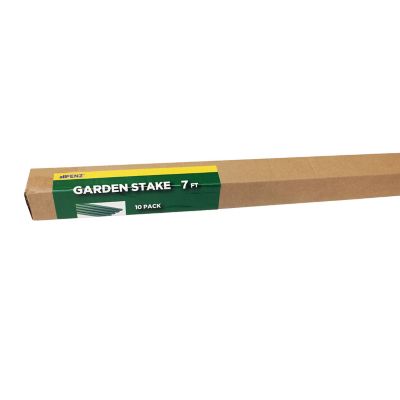
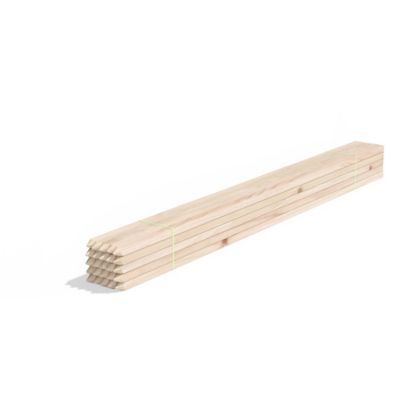
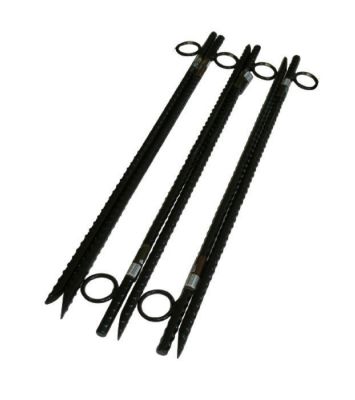
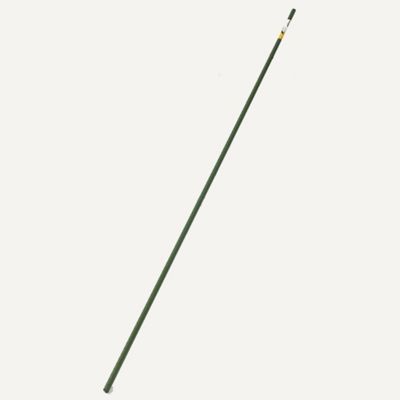
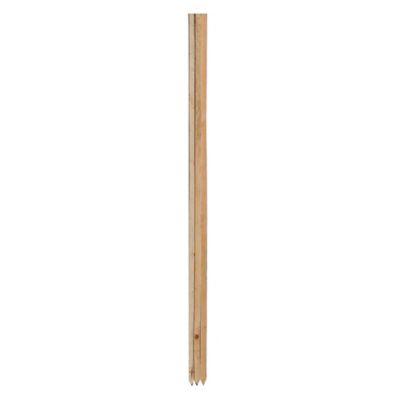
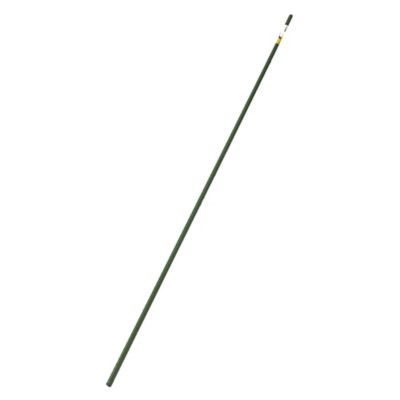
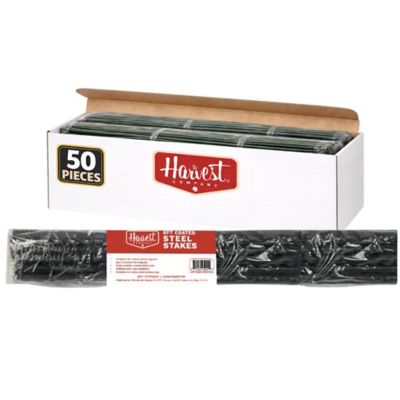
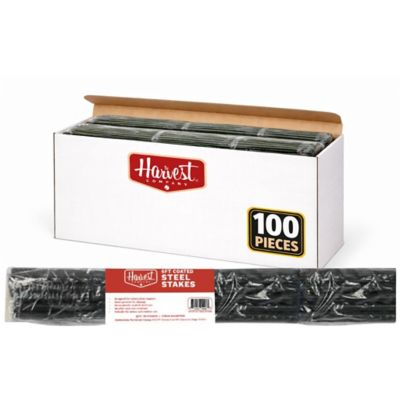
Garden stakes help hold plants upright, support heavy stems, guide climbing growth, and mark planting areas. They range from straight bamboo, wood, and metal supports to loop stakes, linking supports, and accents that bring a little personality to a bed. The right style depends on what needs a helping hand: a tomato plant carrying fruit, a tall flower leaning across a path, or a row of seedlings that needs a clear label. Straight stakes provide an individual anchor for stems, while curved and linking designs can support several stems around the edge of a leafy clump. Climbing plants may need ties or a broader framework, depending on how they attach and how much growth they produce. Keeping stems supported can also make watering, checking leaves, and reaching ripe vegetables less of a tangled job. In a backyard patch, a few well-placed supports help preserve walking room between rows; in a raised bed, they help keep sprawling growth from covering neighboring plants. Container gardeners have a different fit to consider, since a stake must work within the pot’s depth and width without making the whole planting top-heavy. Height matters, but so does thickness: a slender support suited to a small flowering stem may not have enough strength for a large fruiting plant. The length below the soil counts toward the total, so a tall plant needs more than a stake that merely matches its aboveground height. Plant size at maturity, the weight of fruit or flowers, and the number of stems sharing a support all help narrow the choice. For vegetable growers, flower gardeners, and folks tending a few pots beside the porch, garden stakes are practical tools that can make a planting easier to manage without taking up much room.
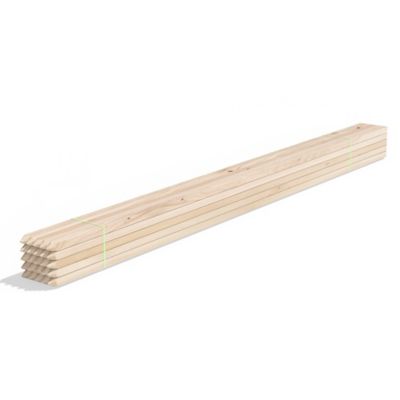
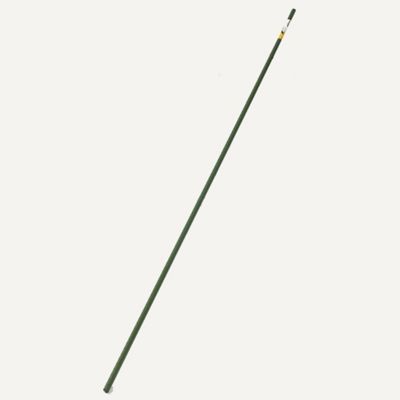
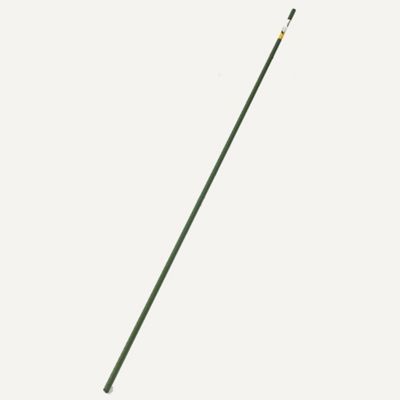
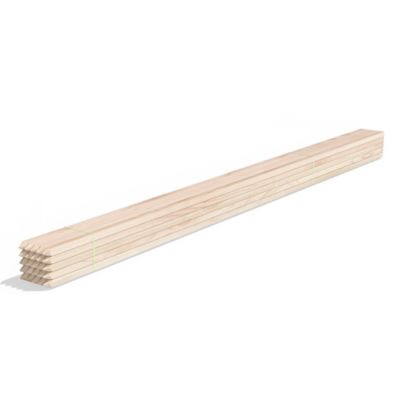
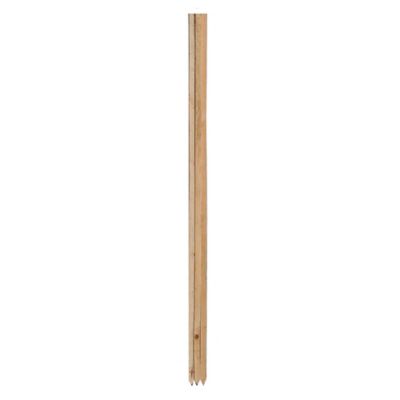
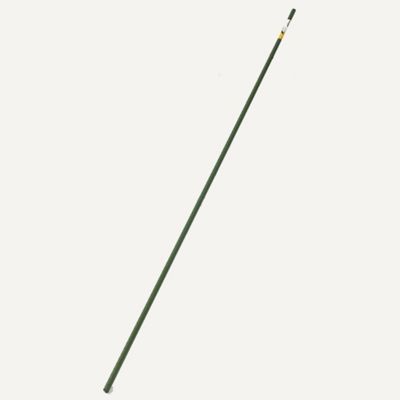
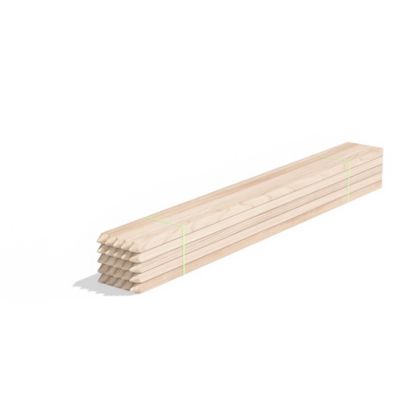
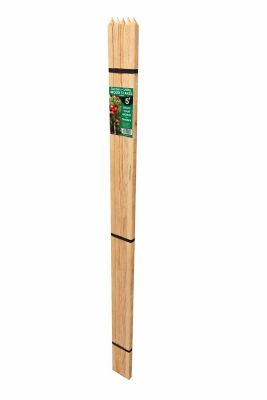
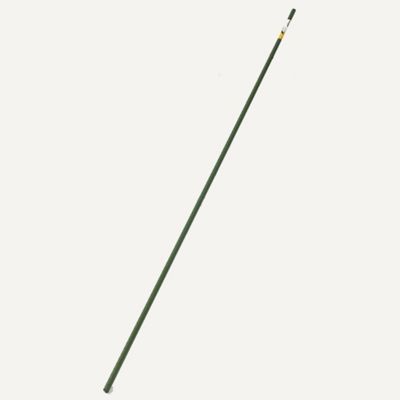
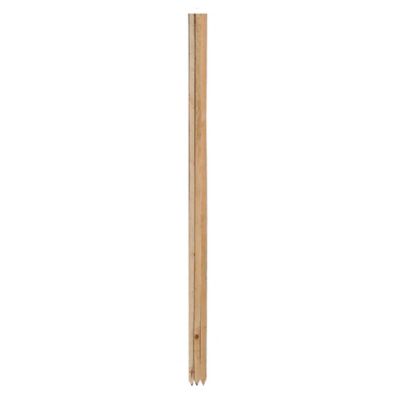
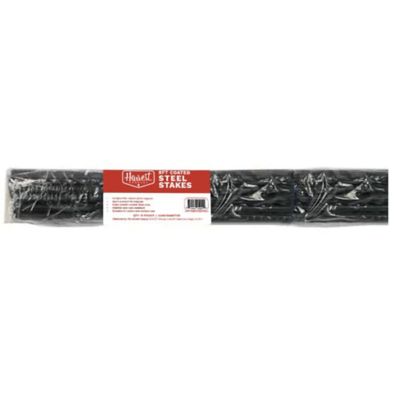
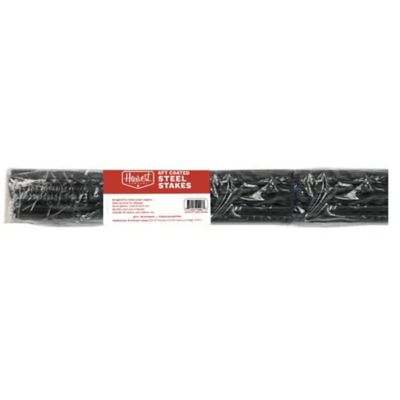
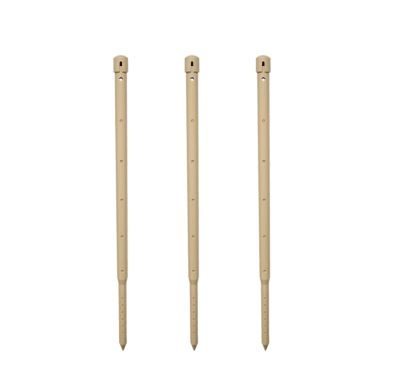
Material affects how garden stakes handle weight, moisture, repeated placement, and storage. Bamboo stakes are light to carry and blend in among leaves, making them a familiar choice for smaller support jobs and simple plant frameworks. Because bamboo varies in thickness and straightness, matching the cane to the job matters more than appearance alone. Wood stakes offer a solid surface for tying stems and attaching labels, though grain, splinters, and prolonged contact with damp soil deserve attention. For edible beds, any treatment or finish should be suitable for the intended gardening application. Steel stakes generally provide more strength in a narrow profile, and galvanized surfaces or protective coatings can help limit corrosion. A coating is not a promise against rust; scratches and worn areas still need a look before the next planting. Some coated metal stakes have textured surfaces or raised ribs that help keep ties from sliding, while smooth designs may need a different tie arrangement. Loop and linking supports are often a better match for plants with many stems than a single upright stake. Their opening, height, and reach should leave room for growth rather than pinch a clump together. The tie is part of the support system, too. Soft garden tape, broad ties, or suitable twine can hold a stem without the sharp pressure of bare wire. A little slack allows stems to thicken, and tie points need checking as growth fills out. Stability also depends on soil and insertion depth, not just the material. Loose soil may call for a different setup than firm ground, and shallow containers place limits on how far a support can go. A pointed end can ease placement, but forcing a stake through resistance risks bending the support or damaging roots. Supports positioned before roots spread are generally easier to place without disturbing an established plant. Nearby irrigation lines, bed liners, and other buried features belong in that fit check as well.
Garden stakes can also help a planting look orderly without making it feel fussy. A row marker keeps neighboring varieties straight, especially where young plants look much alike, while an accent stake can bring a bit of color or a familiar farmyard shape beside a walkway. These styles serve a different purpose from structural plant supports, so their size and appearance should not be mistaken for load-bearing strength. A label holder needs a readable face and a secure place for the plant name; a support needs enough strength and reach for the stems attached to it. In a narrow bed, a modest profile leaves more room for tending plants, and along a frequently traveled path, smooth edges and sensible placement help keep stakes from catching clothing. Visible tops can also make supports easier to spot when reaching into dense foliage. Storage and upkeep matter if the same stakes will return to the garden again. Removing soil and plant debris before putting them away helps keep the storage area tidy and makes damage easier to see. Wood and bamboo should have time to dry before being bundled, while metal supports benefit from a check for bent sections, exposed sharp edges, and worn finishes. Cleaning methods should suit the material and any coating, with the maker’s care directions taking priority. Keeping ties and labels together with the supports saves a hunt through the shed later. For a gardener setting up a first vegetable patch, or someone who always has another flower bed in the works, thoughtfully chosen stakes can make a practical gift when the plant sizes and growing space are known. For more planting support choices, take a look at
Stakes for Outdoor Spring Garden. Whether the job is holding a laden stem clear of the soil or keeping track of a freshly planted row, a good match comes down to purpose, proportions, and a support that fits the way the garden is tended.