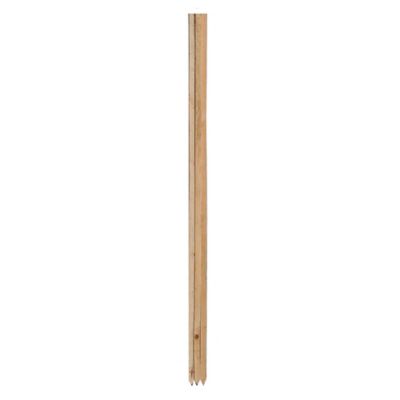
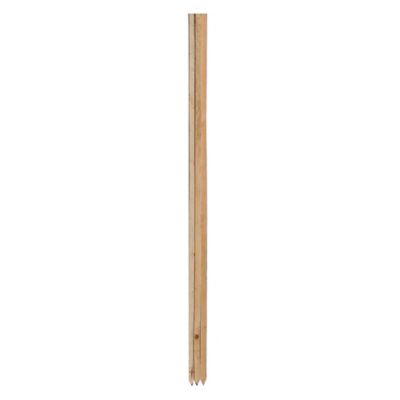
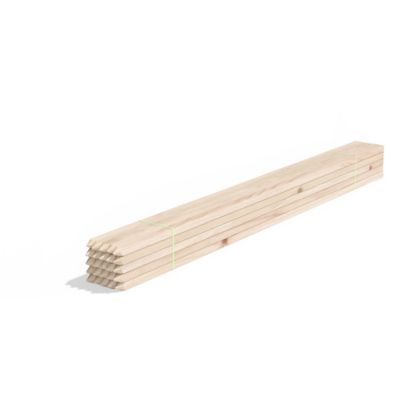
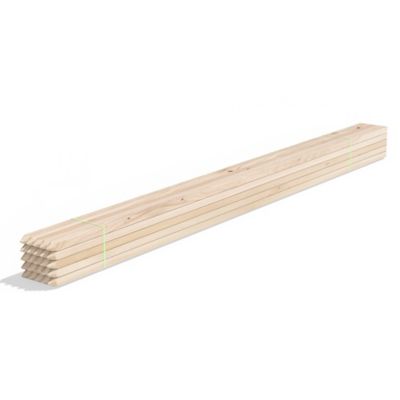
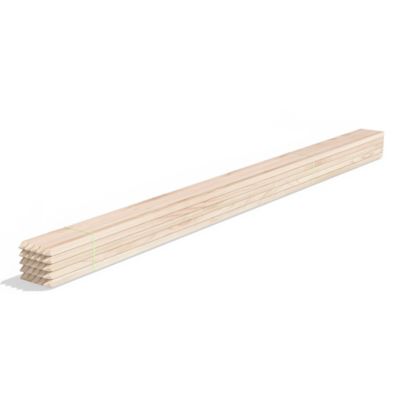
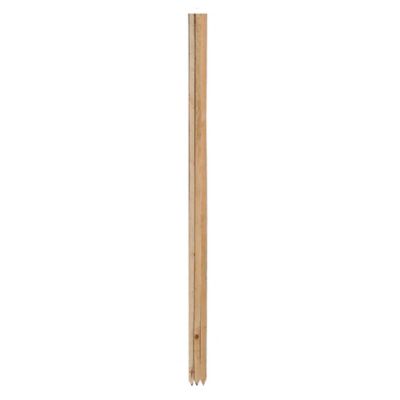
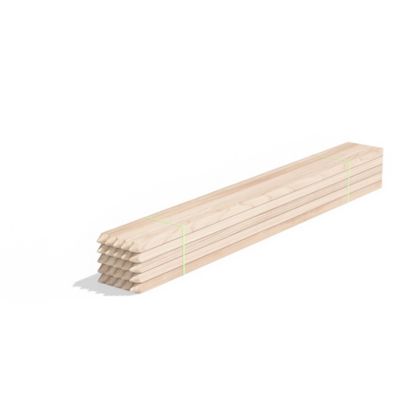
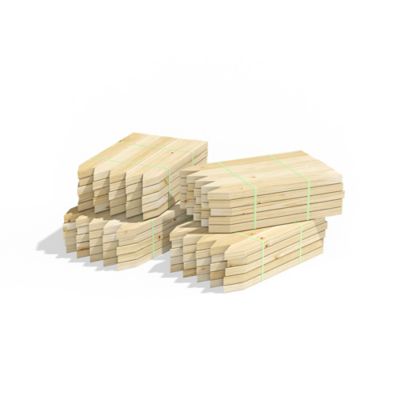
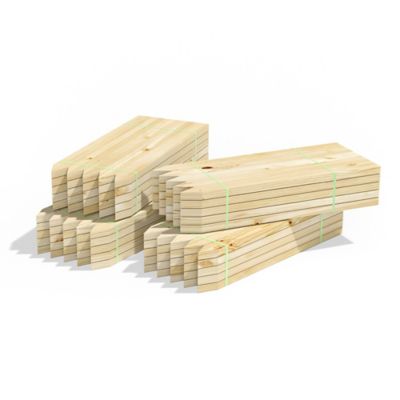
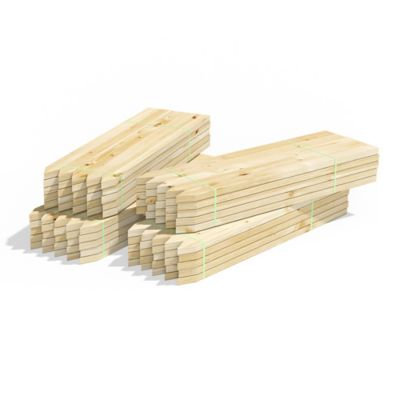
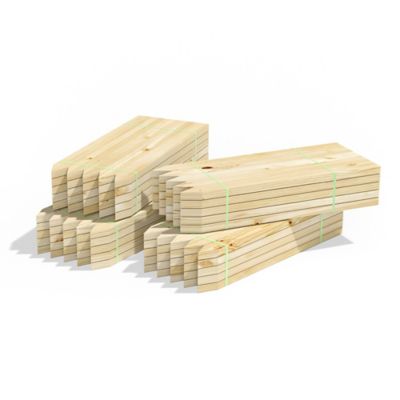
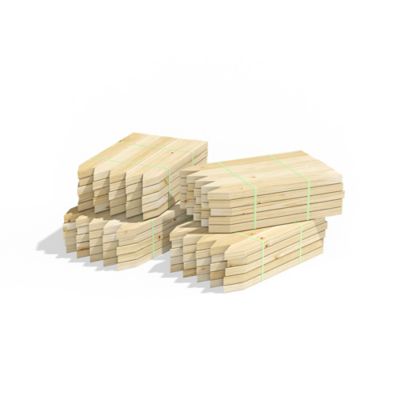
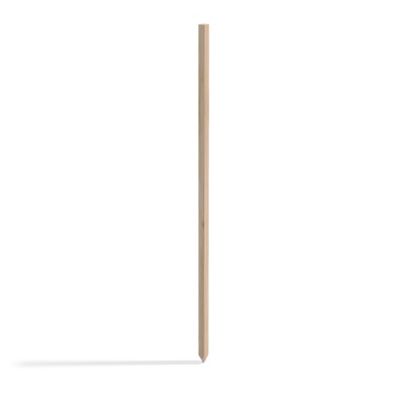
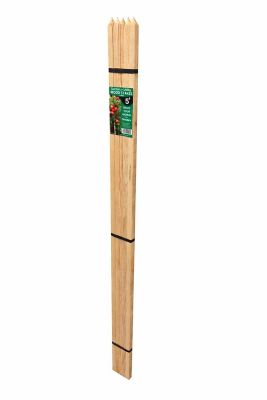
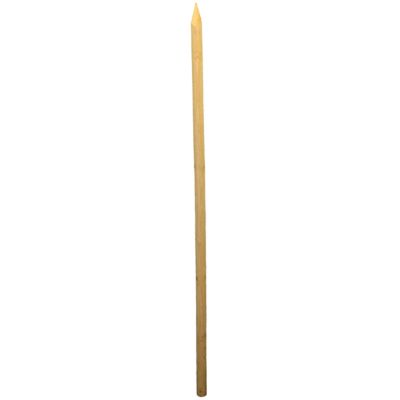
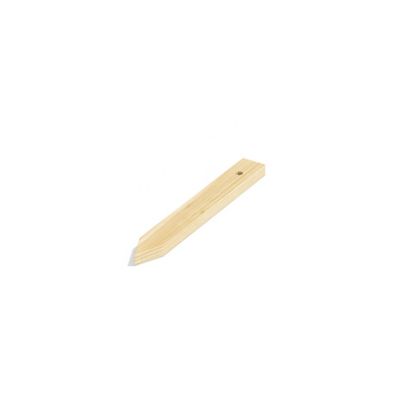
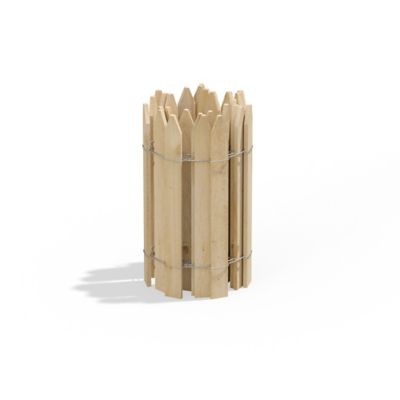
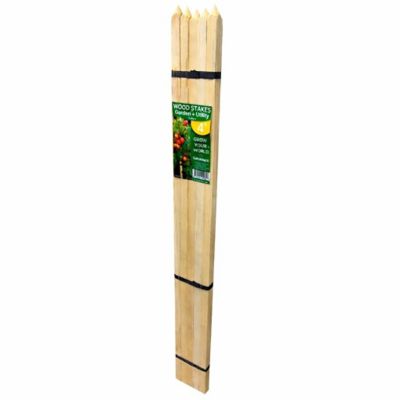
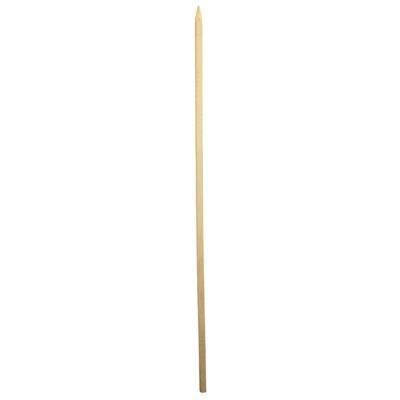
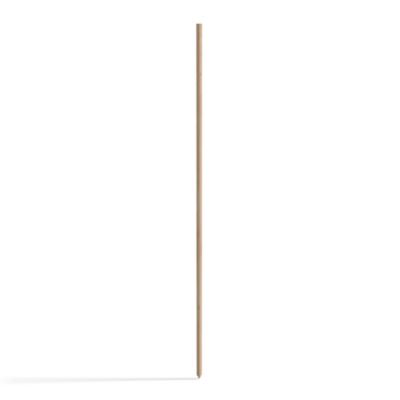
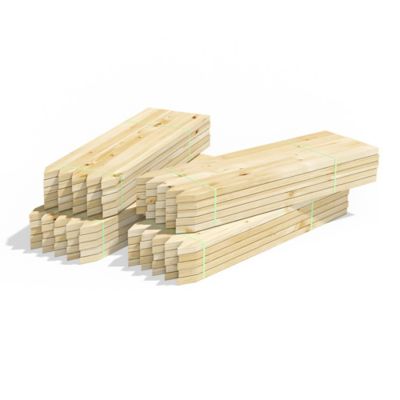
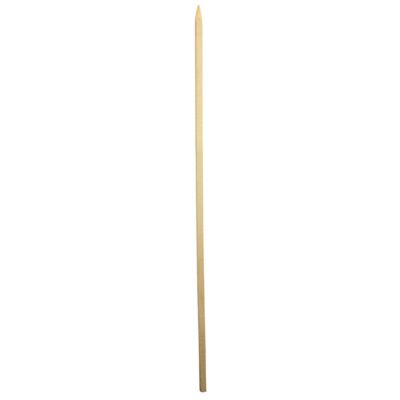
Wood yard stakes are pointed wooden posts that serve as markers, light plant supports, and mounting points for small outdoor signs. Around a garden, pasture entrance, or backyard, they make it easier to see where a row starts, where a planting bed will run, or which patch needs a little extra attention. Common lengths range from about 12 to 60 inches, with shorter stakes suited to close-to-the-ground marking and longer ones offering more height for plant ties, labels, or signs. The right fit depends on more than overall length: the width and thickness of the wood, the amount set below ground, and the weight above it all affect how a stake performs. A slim marker tucked beside a row of onions has a different job than a post holding a sign along a breezy gravel lane. Many wood garden stakes feature a chiseled or tapered point that helps them enter workable soil, while their flat sides provide space for writing, attaching labels, or fastening a lightweight sign. Untreated pine and cedar are common material choices. Pine offers a straightforward surface for marking and fastening, while cedar has natural resistance to decay, though neither is immune to weathering or damage from constant ground contact. Wood grain, knots, and surface finish also matter, especially where a fastener will sit or a plant tie will rub. A straight stake with sound wood around the attachment area is better suited to that work than one with a split running through it. For gardeners, homeowners, and folks tending a small acreage, wooden stakes offer a simple way to bring order to outdoor projects without turning every marker into a permanent fixture. Their plain appearance sits comfortably beside vegetable rows, mulched beds, and farmyard paths, and their writable surfaces help keep plant names and project notes close to the ground they describe.
Matching wood yard stakes to their surroundings starts with the job they need to handle. In a vegetable garden, they can identify varieties, mark seeded rows before sprouts appear, or support lightweight stems with suitable ties. Along a new flower bed, a line of stakes and string can show the planned edge before any sod comes out. They can also help lay out a fence route or flag a proposed planting area, but temporary markers do not establish legal property boundaries or replace a professional survey. Existing survey markers should remain undisturbed. For signs, both the sign’s size and its exposure to wind matter. A broad panel catches more air than a small plant label, and a narrow wooden stake may twist, lean, or split under a load it was not meant to carry. Fastener placement matters, too: nails, screws, and staples near an edge or a knot can start a crack, particularly in thin or dry wood. A small pilot hole may help when the stake and fastening method call for one. Above-ground height deserves the same attention. A longer stake does not provide its full length as visible support because part of it needs to sit in the soil; suitable depth varies with soil firmness, exposure, and the task. Loose garden soil, dense clay, and rocky ground each present different challenges, and frozen ground can make installation impractical. Stakes intended for light garden work are not a substitute for structural posts, substantial tree supports, or anchors for heavy equipment. Where a planting needs greater support,
Heavy Duty Garden Stakes may be a better category to consider, with the material and dimensions matched to the load. Plant ties should allow room for growth rather than cinching a stem tightly against the wood. A young plant moving gently in the breeze needs a different arrangement than a stiff sign beside a driveway, even when both call for a stake.
Outdoor exposure plays a big part in how long wooden yard stakes remain serviceable. Rain, irrigation, soil moisture, and repeated wetting and drying can lead to discoloration, rough surfaces, splitting, or decay, especially near the soil line. Cedar’s natural decay resistance can be helpful, but wood species alone does not determine service life. Stake thickness, drainage, exposure, and storage between projects also make a difference. Untreated wood is a common choice around garden beds, while any treated or coated wood should have labeling that fits its intended setting, particularly near edible plants. Paint or another suitable exterior coating may help a sign stake shed moisture above ground, but it does not turn ordinary wood into a permanent ground-contact post. For temporary marking, clear lettering on a dry, reasonably smooth face makes plant names and row notes easier to read from the path. Labels and writing materials intended for outdoor exposure generally stand up to weather better than indoor paper labels. As the weather cools and garden tasks shift, stakes can keep dormant planting areas visible or mark bed edges that become harder to spot beneath fallen leaves. Placement still matters: markers belong clear of mower routes, walking paths, and spots where children or animals could run into them. Before driving a stake, check for irrigation tubing, landscape wiring, and other buried obstacles, and follow local utility-location requirements where applicable. Gloves help protect hands from splinters, and hard blows against a dry wooden top can cause it to split rather than move farther into the ground. Stakes removed after a project benefit from having clinging soil brushed away and drying before storage in a sheltered place. Checking for soft spots, cracks, and loose fasteners before the next task helps separate sound supports from wood that is ready for replacement. With the right dimensions and sensible care, wood yard stakes can handle everyday marking and light support jobs from the kitchen garden to the edge of the barnyard.