Yard Garden Stakes Fourth Of July Sale
Get your yard ready for summer celebrations with the Yard Garden Stakes Fourth Of July Sale. It’s the perfect time to add a splash of patriotic charm to your outdoor space and show off your American spirit. Whether you’re hosting a backyard barbecue or just want to brighten up your garden, you’ll find plenty of festive options to make your yard stand out all season long.
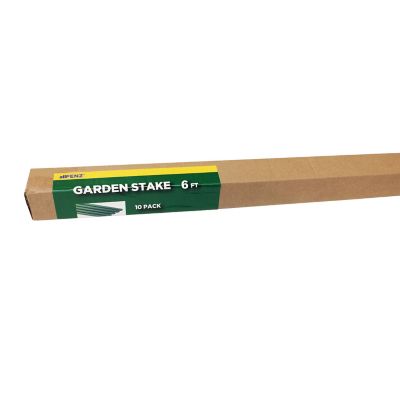
$13
.49
Sale Was $14.99 Save $1.50 (10%)
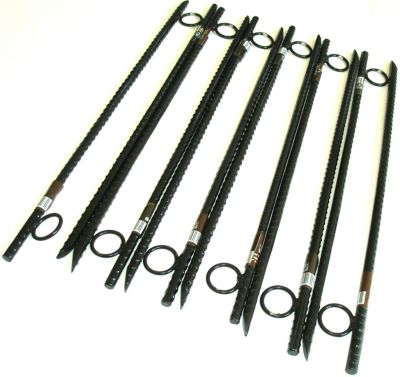
$35
.99
Sale Was $39.99 Save $4.00 (10%)
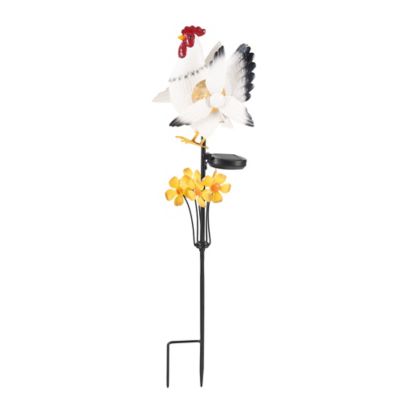
$12
.49
Sale Was $24.99 Save $12.50 (50%)
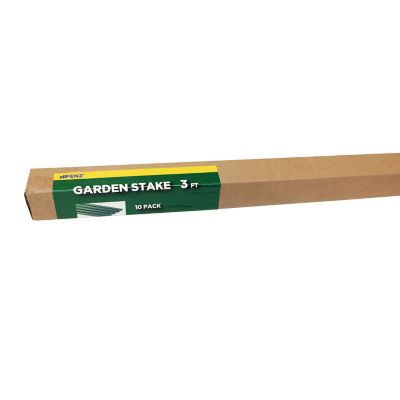
$10
.79
Sale Was $11.99 Save $1.20 (10%)
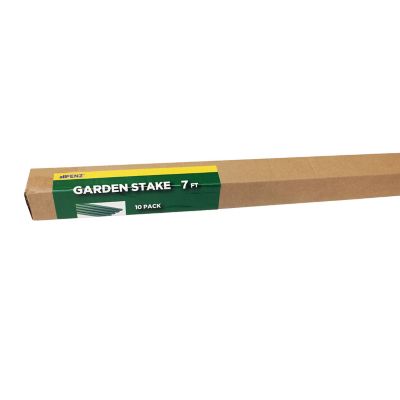
$22
.49
Sale Was $24.99 Save $2.50 (10%)
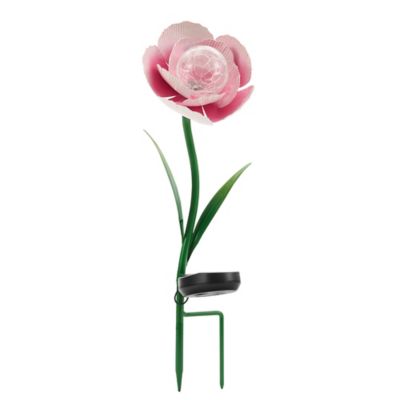
$9
.99
Sale Was $19.99 Save $10.00 (50%)
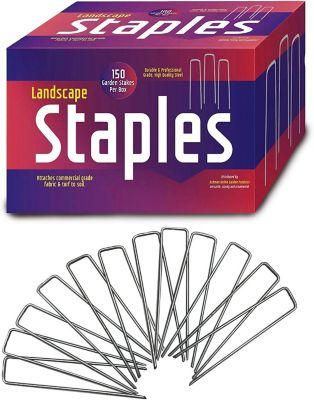
$21
.99
Sale Was $24.99 Save $3.00 (12%)
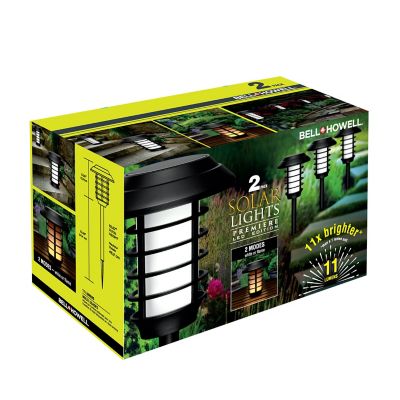
$26
.99
Sale Was $29.99 Save $3.00 (10%)
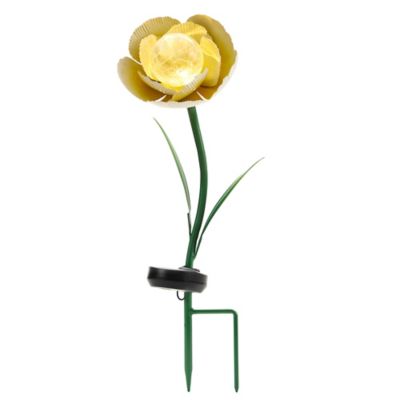
$9
.99
Sale Was $19.99 Save $10.00 (50%)
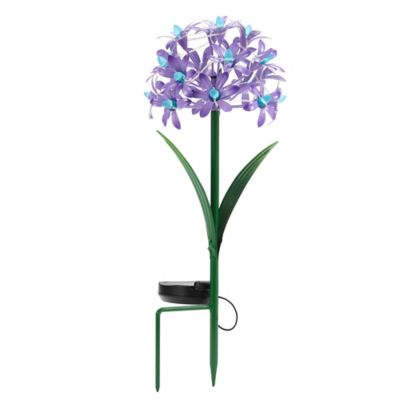
$9
.99
Sale Was $19.99 Save $10.00 (50%)
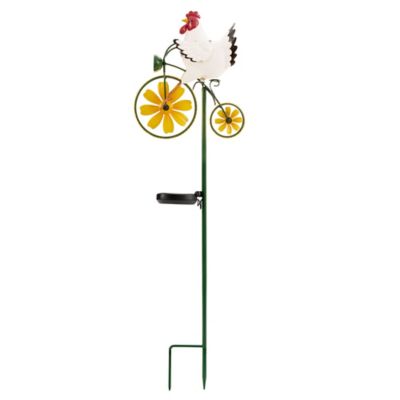
$12
.49
Sale Was $24.99 Save $12.50 (50%)
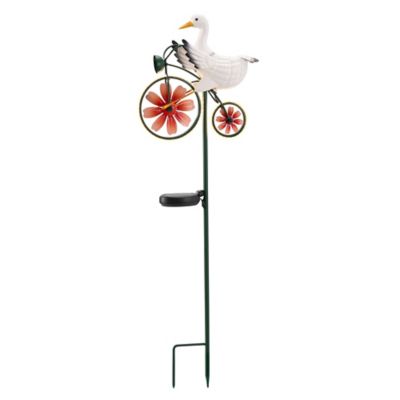
$12
.49
Sale Was $24.99 Save $12.50 (50%)
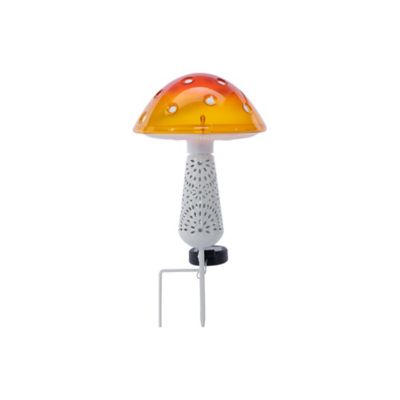
$9
.99
Sale Was $19.99 Save $10.00 (50%)
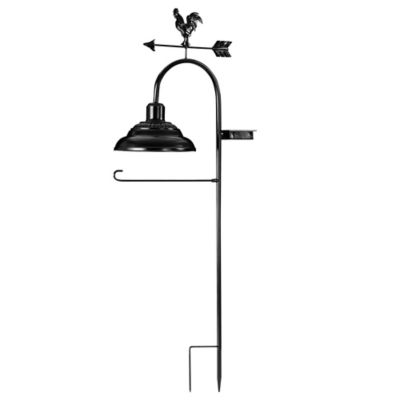
$24
.99
Sale Was $49.99 Save $25.00 (50%)

$9
.99
Sale Was $19.99 Save $10.00 (50%)

$104
.99
Sale Was $144.99 Save $40.00 (28%)
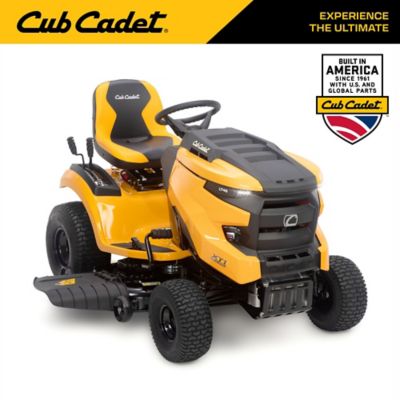
$2,399
.99
Sale Was $2,599.99 Save $200.00 (8%)
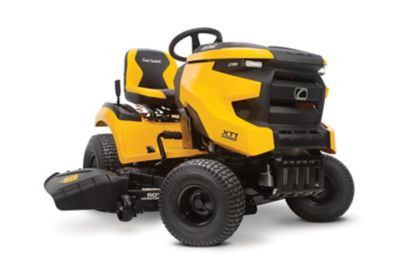
$2,799
.99
Sale Was $2,999.99 Save $200.00 (7%)
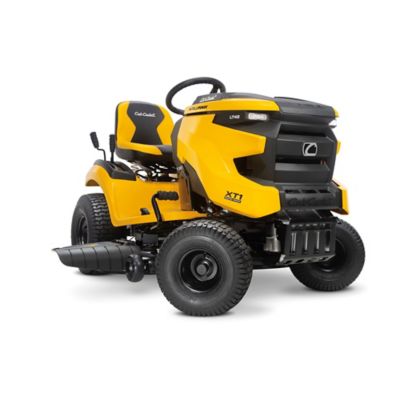
$2,199
.99
Sale Was $2,399.99 Save $200.00 (8%)
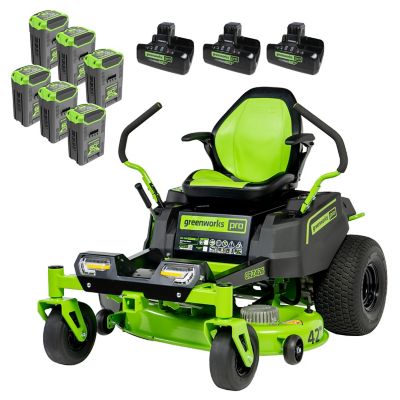
$2,999
.99
Sale Was $5,499.99 Save $2500.00 (45%)
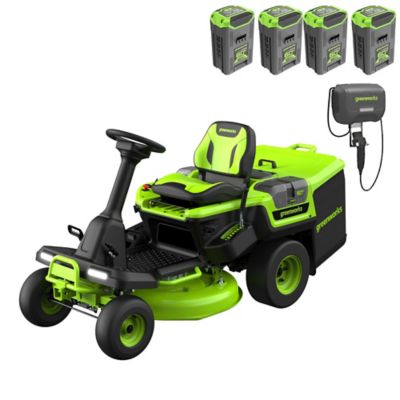
$2,499
.99
Sale Was $3,999.99 Save $1500.00 (38%)
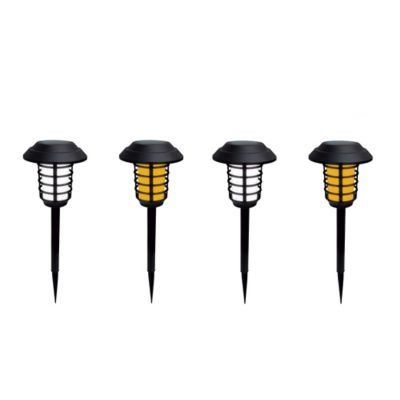
$53
.99
Sale Was $59.99 Save $6.00 (10%)
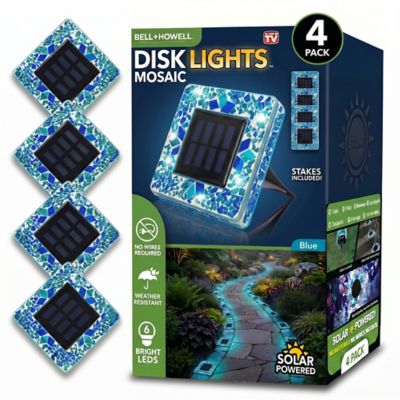
$26
.99
Sale Was $29.99 Save $3.00 (10%)
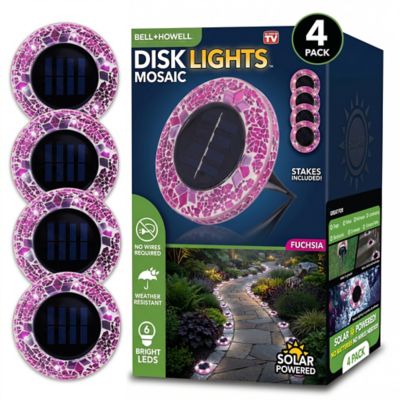
$26
.99
Sale Was $29.99 Save $3.00 (10%)
Best Of FAQ
What are yard and garden stakes for during Fourth of July celebrations?
Yard and garden stakes help display patriotic decorations, flags, banners, and lights during Fourth of July celebrations. They create a festive atmosphere in your outdoor spaces.
Can yard and garden stakes work for other holidays or events?
Yes, many yard and garden stakes are versatile and can serve for various holidays, events, or general garden purposes throughout the year by simply changing the decorations attached to them.
Are there special designs available for Fourth of July yard and garden stakes?
Many yard and garden stakes feature patriotic themes such as stars, stripes, American flags, or red, white, and blue colors specifically for Fourth of July celebrations.
How do I install yard and garden stakes in my lawn or garden?
Most yard and garden stakes are designed to be easily inserted into soil or grass by hand. For harder ground, you may need to gently tap them with a rubber mallet.
Can I place yard and garden stakes to support plants as well as decorations?
Absolutely! Yard and garden stakes can serve multiple purposes, including supporting growing plants like tomatoes or flowers in addition to holding up festive decorations.
Best Sellers
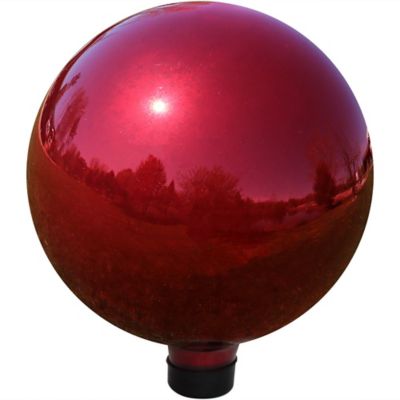

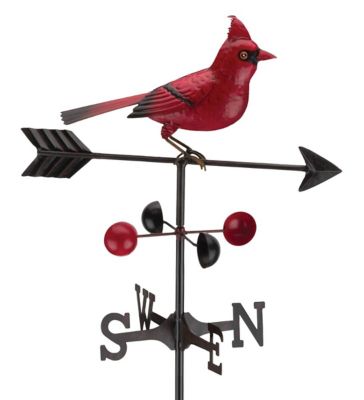
-
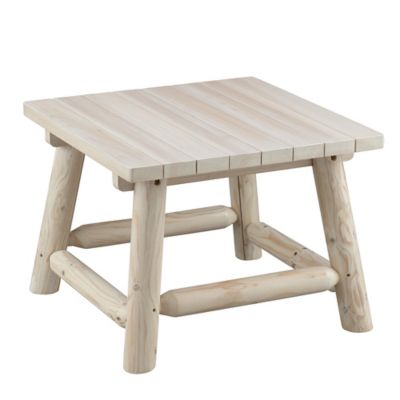
"Love the table it’s a great addition"
-
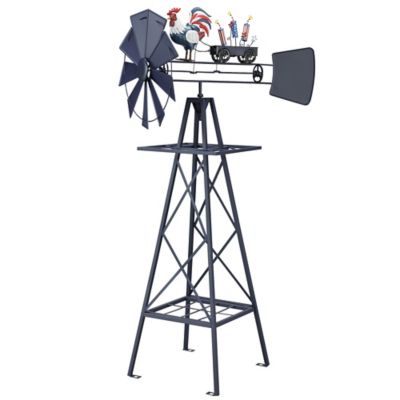
"Love my windmill. It looks great in my front yard"
-
"Mower runs great,cut my mowing time in half. wish the staff would have had time to find the owners manual"
-
"Overall great quality and easy to assemble. Looks fanatastic and is very sturdy. #Sweeps"
-
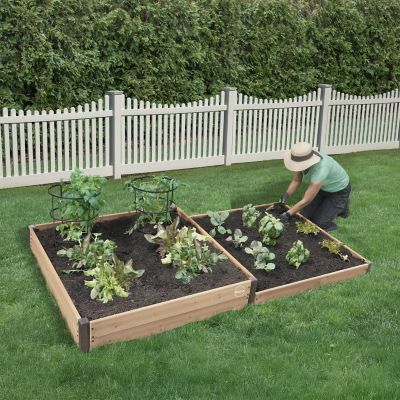
"Great quality and makes a great addition to my backyard garden"