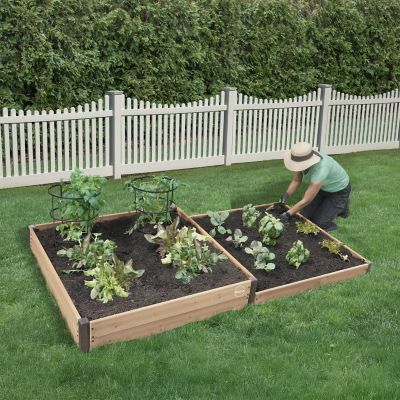
Yard Planters Fourth Of July Sale
Get your yard looking its best for summer gatherings with the Yard Planters Fourth Of July Sale. Whether you're sprucing up your porch, patio, or garden, now’s the perfect time to save on planters that fit right into your outdoor space. Celebrate the holiday with fresh flowers, bold greenery, and a little red, white, and blue flair. Stock up while deals last and give your homegrown style a boost just in time for fireworks and family cookouts.
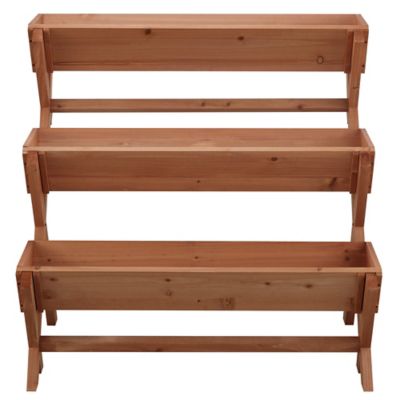
$84
.99
Sale Was $99.99 Save $15.00 (15%)
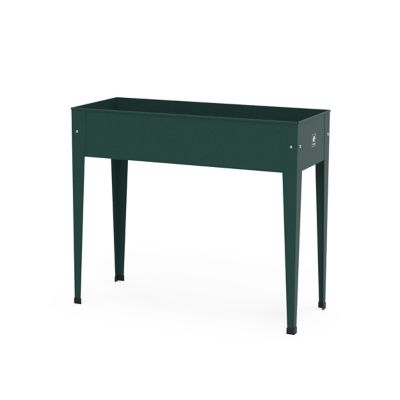
$119
.99
Sale Was $149.99 Save $30.00 (20%)
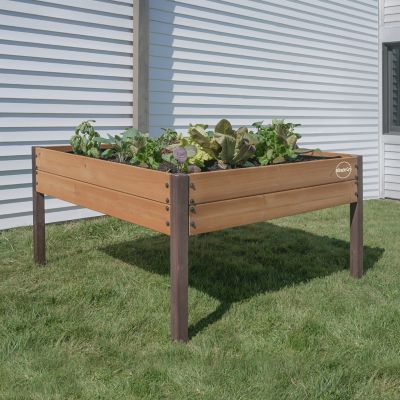
$104
.99
Sale Was $139.99 Save $35.00 (25%)
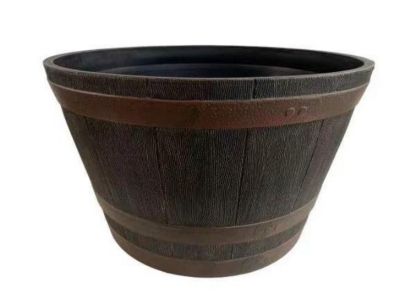
$21
.99
Sale Was $24.99 Save $3.00 (12%)
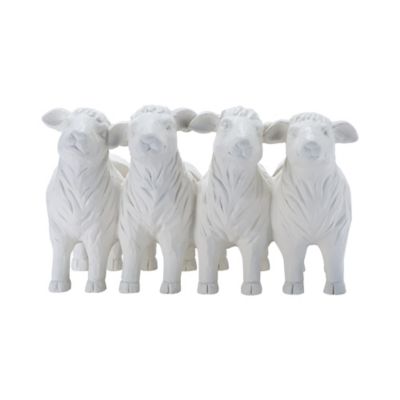
$24
.99
Sale Was $49.98 Save $24.99 (50%)
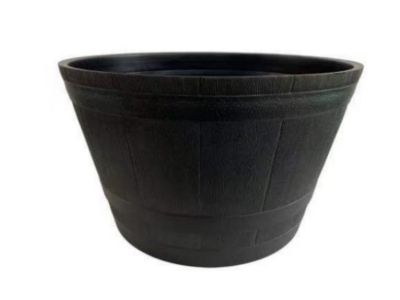
$21
.99
Sale Was $24.99 Save $3.00 (12%)
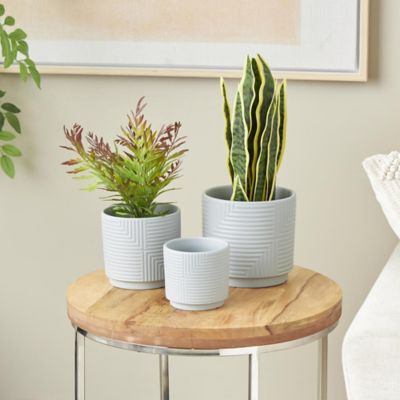
$25
.99
Sale Was $28.99 Save $3.00 (10%)
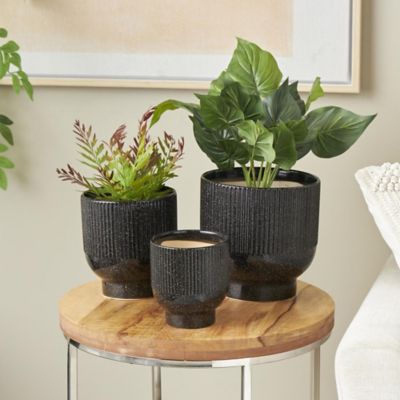
$51
.99
Sale Was $57.99 Save $6.00 (10%)
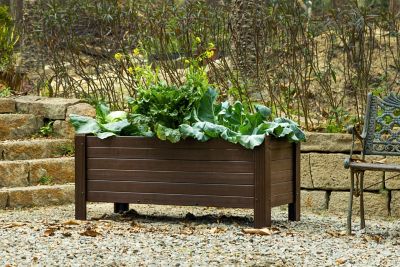
$159
.99
Sale Was $199.99 Save $40.00 (20%)

$26
.99
Sale Was $29.99 Save $3.00 (10%)
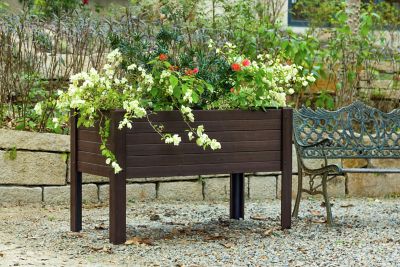
$224
.99
Sale Was $249.99 Save $25.00 (10%)
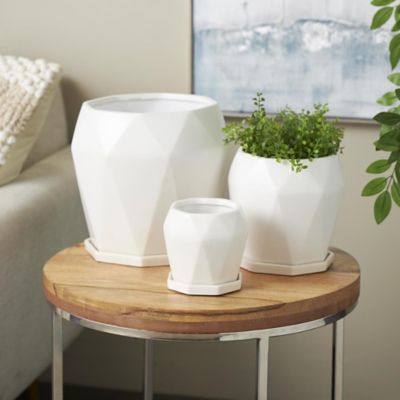
$57
.99
Sale Was $64.99 Save $7.00 (11%)
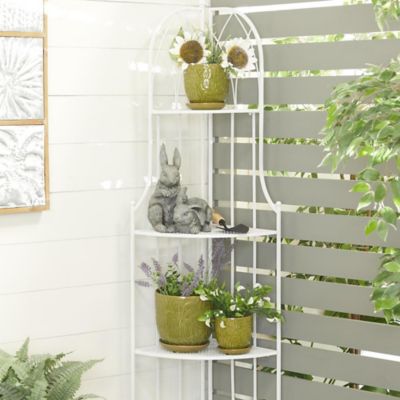
$48
.99
Sale Was $54.99 Save $6.00 (11%)

$48
.99
Sale Was $54.99 Save $6.00 (11%)
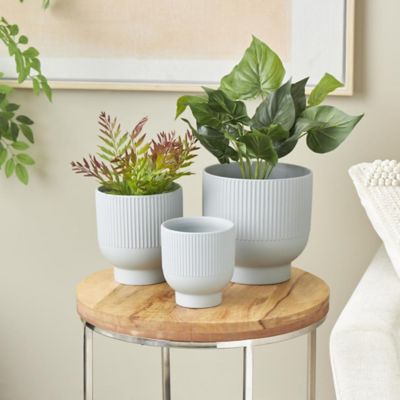
$51
.99
Sale Was $57.99 Save $6.00 (10%)
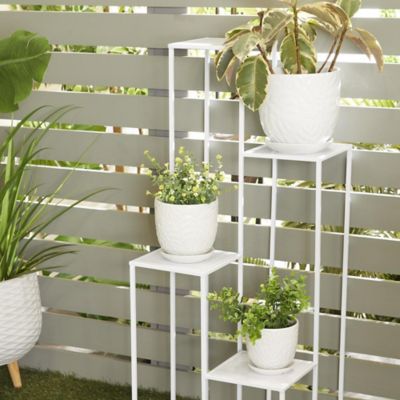
$48
.99
Sale Was $54.99 Save $6.00 (11%)

$52
.99
Sale Was $58.99 Save $6.00 (10%)
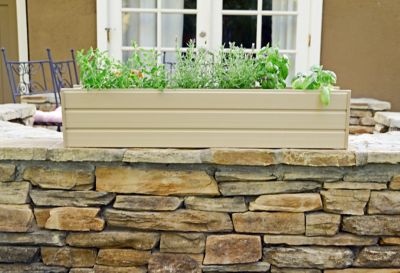
$43
.99
Sale Was $54.99 Save $11.00 (20%)

$48
.99
Sale Was $54.99 Save $6.00 (11%)
Best Of FAQ
What types of yard planters are popular for Fourth of July celebrations?
Popular yard planters for the Fourth of July often feature patriotic colors, star patterns, or flag motifs. Many people choose planters that can be easily decorated with red, white, and blue flowers or accents to enhance their holiday displays.
How can I use yard planters to create a festive atmosphere for Independence Day?
You can arrange yard planters along walkways, patios, or porches and fill them with seasonal flowers in patriotic colors. Adding small flags or themed decorations to your planters can further boost the festive spirit for your Fourth of July gathering.
Are there specific plants that work well in yard planters for summer holidays like the Fourth of July?
Yes, summer-blooming annuals such as petunias, geraniums, and marigolds thrive in yard planters and come in vibrant colors perfect for holiday themes. Mixing red, white, and blue varieties creates a classic Independence Day look.
Can yard planters be reused for other seasonal decorations after the Fourth of July?
Absolutely! Yard planters are versatile and can be refreshed with new plants or decorations to suit different seasons and holidays throughout the year.
What materials are common for outdoor yard planters suitable for holiday displays?
Outdoor yard planters are often made from ceramic, resin, metal, or wood. These materials handle outdoor conditions well and provide a sturdy base for creative holiday arrangements.
Best Sellers
-
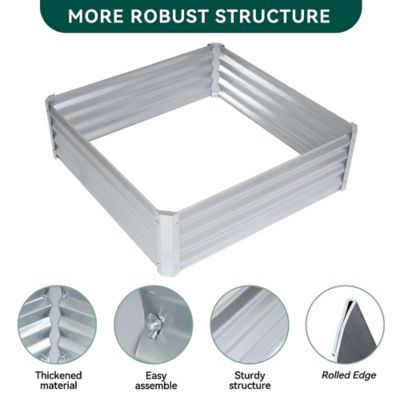
"I love this raised bed frame! Very easy to assemble and no tools needed"
-
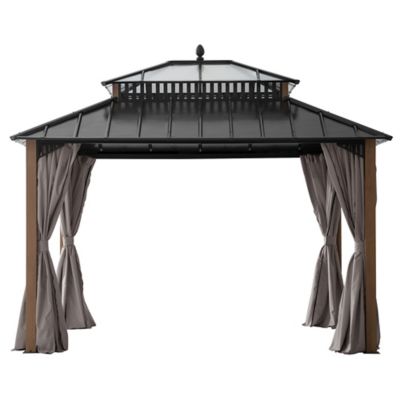
"Great balance of light, airflow, and protection"
-
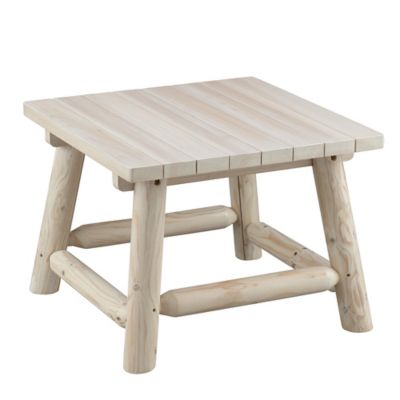
"Love the table it’s a great addition"
-
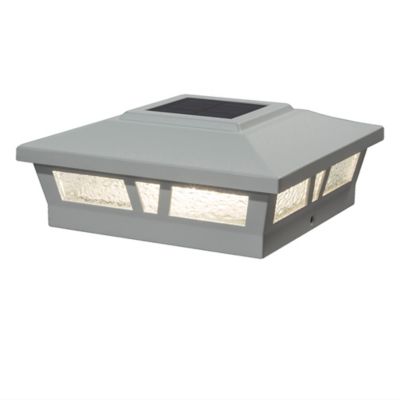
"We love them so much, we bought them again"
-
"Overall great quality and easy to assemble. Looks fanatastic and is very sturdy. #Sweeps"