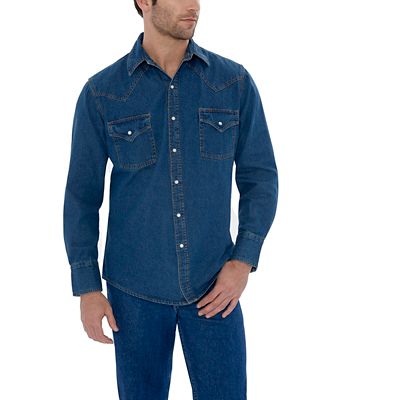
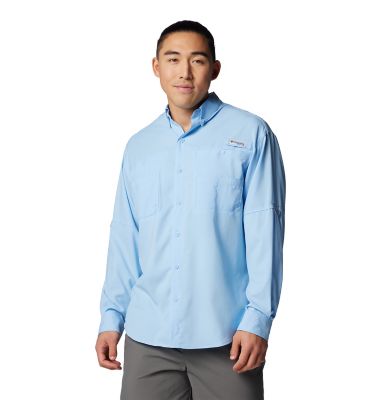
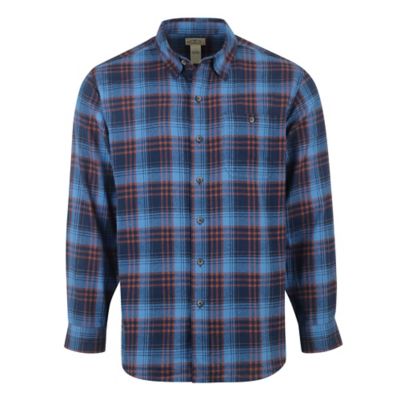
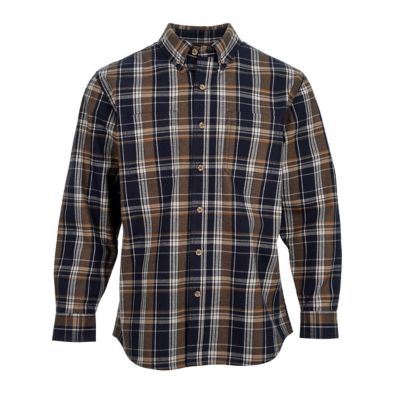
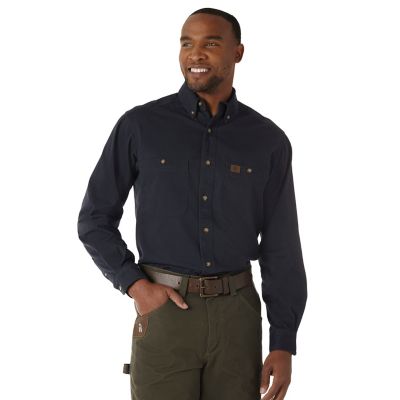
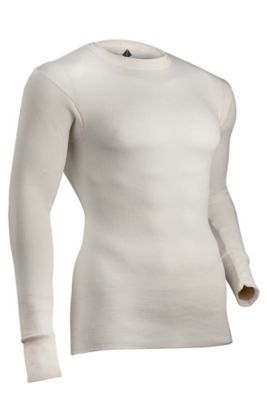
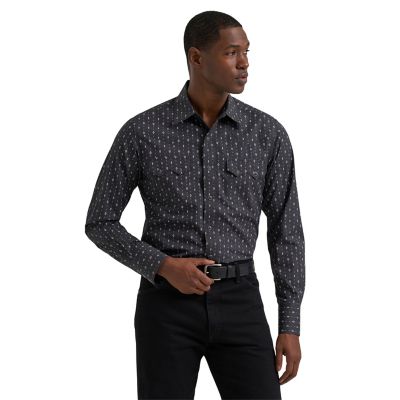
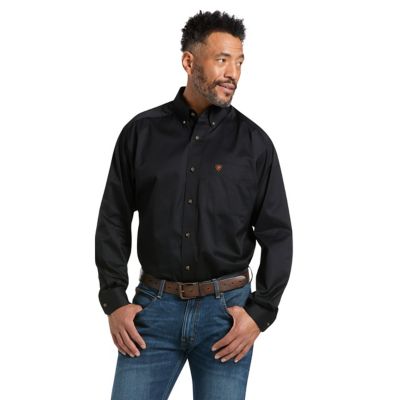
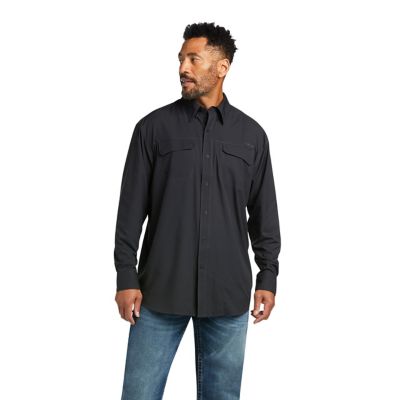
XL tall long sleeve shirts are sized to give a larger frame extra sleeve and torso length without simply making the shirt wider. Often labeled XLT or XL Tall, this size combines an extra-large chest fit with longer proportions through the arms and body. Standard XL and XL tall shirts may cover a similar chest range, but the tall version generally gives cuffs more reach and helps the hem stay down when bending, sitting, or reaching overhead. That difference matters when lifting a feed sack onto a shelf, leaning across a workbench, or spending several hours behind the wheel. Height alone does not tell the whole story: a person with a long torso may need more body length, while someone with long arms may notice sleeve length first. Within the broader range of
Xl Mens Shirts, the tall designation helps distinguish those proportions from a standard extra-large fit. Size charts matter because chest ranges, sleeve measurements, and finished shirt lengths differ among makers and styles. Sleeve length may be measured from the center back of the neck, across the shoulder, and down the arm, rather than from the shoulder seam alone. Comparing measurements taken the same way gives a clearer picture of fit. A comfortable shoulder seam rests near the shoulder instead of dropping far down the upper arm, and the chest should allow movement without pulling across the front. Sleeves need enough reach for bent elbows, not just arms hanging at the sides. For tucked-in wear, additional body length gives the hem more room to stay below the waistband through a full day of chores. For untucked wear, a straight or shaped hem can change how the shirt hangs over jeans. Relaxed cuts leave more space through the body, while closer cuts reduce loose fabric; neither replaces the need for the right sleeve and torso length.
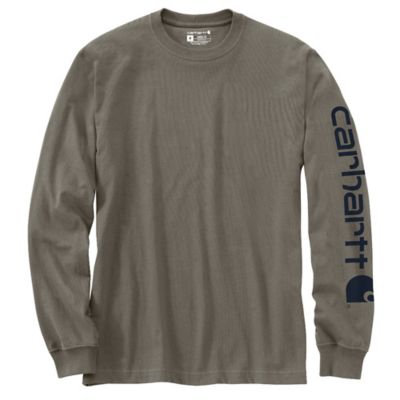
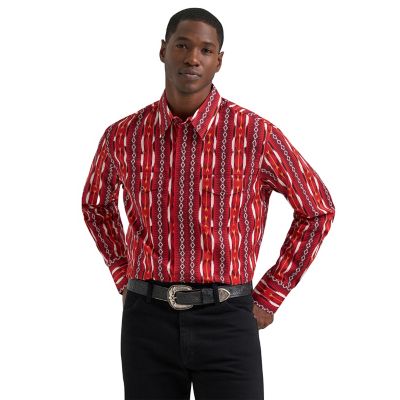
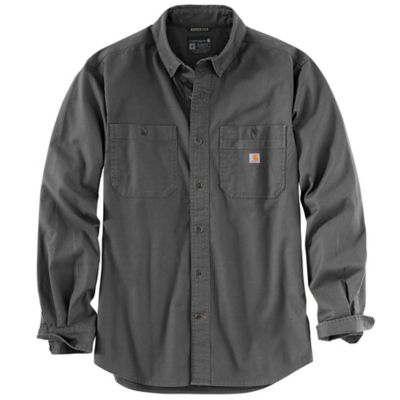
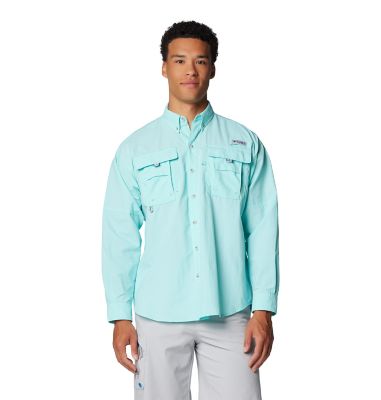
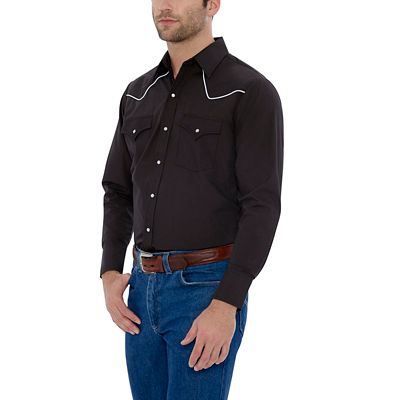
Fabric and construction give XL tall long sleeve shirts their character, whether the job calls for a simple knit shirt, a button-front work shirt, or something that looks right at a family supper. Cotton jersey has a soft feel and an easy drape that works well for everyday wear. Heavier knits have more substance, while lighter fabrics sit more easily beneath another shirt or a vest. Woven cotton, twill, and brushed flannel bring different textures and structures to button-front styles. Twill often feels firmer and holds a more defined shape, while brushed fabric has a softer surface against the skin. Cotton-polyester blends can balance a familiar cotton feel with shape retention and easier drying, though fabric weight and construction also affect how a shirt wears. A small amount of stretch can make reaching and bending feel less restricted, especially across the shoulders and elbows. Fabric thickness alone does not tell the whole story about how well a shirt will hold up. Even stitching, secure buttons, neatly finished seams, and reinforcement at stress points all contribute to everyday service. Shoulder construction and back pleats can also make a difference when reaching forward to carry a bucket or work at a bench. Rib-knit cuffs on casual shirts help keep sleeves close to the wrists, while button cuffs allow some adjustment around a watch or forearm. A chest pocket offers a handy place for a pencil or folded note, although extra pockets are not necessary for every task. The best choice depends on whether the shirt will spend more time around the barn, in a workshop, on the road, or away from work altogether. Long sleeves provide arm coverage, but ordinary shirts do not replace task-specific protective clothing, and loose fabric should stay clear of moving machinery. A practical work fit leaves room to move without sleeves hanging over the hands or excess fabric bunching around tools.
Care is especially important with tall sizing because a little shrinkage can change the sleeve reach or hem length that made the shirt fit well in the first place. Cotton content, fabric treatment, and drying method all influence shrinkage, so the garment’s care label is the best reference for wash settings and drying instructions. High dryer heat can shorten some fabrics, while overly aggressive washing can wear down fibers and leave seams looking tired sooner. Following the listed settings and removing a shirt promptly after drying can help preserve its shape and reduce wrinkles. Stains from soil, feed dust, or a day in the shop are easier to manage when treated according to the fabric’s care directions before washing. Knit shirts generally benefit from storage that does not stretch the shoulders, while woven button-front shirts often hang neatly with the collar and front placket straightened. These details help keep a hardworking shirt ready for more than one setting. A plain long sleeve knit pairs easily with work pants for errands after chores, and a woven shirt can look put together with clean jeans for a school gathering or dinner with family. A longer hem also makes sitting in a pickup cab or crouching beside a fence post more comfortable when a standard-length shirt tends to pull loose. For someone choosing a gift, the size label from a shirt the recipient already likes is more useful than a guess based on height. Knowing whether that person prefers a roomy chest, a tucked hem, button cuffs, or a soft knit narrows the choice further. XL tall long sleeve shirts make sense for people who already have enough room in a standard XL but need the sleeves and body to go farther. Getting those proportions right helps a shirt feel settled through ordinary movement, with cuffs that reach the wrists and a hem that stays where it belongs.