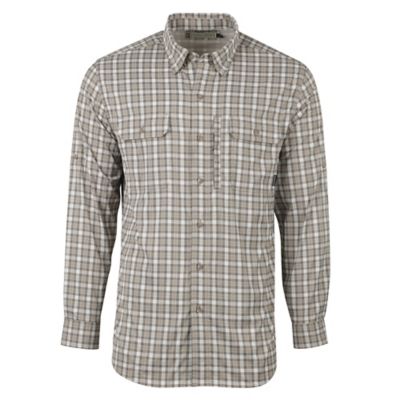
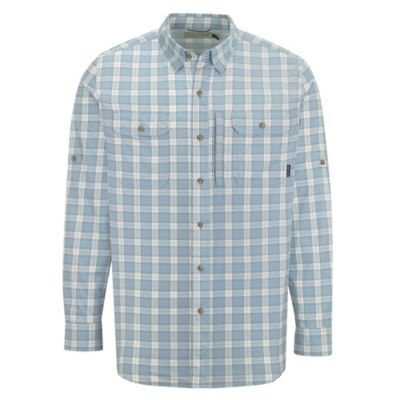
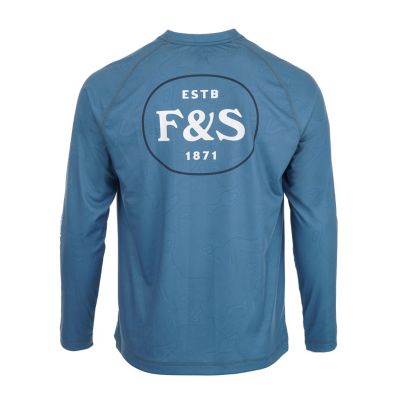
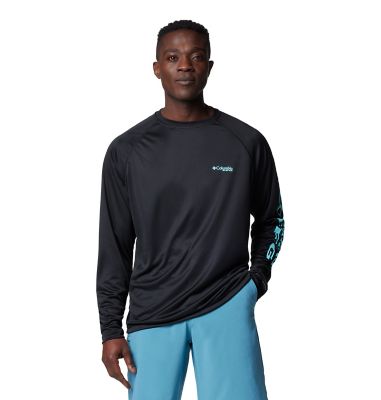
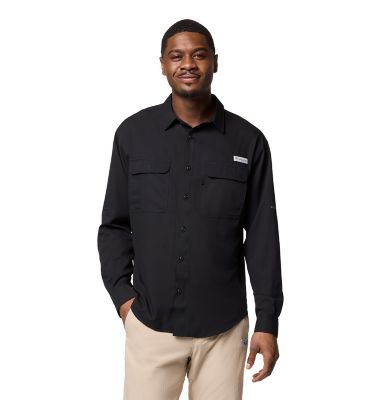
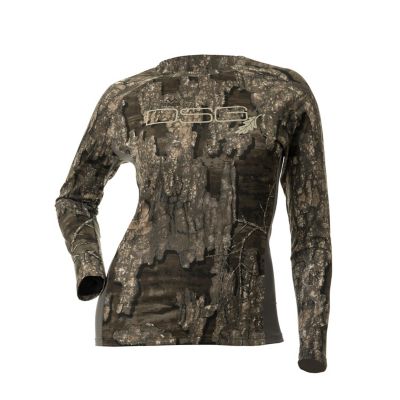
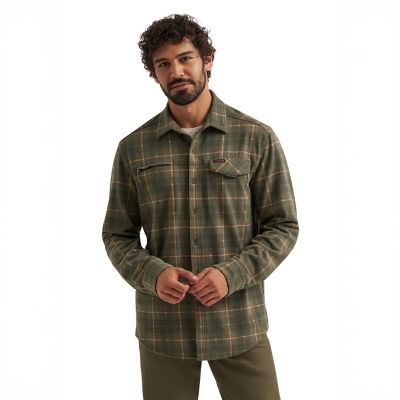
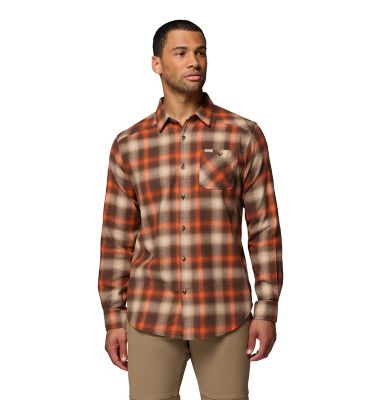
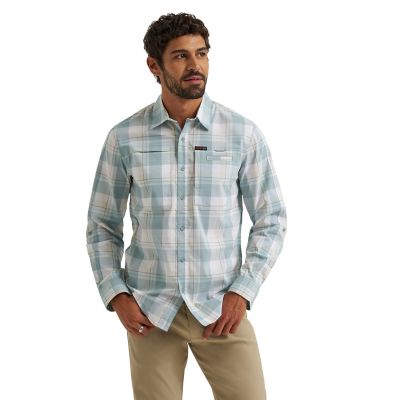
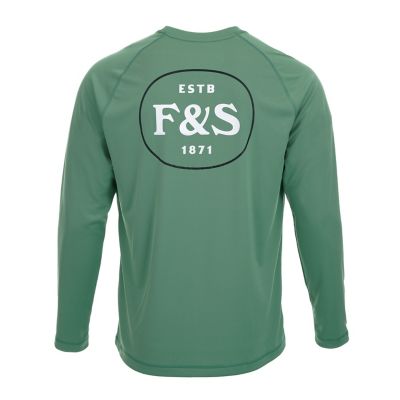
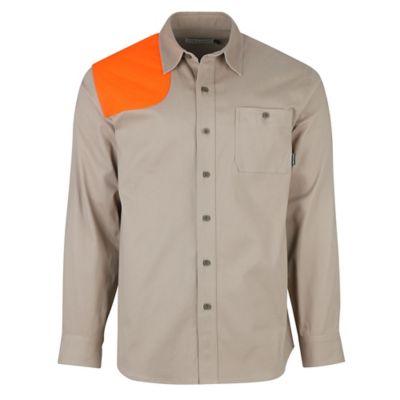
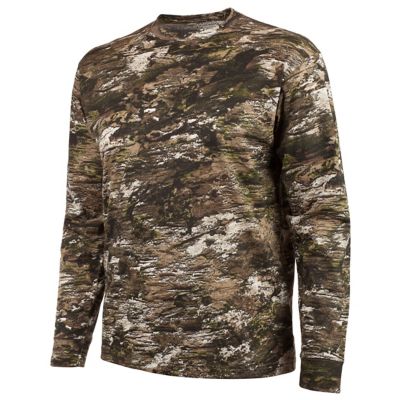
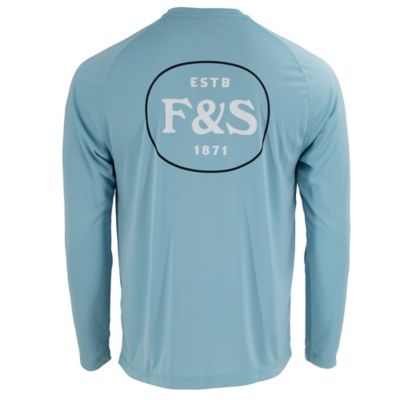
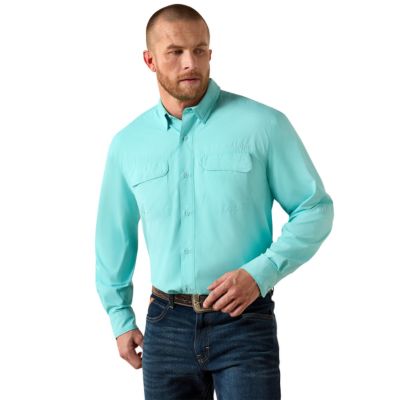
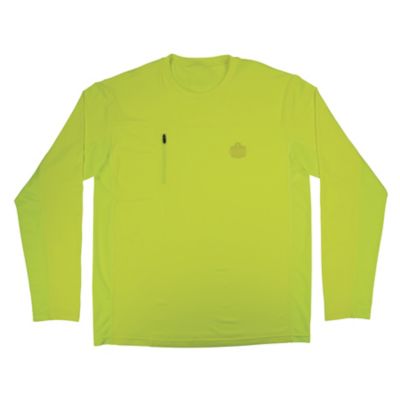
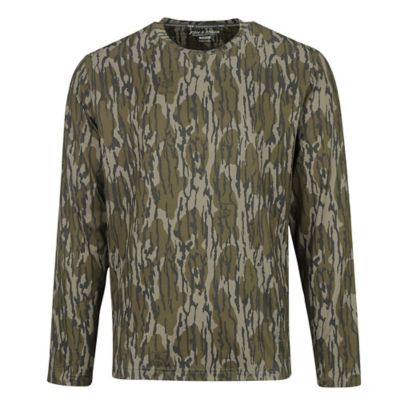
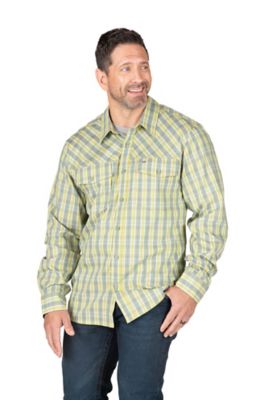
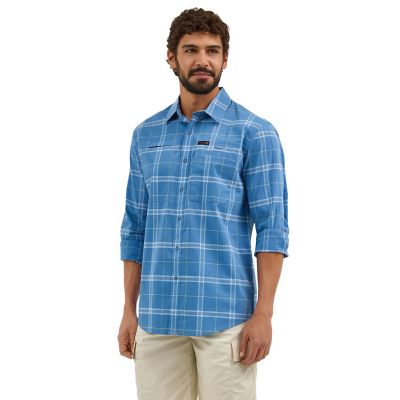
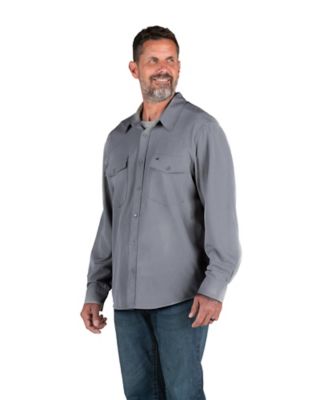
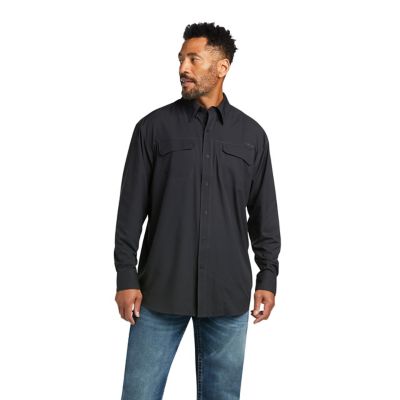
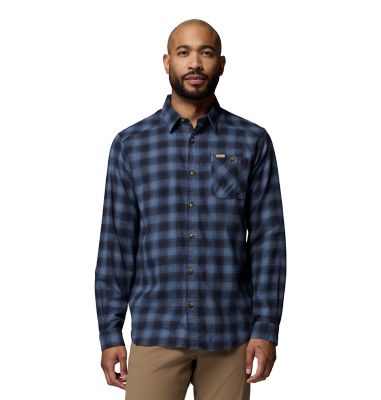
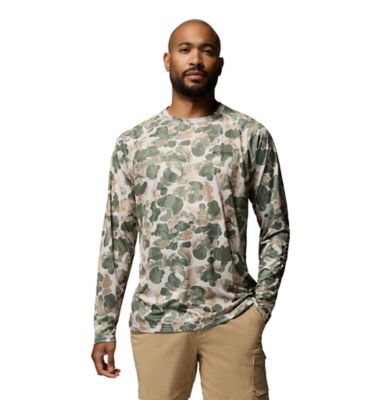
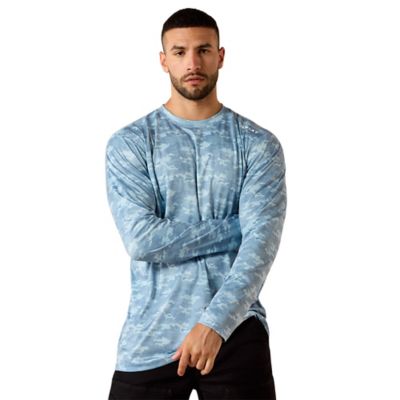
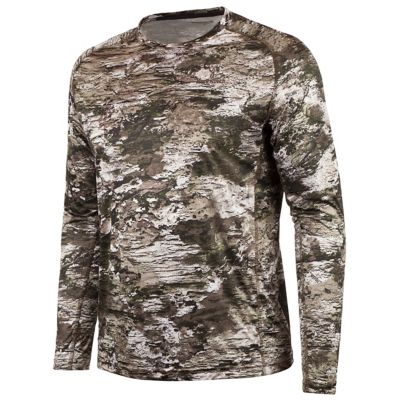
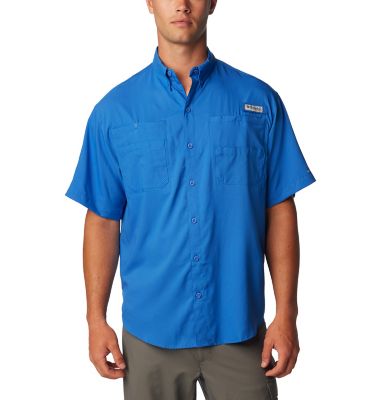
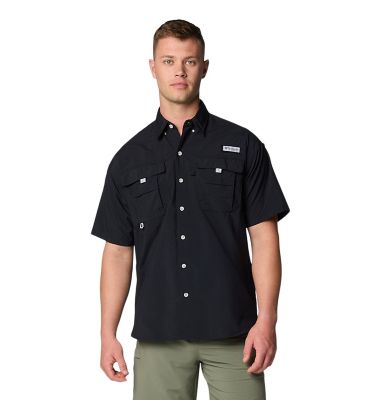
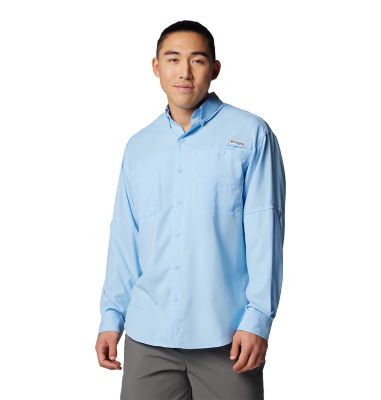
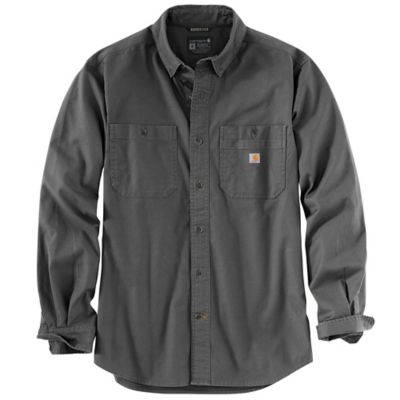
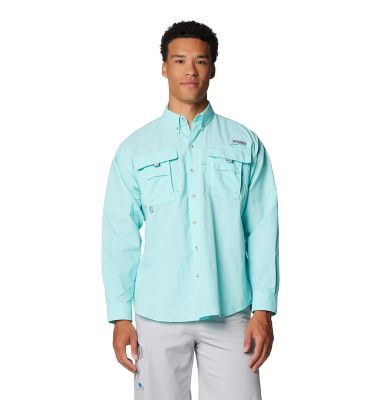
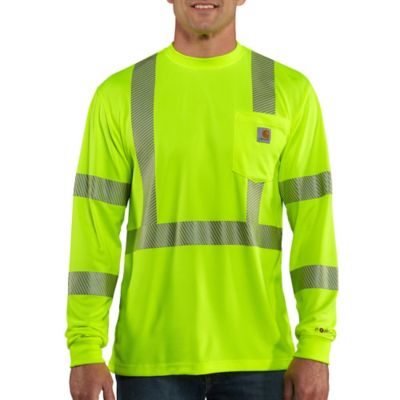
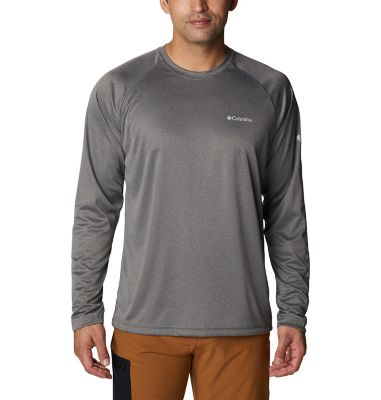
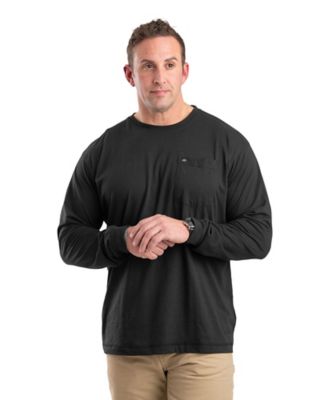
Men’s outdoor long sleeve shirts bring coverage, freedom of movement and everyday practicality to time spent beyond the back door. They fit into plenty of routines, from walking a fence line and checking livestock to fishing a creek bank, hiking a trail or getting the grounds ready for company. Long sleeves cover the arms without requiring a separate outer layer, while different fabrics and shirt shapes suit different kinds of activity. Cotton feels soft against the skin and has a familiar, easygoing feel for everyday chores and trips into town. It also absorbs moisture and generally takes longer to dry than lightweight synthetic fabrics, a difference that matters during a long walk or steady physical work. Polyester and nylon fabrics often dry faster, and moisture-wicking constructions help move perspiration away from the skin so it can spread across the fabric and evaporate. Those features are related but not identical: a shirt can dry quickly without having a stated moisture-wicking treatment. Merino wool blends offer another option, with moisture management and natural odor resistance that can be helpful on extended outings. A small amount of elastane adds stretch for reaching into a truck bed, lifting a feed scoop or casting from the bank. Fabric construction matters as much as fiber content. A smooth knit bends easily with the body, while a woven shirt generally has a more structured feel. Lightweight fabrics pack down neatly in a day bag; heavier fabrics have more substance for regular chore wear, though weight alone does not establish resistance to abrasion or tearing. Crewneck styles keep things straightforward, henleys add a short button opening at the neck, and collared button-front shirts move easily between outdoor tasks and a stop at the feed store. Each shape serves a slightly different purpose, but the common thread is a shirt that feels right through the movements and demands of an ordinary day outside.
Practical features can make men’s outdoor long sleeve shirts better suited to a particular job or pastime. For extended sun exposure, a stated ultraviolet protection factor, or UPF, provides more useful information than sleeve length alone. Fabric rated UPF 50 blocks at least 98 percent of ultraviolet radiation under the conditions in which it is tested. That rating applies to the fabric rather than the whole outfit, and exposed areas still need sun protection. Coverage also depends on fit: sleeves that pull well above the wrists with every reach leave more skin uncovered. A collar adds coverage at the neckline, while thumbholes, when present, can help keep sleeves extended during movement. Mesh panels and vented back yokes allow airflow, although a backpack resting over a vent can limit that benefit. For fishing and trail walking, flat seams and thoughtfully placed shoulder seams can reduce rubbing beneath pack straps. Around the property, reinforced stitching and sound pocket attachments help a shirt stand up to repeated movement and everyday wear. Ripstop fabric can help limit the spread of a small tear, but it is not puncture protection or a substitute for task-specific protective clothing. Pocket placement deserves attention, too. A chest pocket puts a small notebook or pencil within reach, while a secure closure helps keep small belongings from slipping out when bending over. Fit ties all those details together. Enough room across the upper back allows a full reach without straining the placket, and sleeves should let the elbows bend without pulling hard at the shoulders. A longer hem helps a tucked shirt stay put when climbing a gate or leaning across a workbench; a straight or gently curved hem can sit neatly untucked. An undershirt takes up some room, so chest and sleeve measurements are more useful than relying on a familiar size label alone. Adjustable cuffs help keep fabric from falling over the hands. Near moving machinery, loose sleeves and hanging tabs can create a catch hazard, making close-fitting cuffs and task-appropriate clothing especially important.
Care habits have a lot to do with how an outdoor shirt feels and performs over time. The care label is the starting point because cotton, wool blends, stretch fabrics and treated performance materials do not all respond the same way to washing and drying. Dirt worked into cuffs and collars is easier to address before it settles in, and a fabric-appropriate pretreatment can help lift everyday soil without rough scrubbing. Closing buttons or snaps as directed, checking pockets and keeping shirts away from exposed hook-and-loop fasteners in the wash can reduce snagging and unnecessary strain. Fabric softener can interfere with moisture management in some performance fabrics, so label directions matter more than habit. Excessive dryer heat can affect stretch fibers, encourage shrinkage or damage certain finishes; air drying or a permitted low-heat setting may be the better fit for the fabric. Shirts should be fully dry before they go into a drawer or gear bag. Regular attention to loose buttons and small seam openings can keep a minor repair from becoming a bigger problem during the next outing. Beyond upkeep, color and pattern influence how easily a shirt fits into the rest of a working wardrobe. Solid earth tones pair naturally with jeans and work pants, while plaids bring a familiar button-front look to chores, casual visits and weekends away. A smooth, less textured fabric may layer more comfortably beneath a vest, and a tidy collar can make the same shirt feel at home over lunch after a morning on the trail. For a more course-focused look,
Men's Long Sleeve Golf Shirts offer a related direction for shoppers interested in easy movement and a sport-oriented style. Outdoor long sleeve shirts also make practical gifts for anglers, hikers, landowners and anyone who spends a good part of the day on their feet outside. Knowing whether the recipient prefers a roomy woven shirt or a closer-fitting knit, keeps a notebook in a chest pocket or always wears an undershirt makes the gift more personal and more likely to earn a regular place in the weekly rotation.