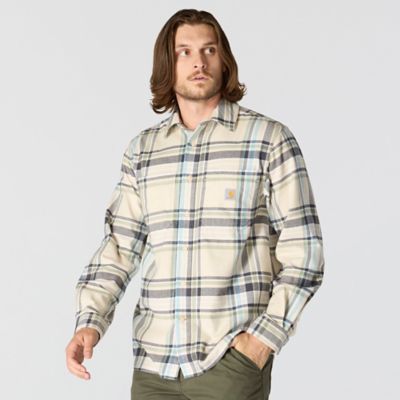
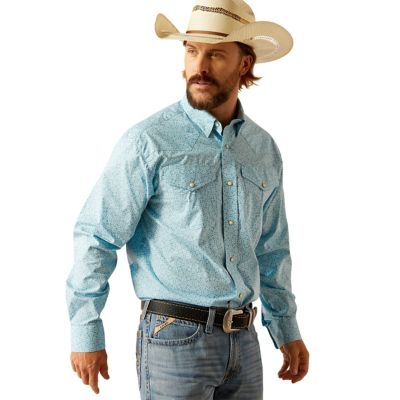
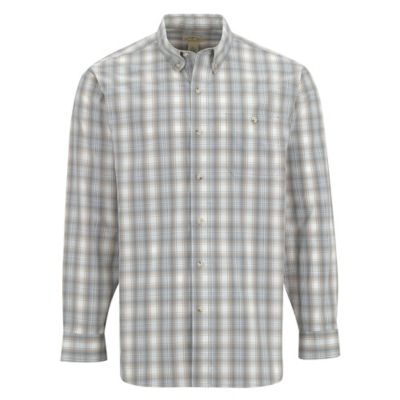
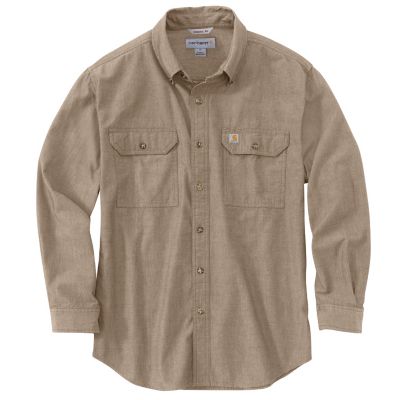
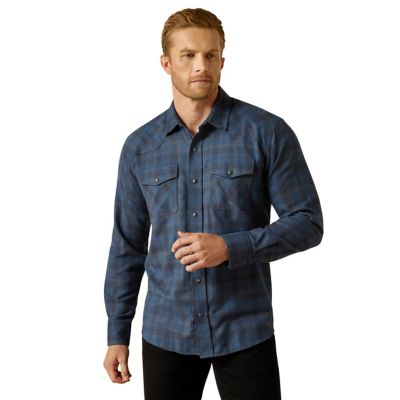
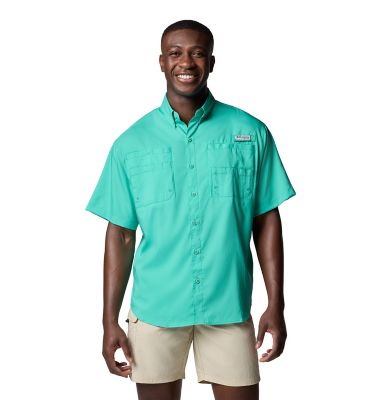
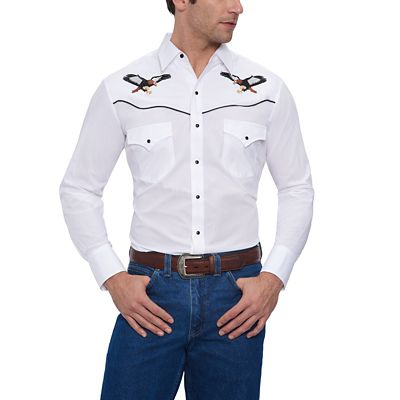
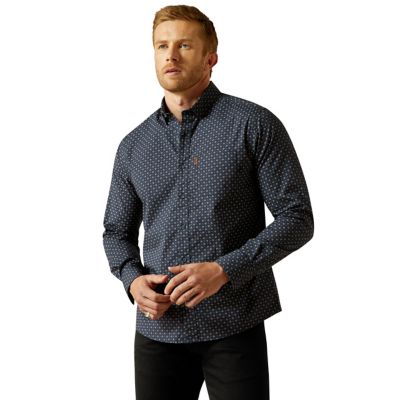
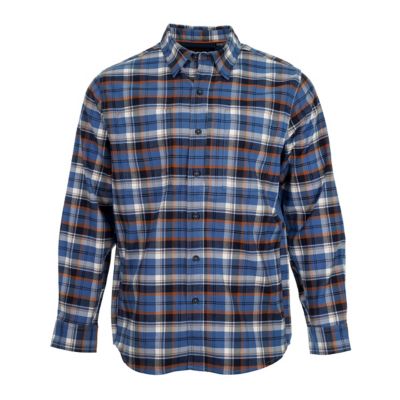
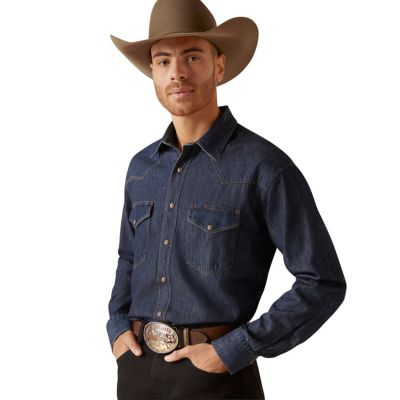
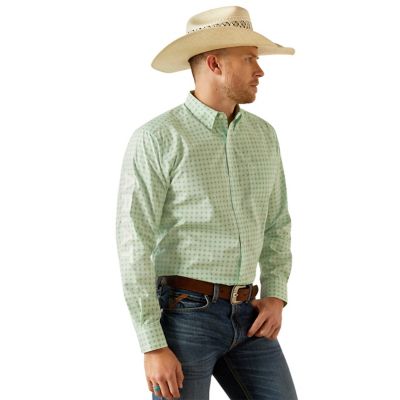
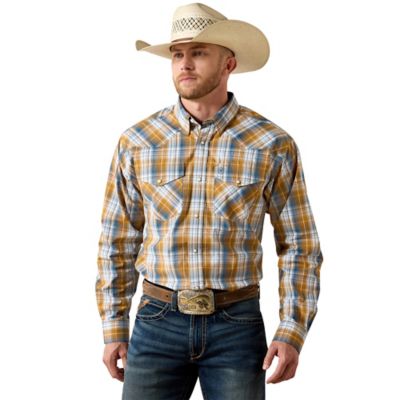
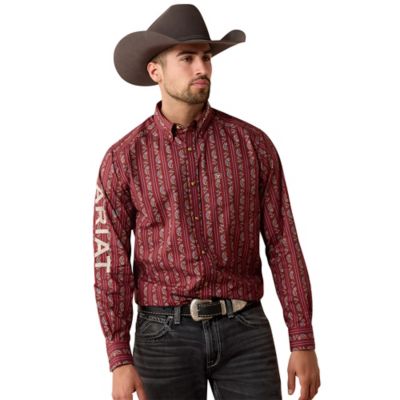
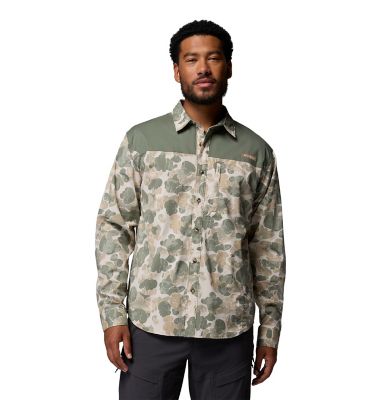
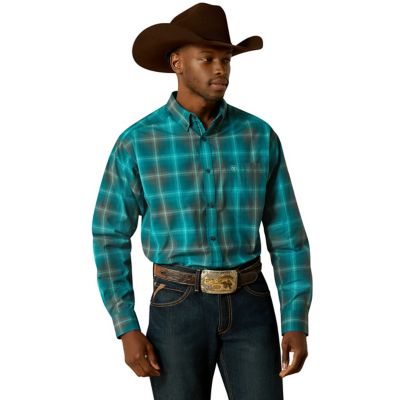
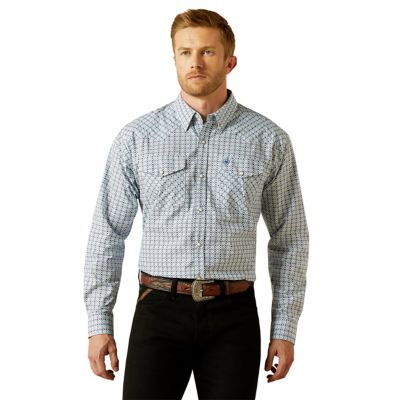
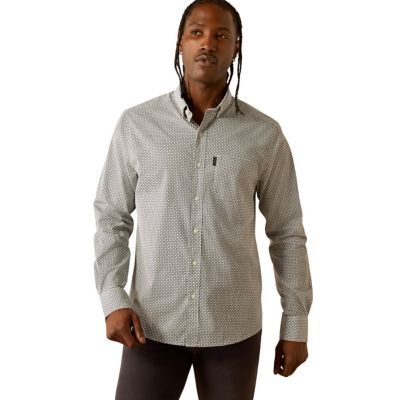
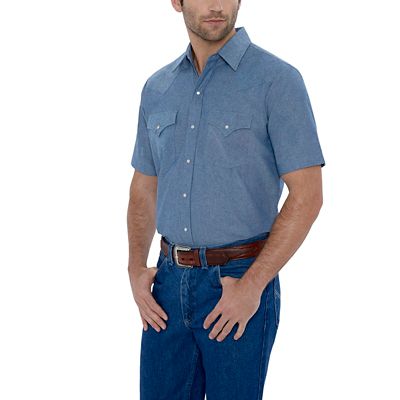
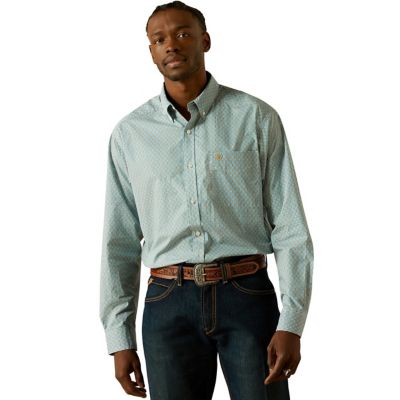
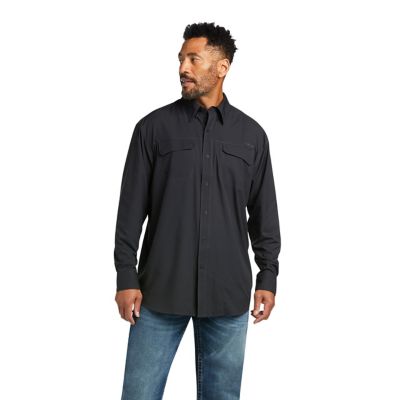
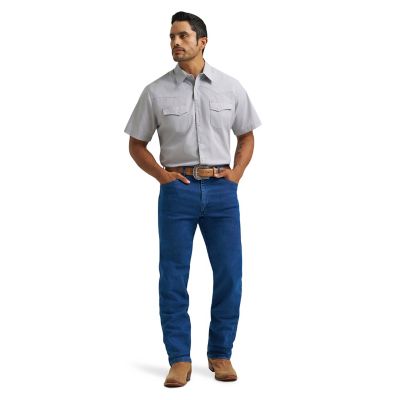
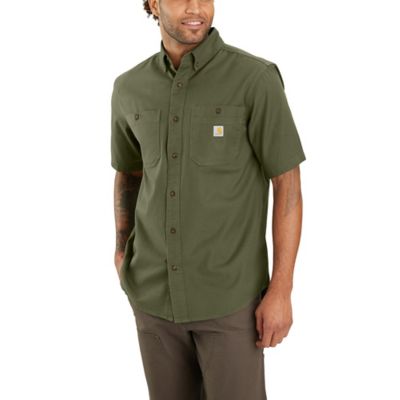
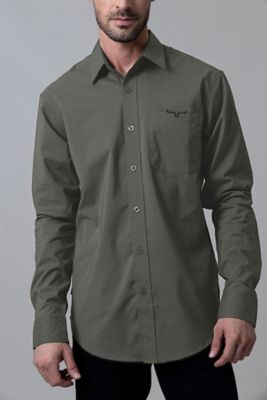
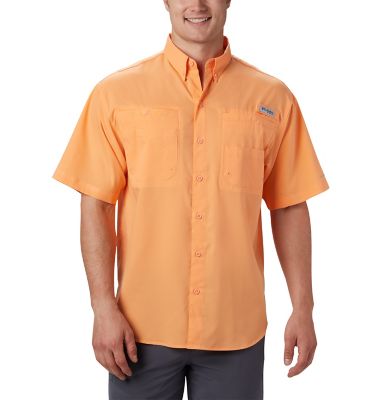
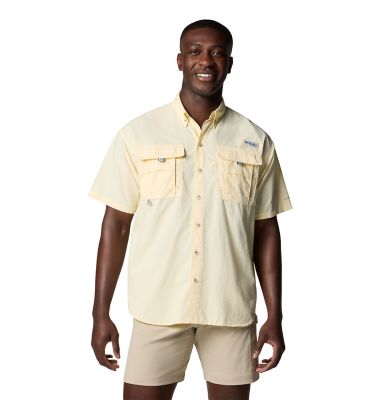
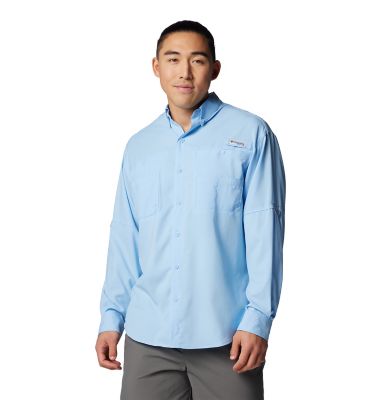
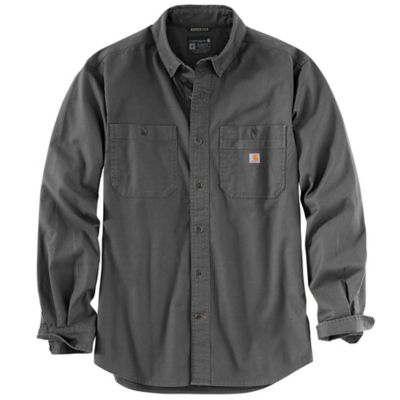
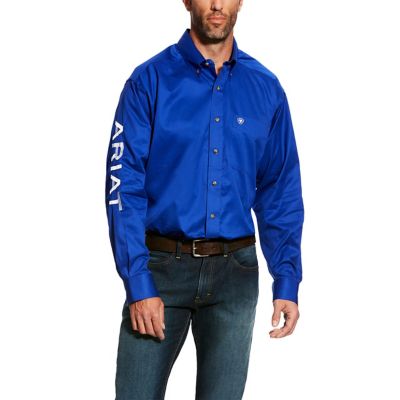
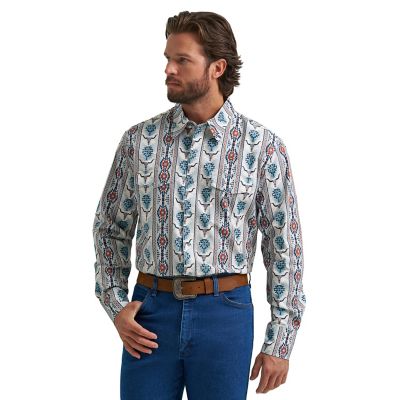
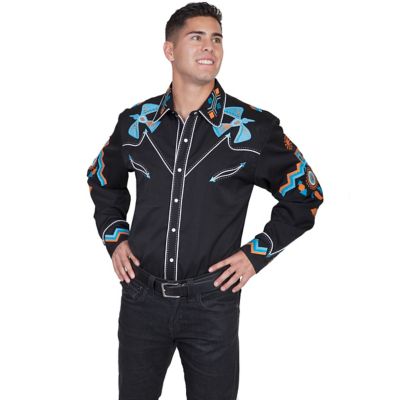
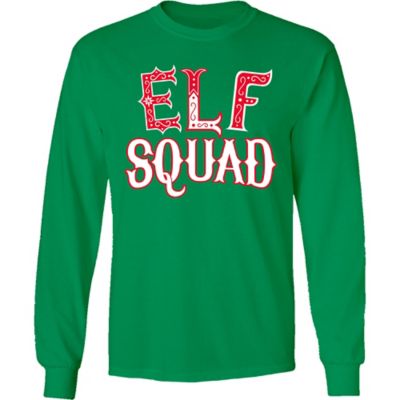
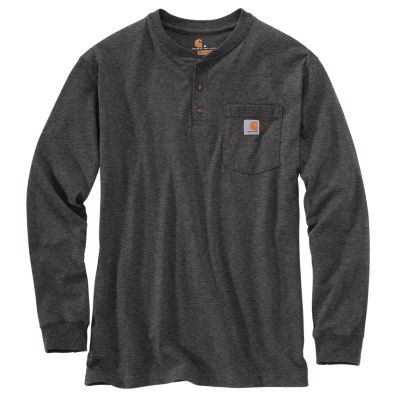
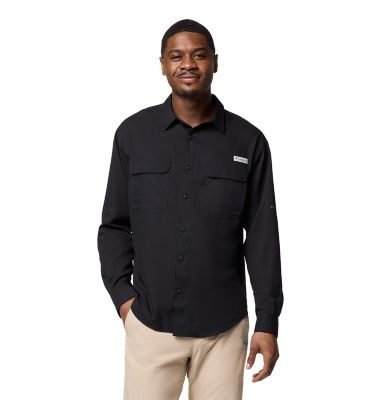
XL men's shirts are extra-large shirts made for men who need more room than a large typically provides, though measurements and fit vary by maker and style. The size label is a starting point; chest width, shoulder placement, sleeve length, and overall shirt length tell more of the story. A shirt that fits well across the chest should also leave enough room to reach for a gate latch, lift a feed scoop, or settle into the driver's seat without pulling tight across the back. Shoulder seams generally sit near the edge of the shoulders on a traditional fit, while dropped shoulders create a roomier shape. Regular, relaxed, and fitted cuts can all carry an XL label, but they won't feel the same through the middle or upper arms. For men with broad shoulders, a fuller chest, or a longer torso, those differences matter as much as the letter on the tag. Knit T-shirts, polos, and button-front shirts each bring a different feel to everyday wear, from an easy pull-on shirt for chores to a collared option for a meeting at the feed store or supper in town. Straight hems often work well untucked, while longer shirttails help a tucked shirt stay put when bending or reaching. Sleeve openings deserve a little attention, too: short sleeves should allow comfortable movement through the upper arm, and long sleeves should reach the wrist without swallowing the hand. An XL shirt doesn't automatically include extra body or sleeve length, so a tall cut serves a different purpose than simply moving up a size. Comparing the size chart with a shirt that already fits well can help make sense of those differences. The best match feels easy through everyday movements without leaving so much loose fabric that it gets in the way. Room for an undershirt may also matter, especially for men who prefer that extra layer between their skin and a woven work shirt.
Fabric gives men's XL shirts much of their character, and the right choice depends on how the shirt will spend its day. Cotton has a familiar, soft feel that suits everyday T-shirts and casual button-front styles. Some cotton fabrics soften further with washing, though shrinkage depends on the fabric treatment and care routine. Cotton and polyester blends combine different fiber traits and may offer easier wrinkle care or faster drying than an all-cotton shirt, depending on their construction. A little elastane or spandex can add stretch for reaching, kneeling, and climbing into equipment, but stretch alone doesn't replace a fit that leaves enough room through the shoulders and chest. Jersey knits tend to drape easily, while woven fabrics hold a more defined shape. Twill brings a noticeable diagonal weave and a substantial feel; chambray offers a woven look with a different weight and texture. Fabric weight is worth considering alongside fiber content, since two cotton shirts can feel quite different in the hand. Everyday wear also puts stress on seams, cuffs, and pocket edges, making construction details worth a closer look. Neat stitching, secure buttons, and reinforced stress points can help a shirt stand up to repeated movement and washing. Pockets provide a handy spot for small essentials, although their placement and closures affect how useful they are when leaning over a workbench. Button-front shirts allow an open or closed collar, while polos offer a collared look with the give of knit fabric. Solid colors fit easily into a regular rotation with jeans or work pants, and checks, plaids, or printed designs bring a little more personality. For farm chores, shop tasks, errands, and family get-togethers, the aim is a shirt that suits the job and feels like something a fellow would reach for again. Ordinary shirts aren't a substitute for task-specific protective clothing, and loose sleeves or fabric need to stay clear of moving machinery.
Care plays a big part in how XL men's shirts hold their shape and keep looking presentable after a full day's wear. The sewn-in care label is the best reference for washing, drying, and ironing, since fiber blends, finishes, prints, and trims can call for different treatment. Separating dark colors from lighter clothing helps limit color transfer, and giving dirt or stains attention before washing can make cleanup easier. A muddy cuff, a dusty collar, and a spot from lunch don't always need the same treatment; any stain remover should suit the fabric and be tested in an out-of-the-way area first. Following the recommended drying method helps limit unnecessary shrinkage, especially when sleeve length or shirt length is already just right. Taking shirts out promptly and smoothing collars, plackets, and hems can also cut down on wrinkles. Button-front styles often hang neatly, while many knit shirts store well folded without stretching at the shoulders. Small repairs, such as securing a loose button before it falls off, can keep a favorite shirt in the regular rotation longer. When comparing sizes, extra width and extra length are separate needs. Men who need both a larger size and a tall cut can also consider
Mens 3XL Tall Shirts, keeping in mind that 3XL tall is a different size from XL rather than a longer version of the same fit. Shirts also make practical gifts for dads, brothers, partners, and friends when their preferred size and cut are known. A familiar collar style, favorite color, or preferred pocket arrangement can make that gift feel well chosen without guessing at a whole new look. For everyday wear, a useful mix might include easygoing knits, a few collared shirts, and woven styles that pair comfortably with jeans. Across those choices, comfortable movement, sensible care, and the right proportions matter more than the size letters alone.