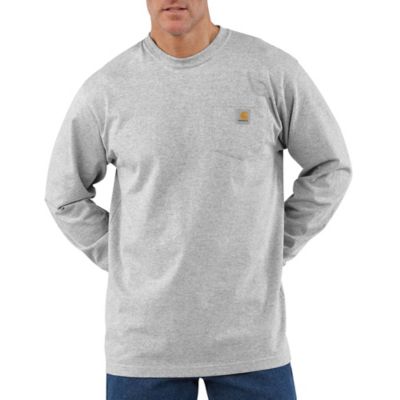
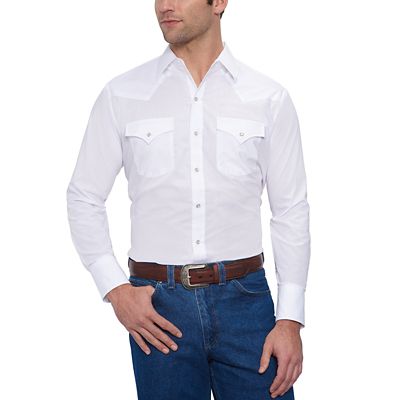
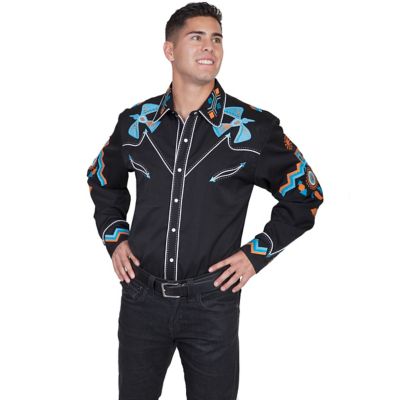
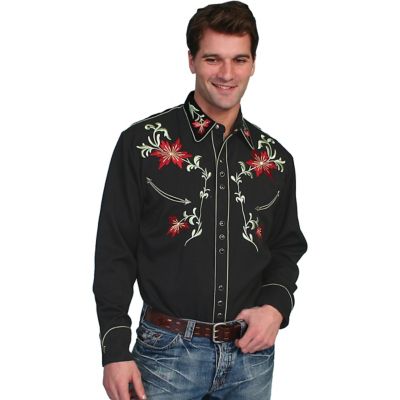
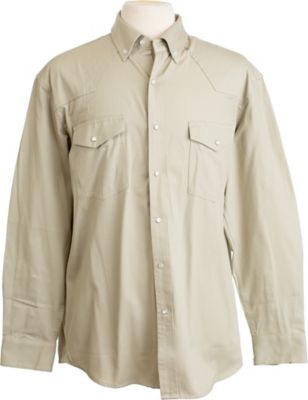
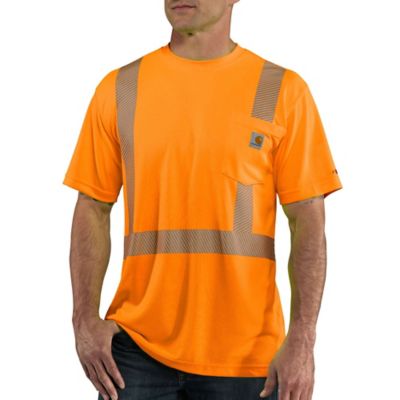
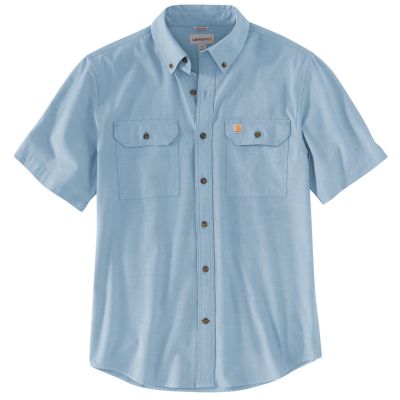
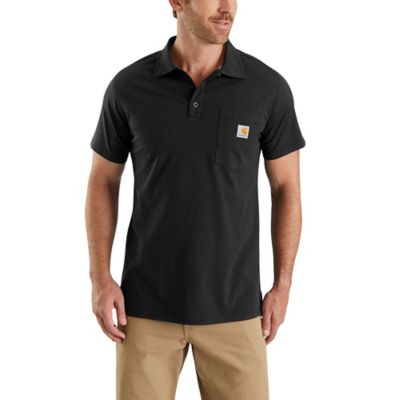
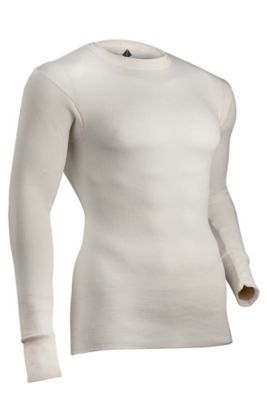
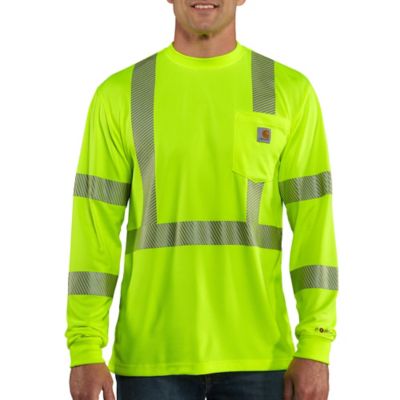
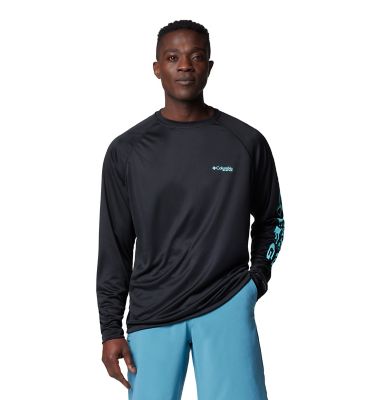
Men’s 3XL tall shirts are made for guys who need a roomy fit through the body along with extra length where a standard shirt can fall short. That combination matters when a day includes reaching across a truck bed, bending to latch a gate, or settling in behind the wheel for a long drive. A shirt that fits well gives the shoulders space to move without leaving a big bunch of fabric under the arms, and its hem offers coverage without hanging so far down that it gets in the way. Tall sizing generally adds body length and, on long-sleeve styles, sleeve length, though the exact proportions vary by maker and cut. Simply moving up a size in a regular-length shirt may add width without solving a short hem or sleeves that stop above the wrists. Men’s 3XL tall shirts address those different needs together, making them a practical choice for taller men with broader builds. Chest measurements, sleeve measurements, and the garment’s size chart help explain how a particular fit will sit on the body. Shoulder seams generally belong near the edge of the shoulders, while button fronts should lie flat rather than pull open across the chest or stomach. There should also be enough room across the upper back to reach forward comfortably. A relaxed fit offers more room for movement and an undershirt, while a straighter cut can give a neater outline without feeling close-fitting. Hem shape makes a difference, too: a curved shirttail helps with staying tucked, and a straight hem often works well worn loose. For men who spend part of the day doing chores and part of it running errands, these details help a shirt feel right in both settings. The goal is a fit that stays comfortable sitting, standing, and moving, not just one that looks right while standing still in front of a mirror.
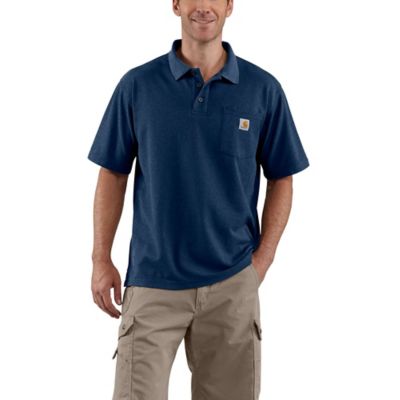
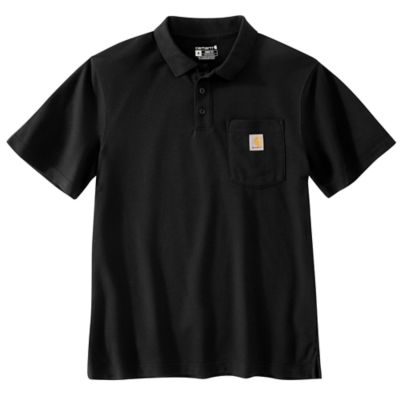
Fabric and construction give men’s 3XL tall shirts much of their everyday character. Cotton is a familiar choice for its soft feel and ability to absorb moisture, whether it appears in a smooth jersey knit or a more structured woven fabric. Cotton blends can pair that familiar feel with fibers that help a shirt keep its shape or dry faster after washing, depending on the blend and finish. Polyester-rich fabrics often suit active work because they tend to absorb less water than cotton, while a small amount of stretch can make reaching and bending feel less restricted. Fabric weight also changes how a shirt wears. A lighter knit usually drapes more freely and fits easily beneath another layer; a heavier knit has a more substantial feel and may cling less through the middle. Woven shirts offer a different kind of structure, with collars, cuffs, and button fronts that can look at home around the property or at a family supper. A T-shirt keeps things simple for everyday chores, while a polo splits the difference between an easy knit and a collared shirt. Long sleeves provide arm coverage, and short sleeves leave the forearms clear for tasks where loose cuffs would be bothersome. Around rotating equipment, close-fitting sleeves and secured cuffs matter, and ordinary shirts are no substitute for task-specific protective clothing. Small construction details deserve attention alongside fabric: even stitching, reinforced stress points, and neatly finished seams can help a shirt stand up to repeated wear. A chest pocket offers a handy spot for a folded note or pen, though carrying heavier objects there can stretch or pull the fabric. Necklines and cuffs should feel comfortable against the skin without sagging or pinching. Whether the day involves tending animals, working in a shop, hauling supplies, or heading into town, the right balance of fabric, shape, and features keeps a shirt suited to the job.
Keeping a men’s 3XL tall shirt fitting well comes down partly to how it is washed and dried, especially when body and sleeve length are the reasons for choosing a tall size in the first place. Cotton can shrink, and excessive dryer heat may shorten a garment or affect stretch fibers, so the care label is the best starting point for each fabric. Washing similar colors together, treating spots promptly with a fabric-appropriate cleaner, and avoiding more heat than the label calls for can help preserve both appearance and fit. Work shirts often pick up dust at the collar, grime along the cuffs, and marks near the hem from carrying feed sacks or leaning against equipment. Giving those areas attention before laundering can keep stains from settling in, without putting the whole garment through unnecessarily harsh treatment. Taking shirts out of the dryer promptly helps limit wrinkles, while smoothing collars and button plackets before hanging can leave woven styles looking tidier. Knit shirts often store neatly folded, which also avoids hanger bumps at the shoulders. For everyday wear, having shirts with a few different cuts and fabrics makes it easier to match the day’s plans without changing the size that feels right. A roomy work shirt, a straightforward tee, and a collared style can each serve a different purpose while keeping the extra length a tall build needs. Shirts also make practical gifts for a husband, dad, brother, or friend when the size and preferred fit are known. Matching the measurements of a shirt he already likes is more helpful than guessing from height alone, since men of the same height can have very different chest sizes, arm lengths, and torso proportions. For another tall wearer who needs a smaller chest size,
XL Tall Long Sleeve Shirts are a separate size option rather than an equivalent fit. The best everyday shirt gives its wearer room to get on with things, with sleeves that reach, a hem that covers, and fabric that feels good through a full day.