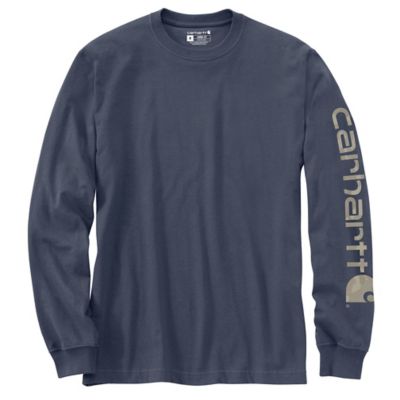
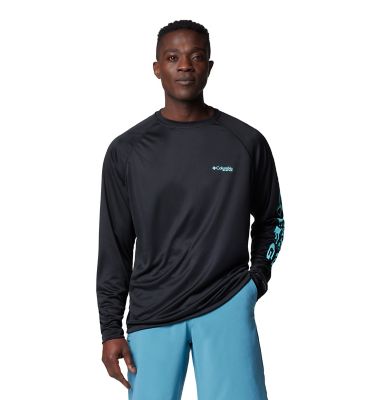
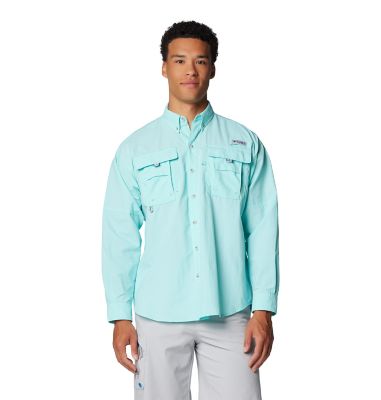
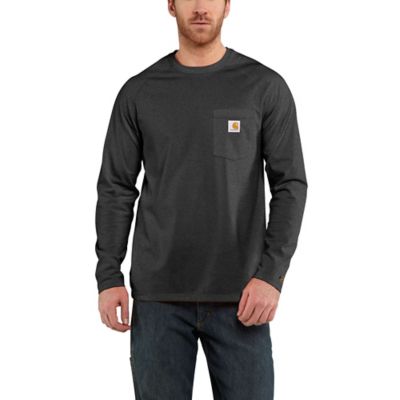
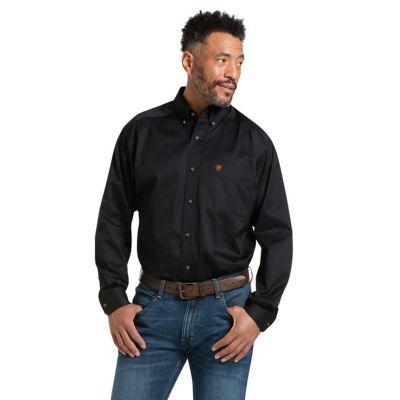
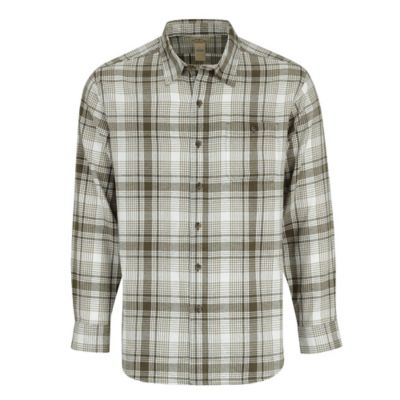
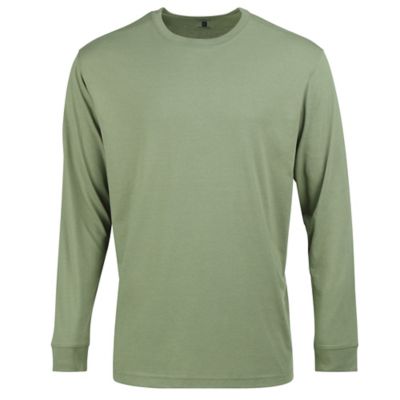
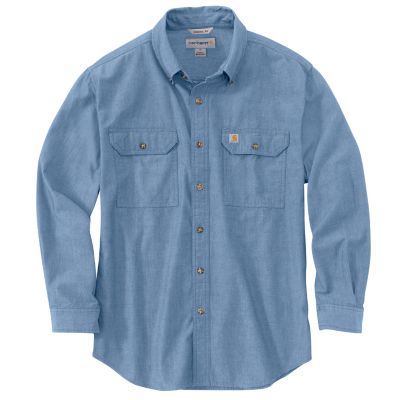
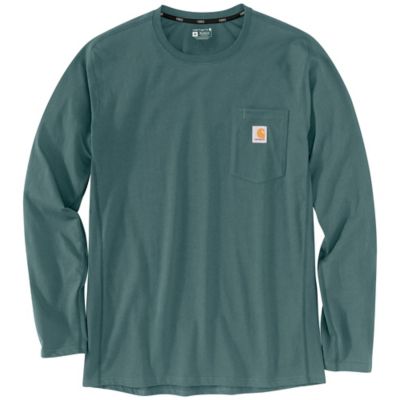
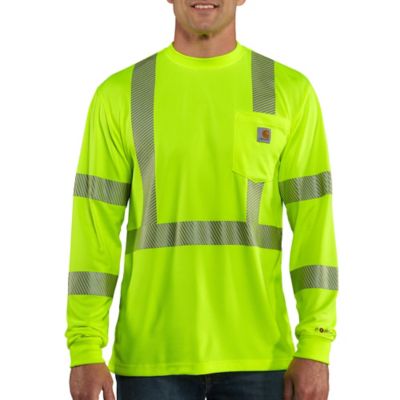
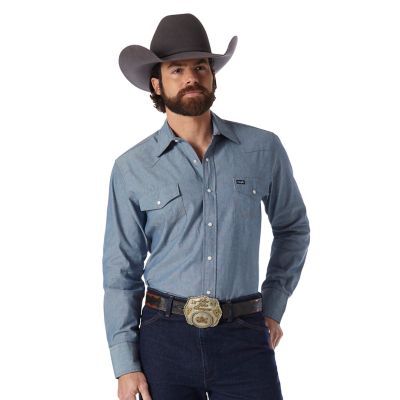
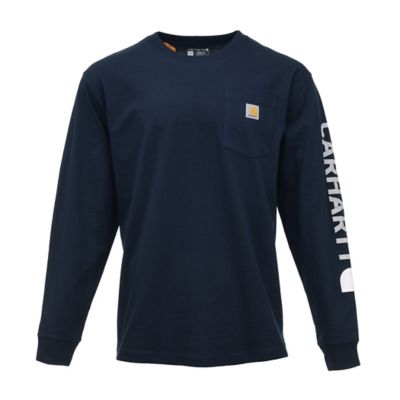
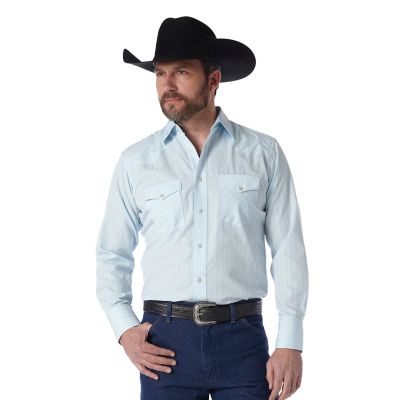
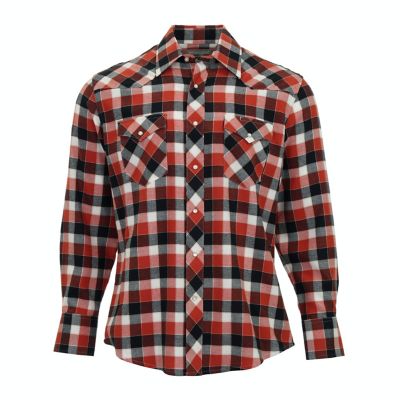
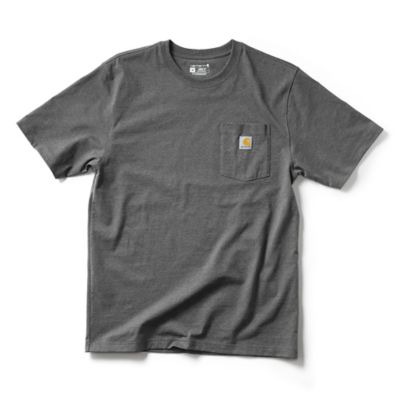
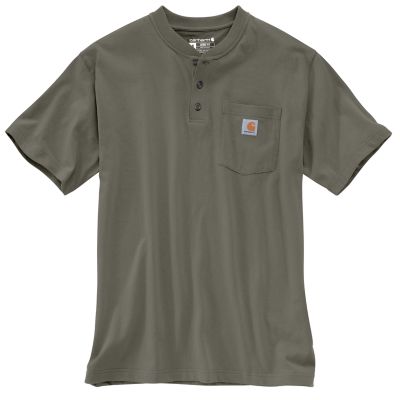
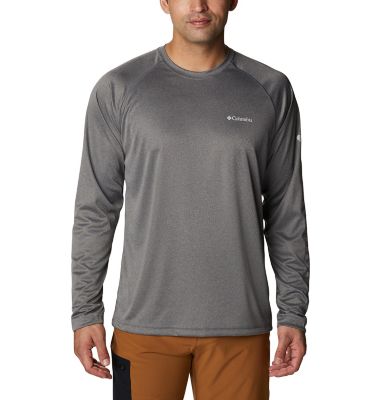
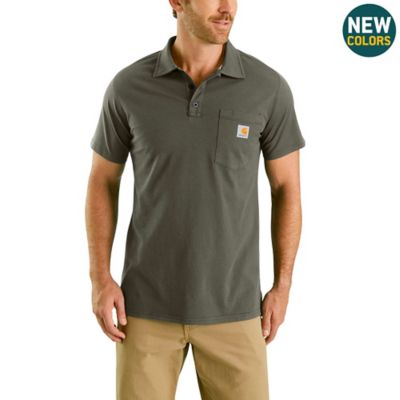
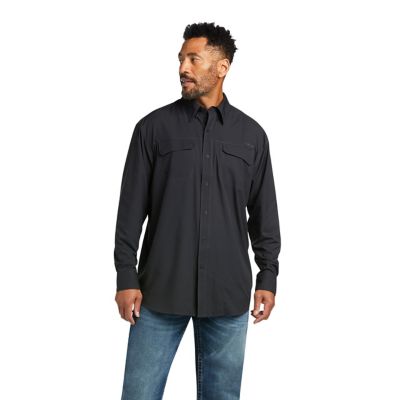
Men's long sleeve shirts bring together everyday coverage, practical details, and styles that fit life on the farm, at the shop, or around town. The main choices include button-front work shirts, soft knit tees, polos, and woven shirts that look right with jeans or a pair of clean work pants. Each has a different feel and purpose. A cotton jersey shirt offers a soft, familiar feel for feeding animals, running errands, or taking a break on the porch. Woven cotton has more structure, making it a good match for anyone who likes a collar and a shirt that holds its shape. Oxford cloth has a textured weave, while poplin generally feels smoother and lighter. Flannel gets its soft surface from brushing and can be made from cotton or a blend; the fabric doesn't have to feature a plaid pattern. Chambray brings a denim-like appearance with a lighter feel than many denim fabrics. Cotton-polyester blends balance cotton's familiar feel with polyester's tendency to dry faster and resist wrinkles, though the exact balance depends on the fabric. Stretch blends allow more give when reaching across a truck bed or bending to pick up a feed pan. Performance knits may help move moisture away from the skin, which can make a difference during active work. Fabric weight matters, too: a substantial weave has a different drape and feel from a lightweight knit, even when both have the same fiber content. Solid colors keep an outfit simple, while checks, stripes, and printed graphics give everyday shirts a little more personality. A button-front style can go from fence-line checks to lunch in town without much fuss, while a crew-neck tee keeps things straightforward for everyday chores. The best match comes down to the feel against the skin, the amount of movement the day calls for, and whether a tucked, untucked, collared, or collar-free look suits the occasion.
Fit makes a real difference in how a long sleeve shirt feels after several hours of wear. Regular fits generally leave room through the chest and waist without looking especially loose, while relaxed fits provide more space for movement or an undershirt. Fitted cuts sit closer to the body and create a cleaner outline under a vest or jacket. For a closer shape through the torso,
Men's Fitted Long Sleeve Shirts offer another direction alongside roomier everyday cuts. The fit description is only part of the picture, since sizing can differ between styles and fabric constructions. Shoulder seams should sit comfortably near the shoulder edge, and the chest shouldn't pull tight when reaching forward to open a gate or carry a bucket. Sleeves need enough length to cover the wrist without bunching heavily at the hand. Adjustable cuffs help fine-tune that opening, while sleeves with roll tabs can stay secured above the forearm when the task allows. A longer shirttail helps a tucked shirt stay put through bending and reaching; a straighter or shorter hem often works better untucked. Tall sizing can add sleeve and body length without requiring extra width through the middle. Details such as a back pleat, gusseted underarms, or a little stretch can provide movement without an oversized fit. Chest pockets offer a handy place for a small notepad or pen, and flap closures help keep pocket contents contained. Buttons and snaps each have their own feel, with snaps offering a quick fastening option and buttons lending a familiar finish. A collar should feel comfortable fastened, even if the shirt is usually worn open at the neck. These small details matter when the same shirt needs to sit comfortably behind the wheel, move freely through a chore list, and still look presentable for supper away from home.
Construction and care help determine how well men's long sleeve shirts hold up to repeated wear. Even stitching, secure buttons or snaps, and neatly finished seams are worth a look, especially around cuffs, elbows, and pocket corners that see plenty of rubbing and pulling. Reinforcement in high-stress areas can help a shirt handle regular movement, but fabric weight alone doesn't tell the whole story. A lighter shirt with sound stitching may suit a busy day better than a heavier one that binds across the shoulders. Care requirements deserve the same attention as fit. Cotton can shrink, particularly with higher washing and drying temperatures, while some blends retain their dimensions more readily. The garment's care label gives the right direction for washing, drying, and ironing, including whether a shirt needs gentler handling. Treating dirt or grease marks promptly and checking pockets before laundering can prevent small mishaps from becoming permanent reminders of the day's work. Fastening closures as directed and keeping shirts away from abrasive hardware in the wash can also help protect the fabric's surface. Wrinkle-resistant finishes may reduce touch-up time, but they don't mean every shirt will come out of the dryer ready for a dressier occasion. For shop or equipment work, a closer cuff and a tucked hem may help keep loose fabric out of the way, though clothing should always match the equipment's safety requirements. Ordinary long sleeves aren't a substitute for task-specific protective clothing, and sun-protection claims should be backed by a stated UPF rating rather than assumed from sleeve length. Beyond work, these shirts make practical gifts for dads, brothers, partners, and anyone whose days mix chores with time in town. A familiar fit, a preferred collar style, and straightforward care usually matter more than an unfamiliar detail. Whether the wearer favors a plain tee or a pocketed button-front shirt, comfort and freedom of movement help make it a regular part of the weekly rotation.