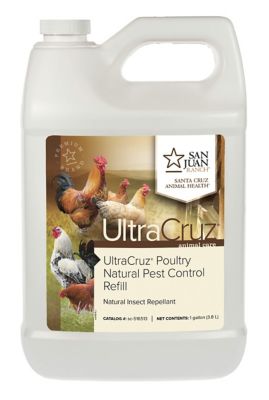
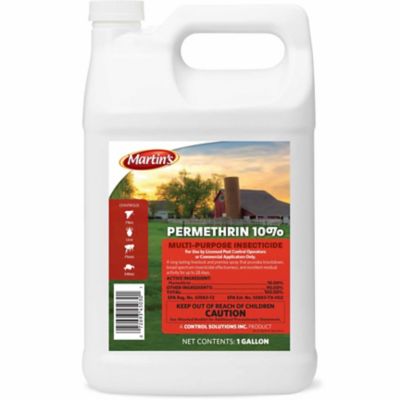
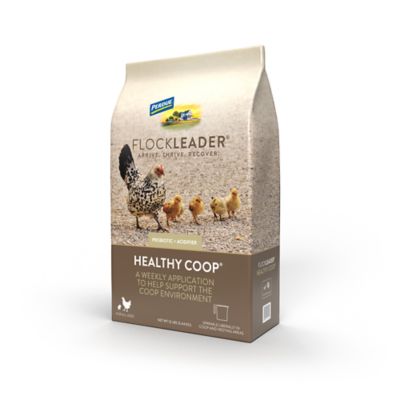
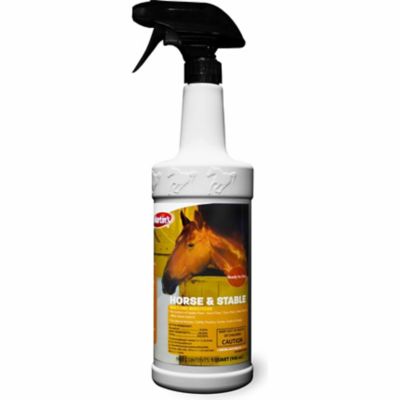
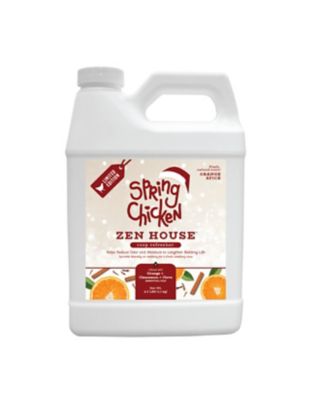
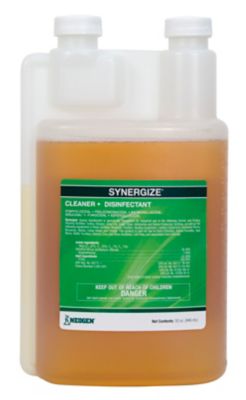
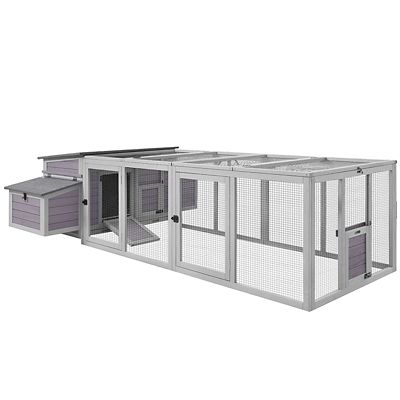
Keeping flies under control starts with making the chicken coop a place where flies have fewer reasons to stay. A clean, dry coop is the foundation, since damp bedding, spilled feed and manure are ideal places for fly eggs and larvae to develop. Scrape roost boards and remove droppings from high-traffic areas regularly, then pick out wet bedding as soon as you find it. Pay close attention to the spots beneath roosts, around nest boxes and near the chicken door, where moisture and manure tend to collect. Replace soiled litter with fresh, dry bedding, and keep an eye on deep-litter areas so they do not become packed down or damp. Feeders and waterers deserve the same steady attention. A leaking waterer can turn a clean corner into a muddy fly nursery, while wet feed left on the ground can draw flies, rodents and other unwanted visitors. Choose coop fly control supplies that fit the size and layout of your flock area, and follow all label directions for use around poultry. Some products are designed for bedding or coop surfaces, while others are meant to be placed outside the birds’ reach. Keeping those uses separate helps protect chickens, pets and children while making your routine easier to manage. Products that help neutralize moisture or coop odors may be useful in litter areas, but they should be used only when labeled for poultry housing and applied as directed. Food-grade diatomaceous earth is another option some flock owners use in dry bedding to help manage insects, but it should be handled carefully to avoid creating airborne dust. Wear appropriate protection when applying dusty materials, keep ventilation moving through the coop, and never coat birds or nest boxes unless the product label specifically allows it. Natural additions such as dried mint, lavender, rosemary or basil may add a fresh scent around the coop, though herbs are best treated as a small part of an overall sanitation plan rather than a replacement for removing manure and damp litter.
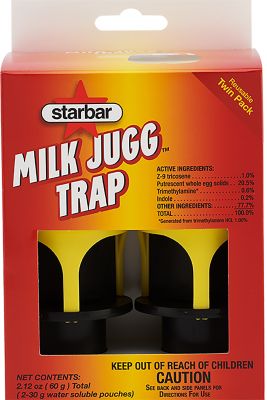
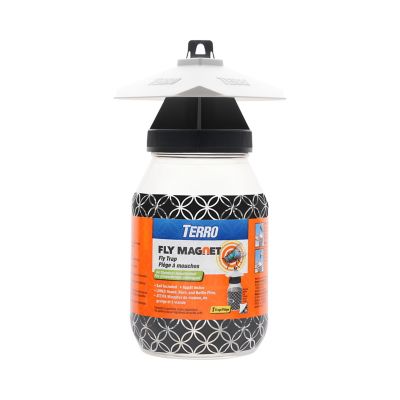
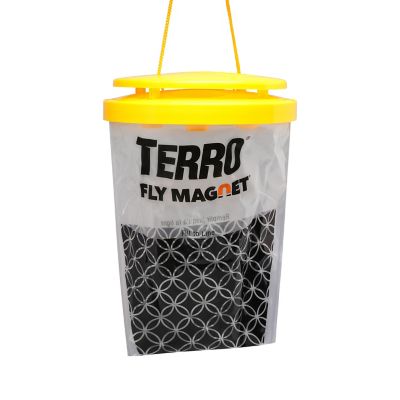
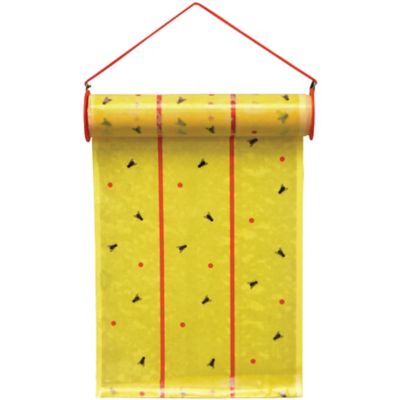
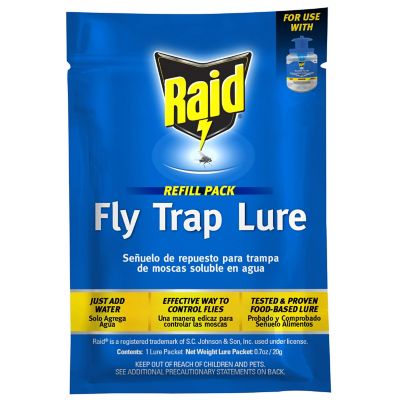
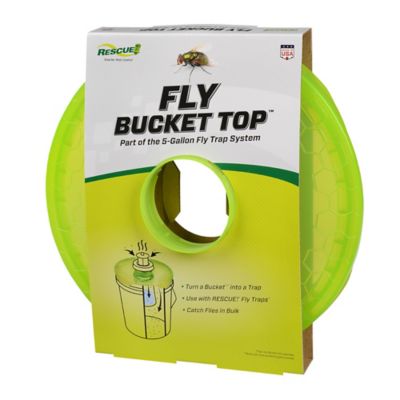
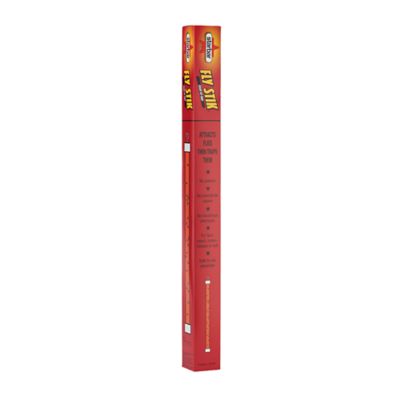
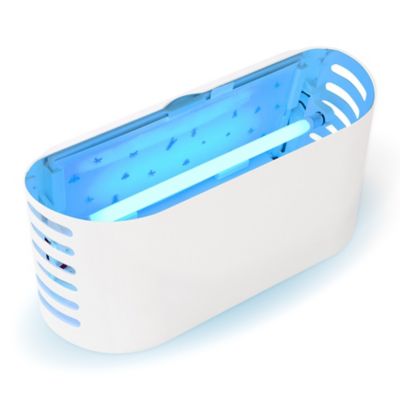
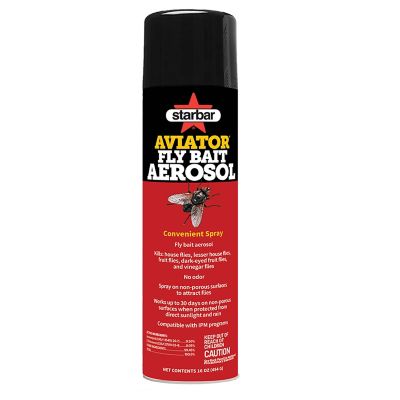
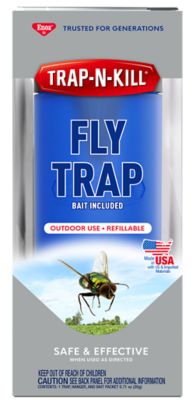
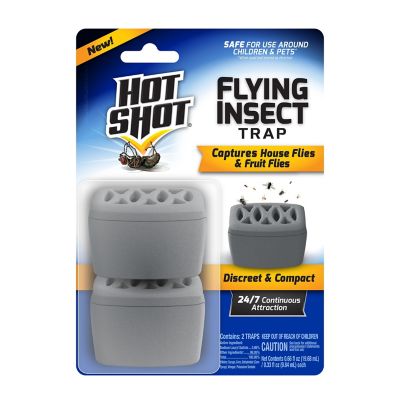
Fly traps can help reduce adult flies around the chicken run, especially when they are positioned outside the coop or in another location where chickens cannot peck, scratch or become caught in them. Sticky traps, baited traps and other capture products should always be placed well out of reach of poultry, pets and young children, and they should be checked often so they do not become an additional source of odor or mess. Avoid placing traps directly over feeders, waterers or nesting areas, where trapped insects or spilled bait could create a new problem. Screening can also help keep flies from entering through windows and vents while preserving the airflow chickens need. Fine mesh over openings, secure doors and a coop that closes properly at night can make a noticeable difference, especially when flies are active around outdoor manure, compost or livestock areas. Good ventilation matters during the cooler months, too. A tight, poorly ventilated coop can hold moisture from droppings and respiration, leading to damp bedding and strong ammonia odors. Look for fly control products that work with your existing cleaning habits instead of adding a complicated chore. A small backyard flock may need only a dependable scoop, fresh litter and a strategically placed trap, while a larger flock or mixed farm may benefit from several traps, extra bedding supplies, screening materials and odor- or moisture-management products. Keep fly control tools stored where they stay dry and cannot be reached by chickens, and use separate equipment for the coop and household areas. These supplies can also make a thoughtful gift for a new chicken keeper, a neighbor raising laying hens or a family member setting up a first backyard flock. Pairing practical coop-care items with feed storage, poultry-safe cleaning supplies or fresh bedding gives a beginning keeper useful help without guessing at the flock’s breed or size.
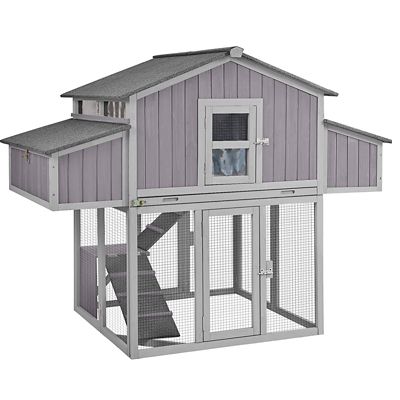
The design and condition of the coop itself also influence how well fly control products work. A roof that keeps rain from soaking bedding, walls that block drafts without trapping stale air, and a floor that drains properly all help create a drier, easier-to-clean environment. When planning repairs or improvements, browse
Chicken Coop Roofs to compare options for keeping the shelter protected from weather and runoff. During periods of rain or changing temperatures, check the corners of the coop, the run entrance and the ground beneath waterers for dampness that may not be obvious at first glance. As the weather warms, flies can become more noticeable around manure piles and bedding, while during cooler months they may slow down without disappearing completely if the coop remains warm, damp and poorly maintained. Keep manure managed outside the coop as well, and cover or relocate compost and waste areas when practical. Watch the flock for signs of irritation, excessive tail flicking or unusual restlessness, and inspect the coop if flies seem to be gathering in large numbers. Chickens should always have access to clean water, dry resting areas and a well-ventilated shelter. Fly control supplies are most effective when used as part of a steady routine: remove waste, correct leaks, refresh wet bedding, protect openings with mesh, place traps safely and clean up spilled feed. With a few dependable habits and the right supplies on hand, the coop can stay fresher, drier and more comfortable for the flock through changing conditions on the farm or in the backyard.