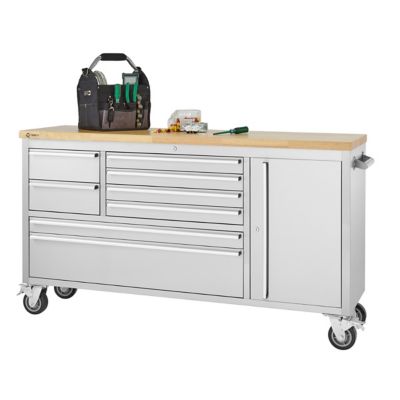
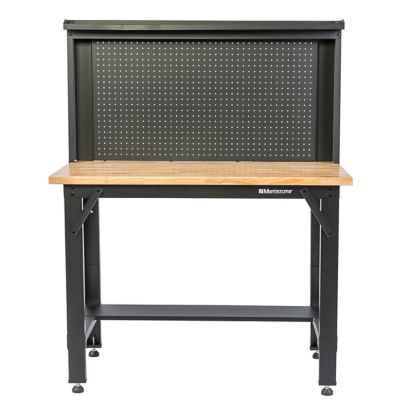
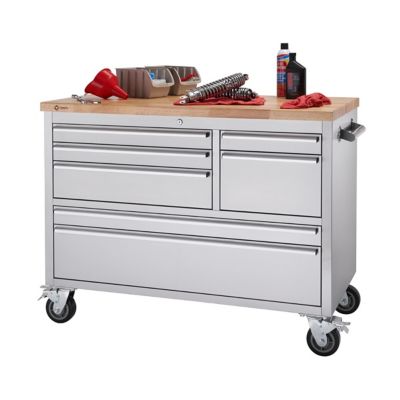
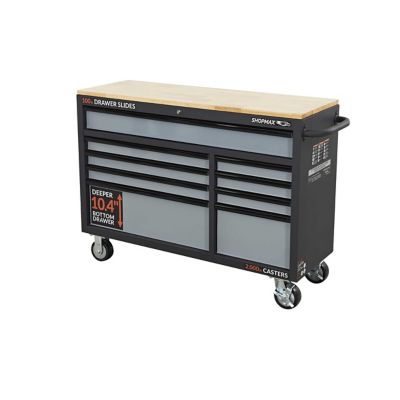
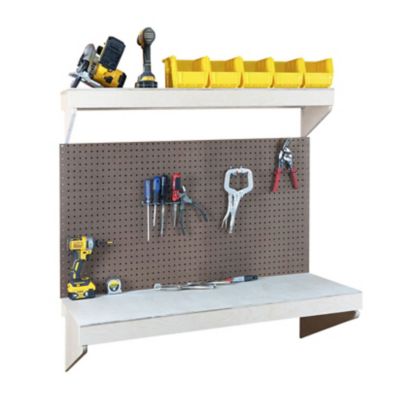
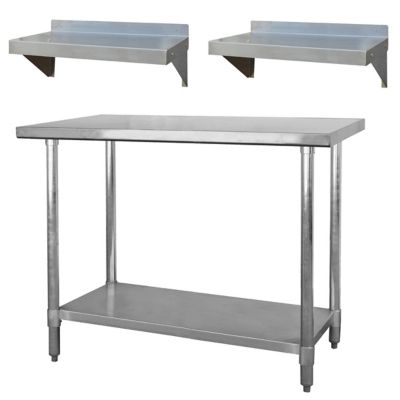
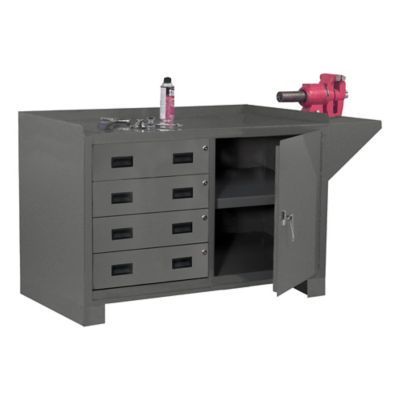
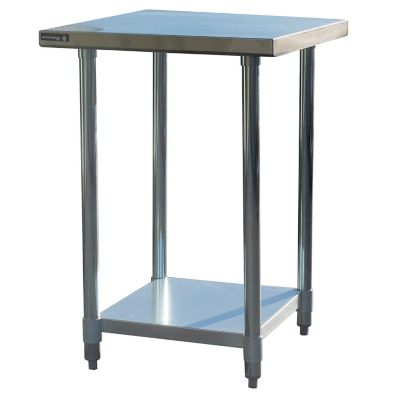
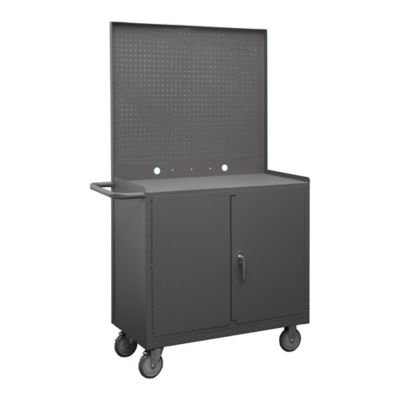
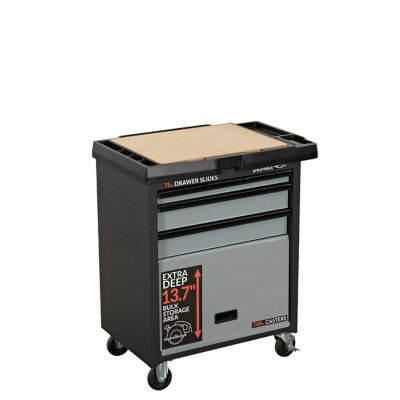
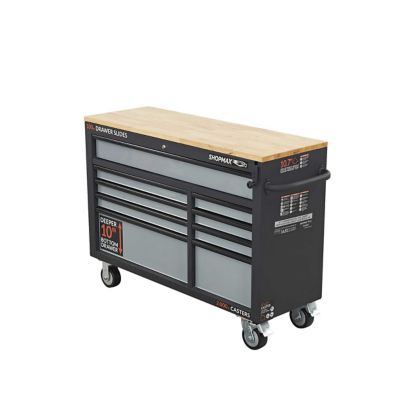
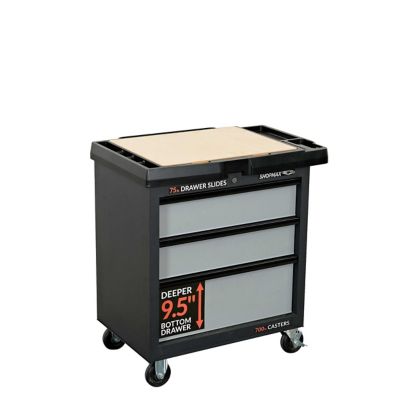
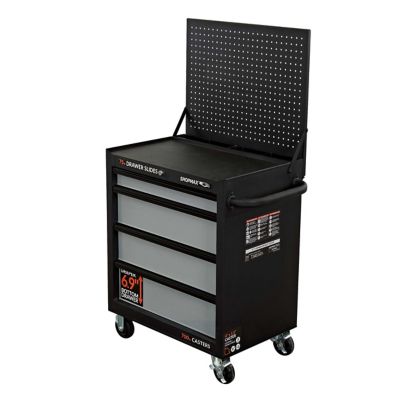
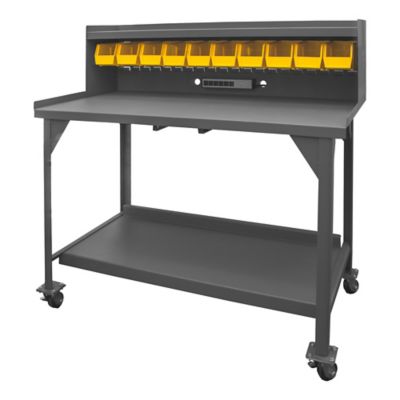
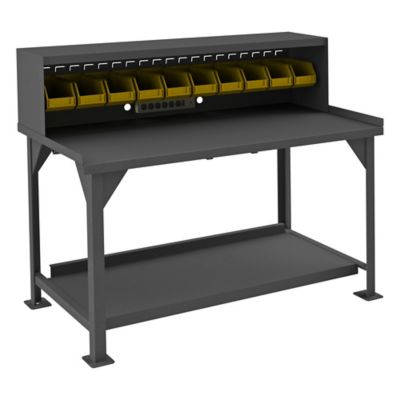
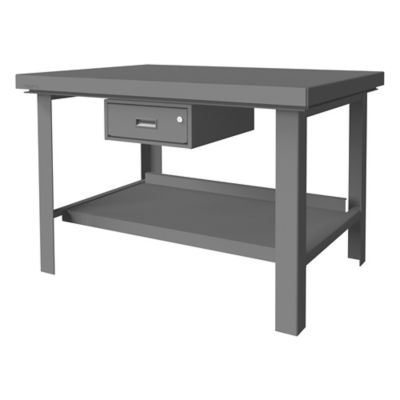
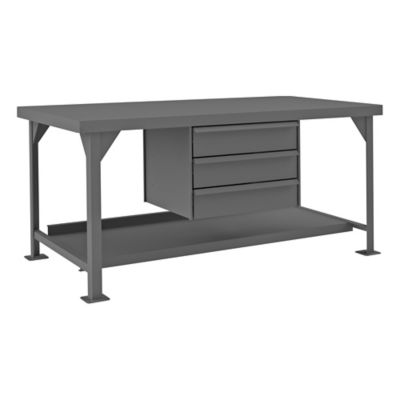
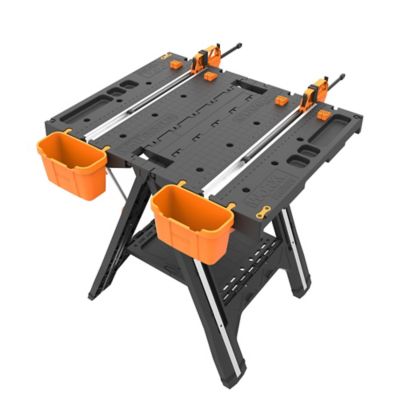
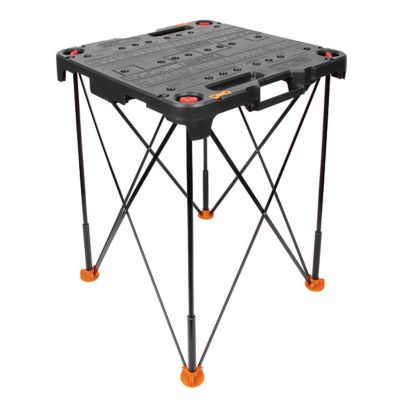
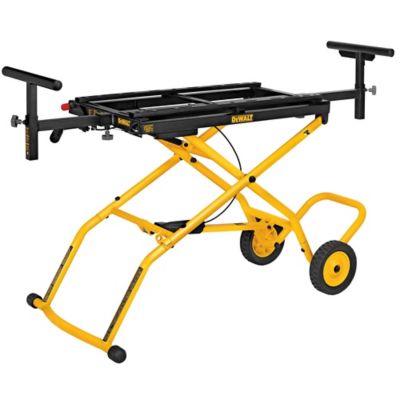
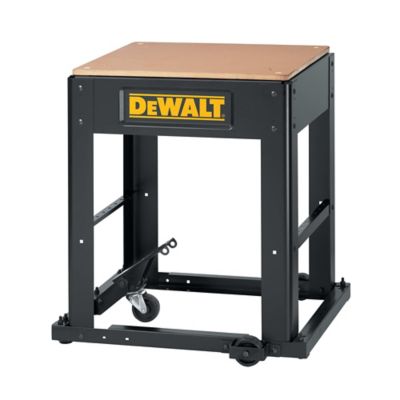
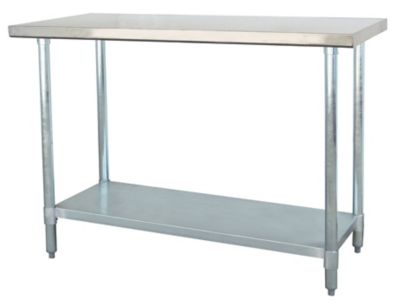
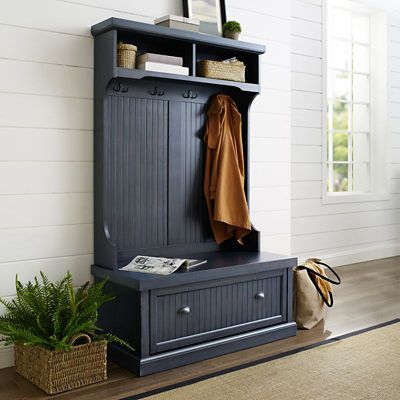
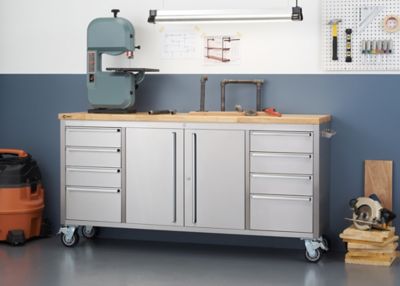
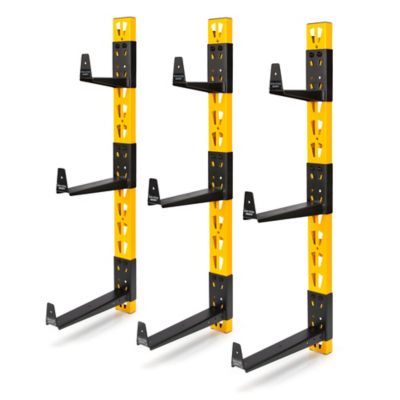
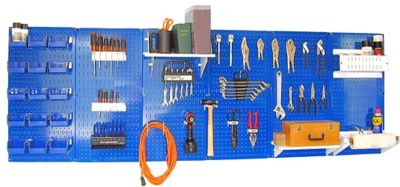
Work benches with storage combine a solid work surface with drawers, shelves, cabinets or pegboards that keep tools and supplies close at hand. In a garage, farm shop or home workshop, that combination gives small repairs and bigger projects a place to land without spreading parts across the floor. A mower component can sit on top while sockets stay sorted below, and a drawer can hold the fasteners that otherwise seem to disappear halfway through a repair. Different storage layouts suit different kinds of work. Shallow drawers make it easier to see wrenches, drill bits and measuring tools at a glance, while deeper drawers give larger tools and their cases more room. Open lower shelves leave room for toolboxes and containers that need to slide in and out without much fuss. Enclosed cabinets keep supplies out of the main work area, though an enclosed door does not necessarily mean a cabinet is sealed against dust. A pegboard or back panel puts frequently needed tools in plain sight and frees up space on the top. Drawer dividers and removable trays can help separate small hardware, especially when several projects share the same bench. The balance between storage and open space matters, too. A cabinet running the full width beneath the top offers plenty of enclosed room, while an open center can leave knee space for seated assembly or detail work. Bench width and depth affect how much room there is to spread out, but the usable workspace also depends on where drawers, uprights and overhead shelves sit. A wide top is less helpful if a back panel blocks a long board or the deepest corner is hard to reach. For folks who switch between equipment repairs, woodworking and everyday fix-it jobs, a layout with several storage types can keep the work surface from becoming the catchall for everything in the shop.
Materials and construction shape how a storage workbench handles daily wear. Steel frames and cabinets bring strength to busy work areas, while the frame design, joints and bracing all contribute to how steady a bench feels under pressure. A protective finish helps shield steel surfaces, but scratches and exposed edges still need attention according to the maker’s care directions. Solid wood tops provide a substantial surface for assembly and general shop work, with maintenance needs that depend on the wood and its finish. Some permit sanding or refinishing; others call for more limited care. Engineered wood tops can provide a flat surface for lighter assembly and household projects, though their edges and surface coverings deserve protection from standing liquids and damage. Metal tops have their own advantages for wiping away grime, but suitability for chemicals, heat or striking work depends on the particular construction. No single top is right for every task. A protective mat or sacrificial board can help keep glue, scratches and routine wear off the main surface when appropriate for the job. Load ratings matter just as much as the material name. The rating for the whole bench may differ from the limits for an individual drawer, shelf or set of casters, and a distributed load is not the same as one heavy component concentrated in a small spot. Heavy equipment parts belong on a bench rated for that load and type of work. Drawer slides, handles and hinges also affect everyday function: a drawer full of sockets asks more of its hardware than one holding pencils and tape measures. Routine care is usually straightforward—clear away metal shavings, wipe up spills promptly and check fasteners as directed. Keeping drawer tracks free of debris helps drawers move freely, while following the manufacturer’s maintenance instructions supports the frame, finish and moving parts over the long haul.
Fit goes beyond finding an empty stretch of wall. Work benches with storage need enough clearance for drawers and cabinet doors to open, plus room for the person working and any long material extending beyond the top. In a shared garage, a bench that fits neatly against the wall can still interfere with a vehicle door or the path to another tool. Working height matters during long stretches at the bench: detailed assembly may call for a different position than filing, sanding or applying downward force. Adjustable-height designs can accommodate different tasks and users, provided adjustments follow the manufacturer’s directions. Stationary benches suit work that benefits from a fixed setup, while rolling designs let the workspace move closer to a repair or shift aside when floor space is needed. Casters should suit the floor and intended load, and their locks need to be engaged before work begins. Locked wheels do not automatically make a mobile bench suitable for heavy hammering or other forceful tasks. Leveling feet can help steady a stationary bench on an uneven floor, within the limits of its design. Where anchoring is required, the attachment method and supporting structure matter. The broader
Work Bench category offers another way to compare layouts around the work surface, legroom and storage arrangement that suit the space. Benches equipped with outlets or lighting can simplify some setups, but electrical ratings, cord routing and protection from liquids still count. A locking cabinet can help restrict access to tools, though chemicals and flammable materials need storage suited to their hazards rather than just an empty shelf. For a mechanic, woodworker, farm owner or weekend tinkerer, the real benefit is a practical place where tools have a home and the next job has room to start. A clear top, reachable drawers and storage that matches the work can make the shop easier to settle into, whether the task takes ten minutes or most of the afternoon.