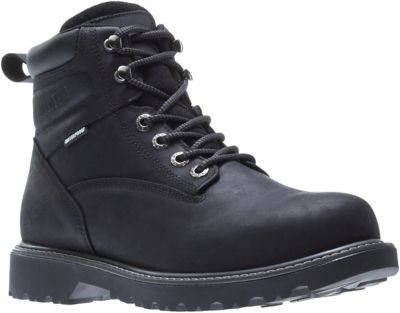
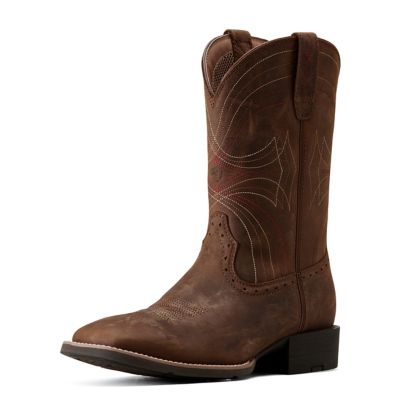
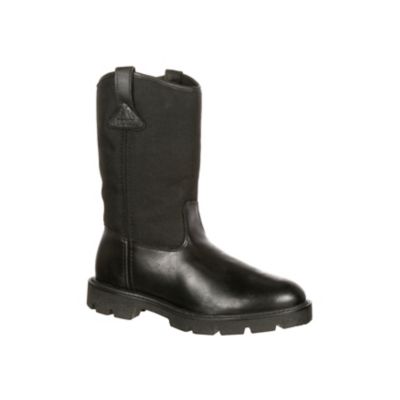
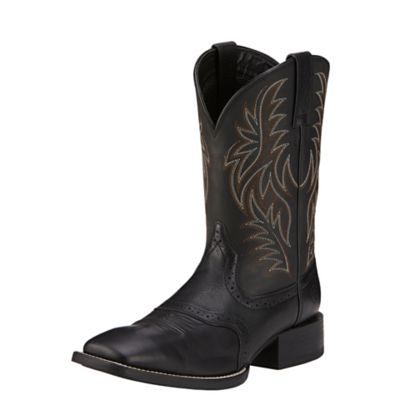
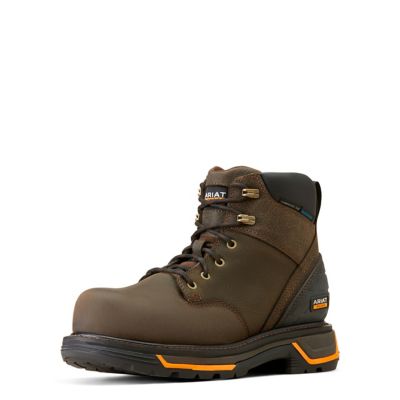
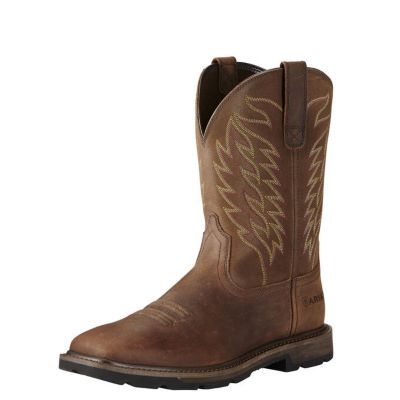
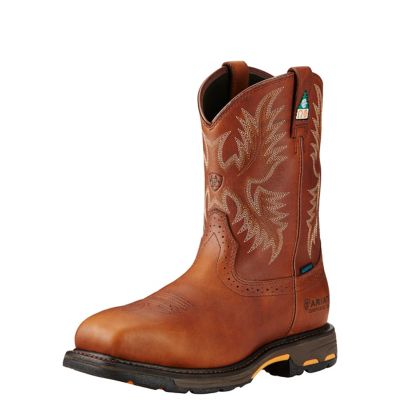
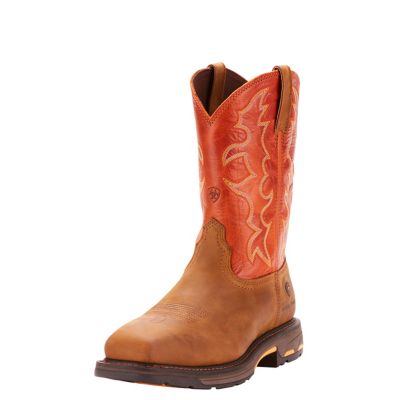
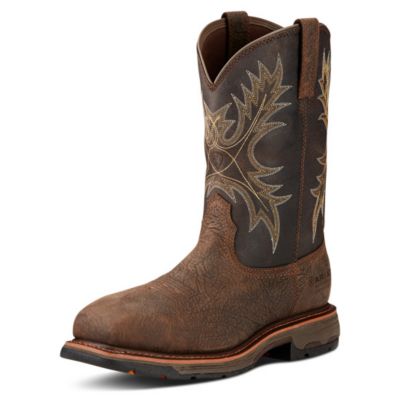
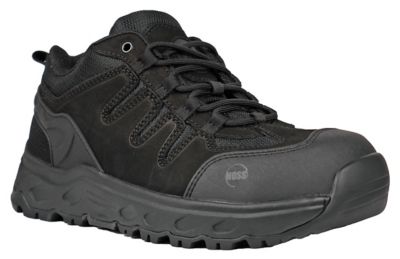
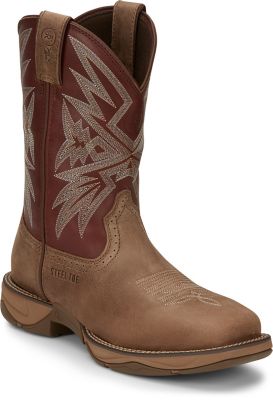
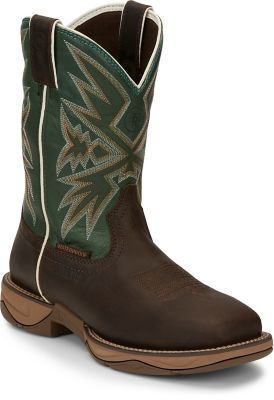
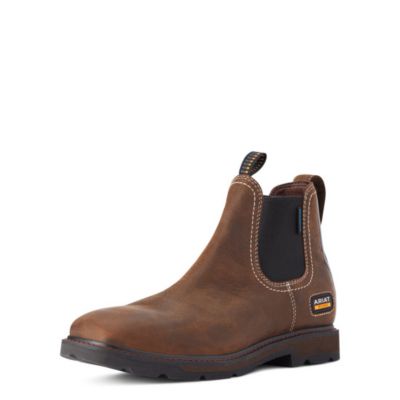
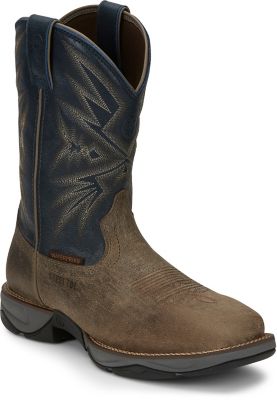
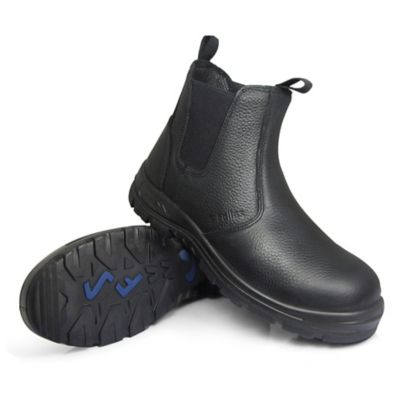
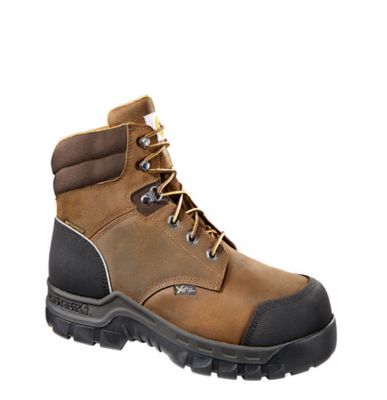
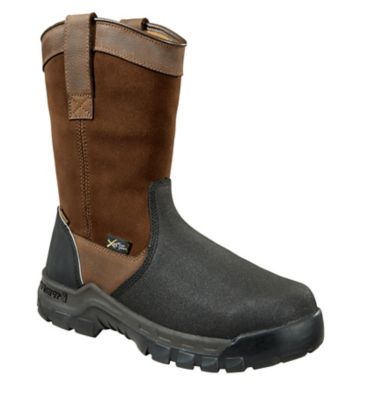
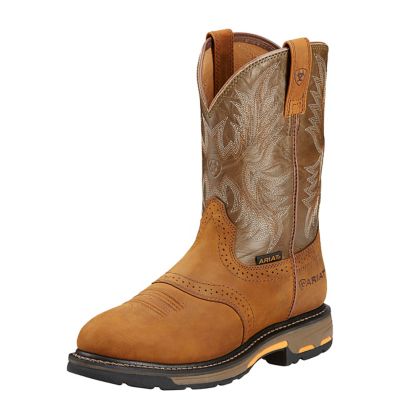
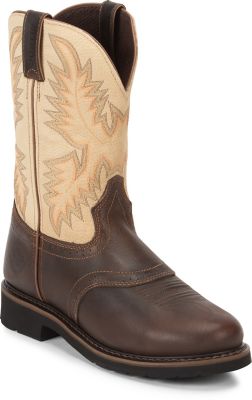
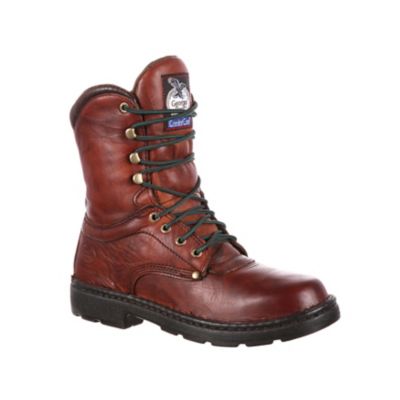
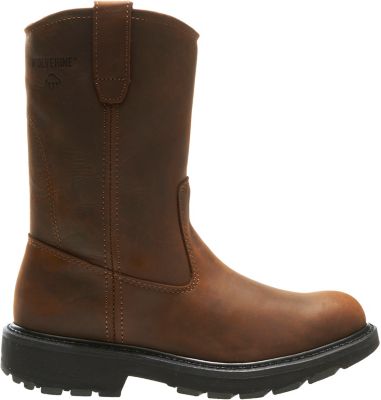
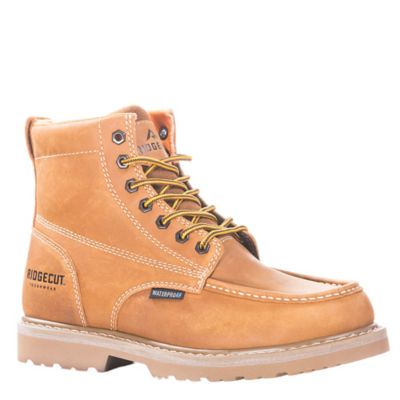
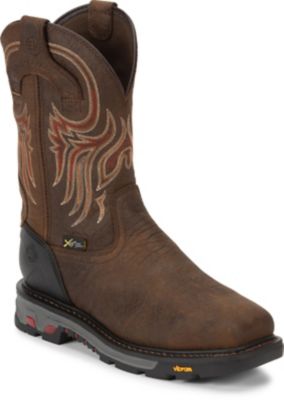
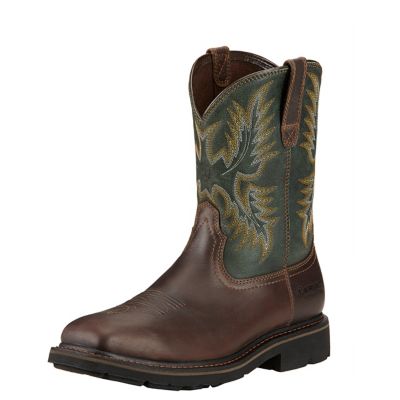
Extra wide work boots give hard-working feet the breathing room they need through long days on the farm, job site, ranch, warehouse, or workshop. A roomy fit can make a noticeable difference when you spend hours walking gravel lanes, climbing in and out of equipment, standing on concrete, or moving through wet grass and uneven ground. If standard boots leave your toes feeling pinched, your forefoot spilling over the sole, or your feet sore by the end of a shift, look closely at the width marking instead of simply sizing up. A longer boot does not always mean a wider boot, and extra length can let your heel slide while your toes still feel cramped. Widths marked EE or 2E are generally considered wide, while 4E or 6E styles offer more room for truly extra-wide feet. Some boots use a roomier last or an expanded footbed even when the sizing label varies, so it pays to check the available width options and the maker’s fit information. A broad, oblique, or square-shaped toe box helps give your toes space to spread naturally without pressing against one another. That extra room is especially helpful when a safety toe is built into the boot, since steel or composite caps can feel restrictive if the front of the boot is too narrow. Your toes should not touch the end or rub hard against the sides, and the ball of your foot should sit over the widest part of the sole. Try boots on with the work socks you normally wear, preferably later in the day when feet have had time to swell. A little space is useful, but your heel should stay mostly planted as you walk. The old habit of wearing thick socks to force a tight boot to work usually creates more heat, pressure, and discomfort instead of solving the fit.
When choosing extra wide work boots, match the construction to the kind of work and weather you deal with. Lace-up designs make it easier to adjust the fit over the instep and around the ankle, which can be helpful when your feet need more volume across the top but still need steady support at the heel. Pull-on styles are handy for quick changes and everyday chores, though the opening and fixed shape should feel comfortable around a broad foot and calf. Look for supportive insoles, cushioned midsoles, and outsoles with dependable traction if your day includes hard floors, packed dirt, mud, wet boards, or loose gravel. A slip-resistant outsole can be valuable around shops, barns, feed rooms, and other places where water, oil, sawdust, or mud may collect. If you work outdoors during cooler months, waterproof construction or water-resistant materials can help keep puddles and damp grass from soaking through, while breathable linings can make boots more comfortable as the weather warms. Durability matters, too. Reinforced stitching, sturdy eyelets, protective toe areas, and abrasion-resistant materials can help boots stand up to kneeling, climbing, hauling, and repeated contact with equipment. For jobs where falling objects, compression, or punctures are a concern, check your workplace requirements before you buy. Safety-toe boots may use steel or composite caps, and the right choice depends on the hazards, temperature, weight, and electrical considerations of your work environment. Verify that the boot carries the ASTM safety rating your job site requires rather than assuming every safety toe offers the same protection. A composite toe can be lighter and may not conduct cold the same way steel does, while steel provides a familiar, sturdy option for many demanding tasks. Comfort features such as removable footbeds can also be useful for workers who wear custom orthotics or need a little more control over the fit. For additional options suited to broader feet, explore
Work Shoes For Wide Feet and compare the shape, support, and protection that fit your routine.
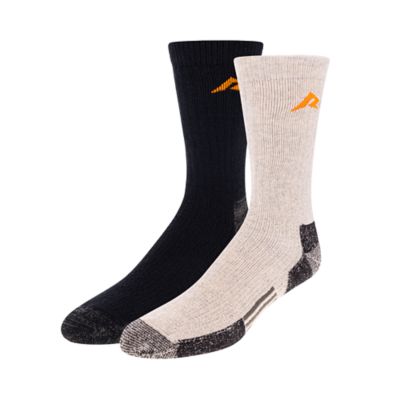
Extra wide work boots can be a practical choice for anyone whose feet run broad, including farmers, contractors, mechanics, delivery workers, landscapers, warehouse crews, utility workers, and folks who spend weekends tackling repairs around the property. They can also make a thoughtful gift for a hard-working family member who is always on their feet, especially when you know their usual boots leave marks across the toes or feel tight after a full day. Before giving boots as a gift, check the person’s usual size and width, then keep the receipt or confirm the return policy in case their preferred fit is different. Work boots often need a short break-in period, but they should feel supportive from the first try and should never cause sharp pressure, numbness, or rubbing that gets worse with each step. Wear them around the house or on clean indoor surfaces while checking that the heel stays secure, the tongue lies flat, and the toes can move without bumping the safety cap. During late summer’s warm chores and the cooler days that follow, rotate socks and let boots dry fully between wears to help control moisture and odor. If boots get muddy, brush off the dirt once it dries, follow the care directions for the material, and avoid placing them directly beside a heater, which can stiffen or crack leather and damage adhesives. A good pair should feel steady when you carry a bucket, climb a ladder, walk across a pasture, or stand at a workbench, with enough room for natural movement and enough structure to keep your feet protected. From early-morning chores in damp grass to long afternoons on concrete, the right extra wide work boots help you stay comfortable, balanced, and ready for the work in front of you.