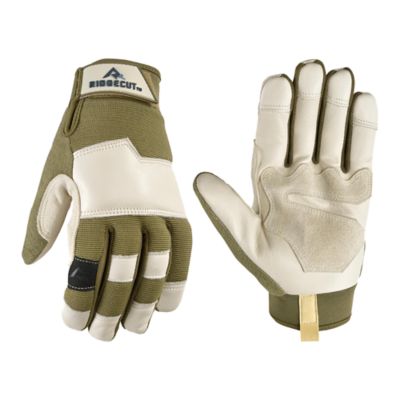
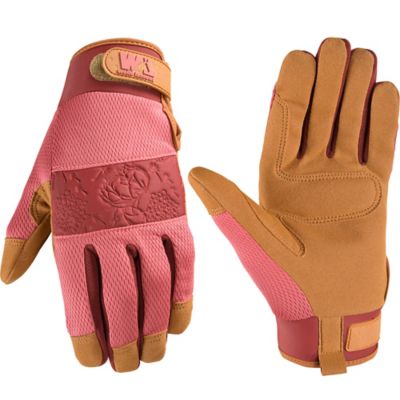
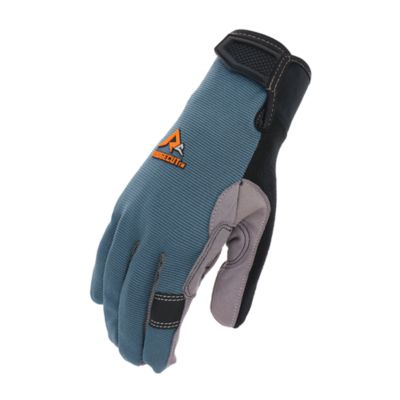
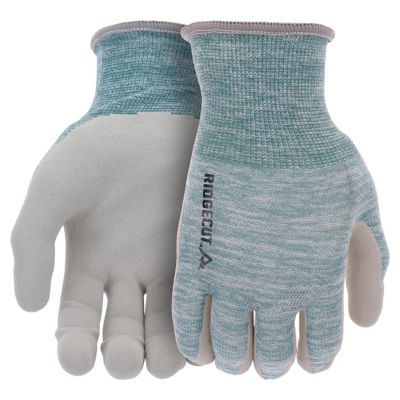
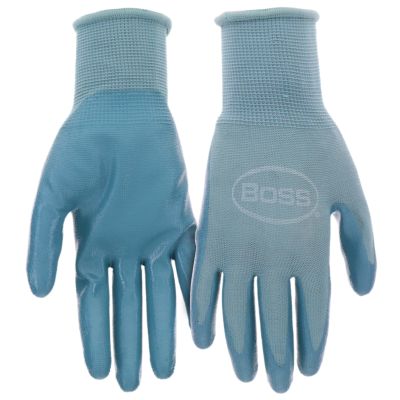
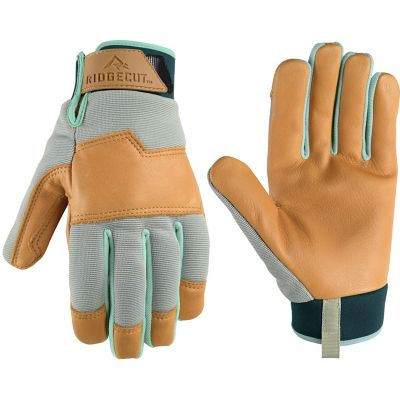
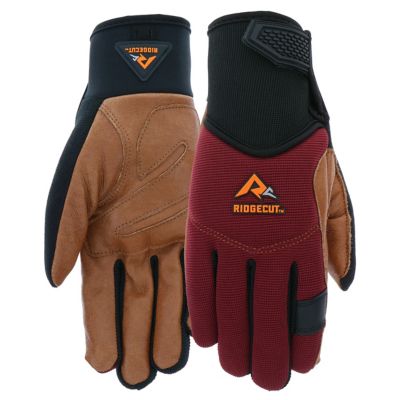
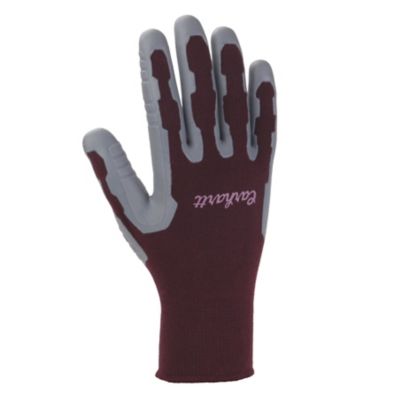
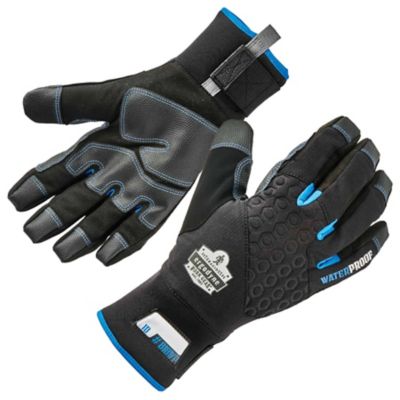
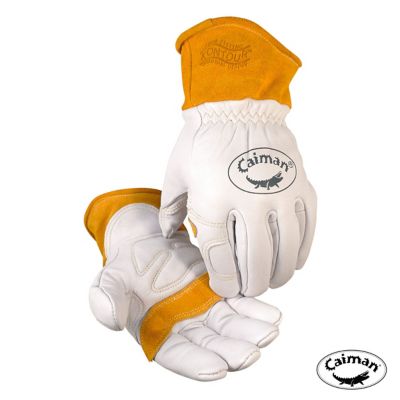
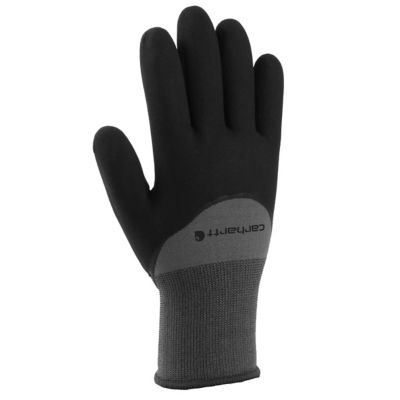
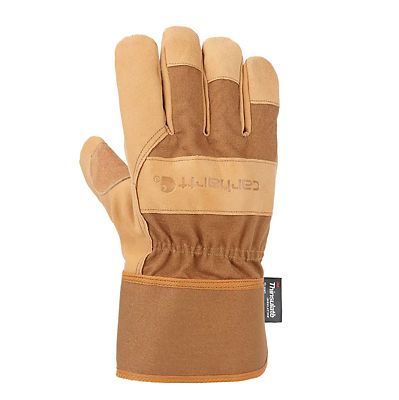
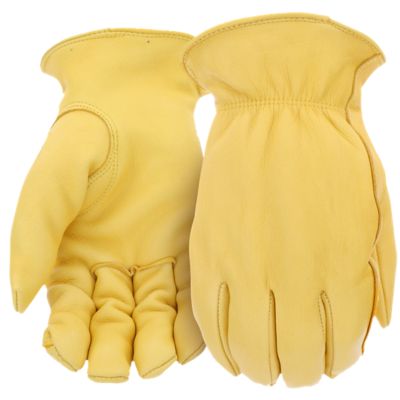
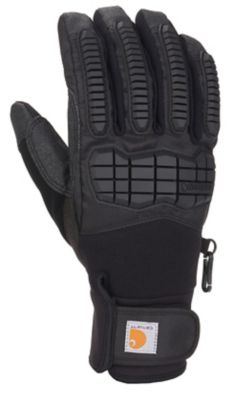
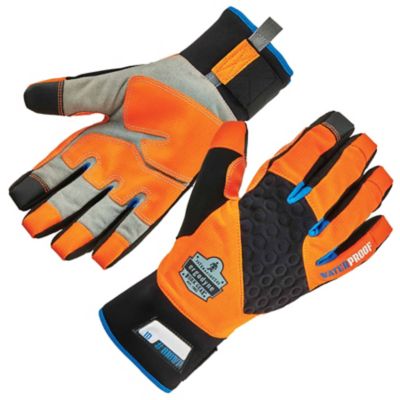
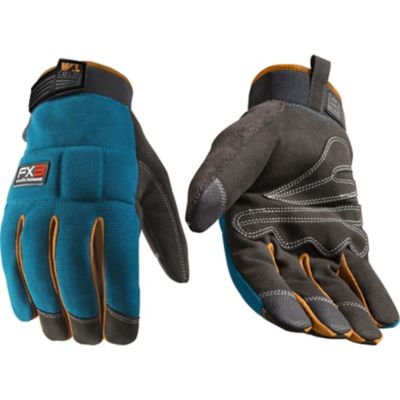
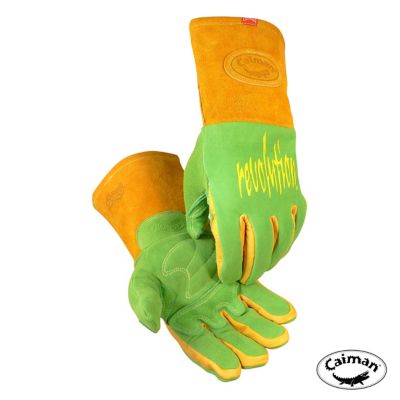
Women’s work gloves help keep hands comfortable and covered through the jobs that fill a day around the barn, yard, shop or jobsite. A well-fitting pair puts a layer between your skin and rough tool handles, scratchy hay, gritty lumber and the steady friction of carrying supplies. Different tasks call for different combinations of grip, flexibility and coverage, so the best match depends on what your hands are doing. Hauling fence posts puts more demand on the palms than sorting hardware, while fastening a gate latch takes more fingertip control than pushing a wheelbarrow. Women’s sizing often offers narrower palm proportions and smaller size ranges than general work gloves, but hand shapes vary, and the size label alone does not tell the whole story. Finger length, thumb placement and room across the knuckles all affect how a glove feels once work gets going. Extra material at the fingertips can get in the way when handling screws or tying twine, while a palm that pulls tight may make it harder to close your hand around a shovel handle. A close fit should still leave room to bend your fingers and make a fist without pinching or stretching the seams. Size charts that account for palm circumference and hand length offer a better starting point than simply choosing the size worn in another type of glove. Stretch panels, shaped fingers and adjustable wrist closures can help keep the glove in place as the hand moves. Pull-on cuffs make for a straightforward fit, while fastening cuffs offer more adjustment at the wrist. For women caring for livestock, tending acreage, maintaining property or working with hand tools, that balance of fit and movement matters over hours of gripping, lifting and carrying. A glove should follow the hand rather than make every little task feel like extra work.
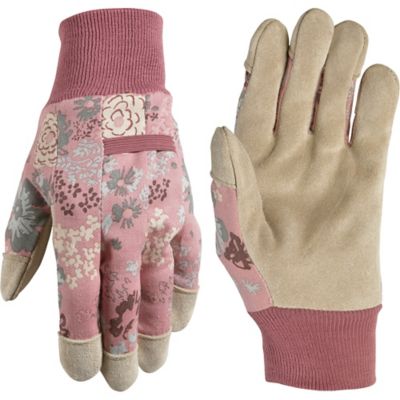
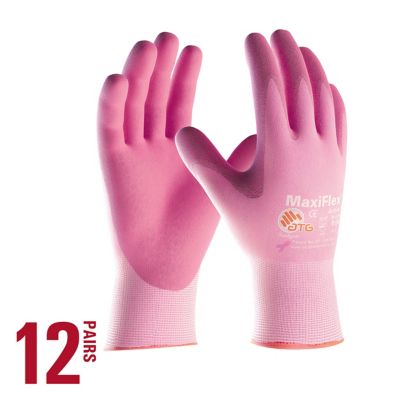
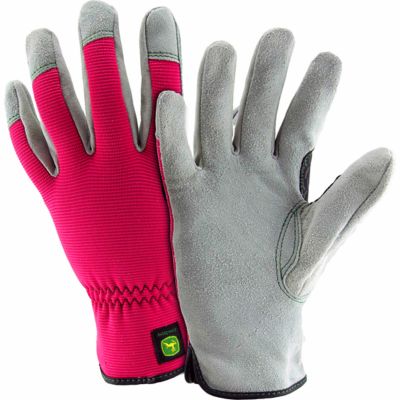
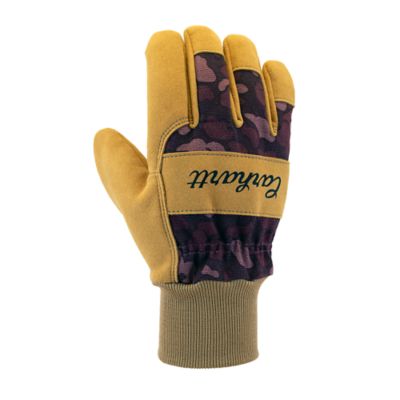
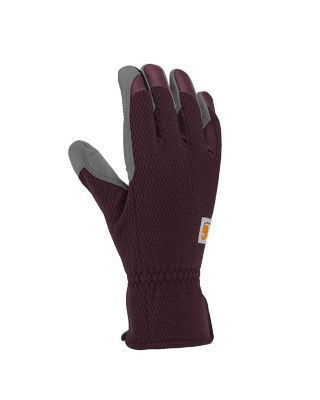
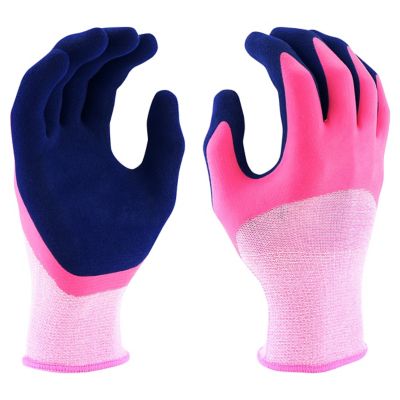
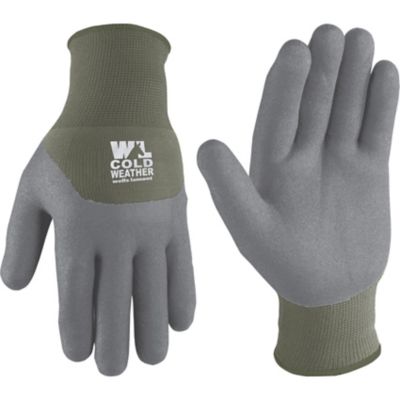
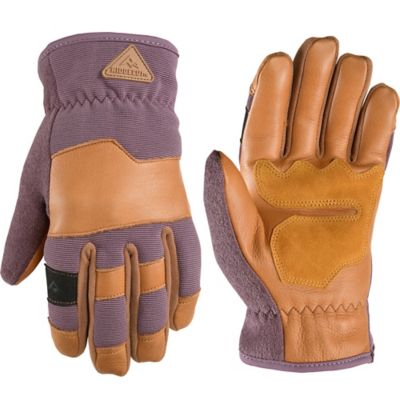
Materials and construction make a noticeable difference in how women’s work gloves handle everyday chores. Leather palms suit many rough-contact jobs, with cowhide generally offering a substantial feel and goatskin often providing a softer, more flexible grip. Split leather has a textured surface, while grain leather has a smoother face; thickness, stitching and reinforcement also influence how either performs. Synthetic leather provides another option for flexible palm coverage, often paired with fabric panels that let the back of the hand move freely. Knit gloves with coated palms can offer close-fitting control for handling small parts, carrying containers or working with tools. Nitrile, latex and polyurethane coatings each have their own feel, and grip depends on the coating’s texture and the surface being handled. A palm that holds a dry wooden handle well may behave differently against slick metal or an oily part. Latex sensitivity is another consideration when comparing materials. Reinforced palms, fingertips and thumb saddles add material where repeated contact tends to wear a glove down. The thumb saddle, where the thumb meets the palm, takes plenty of rubbing from rake handles, rope and buckets. Double stitching and carefully placed seams can support wear resistance, although extra layers may reduce the fingertip feel needed for smaller fasteners. Padded palms can ease pressure from some handles, but padding alone does not establish vibration protection. Likewise, a thick glove is not automatically cut-resistant or puncture-resistant; those jobs call for task-specific protection supported by the manufacturer’s stated ratings. General work gloves are not a substitute for gloves rated for chemical handling, electrical work or other specialized hazards. For planting, pulling weeds and working close to the soil,
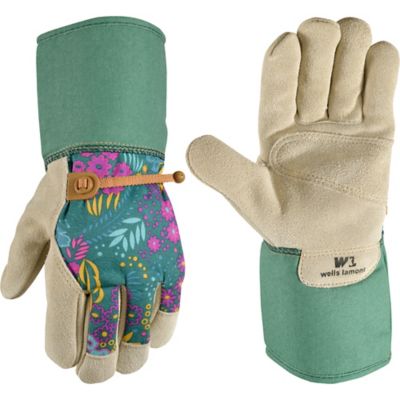
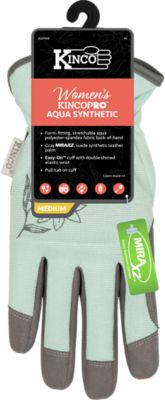
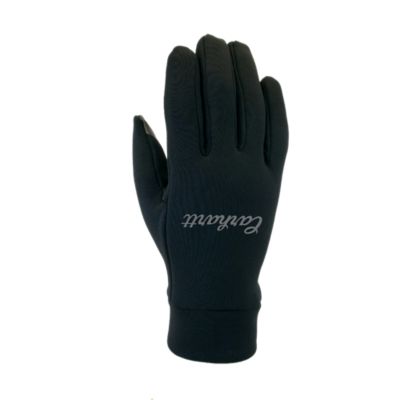
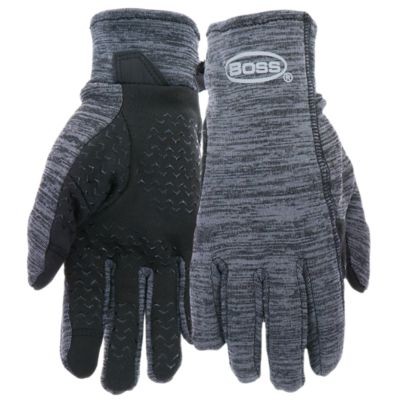
Women's Gardening Gloves offer a more focused category to consider alongside general-purpose styles. Longer cuffs can add wrist coverage when reaching into brush, while shorter cuffs leave the wrist freer to move. Touchscreen-compatible fingertips may let a wearer check a task list or answer a message without taking gloves off, though performance varies with the glove and device. Those details earn their place when they match the work rather than simply adding more material or features.
The right women’s work gloves also depend on how a job unfolds from start to finish. Cleaning stalls, carrying feed bags and handling a manure fork can involve repeated gripping and plenty of abrasive contact, making palm coverage and secure cuffs especially helpful. Repairing a shed or assembling shelving may put more emphasis on flexible fingers and seams that do not press into the hand around a hammer or screwdriver. For fence work, rough wire ends and sharp edges deserve more protection than a lightweight chore glove can necessarily provide. No glove makes it safe to grab sharp material carelessly, and machine instructions should always govern glove wear around equipment. Gloves can catch in exposed rotating parts, so they are not appropriate for every shop task. Beyond protection, day-to-day comfort comes down to details that are easy to overlook on an empty hand: a seam across a knuckle, a stiff thumb or a cuff that rubs each time the wrist bends. Breathable fabric panels and smooth interiors can make a pair more pleasant through repetitive work, while a secure palm helps limit bunching around handles. Care requirements matter, too, particularly for gloves that regularly pick up soil, barn dust or grease. Some fabric and synthetic styles allow machine washing, but leather and specialized coatings may call for different cleaning methods. Following the care label helps preserve the glove’s shape and material performance; excess heat and harsh cleaners can cause shrinking, stiffness or damage. Letting gloves dry fully before putting them away and storing them out of direct sunlight helps keep them ready for the next round of chores. Worn-through palms, open seams, cracked coatings and stretched closures are signs that a pair needs replacement. Work gloves can also make a practical gift for a gardener, ranch hand, tradeswoman or anyone who spends weekends keeping a place running. Knowing the recipient’s hand measurements and regular tasks makes that choice more personal, whether the work means stacking lumber, fixing gates or tackling the never-ending list beside the shop door.