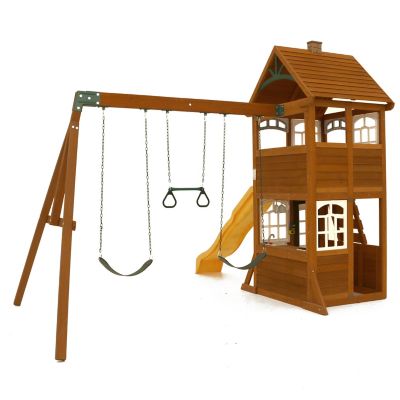
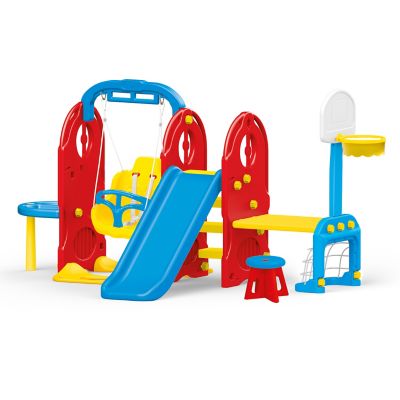
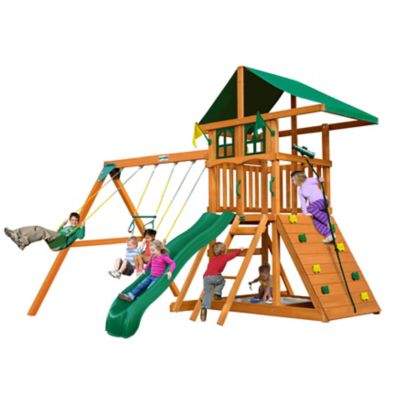
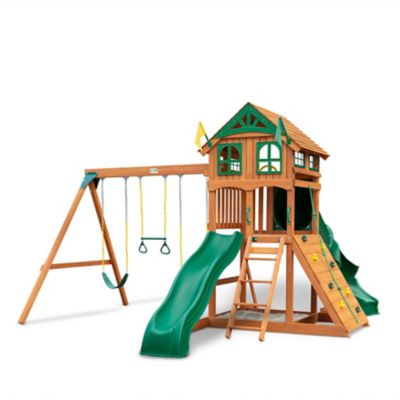
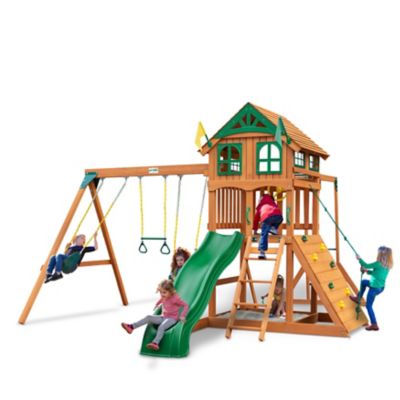
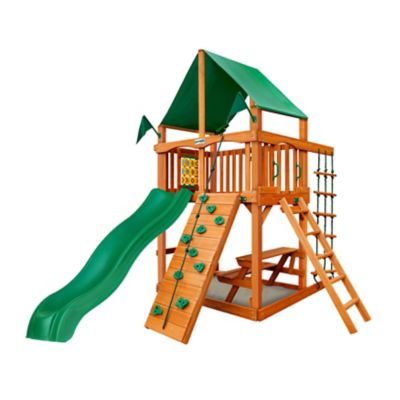
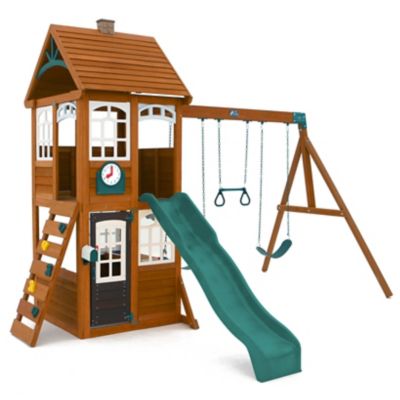
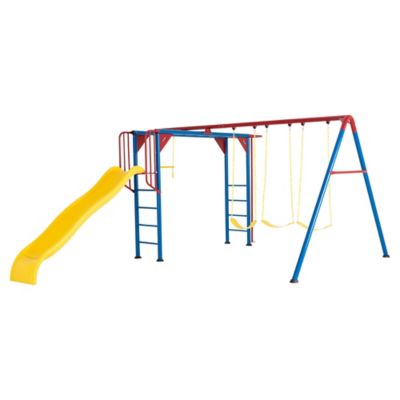
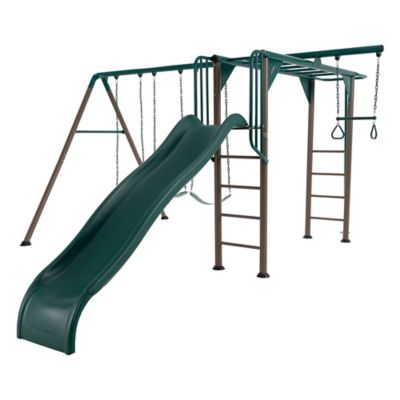
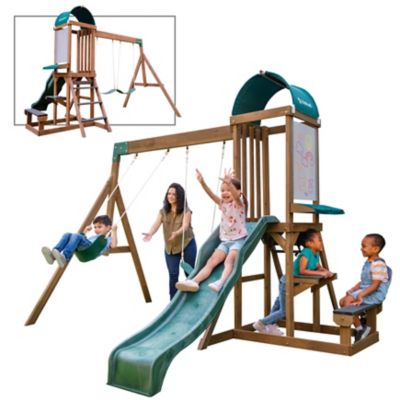
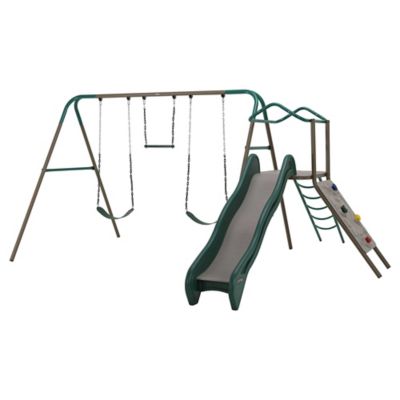
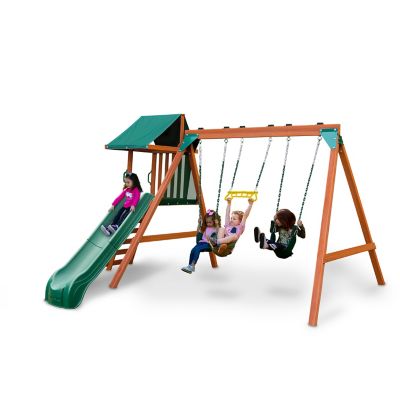
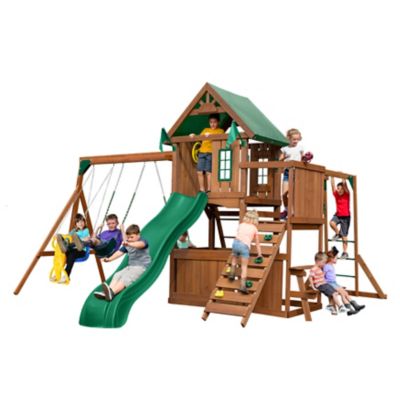
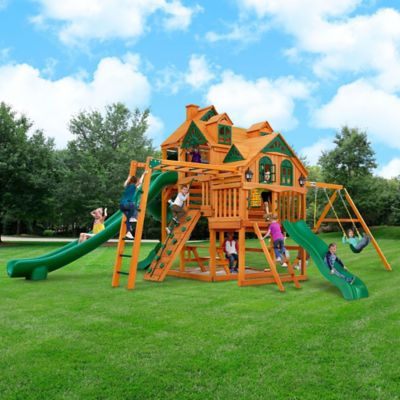
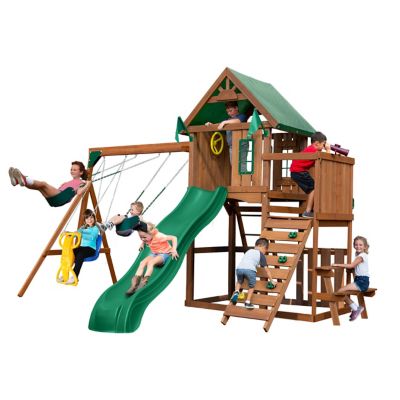
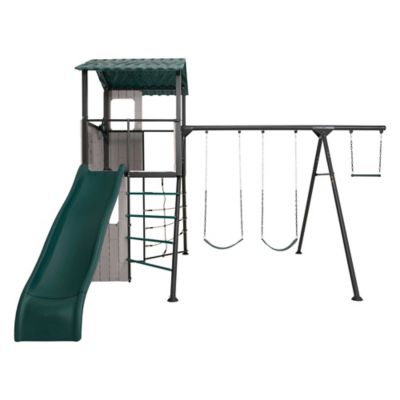
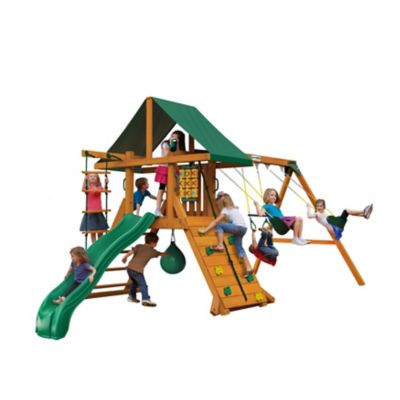
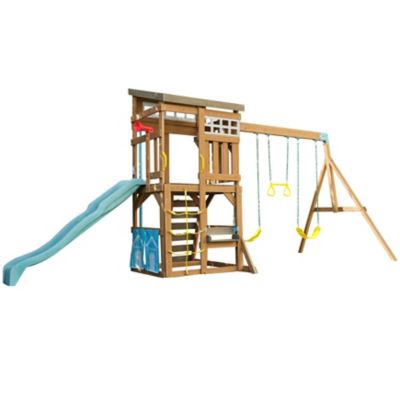
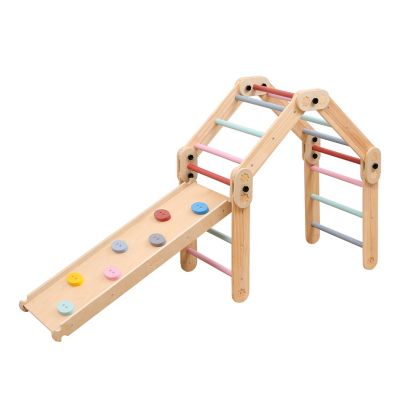
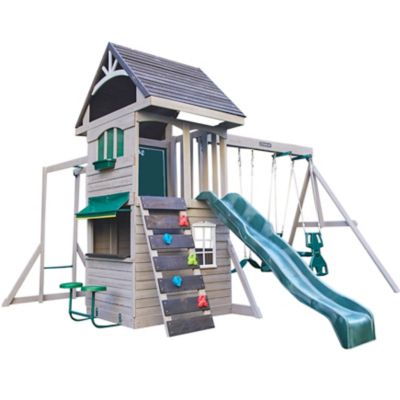
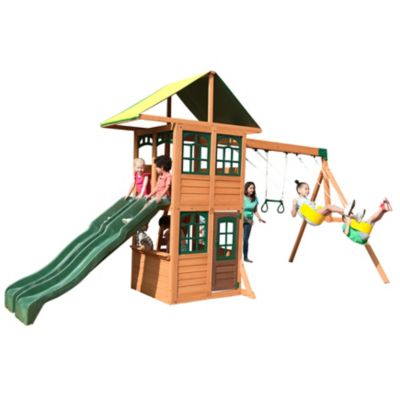
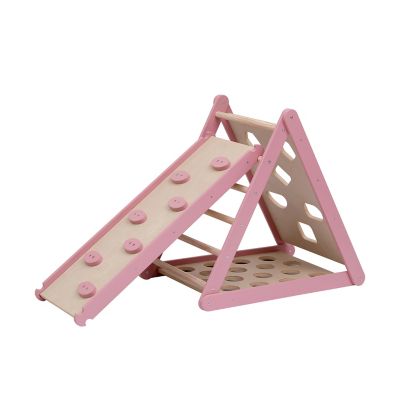
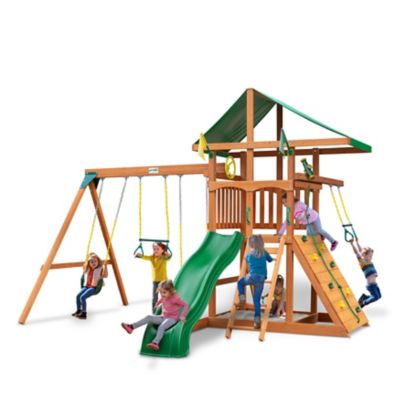
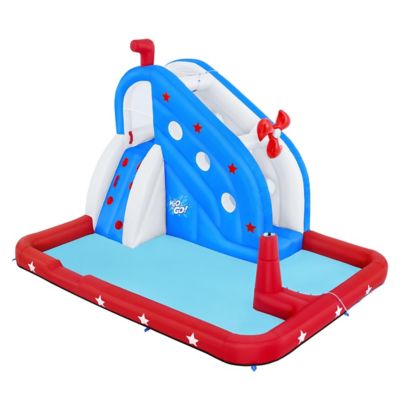
Playsets with a slide bring climbing, sliding and make-believe play into one backyard setup. Most combine an elevated platform with a slide and a way to climb up, while larger layouts may add swings, climbing walls, bridges or an enclosed playhouse area. The slide gives children a clear destination: climb the steps, pause on the platform and head back down for another turn. That simple loop can keep little legs moving while giving siblings and friends room to take turns and dream up their own games. Slide styles change the experience, too. Straight slides offer a direct ride down, wave slides add gentle changes in slope, and curved slides follow a bending path. Tube slides have an enclosed chute, while open slides leave the sides and surroundings more visible. The right fit depends on the child’s age and abilities, the platform height and the manufacturer’s stated age range—not just how tall or exciting the structure looks. A small child learning to climb needs a different setup from an older child who can handle more involved climbing features. Toddler playsets generally have lower platforms and simpler access, while larger backyard playsets can offer more room and more demanding activities for children within their specified age ranges. Weight limits matter for individual components as well as the overall structure, especially when several children want a turn at once. For families with children at different stages, separate ground-level and elevated activities can help keep play from bunching up around one ladder. Grandparents adding a play area for visits may put extra value on easy-to-see platforms and straightforward access. Whether the backyard becomes a pretend farm, a lookout post or a gathering spot after chores, a playset with a slide gives children a familiar place to move, imagine and spend time together, with an adult close enough to keep an eye on the action.
Materials and layout make a big difference in how a playset fits everyday life. Wood structures often have substantial posts, framed platforms and room for features such as climbing walls or playhouse panels. They also call for attention to the condition of the boards, joints and protective finish. Metal structures bring a different look and construction style, with care centered on connections, coatings and signs of corrosion. Molded plastic is common in slides and smaller play structures, where shaped handholds, rounded edges and wipe-clean surfaces can be useful features. Material alone does not tell the whole story; board dimensions, connection design, component condition and proper assembly all affect how a structure performs. A
wooden swing and slide set combines a timber framework with two familiar backyard activities, making the full layout worth considering rather than focusing only on the slide. The listed footprint is just one part of the space it needs. Swing travel, the slide exit and the clear area around climbing features all extend beyond the posts, so a corner that looks roomy at first glance may not leave enough space for active play. Manufacturer-specified clearances help determine whether a layout belongs in that spot. Level ground, suitable anchoring and a location away from fences, driveways, overhead lines and other obstacles are important parts of the setup. In a country yard, keeping the play area separate from livestock pens, equipment paths and places where tools are stored helps give children a defined space of their own. A clear view from the porch or another nearby gathering spot can also make supervision more practical. Assembly needs deserve attention, too, including the number of adults required, the tools involved and access to the site. Some structures need considerable sorting, lifting and fastening before the first climb, so the finished size is only part of the commitment.
Day-to-day care helps keep a backyard playset ready for the children who count on it. Hands grip the same rails, shoes land on the same steps and the slide exit sees plenty of traffic, making those contact points especially worth checking. Routine inspections can catch loose fasteners, cracked plastic, rough wood, protruding hardware or worn swing connections before another round of play. Wood may need sanding or a manufacturer-recommended finish, while coated metal needs attention wherever the surface coating has worn away. Slides benefit from cleaning that follows the material’s care directions, without abrasive tools or cleaners that could damage the surface. Replacement parts should match the structure’s requirements rather than simply looking close enough to fit. The ground beneath the playset needs care as well. Protective playground surfacing should suit the equipment’s fall height and remain at the specified depth and coverage; grass and bare dirt are not substitutes for impact-absorbing surfacing. Loose-fill material can move away from busy areas beneath swings and at slide exits, so those spots need regular attention. Everyday play habits matter alongside the structure itself. Children need an open landing area at the bottom of the slide, room to move away after landing and a clear path that does not cross in front of moving swings. Clothing with drawstrings, loose cords and other items that can catch on equipment do not belong on the playset. Adult supervision remains important even when a child knows every rung and handhold by heart. Residential playsets are intended for the setting and level of use stated by the manufacturer; a home backyard structure is not automatically suited to a school, daycare or public playground. Keeping those limits in mind helps match the equipment to the job. With room to climb, a clear place to slide and regular attention to care, a well-planned play area can become a favorite stop between the back door and the rest of the yard.