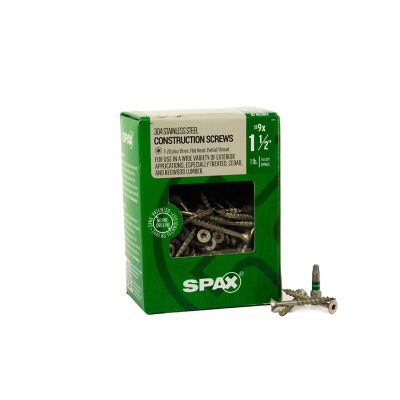
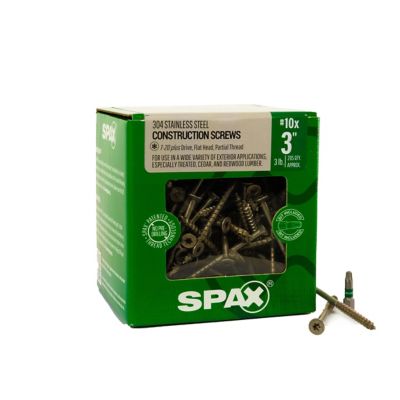
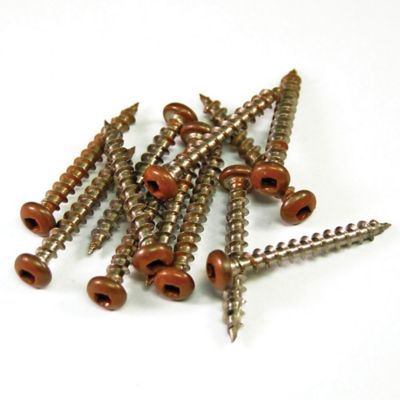
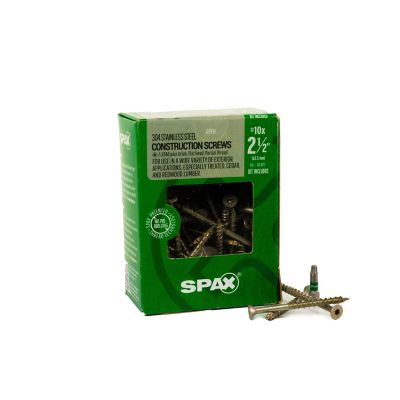
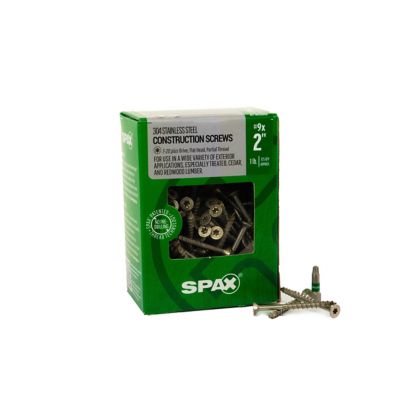
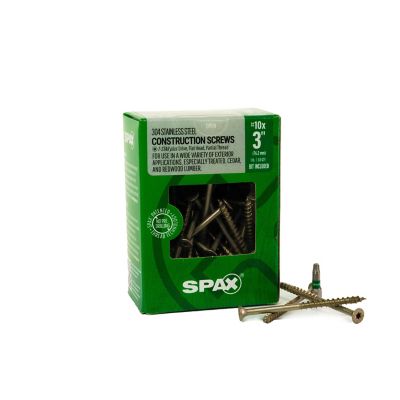
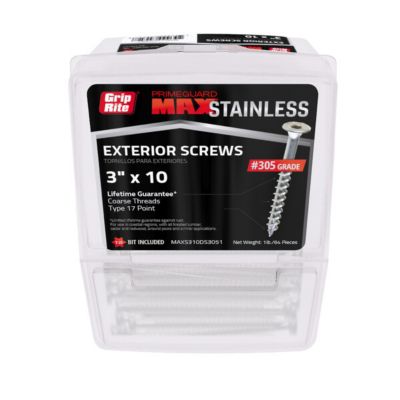
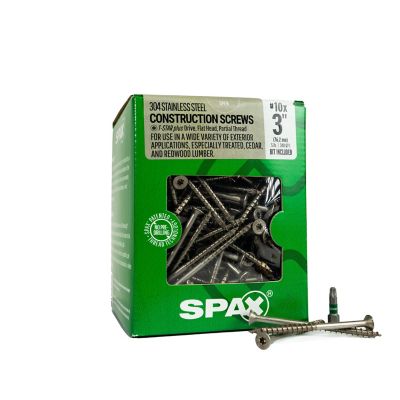
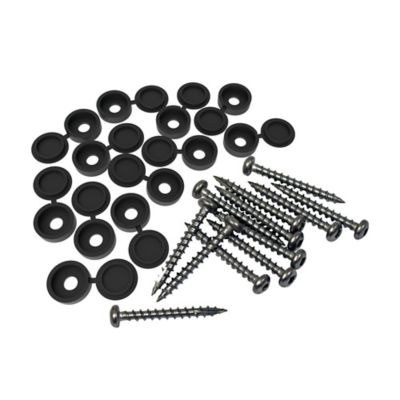
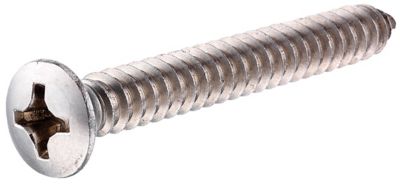
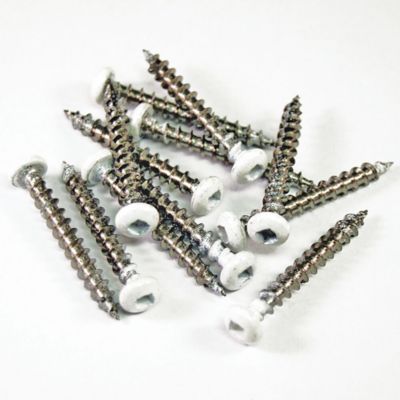
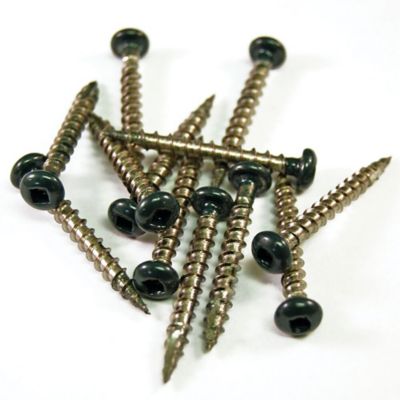
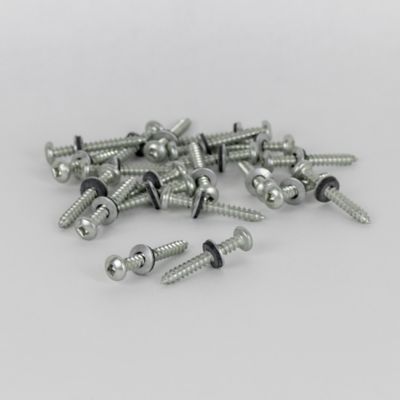
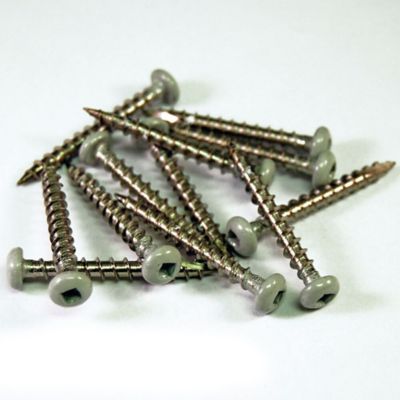
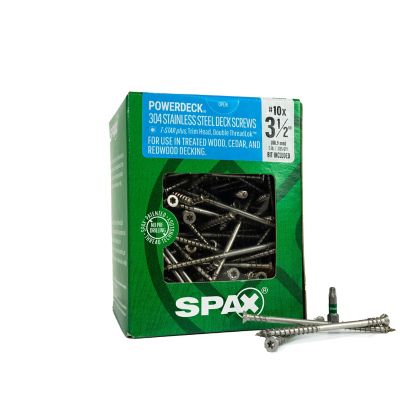
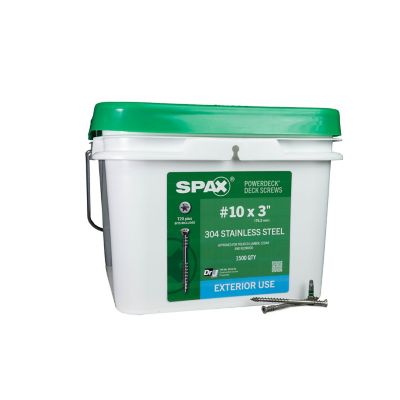
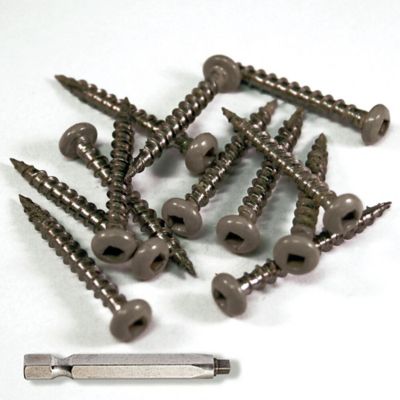
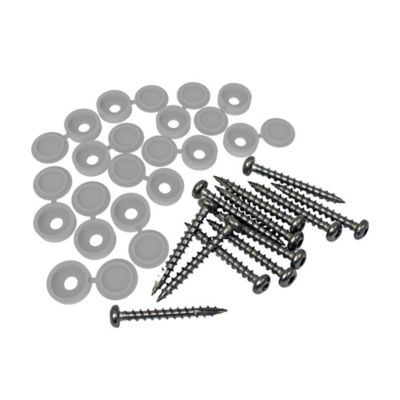
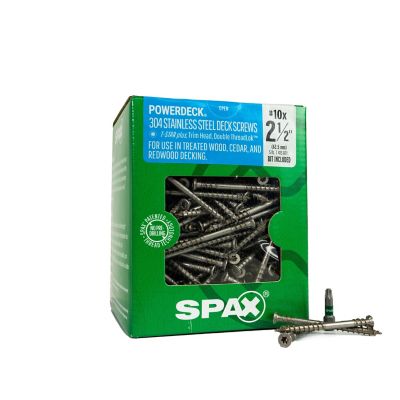
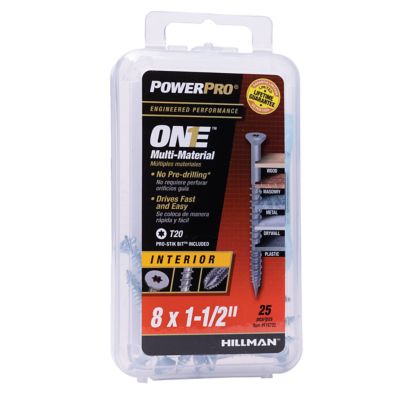
Stainless steel deck screws fasten deck boards to supporting wood framing while helping resist rust and corrosion. For homeowners fixing up a back porch, contractors laying a broad walking surface, or property owners maintaining a dock, that combination matters at every connection. A screw head may be only a small part of the finished deck, but its material affects how that connection holds up and how the boards look around it. Stainless steel contains chromium, which forms a thin protective surface layer that helps limit corrosion. That protection comes from the alloy itself rather than depending solely on an applied coating. Stainless steel is not completely stainproof, though, and the grade should match the setting. Grades 304 and 305 are common choices for many inland deck projects, provided they meet the decking and lumber manufacturers’ requirements. Grade 316 contains molybdenum for greater resistance to chloride-related corrosion, making it a frequent choice near saltwater and around pools. Marine-grade labeling often refers to 316 stainless steel, but the actual grade and project requirements are worth checking rather than judging by the label alone. A dock beside tidal water presents different demands than a porch well inland, and even poolside installations vary with chemical exposure and maintenance. Pressure-treated lumber adds another consideration because its preservatives can affect fastener compatibility. Stainless steel is often an appropriate option, but the treatment supplier’s recommendations should settle the match. Cedar and redwood projects can also benefit from suitable stainless fasteners, which help limit the dark staining associated with corroding iron fasteners. Across these applications, stainless steel deck screws are primarily about securing the walking surface with a material suited to its surroundings. They are not automatically a substitute for structural screws, bolts, or connector fasteners that carry framing loads. Keeping those jobs separate helps match the fastener to the work, whether the project is a narrow landing outside the mudroom or a long deck with room for a picnic table and a few chairs.
Fit starts with the deck board, the framing beneath it, and the fastening method specified for that combination. Screw length needs to account for board thickness and the required penetration into sound supporting lumber; diameter affects holding performance, driving effort, and the likelihood of splitting near an edge. A thicker screw is not automatically the better choice, especially on a narrow board end where there is little wood on either side of the hole. Nominal lumber dimensions can differ from actual measurements, so fastener sizing should follow the real assembly rather than the board’s name alone. Head shape matters just as much on a surface that sees boots, bare feet, and chair legs. Many deck screws have countersinking heads intended to sit flush with the board surface, while trim-head designs leave a smaller visible head where the decking manufacturer permits them. Driving too deep can damage the board surface and leave a pocket that collects debris. Star-drive and square-drive recesses give the bit a positive seat and can help reduce slipping compared with a Phillips recess, although the correct bit size and a straight driving angle still matter. Thread patterns and points serve different purposes, too. A partially threaded shank can help pull a board snug against framing when its unthreaded section is properly positioned within the board. Cutting points and notched tips can ease starting, but they do not remove every need for a pilot hole. Dense hardwood, dry lumber, and fasteners close to board ends may still call for predrilling. Composite and PVC decking deserve their own compatibility check: screws intended for those materials may have specialized heads or threads that limit raised material around the hole. A stainless steel screw intended for wood decking is not necessarily suitable for every composite board. For projects centered on lumber,
Wooden Deck Screws offers a related category to consider alongside the board maker’s fastening requirements. The best fit brings together material, dimensions, head style, and drive type rather than relying on stainless steel alone.
Long service life also depends on how stainless steel deck screws work with the rest of the assembly. Contact between dissimilar metals can contribute to galvanic corrosion when moisture provides a conductive path, so screws, brackets, and connectors need to be compatible as a system. A stainless deck screw should not take the place of a connector manufacturer’s specified nail or screw simply because it resists rust. Code requirements and engineered plans remain the reference for rail posts, stairs, beams, ledger connections, and other load-bearing details. On the deck surface itself, careful installation helps preserve both the fastener and the board. Stainless steel screws can differ from hardened carbon steel screws in driving behavior and torsional strength; forcing one through resistant lumber can damage the drive recess or break the shank. A well-fitting bit, controlled driving speed, and pilot holes where specified help keep that force manageable. These details matter when replacing a board along a frequently traveled path from the kitchen door to the yard, where a proud screw head or a loose board can quickly become a nuisance. Repairs also depend on the condition of the framing. A longer screw cannot restore holding strength to rotted wood, and an enlarged old hole may not provide the grip a new connection needs. For upkeep, routine cleaning removes dirt and deposits that can stain the surface or encourage localized corrosion. Pool chemicals, salt deposits, and harsh cleaners warrant particular care; cleaning methods should suit both the decking and the stainless steel. Steel wool and ordinary steel wire brushes can leave iron particles behind, creating rust marks even on stainless surfaces. Periodic checks for raised heads, loose boards, staining, and damaged wood help catch trouble before a small repair grows. For a working household, a rental property, or a waterside gathering spot, the appeal is straightforward: stainless steel deck screws offer corrosion resistance in a familiar fastening format, with choices shaped by the board material, exposure, and connection requirements. Matching those details supports a firmly fastened surface without asking a deck screw to do a job it was never designed to handle.