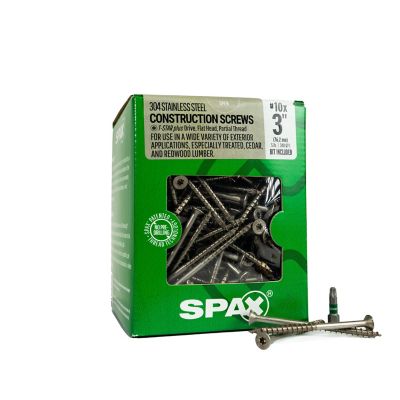
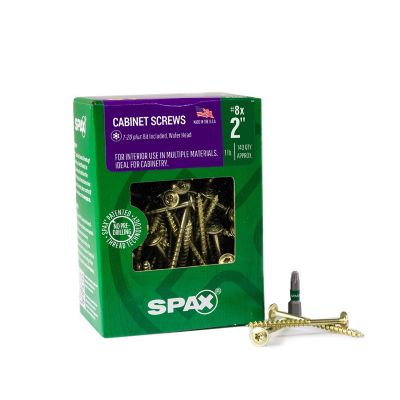
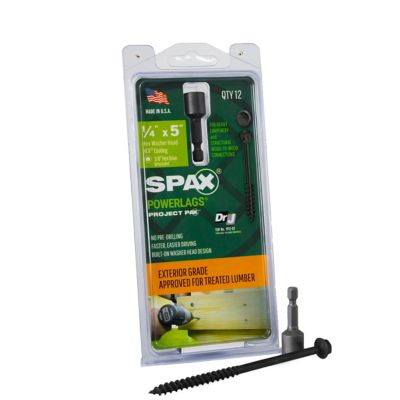
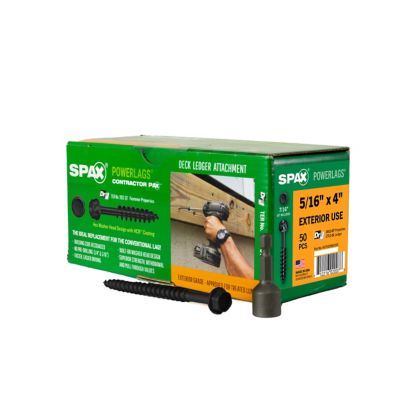
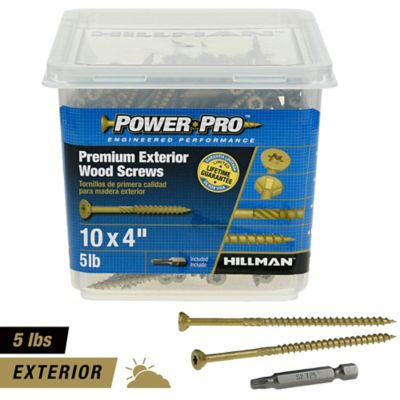
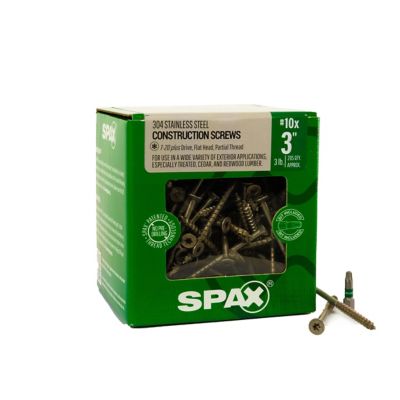
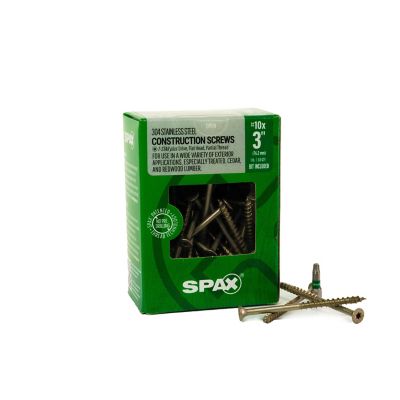
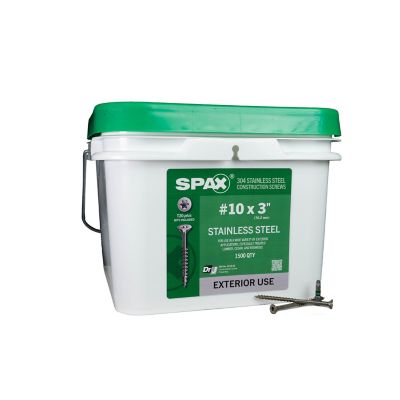
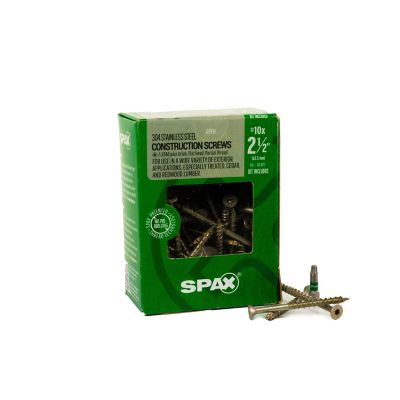
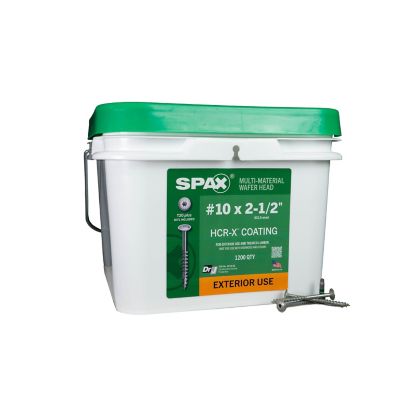
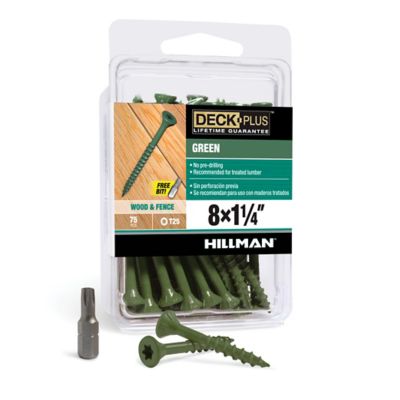
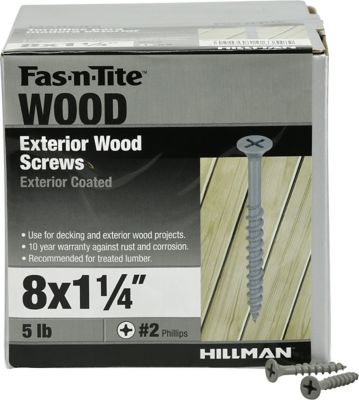
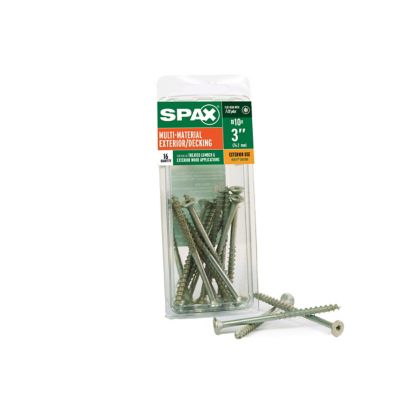
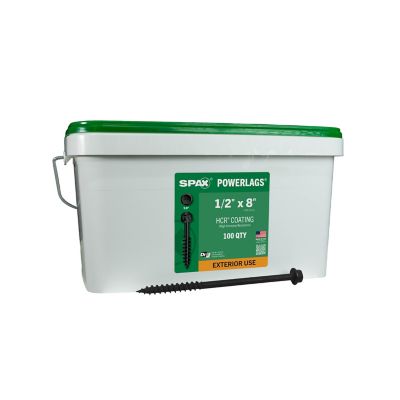
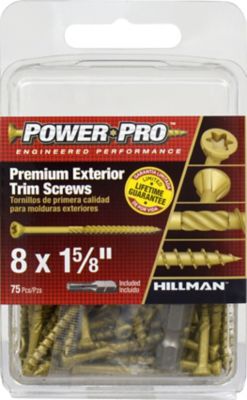
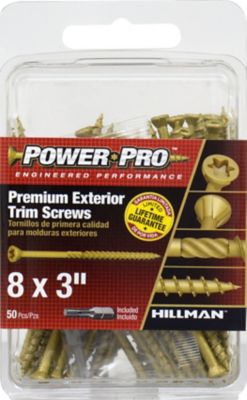
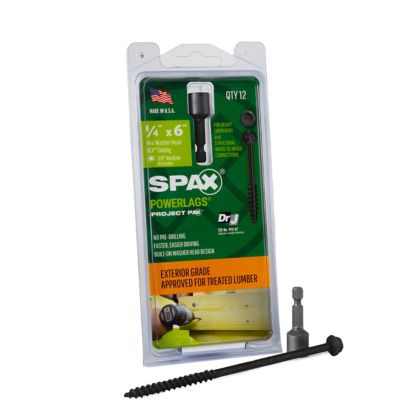
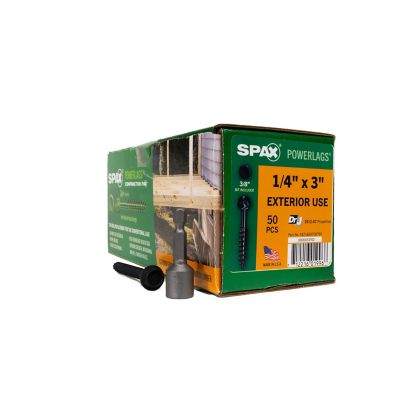
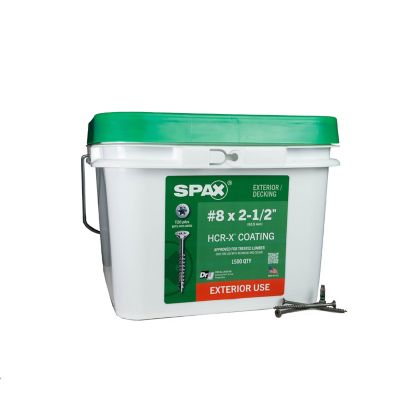
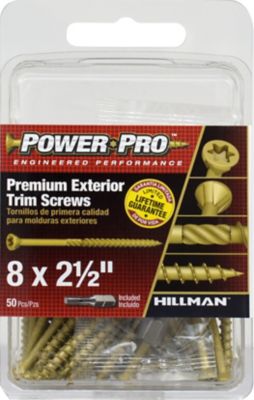
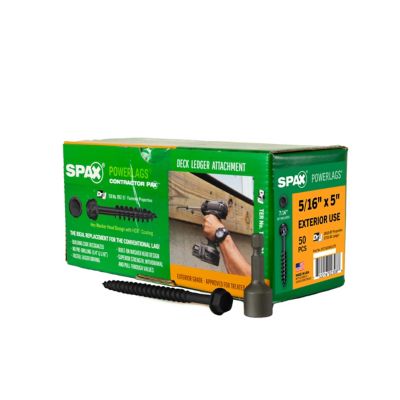
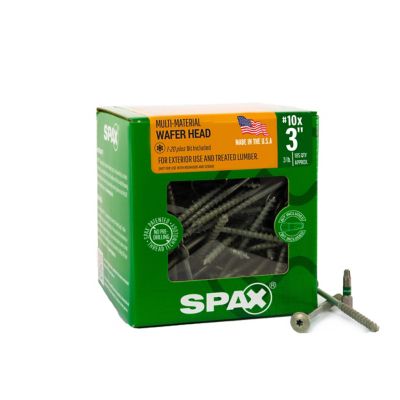
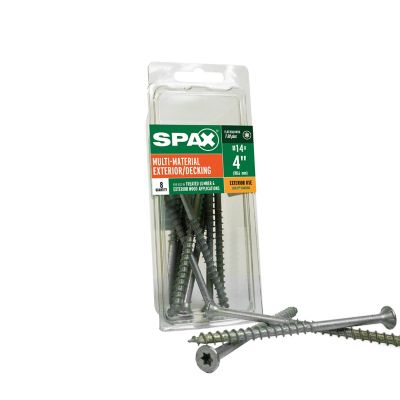
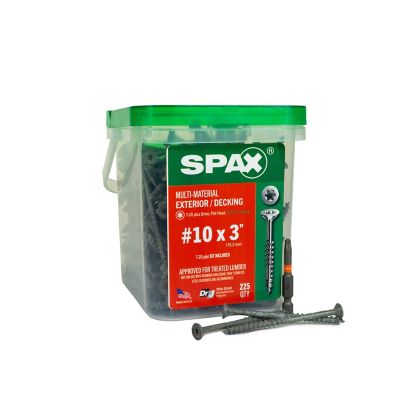
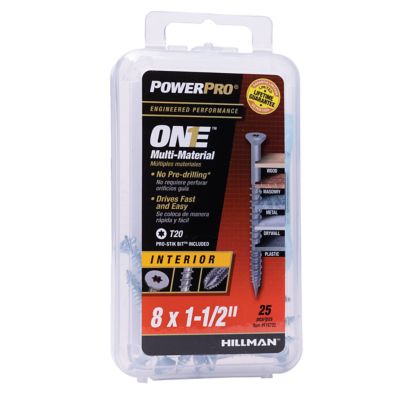
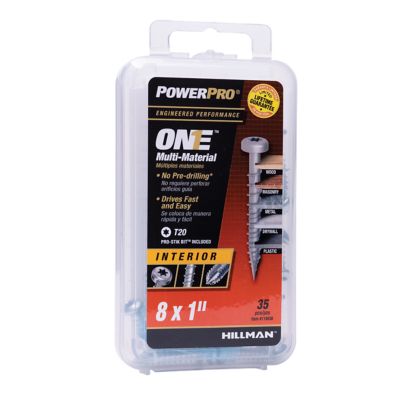
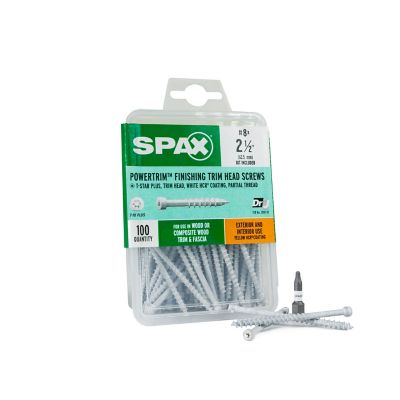
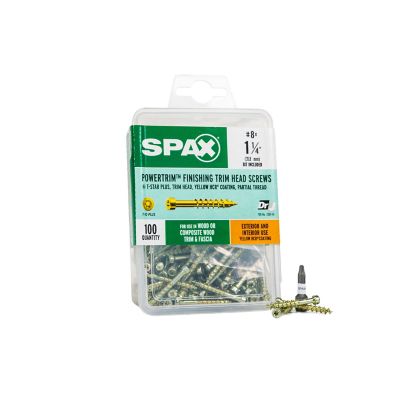
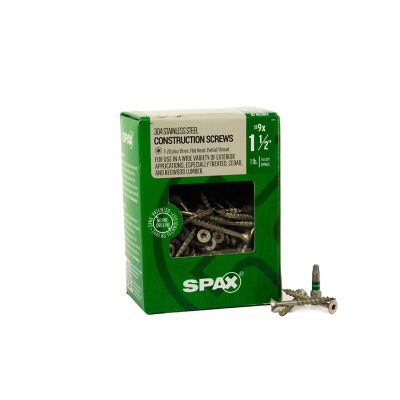
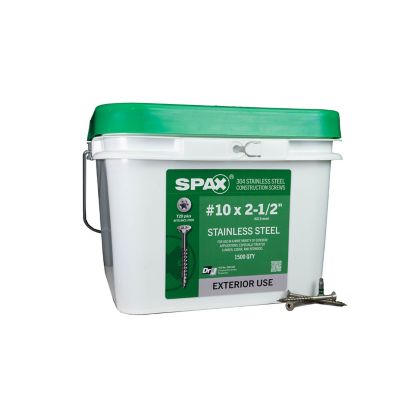
Pressure-treated lumber screws help hold together the boards, rails, and framing that make a property work, from a porch landing beside the back door to a fence stretching along the garden. Their job goes beyond gripping wood. Pressure treatment protects lumber against certain causes of decay and insect damage, but the preservatives in that wood can also speed up corrosion in unsuitable metal fasteners. Screws intended for treated lumber pair their holding power with a metal composition or protective coating suited to that exposure. Common choices include stainless steel, hot-dip galvanized screws, and specially coated exterior wood screws expressly rated for the lumber’s treatment chemistry. Stainless steel grades 304 and 305 suit many exterior applications, while grade 316 offers greater resistance to chloride exposure, such as salt near the coast. Stainless steel is corrosion resistant, not completely immune to corrosion, and the right grade still depends on the setting. Hot-dip galvanizing adds a protective zinc layer, while purpose-designed exterior coatings can combine several layers to separate the steel underneath from moisture and treating chemicals. Neither a silver finish nor an exterior label alone establishes compatibility with every type of treated wood. Packaging and technical specifications should identify suitability for the intended treatment, including alkaline copper quaternary, often called ACQ, or copper azole where applicable. Plain steel, drywall screws, and ordinary lightly zinc-plated interior screws generally are not suitable substitutes. The distinction matters whether a homeowner is fastening deck boards or a ranch hand is replacing lumber around an equipment shed. A sound-looking board does not tell the whole story if the fastener beneath its surface is deteriorating. For projects centered on exposed decking,
Corrosion Resistant Deck Screws offer a related category to consider alongside the requirements of the lumber and supporting structure. The best fit starts with documented compatibility, rather than color, appearance, or a broad claim on the package.
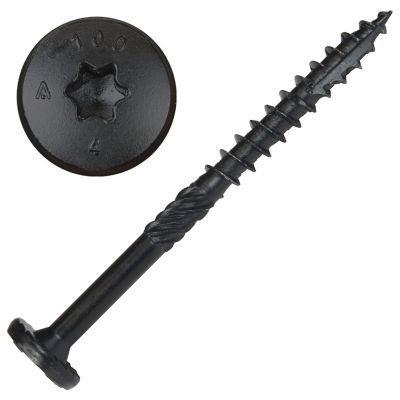
Size and screw design determine how that corrosion protection translates into a practical connection. Length needs to account for the thickness of the board being attached, any gap or intervening material, and the required penetration into sound supporting wood. There is no single length rule that covers deck boards, fence rails, and load-bearing framing equally well. A screw passing through a thick rail needs a different reach than one securing a thinner decking board, and extra length can create a sharp point on the far side of a gate or bench. Diameter matters, too: a larger shank may provide greater capacity in a specified connection, but it also takes up more space in the wood and can increase splitting risk near an edge. Thread pattern, point shape, and head style all affect fit. Some screws have a smooth section beneath the head that can help pull the outer board snug against its support when properly sized for the joint. Others have threads extending farther along the shank for different fastening needs. Cutting points and thread features may reduce driving effort, though they do not eliminate every need for a pilot hole. Predrilling can still matter near board ends, in dense lumber, or wherever the fastener manufacturer calls for it. Flat or countersinking heads suit connections where a flush surface is appropriate, while washer-style heads provide a broader bearing surface for applications designed around that shape. Star and square drive recesses can help a matching bit stay engaged, especially when several boards need fastening in a row. The correct bit size and controlled driving depth help preserve the recess and avoid burying the head farther than intended. Deck screws and structural wood screws also serve different roles. A general-purpose deck screw is not automatically suitable for a ledger, beam connection, stair support, or other load-bearing assembly. Those connections call for the fastener type, spacing, penetration, and installation details specified by the connector manufacturer, an approved design, or applicable building requirements.
Around a farm, acreage, or backyard, the intended job helps narrow the choices without making every connection more complicated than it needs to be. Fence boards need secure attachment without unnecessary splitting, a gate brings repeated movement to its joints, and a deck surface needs heads seated as specified without sharp projections underfoot. Raised garden beds bring another consideration: both the lumber and fasteners need to suit their intended exposure, and fastener selection does not establish whether a wood treatment is appropriate around edible plants. Ground-contact lumber and persistently damp locations can place greater demands on corrosion resistance than a sheltered, above-ground assembly. The lumber treatment level and fastener manufacturer’s exposure guidance matter in those settings. Metal brackets and connectors add another layer of compatibility. Stainless steel fasteners generally belong with stainless steel connectors, and galvanized connectors call for fasteners with the protection their manufacturer specifies; mixing dissimilar metals can encourage galvanic corrosion where moisture is present. Matching the screw to the connector’s approved schedule also matters because a head that looks close enough may not provide the required fit or strength. Care begins before installation with dry storage and packaging that keeps coating, size, and application information easy to identify. Keeping different fasteners separated in the shop saves guesswork when a repair comes along. During assembly, a properly seated driver bit helps limit slipping and surface damage, while steady depth control helps avoid crushing the wood beneath a head. After installation, occasional checks for rust staining, loose boards, backed-out heads, and damaged wood can reveal connections that need attention. A loose screw may point to movement or deterioration in the lumber rather than a fastener problem alone. For homeowners, fence builders, farmers, and maintenance crews, pressure-treated lumber screws are everyday working hardware with an important matching job: the metal must suit the preservative, the dimensions must suit the joint, and the fastening design must suit the load. Getting those details lined up supports a neat finish and a connection ready for its intended work.